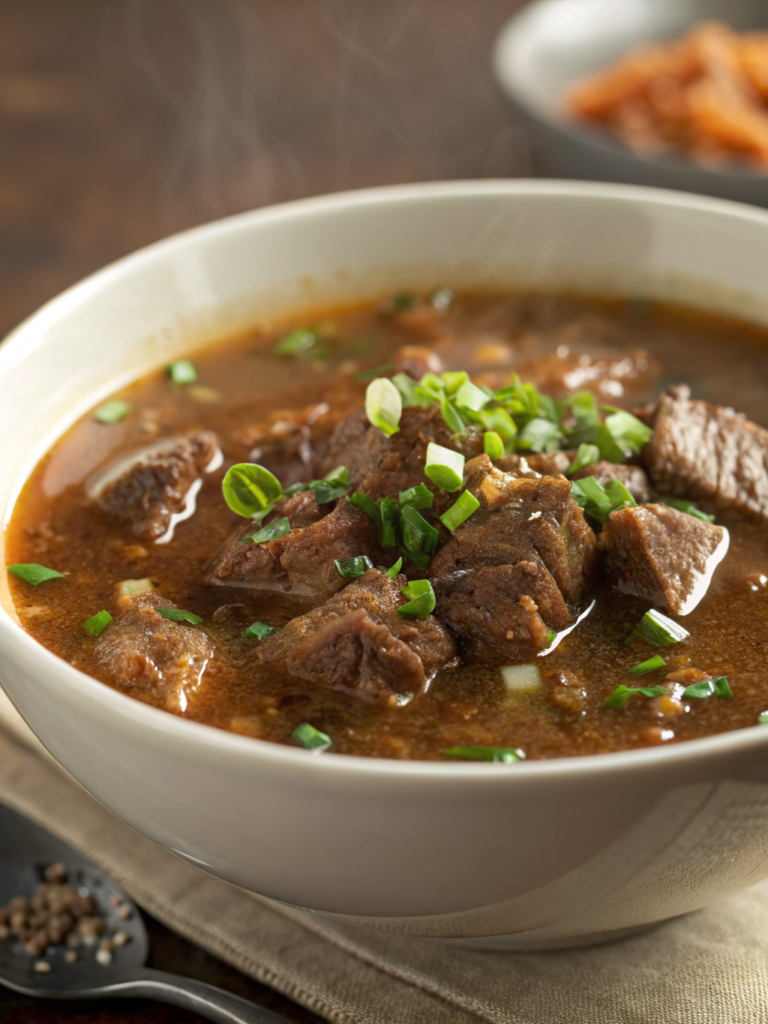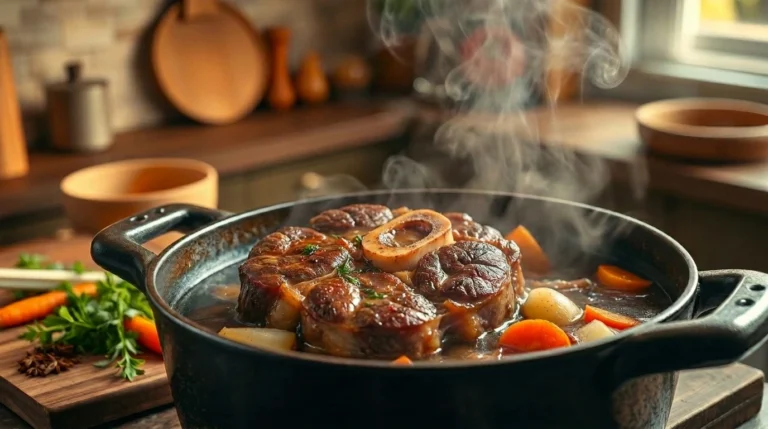
Beef and Noodles
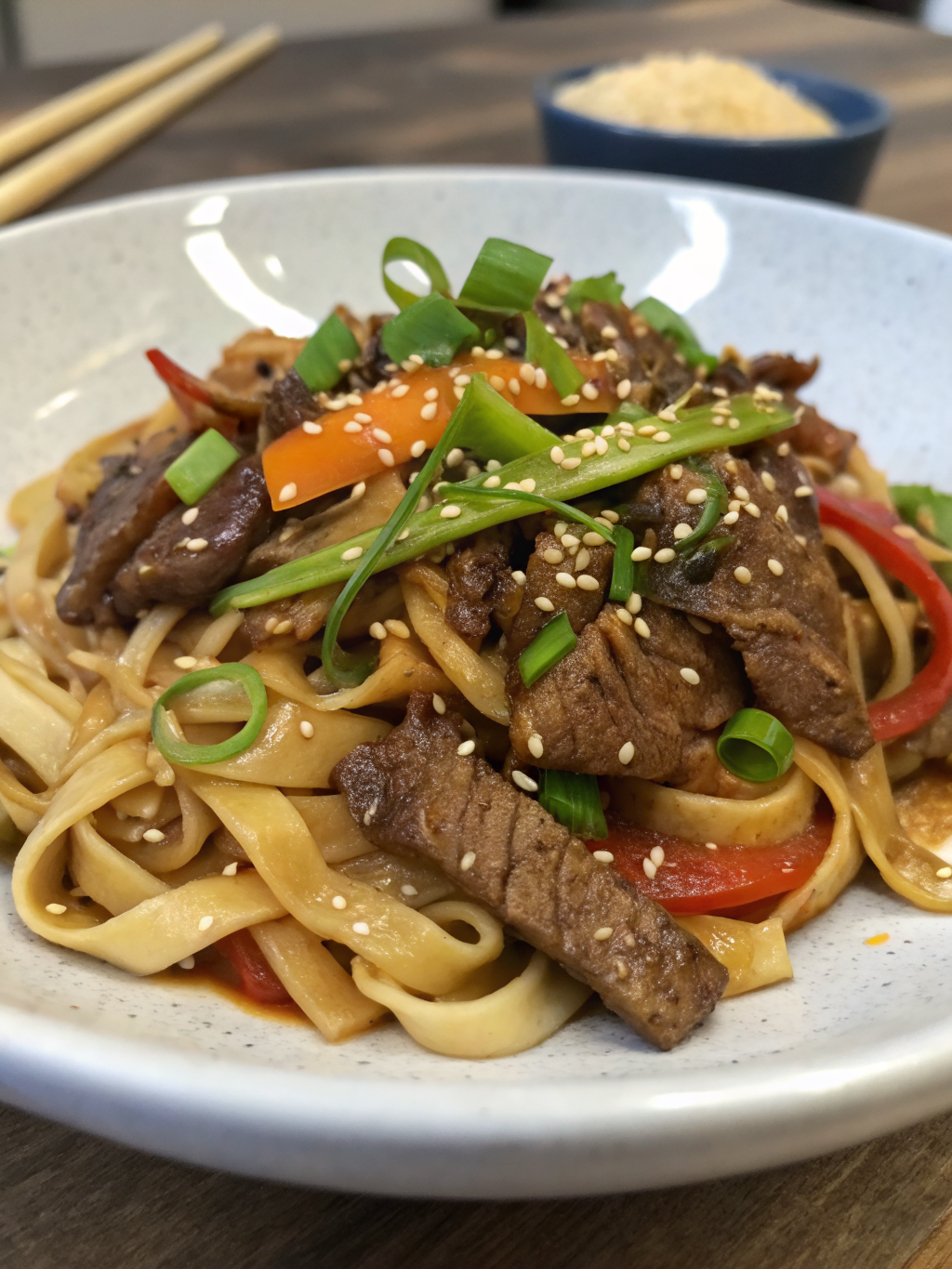
This Beef and Noodles recipe is everything comfort food should be — fork-tender chuck roast in a rich, velvety gravy with egg noodles simmered right in the pot. It takes some time, but almost all of it is hands-off.
Looking for a quicker version? Try my Ground Beef Egg Noodles skillet — same cozy flavors, ready in half the time. Or check out my Beef Broth Gravy if you just want that rich gravy on its own.
Why This One’s Worth the Wait
There’s a real difference between a quick beef-and-noodles skillet and this slow-braised version — the chuck roast gets hours to break down into something genuinely fork-tender, and the gravy develops a depth you just can’t rush. This is the one I make on a lazy Sunday when I want the house to smell incredible for hours before dinner’s even ready.
The noodles cook directly in the braising liquid, so they soak up all that flavor instead of just sitting next to it — one pot, minimal cleanup, maximum payoff.
Ingredients
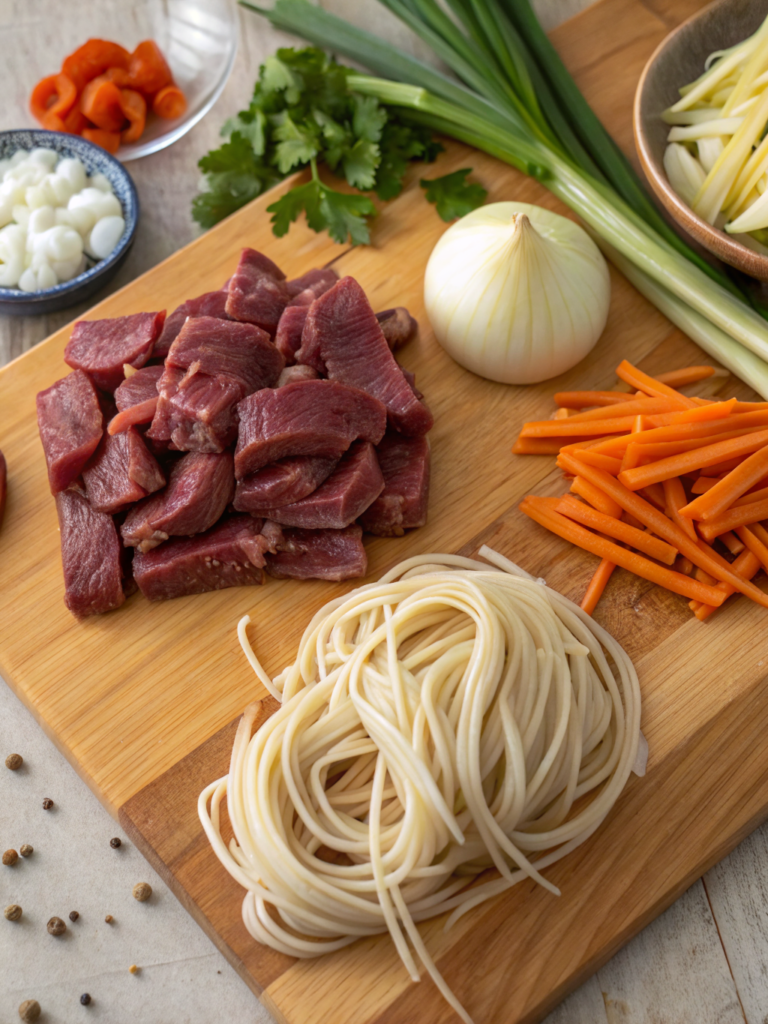
Gathering your ingredients is the first step toward creating this delicious comfort food masterpiece. Here’s everything you’ll need to bring this dish to life:
How to Make It
This is just the overview — scroll down to the recipe card for exact measurements and timing.
Sear the beef cubes until deeply browned, then build a braising liquid right in the same pot with the onion, garlic, and beef broth. Let the beef simmer low and slow until fork-tender, thicken the gravy with a butter-flour paste, then cook the egg noodles directly in that same pot so they soak up all the flavor.
Make Ahead Method
- The beef and gravy can be made up to 2 days ahead. Refrigerate in an airtight container, then reheat gently before adding freshly cooked noodles.
- Cook the noodles fresh rather than storing them in the gravy — they’ll keep absorbing liquid and go soft if left sitting.
- Freezes well — freeze the beef and gravy (without noodles) for up to 3 months. Thaw overnight in the fridge, then cook fresh noodles when ready to serve.
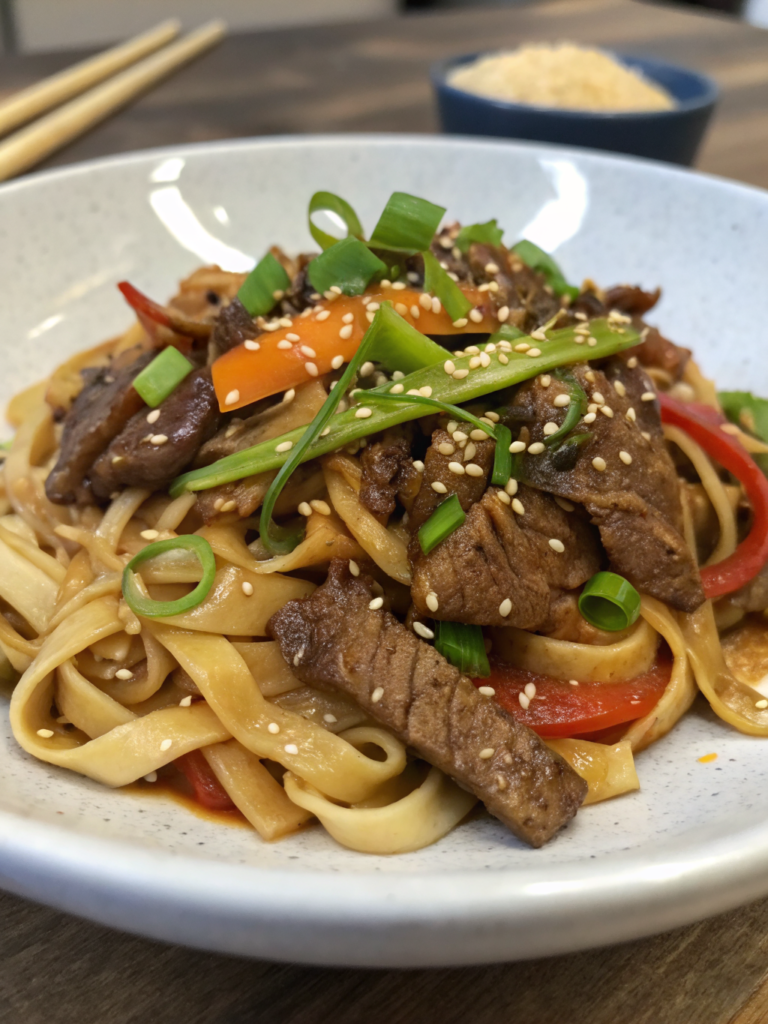
Beef and Noodles: A Classic Comfort Food Dish
Course: BeefCuisine: AmericanDifficulty: Medium6
servings15
minutes2
hours15
minutes485
kcalIngredients
2 lbs beef chuck roast, cut into 1-inch cubes
3 tbsp vegetable oil
1 large yellow onion, diced
4 garlic cloves, minced
4 cups beef broth (low-sodium preferred)
2 cups water
2 bay leaves
1 tsp dried thyme
1 tsp black pepper
1 tsp salt
3 tbsp all-purpose flour
3 tbsp butter
16 oz egg noodles
Fresh parsley, chopped, for garnish
Directions
- Brown the beef. Pat the beef cubes dry. Heat oil in a large Dutch oven over medium-high heat. Working in batches, sear the beef 8-10 minutes total per batch until deeply browned. Set aside.
- Sauté the aromatics. Add the onion to the same pot, cooking 5-6 minutes until translucent. Add garlic and cook 1 minute more.
- Build the braising liquid. Return the beef to the pot. Add beef broth, water, bay leaves, thyme, pepper, and salt. Bring to a boil.
- Simmer until tender. Reduce heat to low, cover with the lid slightly ajar, and simmer 1 hour 45 minutes to 2 hours, until the beef is fork-tender.
- Thicken the gravy. Mix the flour and butter into a paste. Remove the bay leaves, then whisk the paste into the simmering liquid. Cook 3-5 minutes until thickened.
- Cook the noodles. Add the egg noodles directly to the pot. Cook 8-10 minutes, stirring occasionally, until tender.
- Rest and serve. Taste and adjust seasoning. Let rest 5 minutes, then garnish with parsley and serve hot.
Notes
- For a leaner version, swap the chuck roast for sirloin or round roast. For food safety, beef should reach a minimum internal temperature of 145F with a 3-minute rest, though for this braise, cooking until genuinely fork-tender is what gives you the right texture.
For food safety, beef should reach a minimum internal temperature of 145°F with a 3-minute rest (USDA guidelines) — though for this braise, cooking until genuinely fork-tender is what gives the best texture.
Healthier Alternatives for the Recipe
While traditional beef and noodles casserole is undeniably delicious, you can make several modifications to enhance its nutritional profile without sacrificing flavor:
Choose leaner cuts: Substitute chuck roast with sirloin or round roast to reduce fat content by approximately 30%. While slightly less marbled, these cuts still become tender with proper cooking time.
Swap the noodles: Replace traditional egg noodles with whole wheat pasta to triple the fiber content. Alternatively, try chickpea or lentil pasta for added protein and a gluten-free option.
Add vegetables: Incorporate carrots, celery, mushrooms, or peas during the last 30 minutes of cooking. This increases fiber, vitamins, and minerals while adding color and texture.
Reduce sodium: Use low-sodium or no-salt-added beef broth and control the salt yourself. This simple swap can cut sodium content by up to 40%.
Lighten the gravy: Instead of the flour-butter mixture, create a slurry with cornstarch and cold water. This eliminates the added fat while still achieving a thick, luscious gravy.
Portion control: Serve smaller portions of the beef and noodles alongside a large mixed green salad or roasted vegetables to create a more balanced plate.
Serving Suggestions
The versatility of beef and noodles makes it adaptable to various dining occasions and personal preferences. Here are some creative ways to serve this comforting dish:
Classic comfort style: Serve in wide, shallow bowls with crusty bread on the side for soaking up every drop of that delicious gravy. A simple green salad with vinaigrette provides a refreshing contrast.
Family-style presentation: Transfer to a large serving platter and garnish with fresh herbs. Let everyone help themselves, creating a warm, communal dining experience perfect for Sunday dinners.
Elevated dinner party: Plate individual portions in pasta bowls, garnish with microgreens and a drizzle of truffle oil. Pair with roasted asparagus and a full-bodied red wine like Cabernet Sauvignon.
Meal prep friendly: Divide into individual containers for easy grab-and-go lunches throughout the week. The flavors actually improve after a day or two as they meld together.
Comfort food bar: Set up a topping station with shredded cheese, sour cream, crispy fried onions, and extra fresh herbs. Let diners customize their bowls to their preferences.
Consider pairing with steamed green beans, roasted Brussels sprouts, or buttered corn for a complete, satisfying meal that covers all your nutritional bases.
Common Mistakes to Avoid
Even experienced cooks can encounter challenges when preparing beef and noodles. Here are the most common pitfalls and how to avoid them:
- Skipping the browning step: Many home cooks rush this process, but proper browning creates the flavor foundation for the entire dish. Take your time and don’t overcrowd the pan, even if it means working in batches.
- Using too high heat during simmering: A rolling boil will toughen the beef rather than tenderize it. Maintain a gentle simmer with small bubbles occasionally breaking the surface for best results.
- Adding noodles too early: If you add noodles before the beef is fully tender, they’ll become mushy and overcooked. Always ensure the meat is fork-tender first.
- Not tasting and adjusting seasoning: The broth reduces during cooking, concentrating flavors. Always taste before serving and adjust salt, pepper, and herbs as needed.
- Overcooking the noodles: Egg noodles can go from perfectly tender to mushy quickly. Check them a minute or two before the package directions suggest, as they’ll continue cooking in the hot liquid.
- Using insufficient liquid: The noodles absorb considerable liquid during cooking. If your mixture looks dry, add more broth or water to maintain that signature saucy consistency.
- Neglecting to rest the dish: Allowing the finished dish to rest for 5 minutes before serving lets the flavors meld and the sauce thicken to the perfect consistency.
Storing Tips for the Recipe
Proper storage ensures your beef and noodles remains delicious and safe to eat for days after cooking. Follow these guidelines to maximize freshness and flavor:
Refrigerator storage: Transfer cooled leftovers to airtight containers within two hours of cooking. Properly stored, beef and noodles will maintain quality for 3-4 days in the refrigerator at 40°F or below.
The noodles will continue absorbing liquid as they sit, so you may need to add a splash of broth or water when reheating. This restores the proper consistency and prevents dryness.
Freezer storage: While you can freeze this dish, be aware that egg noodles can become slightly mushy upon thawing. For best results, freeze the beef and gravy separately from the noodles for up to 3 months
Final Touches: Serving and Presentation
When it comes to comfort food, how you present it matters a lot. A simple garnish can change everything. A sprinkle of fresh parsley adds color and flavor to your beef and noodles.
Presenting your meal in a creative way is key. Use a wide, shallow bowl to show off the layers. Arrange the ingredients to highlight their textures and colors. This will impress everyone at the table.
Don’t forget about sides and drinks that go well with your meal. Steamed veggies or a crisp salad can cut the richness of the beef. A light red wine or sparkling water with lemon can add to the experience. These touches will make your dinner unforgettable.
FAQ
Can I make this in a slow cooker?
Yes — brown the beef and saute the aromatics on the stovetop first, then transfer everything to a slow cooker and cook on low for 6-7 hours. Add the noodles directly in the last 20-30 minutes.
What’s the best cut of beef for this recipe?
Chuck roast is ideal for its marbling, which breaks down beautifully during a long braise. Beef stew meat or sirloin tips also work.
Can I use a different type of noodle?
Wide egg noodles are classic since they hold up well in the gravy, but regular egg noodles or wide pasta work in a pinch.
Why is my gravy too thin or too thick?
Too thin: simmer a few minutes longer, or add a touch more of the butter-flour paste. Too thick: stir in a splash of broth or water.
Try These Next
Did You Try Our Recipes?
Best recipe ever
I love it, absolutely delicious