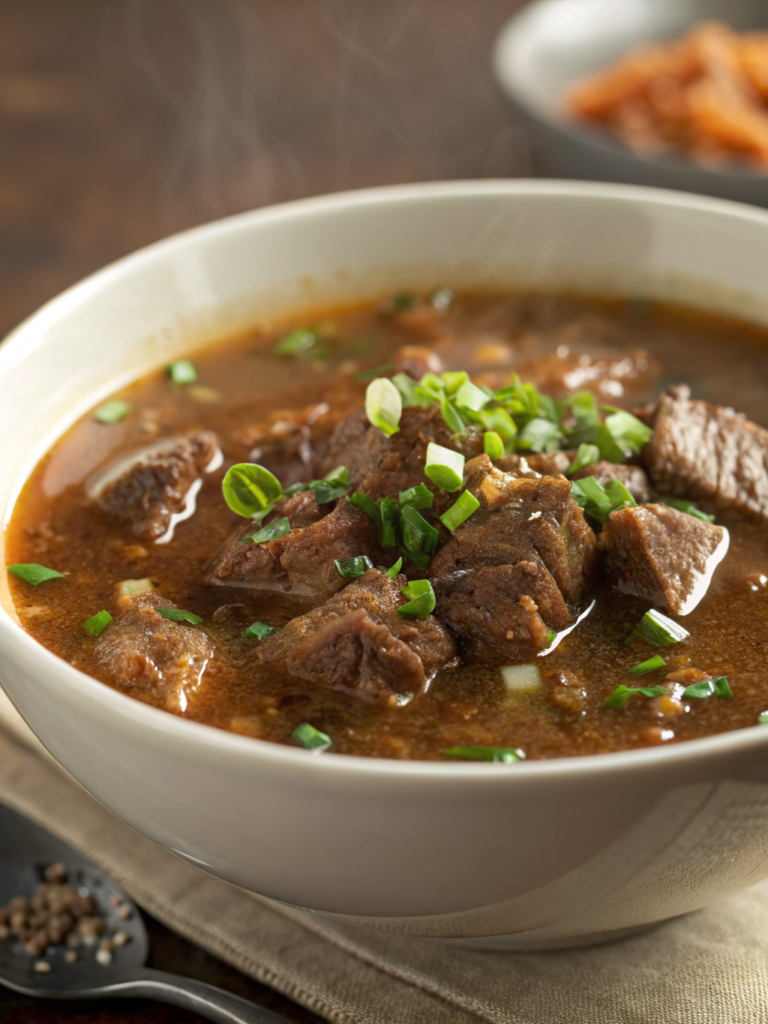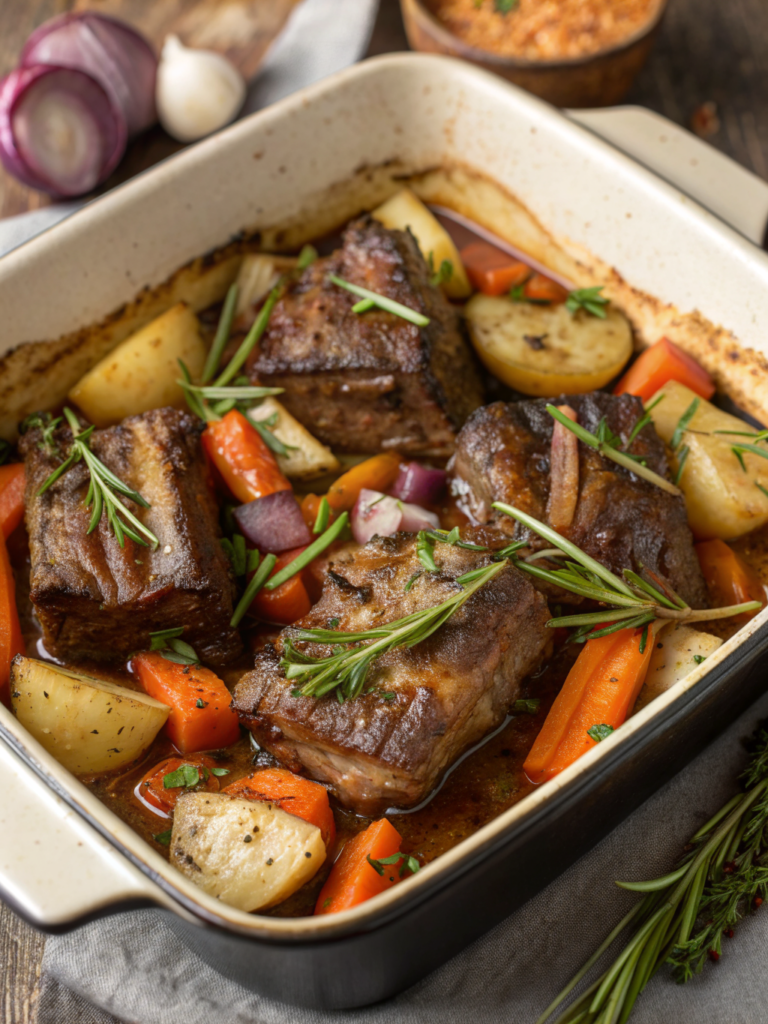
Slow Cooker Beef Stew
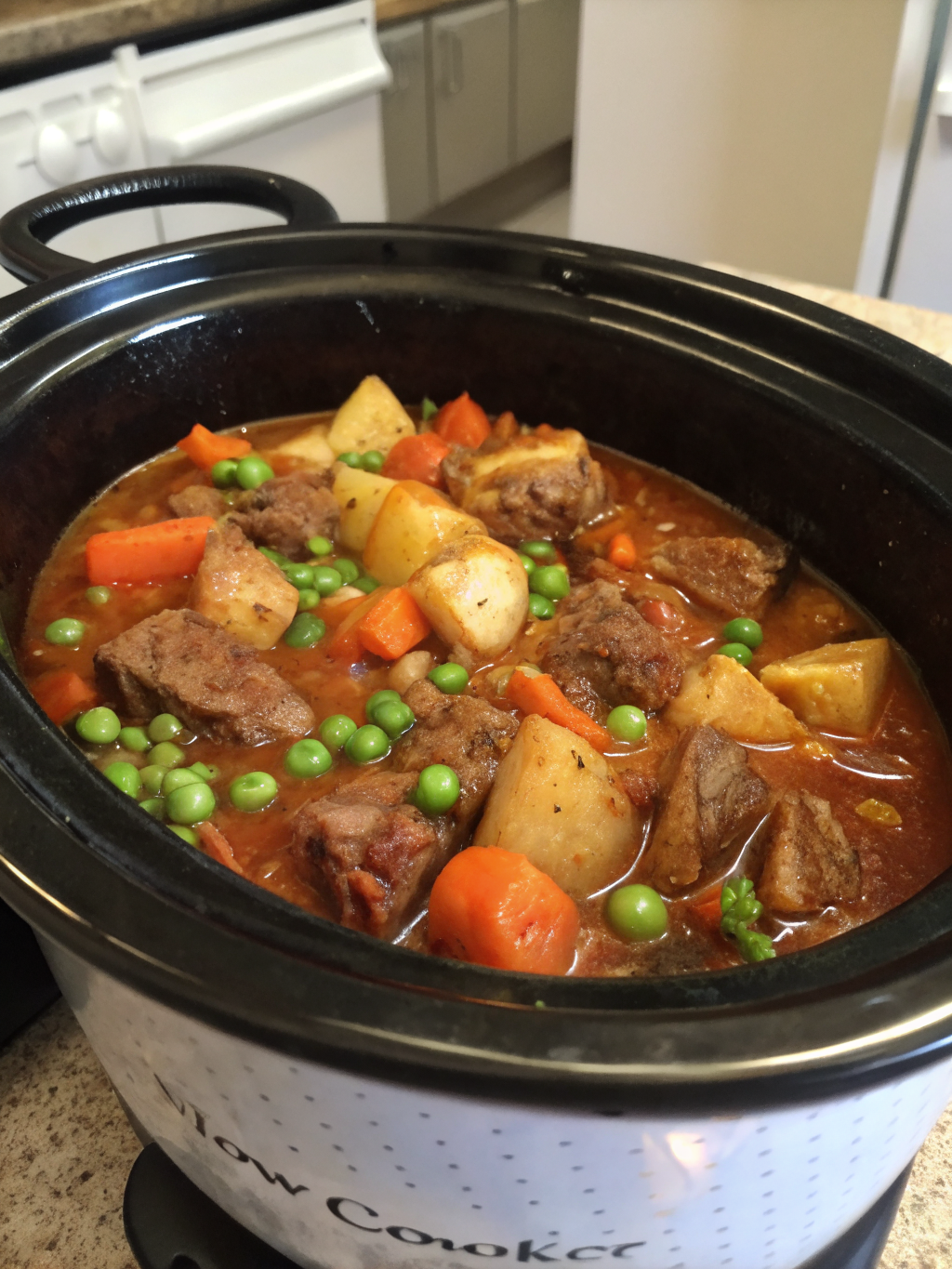
Have you ever wondered why some beef stews turn out tough and bland while others are melt-in-your-mouth tender with rich, complex flavors? The secret isn’t just in the ingredients—it’s in the method. Making slow cooker beef stew transforms ordinary ingredients into an extraordinary comfort meal that fills your home with irresistible aromas. This comprehensive guide will show you exactly how to create a restaurant-quality beef stew right in your kitchen, with minimal effort and maximum flavor.
Whether you’re a busy parent looking for a hands-off dinner solution or a cooking enthusiast seeking the perfect cold-weather meal, this slow cooker beef stew delivers consistently delicious results. The gentle, prolonged cooking process breaks down tough meat fibers while allowing flavors to meld beautifully, creating a comforting slow cooker beef stew that’s worth every minute of patience.
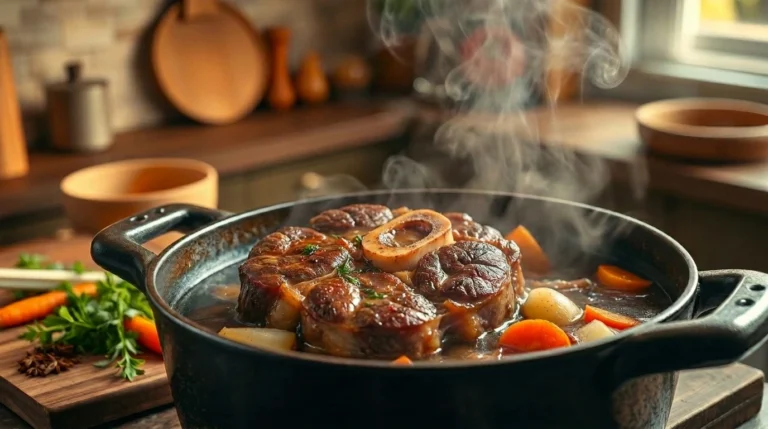
This slow cooker beef stew turns tough, affordable beef chuck into fall-apart tender bites in a rich, glossy gravy. Genuinely hands-off once it is in the pot.
Try my Beef Broth Gravy or Beef and Noodles next for more comforting beef dishes!
Why This Slow Cooker Beef Stew Actually Works
The gap between a good slow cooker beef stew and a genuinely great one comes down to two steps most people skip to save time: browning the beef properly first, and deglazing the skillet afterward. Both take an extra five minutes on the stovetop, and both add real flavor depth that dumping everything into the slow cooker raw simply cannot replicate.
Once it is browned and in the pot, this genuinely becomes a set-it-and-forget-it dinner, ready when you walk in the door.
Ingredients List
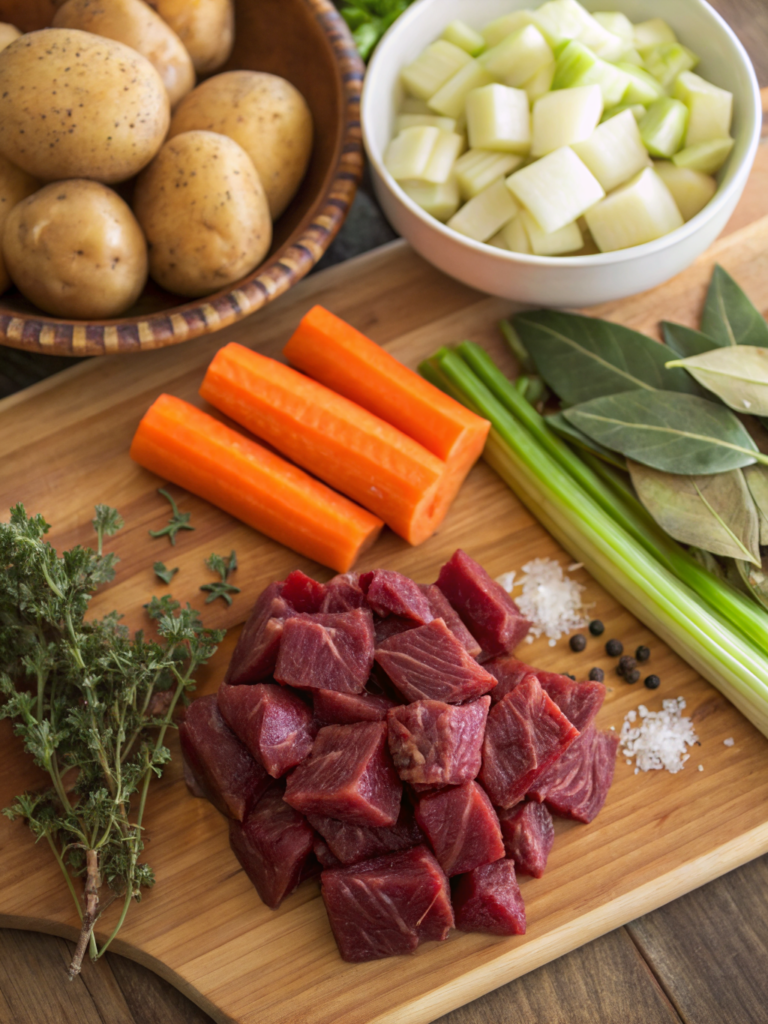
Gathering the right ingredients is the foundation of any great stew. Here’s everything you’ll need for this slow cooker beef stew.
How to Make It
This is just the overview. Scroll down to the recipe card for exact measurements and timing.
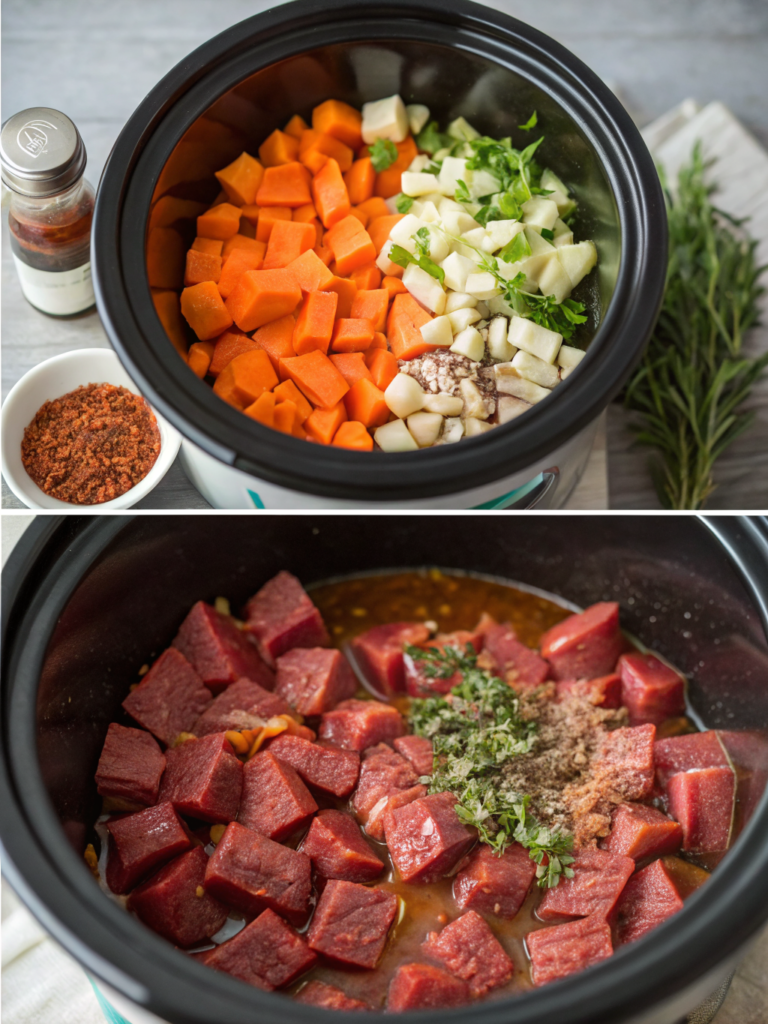
Sear the beef, then build flavor by deglazing the skillet with wine and aromatics. Layer everything into the slow cooker with vegetables and cooking liquid, then cook low and slow for 7-8 hours until fork-tender.
Make Ahead Method
- This stew tastes even better the next day, once the flavors have had time to meld. Make it up to 2 days ahead and reheat gently.
- The beef can be seared and refrigerated up to a day ahead, then added to the slow cooker with the rest fresh the next morning.
- Freezes well for up to 3 months. Thaw overnight in the fridge before reheating.
Best Slow Cooker Beef Stew — Tender Beef and Hearty Vegetables
Course: BeefCuisine: AmericanDifficulty: Easy8
servings20
minutes8
hours385
kcalIngredients
2.5 lbs beef chuck roast, cut into 1.5-inch cubes
4 large carrots, peeled and cut into 1-inch pieces
4 medium Yukon Gold potatoes, quartered
3 celery stalks, chopped into 1-inch pieces
1 large yellow onion, diced
4 garlic cloves, minced
3 cups beef broth (low-sodium preferred)
1 cup red wine (optional; substitute more broth)
3 tbsp tomato paste
2 tbsp Worcestershire sauce
2 bay leaves
1 tsp dried thyme
1 tsp dried rosemary, crushed
3 tbsp all-purpose flour
2 tbsp olive oil
1½ tsp salt, plus more to taste
1 tsp black pepper
1 cup frozen peas
Directions
- Season and coat the beef. Pat the beef cubes dry. Toss with the flour, 1 tsp salt, and ½ tsp pepper until evenly coated.
- Brown the beef. Heat olive oil in a large skillet over medium-high heat. Sear the beef in batches, 2-3 minutes per side, until deeply browned. Transfer to the slow cooker.
- Build the aromatics. In the same skillet, cook the onion 3-4 minutes until softened. Add garlic and cook 30 seconds. Pour in the red wine, scraping up the browned bits, and simmer 2 minutes. Pour into the slow cooker.
- Add the vegetables. Layer the carrots, potatoes, and celery over the beef. Nestle in the bay leaves.
- Make the cooking liquid. Whisk together the beef broth, tomato paste, Worcestershire sauce, thyme, rosemary, and remaining salt and pepper until smooth. Pour over everything in the slow cooker.
- Cook. Cover and cook on low for 7-8 hours or high for 4-5 hours, until the beef is fork-tender.
- Finish. Stir in the frozen peas during the last 30 minutes. Taste and adjust seasoning. For a thicker stew, stir in a slurry of 2 tbsp cornstarch and 2 tbsp cold water, then cook on high for 15 more minutes.
Notes
- For the high-heat setting, cook 4-5 hours instead of the standard 7-8 hours on low.
For food safety, beef should reach a minimum internal temperature of 145°F, though this stew is cooked well past that until fork-tender (USDA guidelines).
Nutritional Information
Understanding the nutritional profile helps you make informed dietary choices. Per serving, based on 8 servings:
- Calories: 385 | Protein: 32g | Carbohydrates: 28g | Fat: 15g (5g saturated) | Fiber: 4g | Sodium: 680mg
This stew provides a well-rounded macronutrient profile with substantial protein content, plus iron, zinc, and B vitamins from the beef, and vitamin A and potassium from the vegetables. The combination of protein and fiber helps keep you satisfied for hours.
Healthier Alternatives for the Recipe
Creating a lighter version of this best slow cooker beef stew doesn’t mean sacrificing flavor. Consider trimming visible fat from the beef chuck more aggressively, which can reduce fat content by up to 30% while maintaining tenderness through the slow cooking process.
Replace half the potatoes with cauliflower florets added during the last hour of cooking. This substitution cuts carbohydrates by approximately 40% while adding vitamin C and fiber. The cauliflower absorbs the stew’s flavors beautifully while maintaining a pleasant texture.
For a leaner protein option, substitute beef with venison or bison, which contain significantly less saturated fat while providing even more protein per serving. These game meats work exceptionally well with the same cooking method and seasoning profile.
Increase the vegetable-to-meat ratio by adding mushrooms, parsnips, or turnips. These additions boost fiber and micronutrients while reducing the overall calorie density. Mushrooms particularly add umami depth that compensates for any reduction in meat.
Use bone broth instead of regular beef broth to increase collagen content, which supports joint health and adds body to the stew without additional calories. The extra gelatin creates an even silkier texture.
For a lower-sodium version, use no-salt-added broth and control seasoning with herbs, spices, and a splash of balsamic vinegar for acidity. This approach can reduce sodium by up to 50% while maintaining robust flavor through layered seasoning techniques.
Serving Suggestions
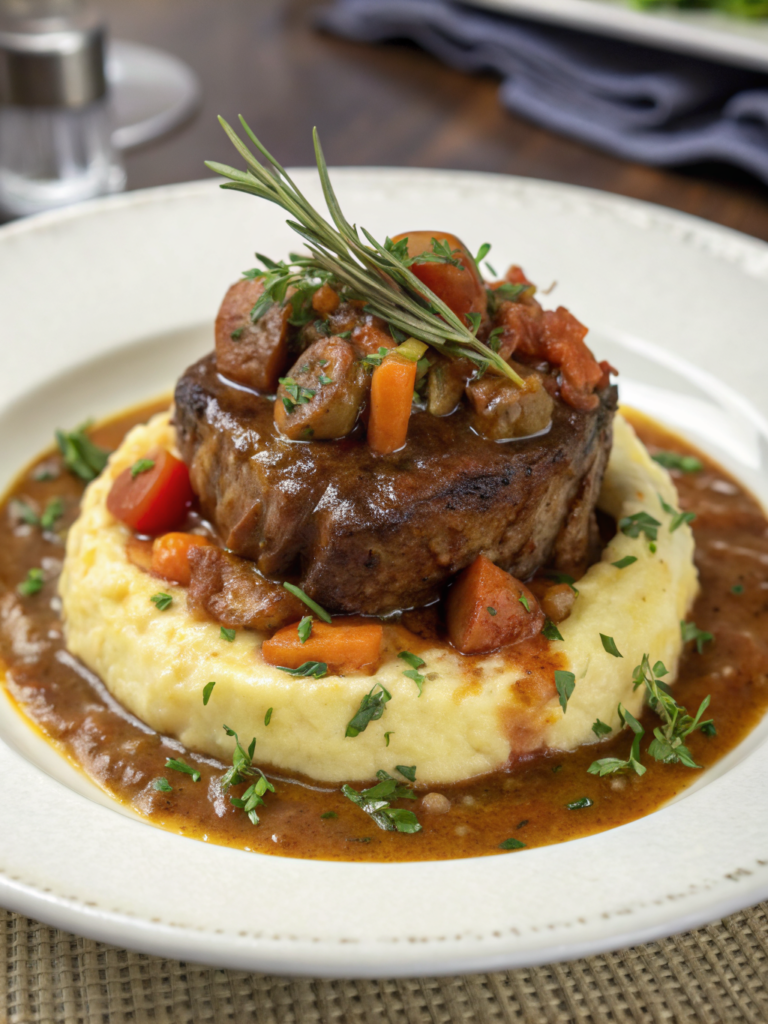
Presentation elevates this beef stew with potatoes and carrots from simple comfort food to an impressive meal. Ladle the stew into wide, shallow bowls to showcase the colorful vegetables and tender beef. Garnish with freshly chopped parsley or thyme leaves for a pop of color and fresh herbal aroma.
Serve alongside crusty artisan bread, perfect for soaking up the rich gravy. A baguette, sourdough, or Irish soda bread all pair beautifully. For a lower-carb option, serve with cauliflower mash or zucchini noodles.
Create a complete meal by starting with a simple green salad dressed with lemon vinaigrette. The bright acidity cuts through the stew’s richness and adds textural contrast. Consider arugula, spinach, or mixed greens with shaved Parmesan.
For entertaining, set up a stew bar where guests can customize their bowls with toppings like sour cream, shredded cheddar cheese, crispy bacon bits, fresh herbs, or hot sauce. This interactive approach makes the meal more engaging and accommodates different taste preferences.
Pair with a medium-bodied red wine like Merlot or Côtes du Rhône, which complement the beef’s richness without overwhelming the dish. For non-alcoholic options, consider sparkling water with lemon or a robust iced tea.
Transform leftovers into new meals by serving the stew over mashed potatoes, egg noodles, or rice. You can also use it as a filling for pot pies topped with puff pastry or biscuit dough for a completely different presentation.
Common Mistakes to Avoid
Even with a forgiving recipe like slow cooker beef stew, certain pitfalls can compromise your results. Understanding these common errors helps ensure success every time.
- Skipping the browning step: This eliminates crucial flavor development. Studies show that properly browned meat adds significantly more depth than raw meat, creating a difference you can actually taste.
- Cutting vegetables too small: Tiny pieces turn mushy during extended cooking. Maintain 1-inch minimum sizes to preserve texture and visual appeal throughout the cooking process.
- Using too much liquid: Slow cookers don’t evaporate moisture like stovetop cooking. Excess liquid creates a watery stew rather than a rich, thick consistency. The liquid should not completely cover the ingredients.
- Opening the lid repeatedly: Each time you lift the lid, you release accumulated heat and moisture, extending cooking time significantly and potentially drying out your stew.
- Overcooking on high heat: While faster, high heat can make beef stringy rather than tender. Low and slow allows connective tissue to break down properly into gelatin.
- Adding delicate herbs too early: Herbs like parsley, cilantro, or fresh basil lose their vibrancy during long cooking. Add these during the last 15 minutes for maximum impact.
- Not seasoning in layers: Seasoning only at the end results in flat flavor. Season the beef before browning, add seasonings to the liquid, and adjust again before serving for complex, well-developed taste.
- Using lean beef cuts: Sirloin or round roasts lack the marbling that chuck roast has, and turn dry and stringy over a long cook. Stick with chuck roast for the best texture.
Storing Tips for the Recipe
Proper storage keeps this slow cooker beef stew tasting great for days after cooking.
- Refrigerator Storage: Cool completely, then store in an airtight container for up to 4 days.
- Freezer Storage: Freeze in an airtight container for up to 3 months.
- Reheating: Warm gently on the stovetop or in the microwave, adding a splash of broth if it has thickened too much.
Conclusion: Worth the Wait
This slow cooker beef stew rewards a little upfront effort with a genuinely hands-off afternoon and a deeply flavorful dinner waiting at the end of it. The searing and deglazing steps take minutes, but they are what separate this from a bland, one-note stew.
Once you have made it a few times, this becomes an easy staple for busy days, cold weather, or just when you want a comforting dinner without much active cooking.
FAQ
Can I skip browning the beef?
You can, but you will lose real flavor depth. The extra 10 minutes on the stovetop genuinely makes a difference.
Can I make this on the stovetop instead?
Yes, after browning and deglazing, simmer covered on low for 2-3 hours instead of using a slow cooker.
Why is my stew watery?
Slow cookers do not evaporate liquid like stovetop cooking. Use the cornstarch slurry step at the end to thicken it up.
Can I make this ahead for a dinner party?
Yes, this stew tastes even better the next day. Make it up to 2 days ahead and reheat gently.
What can I substitute for red wine?
Additional beef broth works fine, though you will lose a bit of the depth the wine adds.
Can I add other vegetables?
Yes, mushrooms, parsnips, or turnips all work well alongside or instead of the carrots and potatoes.
Try These Next
Did You Try Our Recipes?
Best recipe ever
I love it, absolutely delicious