Short Ribs in Oven (Fall-Off-The-Bone Tender)
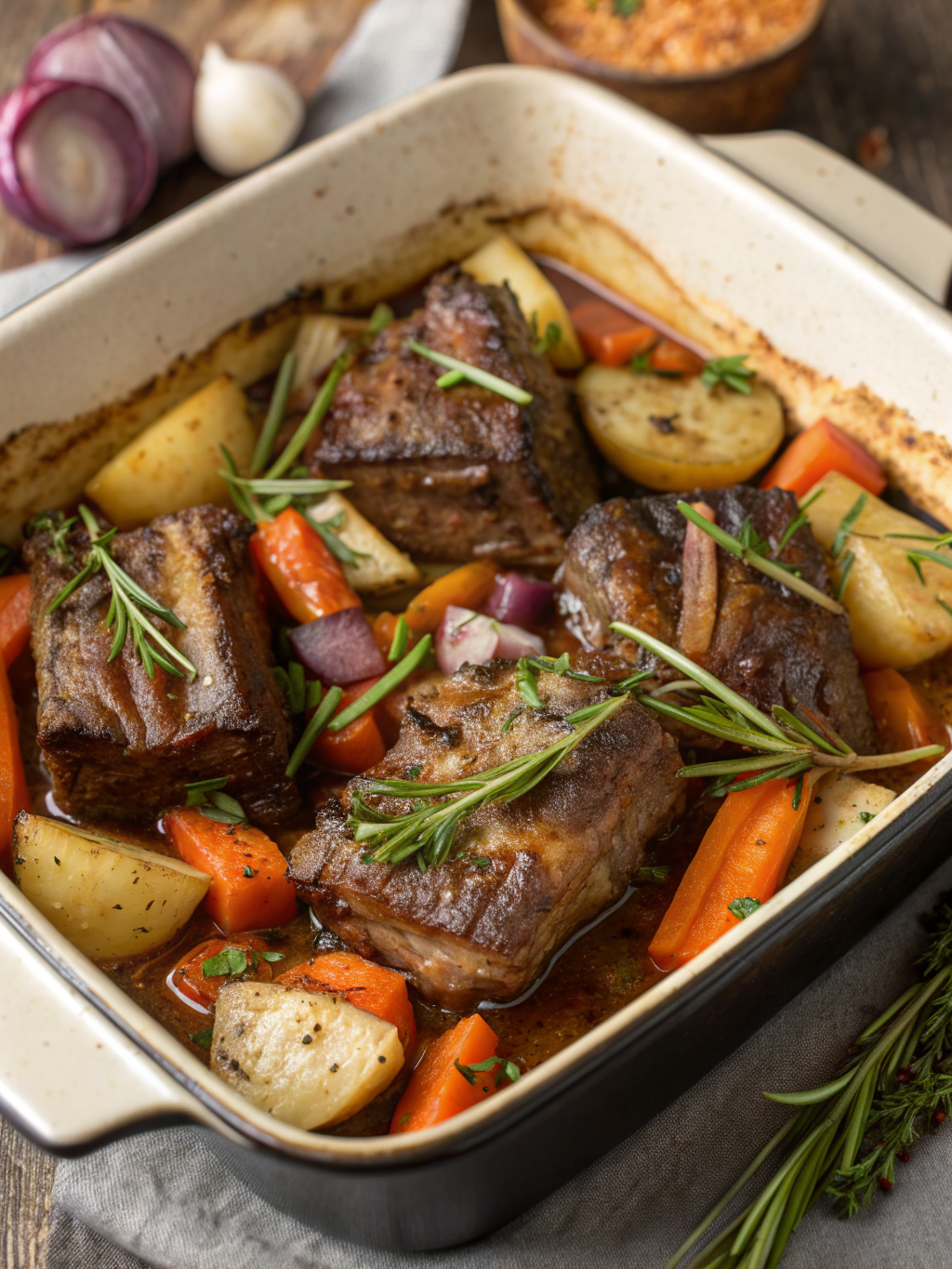
These short ribs in oven come out genuinely fall-off-the-bone tender, braised low and slow in a rich red wine sauce until the meat pulls apart with a fork.
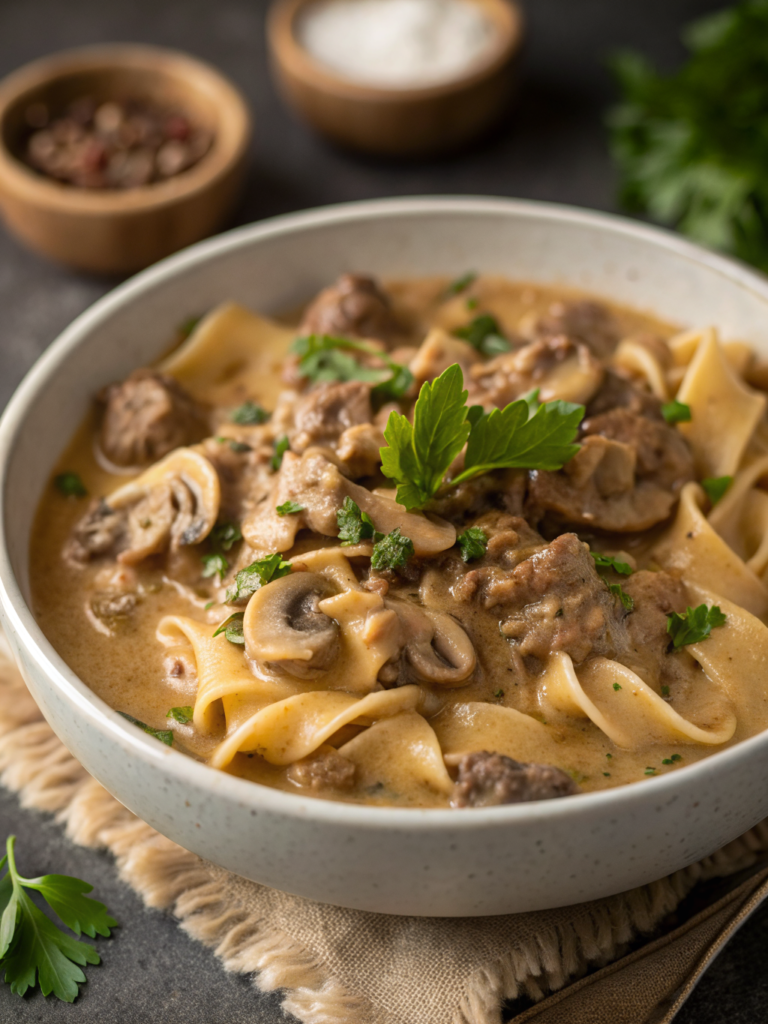
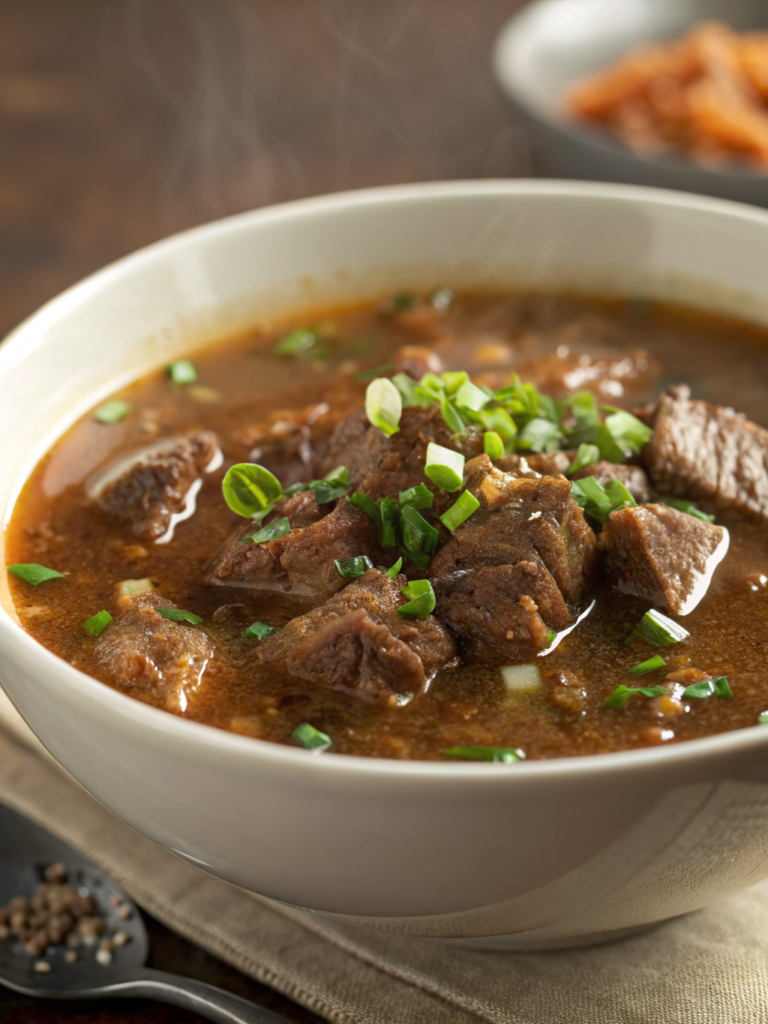
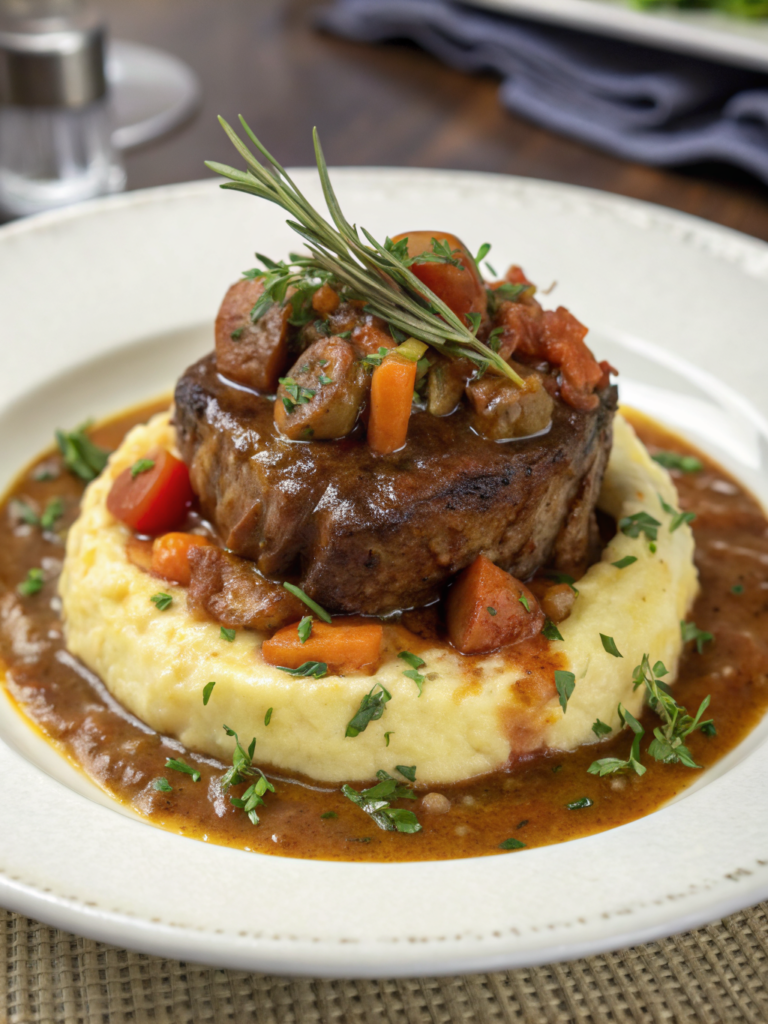
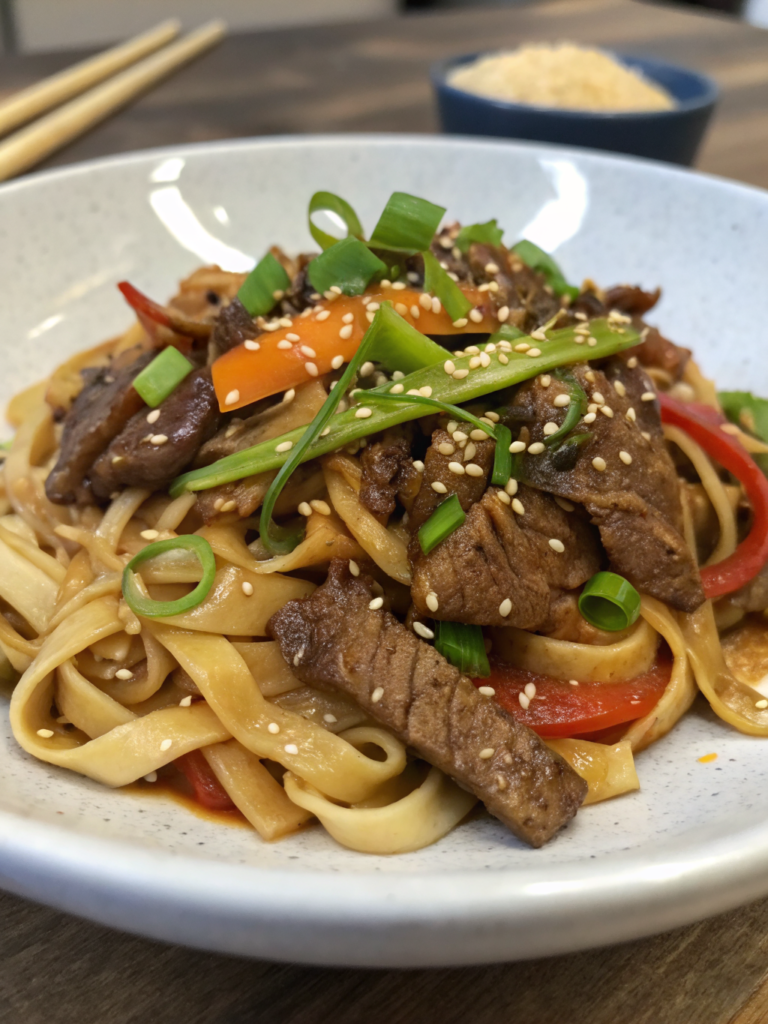
Try my Braised Beef Shank or Beef and Noodles next for more slow-braised beef ideas!
Have you ever wondered why restaurant short ribs melt in your mouth while yours turn out tough and chewy? The secret lies in mastering the art of slow braising, and today you’ll discover how to make short ribs in oven that rival any steakhouse. This comprehensive guide will transform your cooking game with foolproof techniques that guarantee fall-off-the-bone tenderness every single time.
Preparing short ribs in oven is a culinary journey that rewards patience with incredible flavor. The low-and-slow cooking method breaks down tough connective tissues, creating that coveted melt-in-your-mouth texture. Whether you’re cooking for a special occasion or Sunday dinner, this recipe delivers restaurant-quality results in your home kitchen.
Ingredients List
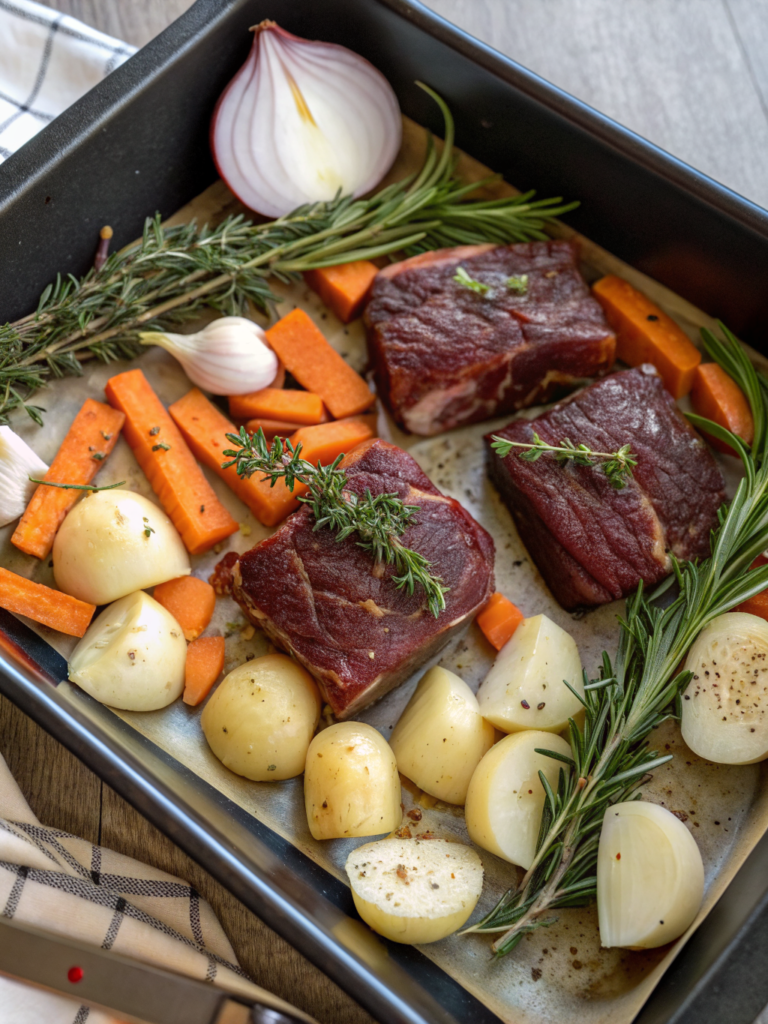
Gathering the right ingredients is crucial for achieving perfect short ribs in oven. Each component plays a vital role in building layers of rich, complex flavor that will have everyone asking for seconds.
How to Make It
This is just the overview for these short ribs in oven. Scroll down to the recipe card for exact measurements and timing.
Sear the ribs, build an aromatic base with onion, carrot, and celery, deglaze with wine, then braise low and slow in the oven until fork-tender. Strain and reduce the sauce before serving.
Make Ahead Method
- These short ribs in oven genuinely taste even better the next day, once the flavors have had time to meld. Make up to 2 days ahead and reheat gently.
- Refrigerating overnight also makes it easy to lift off and discard the solidified fat before serving.
- Freezes well for up to 3 months, stored in some of the braising liquid to keep the meat moist.
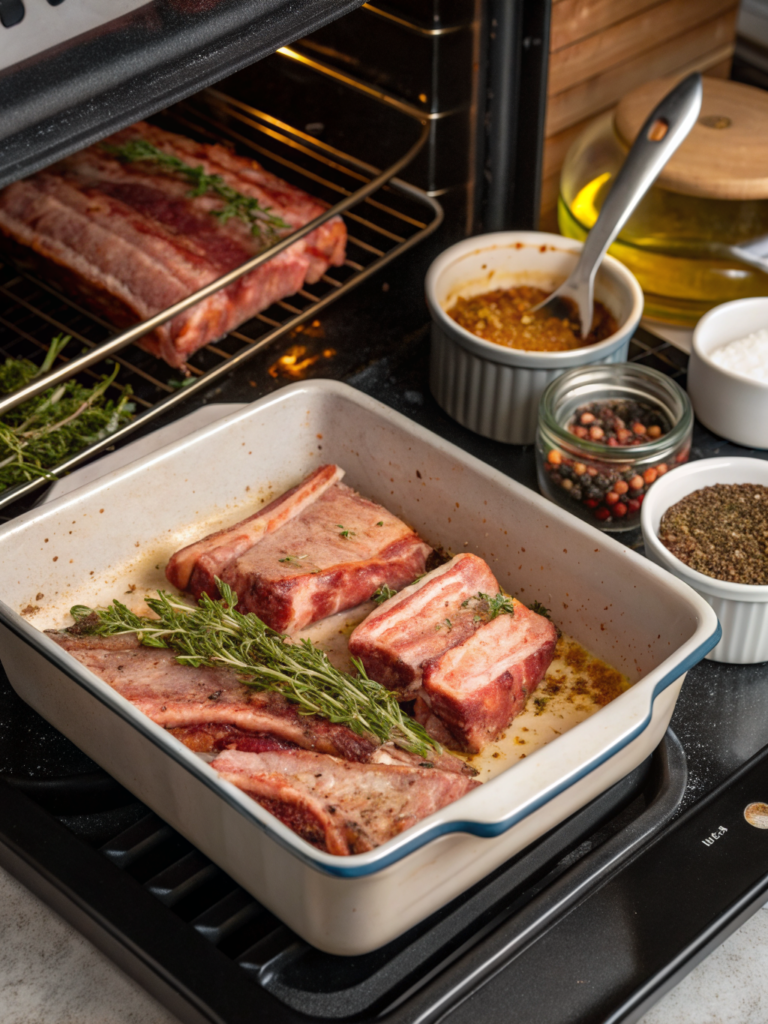
Short Ribs in Oven
Course: BeefCuisine: AmericanDifficulty: Medium4
servings30
minutes40
minutes300
kcalFall-off-the-bone braised short ribs in a rich red wine sauce, finished with vegetables and reduced pan juices.
Ingredients
4 lbs bone-in beef short ribs, English-cut or flanken-style
2 tbsp kosher salt
1 tbsp freshly ground black pepper
3 tbsp olive oil
2 large yellow onions, roughly chopped
4 large carrots, cut into 2-inch pieces
4 celery stalks, cut into 2-inch pieces
8 garlic cloves, smashed
3 tbsp tomato paste
2 cups dry red wine, or beef broth if avoiding alcohol
3 cups beef stock, low-sodium
3 fresh thyme sprigs
2 bay leaves
2 fresh rosemary sprigs
Directions
- Prepare and season. Bring ribs to room temperature 30 minutes. Pat completely dry, season generously with salt and pepper.
- Sear. Preheat oven to 325F. Heat oil in a Dutch oven, sear ribs in batches 3-4 minutes per side until deeply browned. Set aside.
- Build the aromatics. Saute onion, carrot, and celery 6-8 minutes. Add garlic, cook 1 minute, then stir in tomato paste 2-3 minutes until it darkens.
- Deglaze. Add wine, scraping up browned bits, and simmer 3-4 minutes. Add beef stock, thyme, bay leaves, and rosemary.
- Braise. Return ribs to the pot, liquid should reach halfway up the sides. Cover and braise in the oven 2.5-3 hours, until fork-tender.
- Finish the sauce. Rest the ribs tented with foil. Strain the liquid, discard solids, skim fat, and reduce by half over medium-high heat, 10-15 minutes.
Notes
- Do not rush the searing step, it builds real flavor the braise alone cannot replicate. Always reduce the sauce before serving, this concentrates the flavor into something genuinely worth the wait.
The USDA recommends braising tough cuts like short ribs until they reach an internal temperature of at least 195-203°F, well past the minimum 145°F safety threshold (USDA guidelines), since this higher temperature is what breaks down the connective tissue for genuine fall-off-the-bone tenderness.
Nutritional Information
Understanding the nutritional profile helps you make informed decisions about portion sizes and meal planning. This recipe serves 6 people generously, with each serving providing substantial nutrition along with incredible flavor.
Per Serving (approximately 8 ounces of meat with sauce):
Calories: 620 | Protein: 45g | Fat: 42g | Saturated Fat: 17g | Carbohydrates: 12g | Fiber: 2g | Sugar: 6g | Cholesterol: 145mg | Sodium: 680mg | Potassium: 890mg | Iron: 4.8mg | Vitamin A: 110% DV | Vitamin C: 15% DV
Short ribs are naturally rich in protein, providing essential amino acids for muscle maintenance and repair. They’re also an excellent source of iron, zinc, and B vitamins, particularly B12, which supports energy metabolism and nervous system function.
The high fat content contributes to satiety and helps absorb fat-soluble vitamins from the vegetables. While this is an indulgent dish, the nutritional density makes it worthwhile for special occasions when balanced with lighter meals throughout the week.
Healthier Alternatives for the Recipe
Making thoughtful substitutions can reduce calories and fat while maintaining the soul-satisfying comfort this dish provides. These modifications allow you to enjoy braised short ribs more frequently without compromising your health goals.
Choose leaner cuts: Ask your butcher for trimmed short ribs with excess fat removed before cooking. This simple step can reduce fat content by 20-30% while preserving tenderness.
Increase vegetable ratio: Double the carrots, celery, and add parsnips or turnips to bulk up the dish with fiber-rich vegetables. This increases volume and nutrients while reducing meat per serving.
Skim fat thoroughly: Refrigerate the braising liquid overnight, allowing fat to solidify completely on top for easy removal. This technique eliminates significantly more fat than using a separator alone.
Use bone broth: Replace regular beef stock with collagen-rich bone broth for added gut health benefits and joint support without extra calories.
Reduce wine: Use just 1 cup of wine instead of 2, replacing the remainder with additional stock or pomegranate juice for antioxidant benefits and reduced alcohol content.
Serve smaller portions: Pair 6 ounces of meat with generous portions of roasted vegetables and cauliflower mash instead of traditional starches to create a more balanced plate.
Serving Suggestions
Presentation and accompaniments elevate this rustic dish into an elegant dining experience. The rich, velvety sauce pairs beautifully with various sides that complement without overwhelming the star ingredient.
Classic Pairings: Serve over creamy mashed potatoes, buttery polenta, or celery root purée to soak up every drop of that magnificent sauce. The contrast between smooth starches and tender meat creates textural harmony.
Lighter Options: Pair with cauliflower mash, zucchini noodles, or a bed of wilted spinach for a lower-carb presentation that keeps the focus on the meat’s incredible flavor.
Grain Bowls: Create a modern presentation by serving over farro, quinoa, or wild rice with roasted Brussels sprouts and a sprinkle of fresh parsley for color and freshness.
Bread Service: Don’t forget crusty artisan bread or soft dinner rolls for mopping up sauce—arguably the best part of the meal. Garlic bread adds an extra flavor dimension that guests love.
Wine Pairing: Serve with the same full-bodied red wine used in cooking, such as Cabernet Sauvignon or Syrah. The wine’s tannins cut through the richness beautifully.
Garnish Ideas: Finish with fresh thyme leaves, gremolata (lemon zest, garlic, and parsley), or a drizzle of high-quality olive oil for restaurant-worthy presentation.
Common Mistakes to Avoid
Learning from common pitfalls ensures success on your first attempt. These insights come from years of perfecting braised short ribs and helping home cooks troubleshoot their challenges.
- Skipping the searing step: Proper browning is non-negotiable for developing deep flavor. Those caramelized bits create the foundation for your sauce’s complexity.
- Cooking at too high temperature: Braising above 325°F causes meat to toughen rather than tenderize. Low and slow is the only way to break down collagen properly.
- Not using enough liquid: The braising liquid should come halfway up the meat. Too little liquid results in dry, tough ribs instead of succulent ones.
- Overcrowding the pan during searing: This drops the pan temperature, causing steaming instead of browning. Work in batches for proper caramelization.
- Removing ribs too early: Test for doneness by inserting a fork—it should slide in with almost no resistance. Undercooked short ribs are chewy and disappointing.
- Not reducing the sauce: The braising liquid needs concentration to become a proper sauce. Skipping this step results in thin, watery gravy.
- Using poor quality wine: If you wouldn’t drink it, don’t cook with it. Wine quality directly impacts your final sauce flavor.
- Forgetting to rest the meat: Allowing ribs to rest for 10 minutes before serving helps juices redistribute, ensuring maximum tenderness.
Storing Tips for the Recipe
Proper storage techniques preserve quality and make this dish perfect for meal prep or entertaining ahead. Short ribs actually improve in flavor after a day, making them ideal for advance preparation.
Refrigeration: Store cooked short ribs in an airtight container with sauce, ensuring meat is completely submerged to prevent drying. Properly stored, they’ll keep for 4-5 days in the refrigerator. The fat will solidify on top, creating a protective seal that preserves freshness.
Reheating: Remove solidified fat from the surface before reheating. Warm gently in a covered Dutch oven at 300°F for 25-30 minutes, or reheat individual portions in the microwave at 50% power to prevent toughening.
Freezing: Short ribs freeze exceptionally well for up to 3 months. Cool completely, then transfer to freezer-safe containers with sauce. Leave 1 inch of headspace for expansion, and thaw overnight in the refrigerator before reheating.
Conclusion: Worth the Wait
These short ribs in oven reward patience more than almost any other cut. Give them the sear and the slow braise they deserve, and you end up with something genuinely restaurant-quality, at a fraction of the cost of eating out.
Once you have made this a few times, it becomes one of those dishes you can confidently plan a whole dinner party around.
FAQ
What temperature should short ribs reach in the oven?
For fall-off-the-bone tenderness, aim for an internal temperature of 195-203F, well past the 145F minimum safety threshold, since the higher heat breaks down connective tissue.
Can I make this in a slow cooker instead?
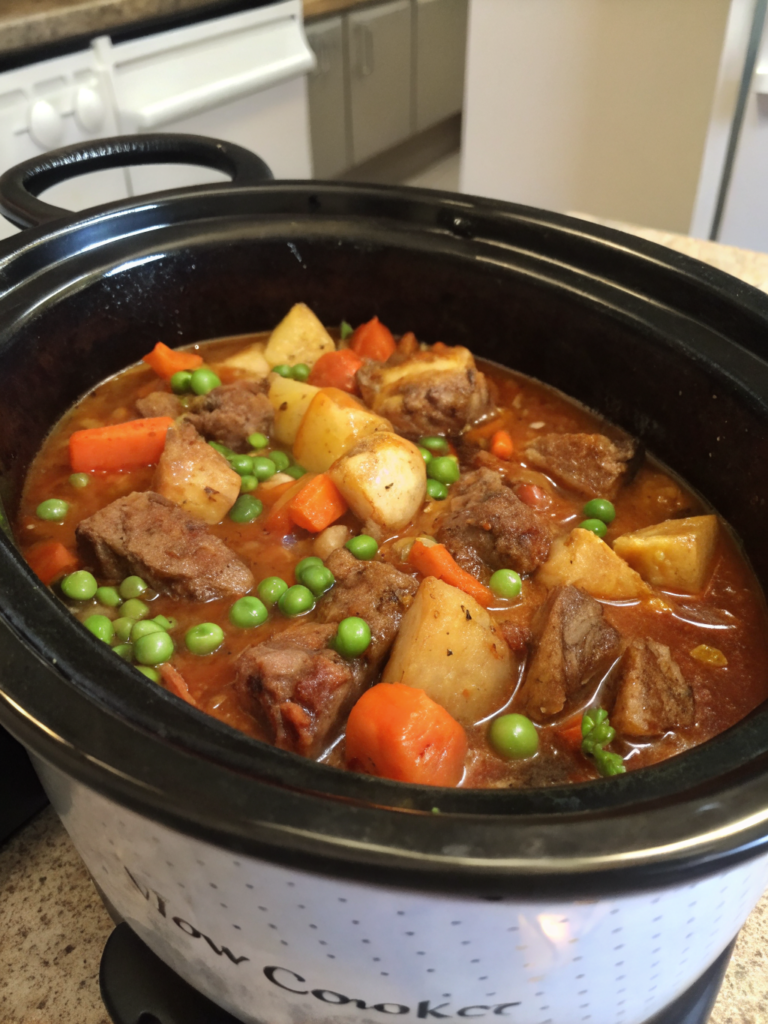
Yes, sear the ribs first for flavor, then transfer everything to a slow cooker and cook on low for 7-8 hours.
Why are my short ribs tough instead of tender?
For short ribs in oven, this usually means they were not braised long enough, or the oven temperature was too high. Low and slow is essential for breaking down the connective tissue properly.
Can I make this ahead of time?
Yes, these short ribs in oven genuinely taste even better the next day. Make up to 2 days ahead and reheat gently before serving.
What can I substitute for red wine?
Beef broth works well if you prefer to avoid alcohol, though the wine does add real depth to the sauce.
Try These Next
Did You Try Our Recipes?
Best recipe ever
I love it, absolutely delicious