Corned Beef in Oven for Tender, Flavorful Results
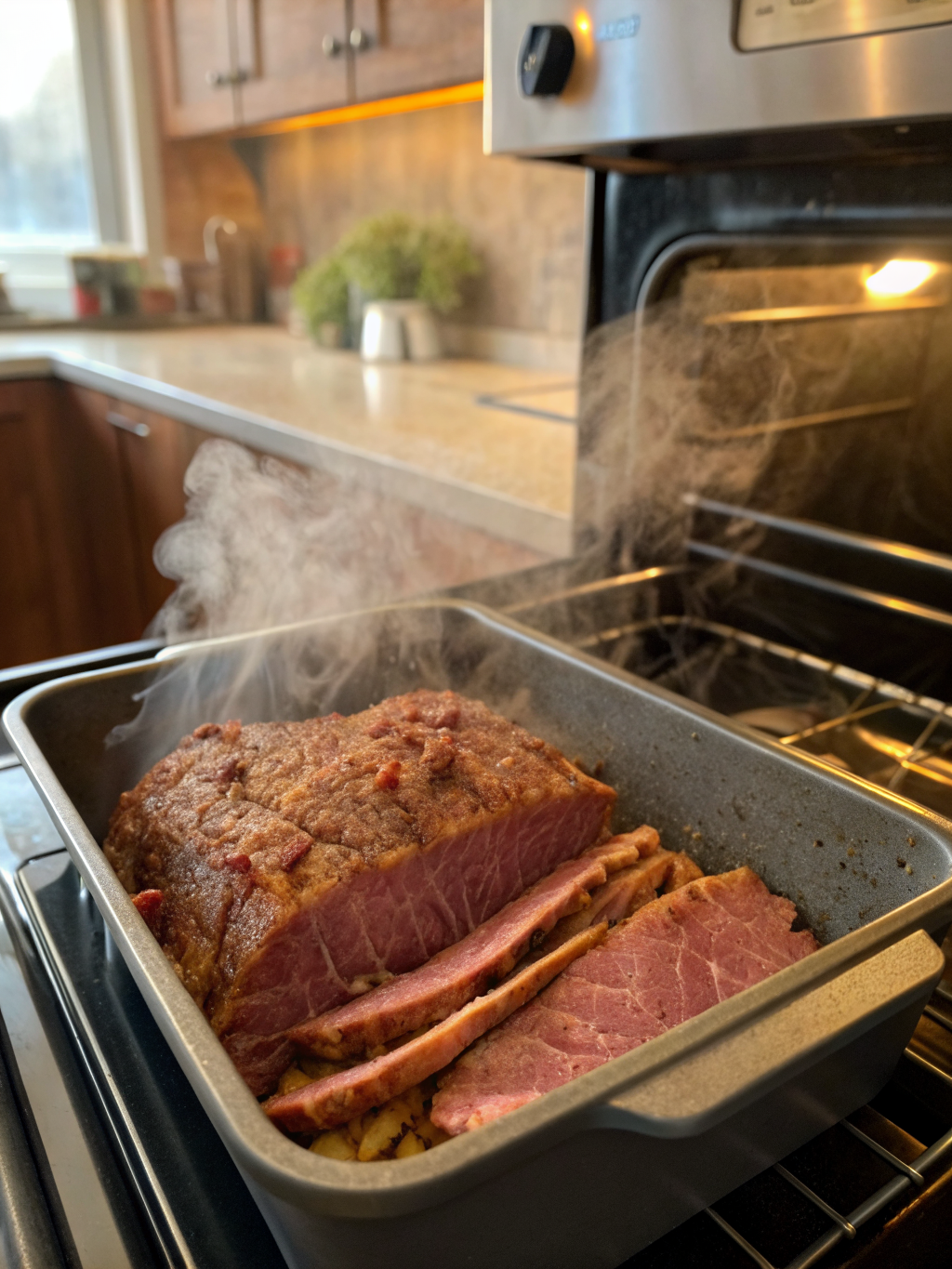
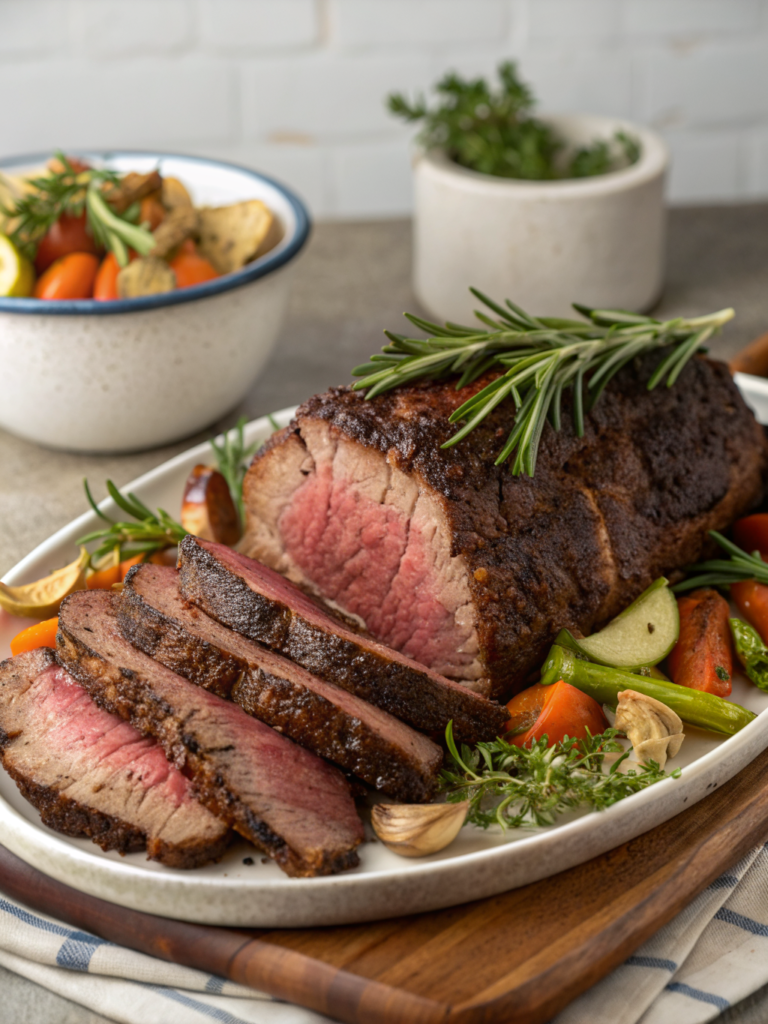
This Corned Beef in Oven turns a humble brined brisket into a fork-tender, richly flavored centerpiece — low and slow at 300°F, with an optional honey-mustard glaze for a beautiful caramelized crust.
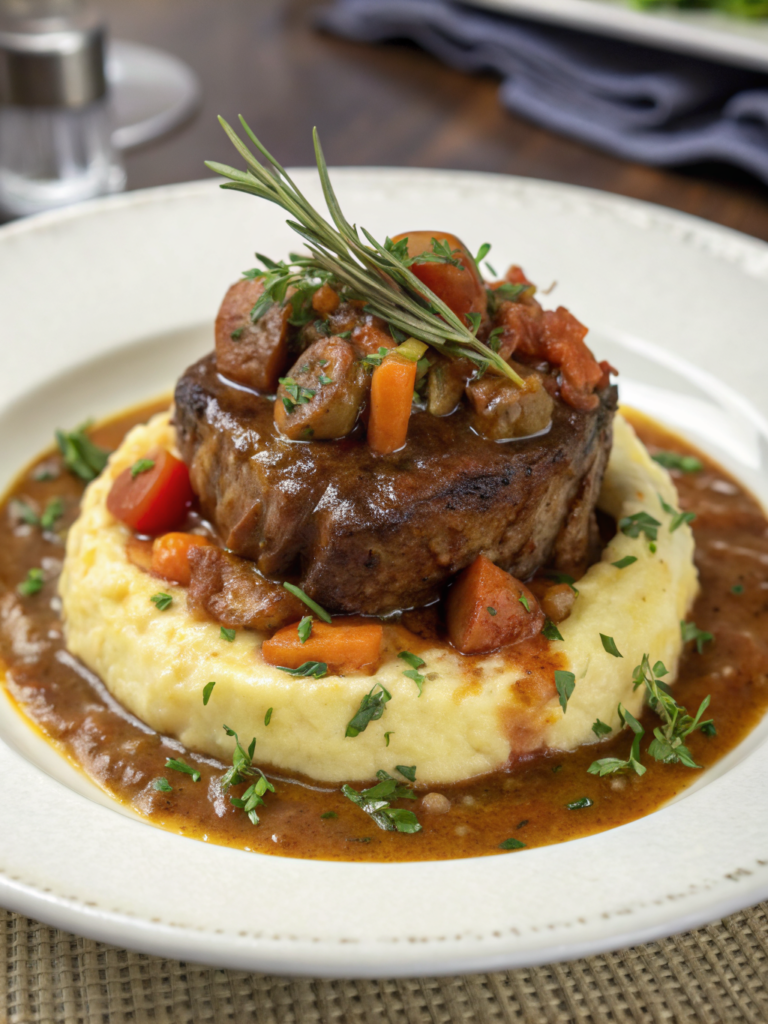
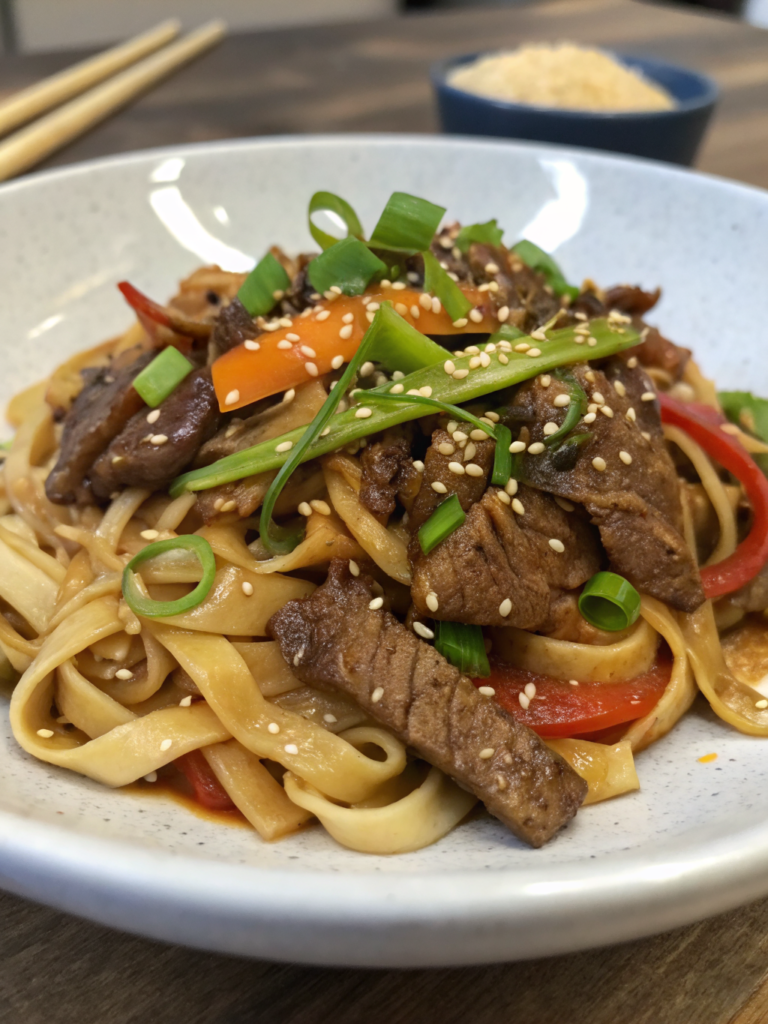
Try my Braised Beef Shank or Beef and Noodles next — more low-and-slow beef comfort food!
Why This Is My Go-To Corned Beef Method
Corned beef has a reputation for going dry or tough, and it’s almost always because of rushing the temperature. This oven method keeps things low and gentle, so the connective tissue has time to actually break down into that melt-in-your-mouth texture instead of just getting hot.
It’s genuinely hands-off too — about 15 minutes of active prep, then the oven does the rest. Perfect for a St. Patrick’s Day centerpiece or just a cozy Sunday dinner.
Ingredients
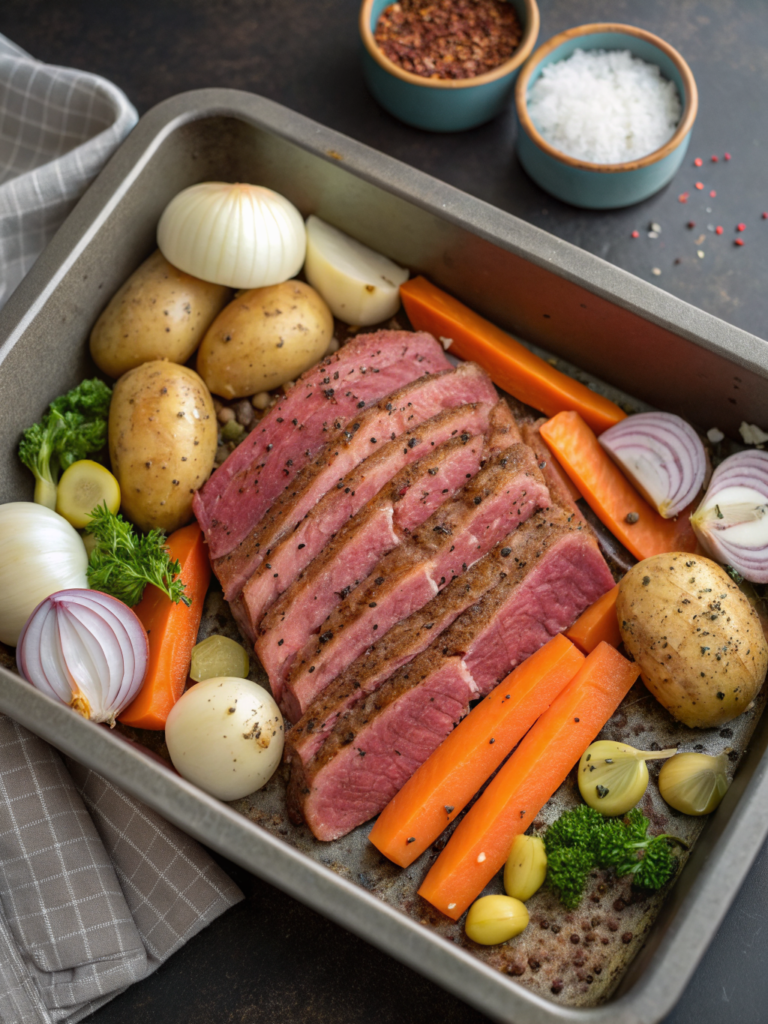
Gathering the right ingredients is your first step toward corned beef perfection. Each component plays a role in developing the complex flavors and tender texture that make this dish unforgettable.
For vegetables to cook alongside your brisket, consider adding carrots, potatoes, and cabbage during the final cooking hour — they absorb the delicious cooking juices and create a complete one-pan meal.
How to Make It
This is just the overview — scroll down to the recipe card for exact measurements and timing.
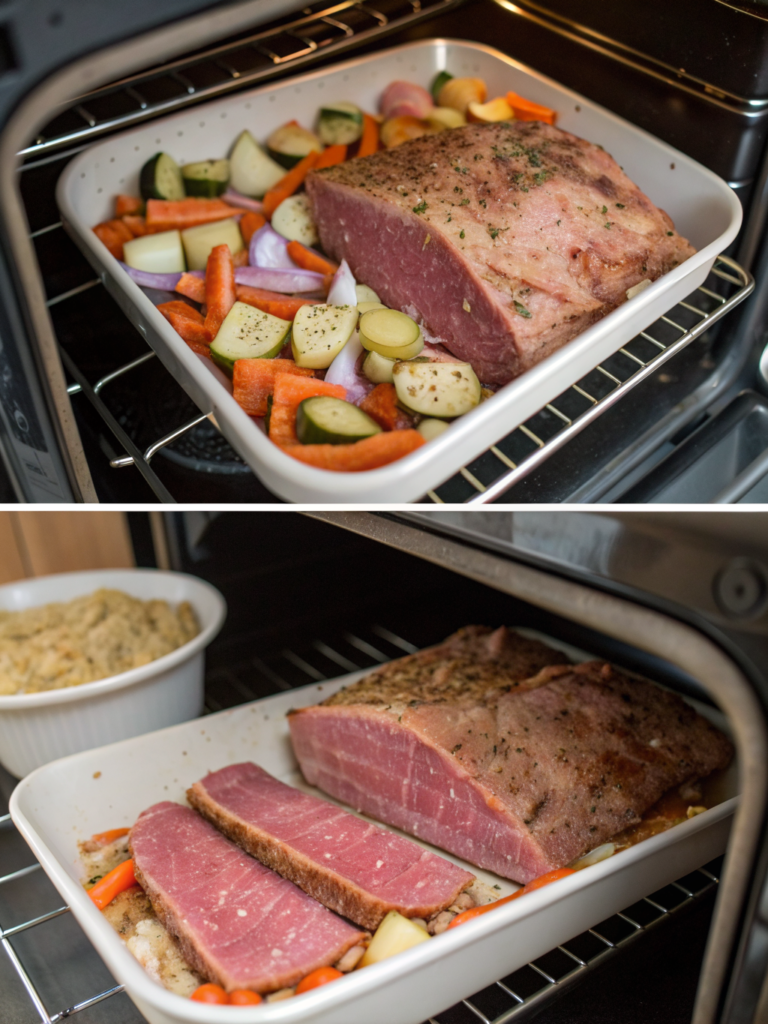
Rinse and season the brisket over a bed of aromatics, then cover it with broth and roast low and slow at 300°F until fork-tender. An optional honey-mustard glaze in the last 30 minutes adds a beautiful caramelized crust. Rest, then slice against the grain.
Make Ahead Method
- The brisket can be cooked up to 2 days ahead. Refrigerate whole in its cooking liquid, then slice and reheat gently before serving.
- Slicing ahead and storing in the broth keeps it moist — just warm gently before serving.
- Freezes well for up to 3 months, sliced or whole, stored in some of the cooking liquid.
10
servings15
minutes3
hours300
kcalFork-tender corned beef brisket, slow-roasted at 300F with an optional honey-mustard glaze.
Ingredients
3-4 lb corned beef brisket
1 packet pickling spices (usually included with the brisket)
4 cups beef broth
1 large onion, quartered
4 garlic cloves, smashed
2 bay leaves
1 tbsp brown sugar (optional)
1 tsp whole black peppercorns
2 tbsp whole grain mustard (for glazing, optional)
2 tbsp honey (for glazing, optional)
Directions
- Prepare the brisket. Rinse thoroughly under cold water to remove excess surface salt, then pat completely dry.
- Preheat and prepare. Preheat oven to 300F. Place the onion, garlic, and bay leaves in the bottom of a roasting pan.
- Position and season. Place the brisket fat-side up over the aromatics. Sprinkle with pickling spices, brown sugar, and peppercorns.
- Add liquid and cover. Pour beef broth around the brisket until it reaches halfway up the sides. Cover tightly with a lid or foil.
- Roast low and slow. Roast for about 3 hours, or 50-60 minutes per pound, until fork-tender.
- Glaze (optional). About 30 minutes before done, mix mustard and honey, brush over the brisket, and finish uncovered.
- Check doneness. The brisket is ready at 195-205F internal temperature, when a fork slides in easily.
- Rest. Transfer to a cutting board, tent with foil, and rest 15 minutes before slicing.
- Slice against the grain. Slice perpendicular to the muscle fibers in 1/4-inch slices and serve.
Notes
- Do not skip the rinse. It makes a real difference in how salty the final dish tastes. Keep the pan covered for at least the first 2.5 hours so the liquid does not evaporate and the bottom does not scorch. If you want the glaze, add it only in the last 30 minutes uncovered, or it will burn over a full 3 hour cook. Leftover cooking liquid is worth saving. Strain it and use it as a soup base, or reduce it into a sauce. Nutrition values are calculated per 4 ounce serving.
Nutritional Information
Understanding the nutritional profile helps you make informed dietary choices. A typical 4-ounce serving of oven roasted corned beef provides substantial protein along with essential vitamins and minerals.
Per 4-ounce serving:
- Calories: 280-320 (depending on fat content and trimming)
- Protein: 24-28 grams — excellent source of complete protein for muscle maintenance and repair
- Total Fat: 18-22 grams — includes both saturated and unsaturated fats
- Saturated Fat: 6-8 grams — about 30-40% of recommended daily intake
- Cholesterol: 85-95 mg — approximately 28-32% of daily recommended value
- Sodium: 900-1200 mg — the brining process makes corned beef naturally high in sodium
- Carbohydrates: 1-2 grams — minimal carbs make this suitable for low-carb diets
- Iron: 15-20% DV — excellent source of heme iron, which is highly bioavailable
- Vitamin B12: 25-30% DV — essential for nerve function and red blood cell formation
- Zinc: 20-25% DV — important for immune function and wound healing
Corned beef is particularly rich in B vitamins, especially B12, which is only found naturally in animal products. The protein content supports satiety, making this a filling meal that keeps you satisfied for hours.
The sodium content is the primary nutritional concern. Those monitoring salt intake should rinse the brisket thoroughly before cooking and avoid adding extra salt during preparation. The cooking liquid can be discarded to reduce overall sodium consumption.
Healthier Alternatives for the Recipe
Making thoughtful modifications can reduce calories, sodium, and fat while maintaining the delicious flavor that makes this dish special. These alternatives accommodate various dietary preferences without sacrificing taste.
- Reduce Sodium: Soak the brisket in cold water for 2-3 hours before cooking, changing the water twice. This leaches out excess salt from the brining process, reducing sodium content by up to 30% without affecting flavor significantly.
- Lower Fat Content: Choose a flat cut brisket rather than point cut, as it contains less marbling. After cooking, trim visible fat before slicing. Refrigerating the cooking liquid allows fat to solidify on top for easy removal.
- Add More Vegetables: Bulk up your meal with nutrient-dense vegetables like carrots, parsnips, turnips, and cabbage. Adding vegetables increases fiber content and creates a more balanced, filling meal with fewer calories per serving.
- Use Low-Sodium Broth: Substitute regular beef broth with low-sodium or no-salt-added versions. You can also use half broth and half water to further reduce sodium while maintaining moisture.
- Skip the Glaze: While delicious, the honey-mustard glaze adds extra sugar and calories. The meat is flavorful enough on its own, especially when properly seasoned with the pickling spices.
- Portion Control: Serve 3-ounce portions instead of 4-6 ounces. Pair with generous amounts of vegetables to create a satisfying plate with better nutritional balance and fewer calories overall.
Serving Suggestions
Presentation and accompaniments elevate your corned beef recipe from simple to spectacular. These creative serving ideas help you customize the dish for any occasion or preference.
- Classic Irish-Style: Serve alongside boiled or roasted cabbage wedges, baby potatoes, and glazed carrots.
- Reuben-Inspired: Slice thin and serve on toasted rye bread with Swiss cheese, sauerkraut, and thousand island dressing.
- Hash for Breakfast: Dice leftover corned beef and crisp it in a skillet with diced potatoes and onions, topped with eggs.
- Grain Bowl: Slice and serve over quinoa or brown rice with roasted vegetables, pickled onions, and mustard vinaigrette.
- Platter Style: Arrange sliced meat on a platter surrounded by roasted root vegetables, pickles, whole grain mustard, and horseradish sauce.
- With Creamy Sauce: Serve with a mustard cream sauce made from the cooking liquid, heavy cream, and Dijon mustard.
Common Mistakes to Avoid
Learning from common pitfalls ensures success on your first attempt. These insights come from both culinary science and practical experience with this beloved dish.
- Not Rinsing the Brisket: Skipping this step leaves excess surface salt that can make the dish unpalatably salty. Always rinse thoroughly under cold running water for at least 30 seconds.
- Cooking at Too High Temperature: Temperatures above 325°F cause the exterior to overcook before the interior becomes tender. The low-and-slow method at 300°F is essential.
- Insufficient Liquid: Not adding enough broth causes the bottom to burn and prevents proper steam circulation. The liquid should reach halfway up the sides of the meat.
- Removing the Cover Too Early: Opening the oven or removing the foil releases moisture and heat. Keep covered for at least the first 2.5 hours.
- Slicing With the Grain: Cutting parallel to the muscle fibers results in chewy, tough slices even when properly cooked. Always slice perpendicular to the grain.
- Skipping the Resting Period: Cutting immediately after cooking causes juices to run out onto the cutting board instead of staying in the meat. Rest for at least 15 minutes before slicing.
Conclusion: Bringing It All Together
Corned beef in the oven is one of those recipes that rewards patience with genuinely impressive results — a beautiful centerpiece that’s just as at home on a holiday table as it is on a regular Sunday.
Once you’ve made it low and slow with the glaze, you’ll understand why this method beats boiling every time. Keep the leftovers in mind too — a Reuben sandwich or corned beef hash the next day is almost as good as the main event.
FAQ
Can I cook corned beef in the oven without a rack?
Yes — just place it directly in the roasting pan over the aromatics. The broth keeps everything moist regardless of whether you use a rack.
Do I need to use the spice packet that comes with the brisket?
It’s recommended for the classic flavor, but you can substitute your own blend of mustard seeds, coriander, peppercorns, and bay leaves if you prefer.
Can I cook corned beef ahead of time for a party?
Yes — it actually reheats beautifully. Cook up to 2 days ahead, refrigerate whole in its liquid, then slice and gently reheat before serving.
What’s the difference between flat cut and point cut brisket?
Flat cut is leaner and slices more uniformly, while point cut has more marbling and fat, making it richer but less tidy to slice.
Why is my corned beef tough even after 3 hours?
It likely needs more time, not less. Every brisket is different — continue cooking in 30-minute increments until a fork slides in easily.
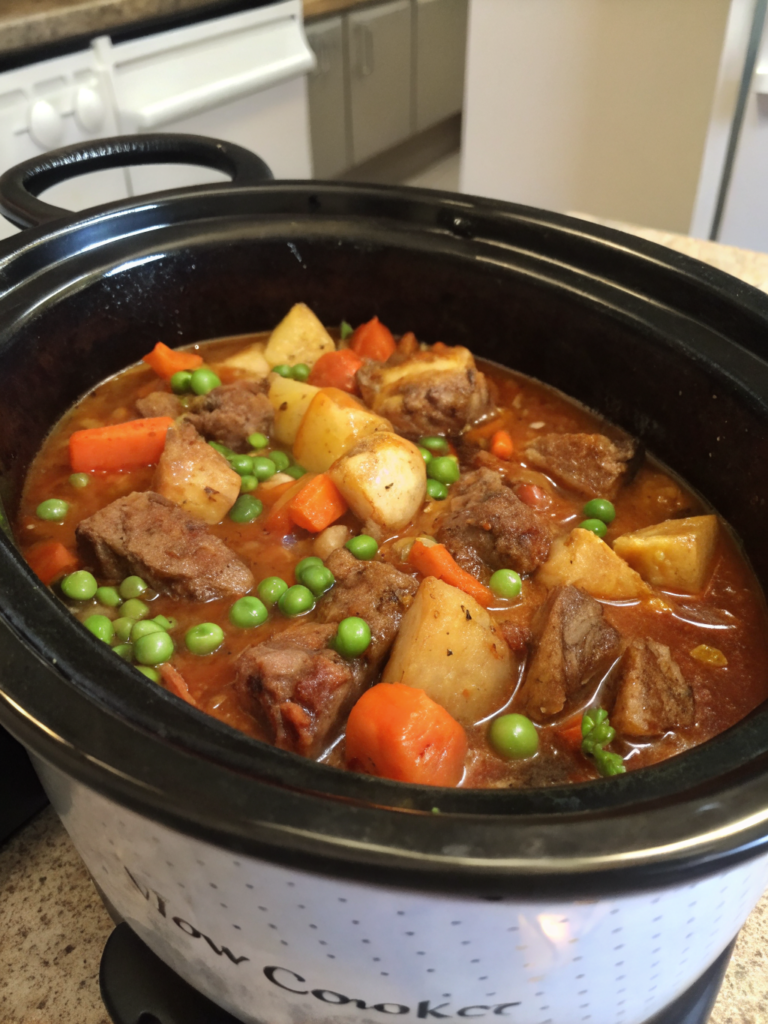
Can I make this in a slow cooker instead?
Yes — cook on low for 8-10 hours using the same aromatics and broth ratio, though the oven method gives more control over glazing.
How do I store and reheat leftovers?
Refrigerate sliced or whole in some of the cooking liquid for up to 4 days. Reheat gently on the stovetop or in a low oven to avoid drying it out.
Can I freeze corned beef?
Yes — freeze sliced or whole, stored in some cooking liquid, for up to 3 months. Thaw overnight in the fridge before reheating.
What can I do with the leftover cooking liquid?
Strain it and use it as a flavorful base for soups, or reduce it on the stovetop into a rich sauce to serve alongside the meat.
Try These Next
Did You Try Our Recipes?
Best recipe ever
I love it, absolutely delicious