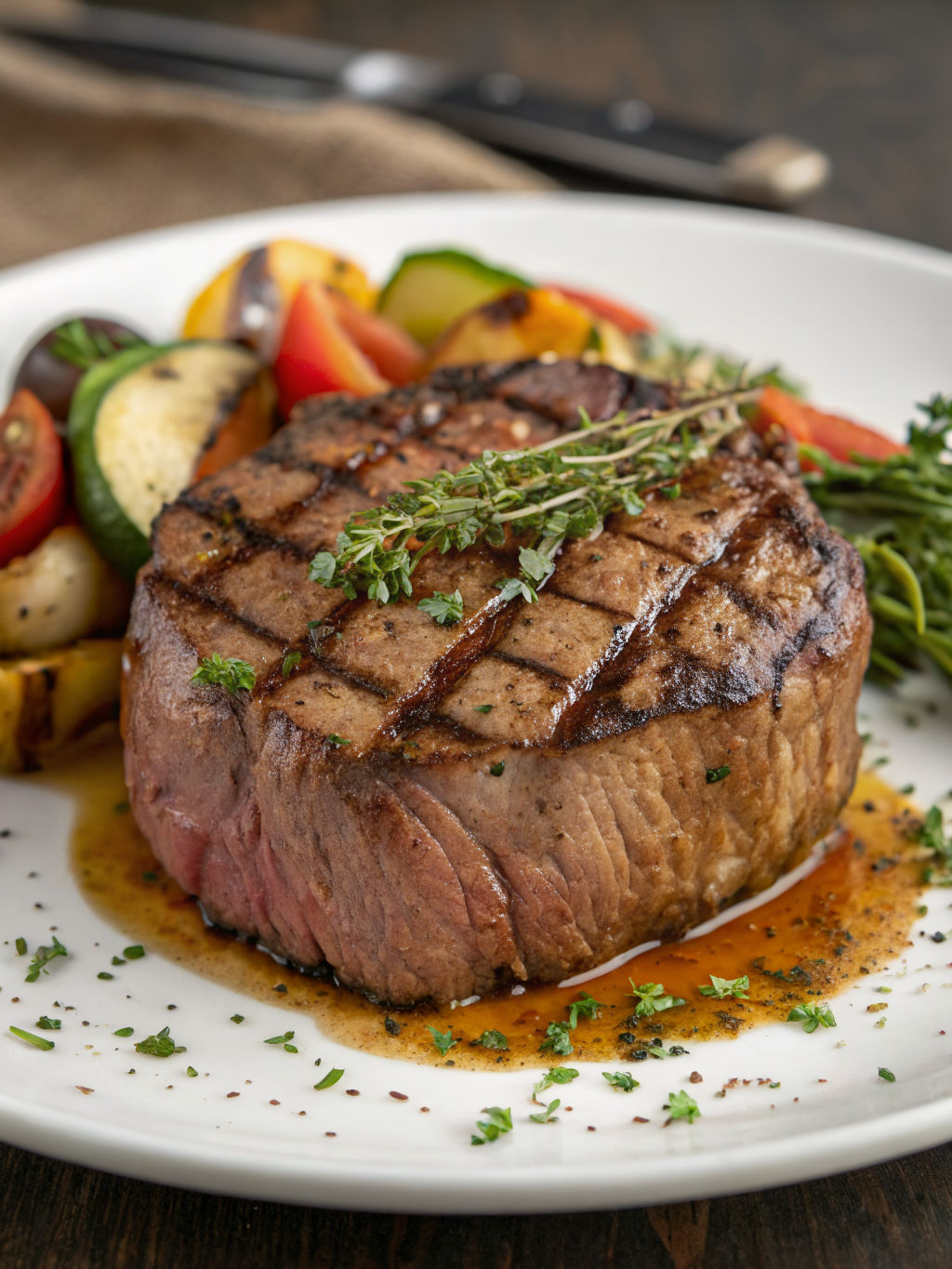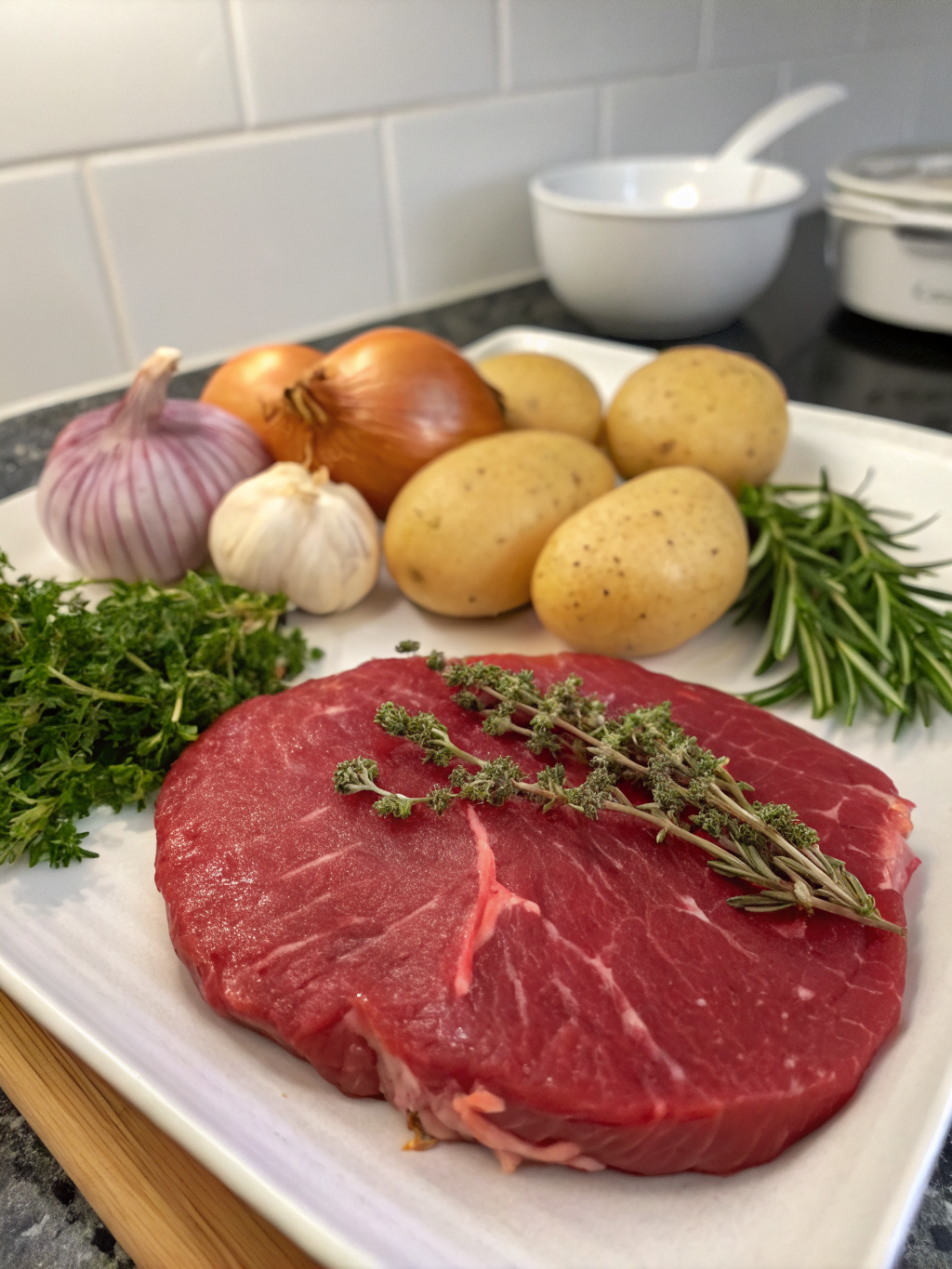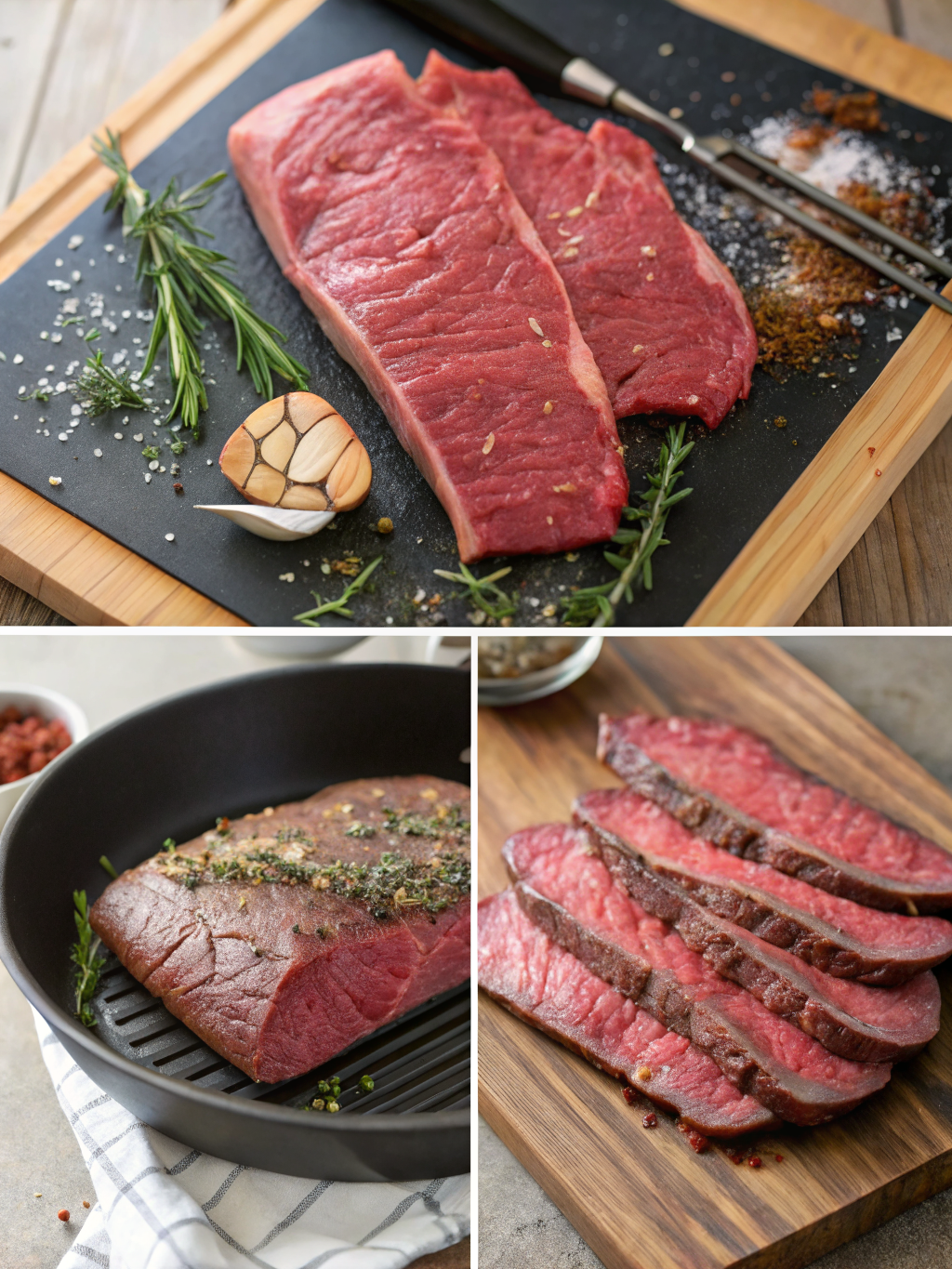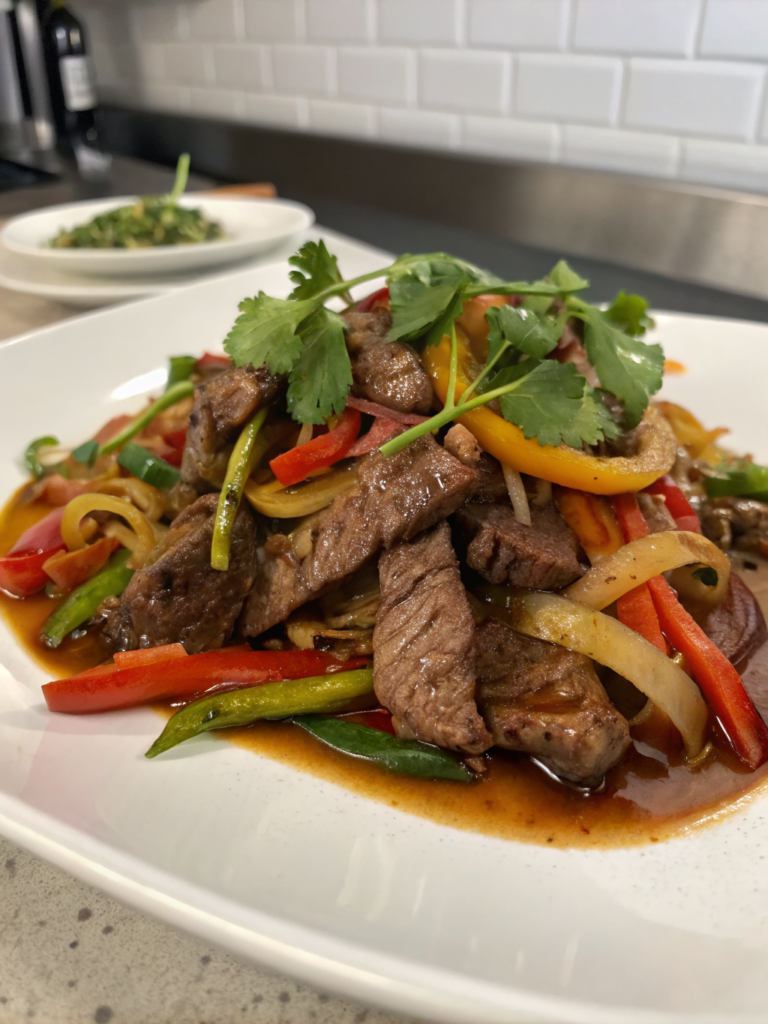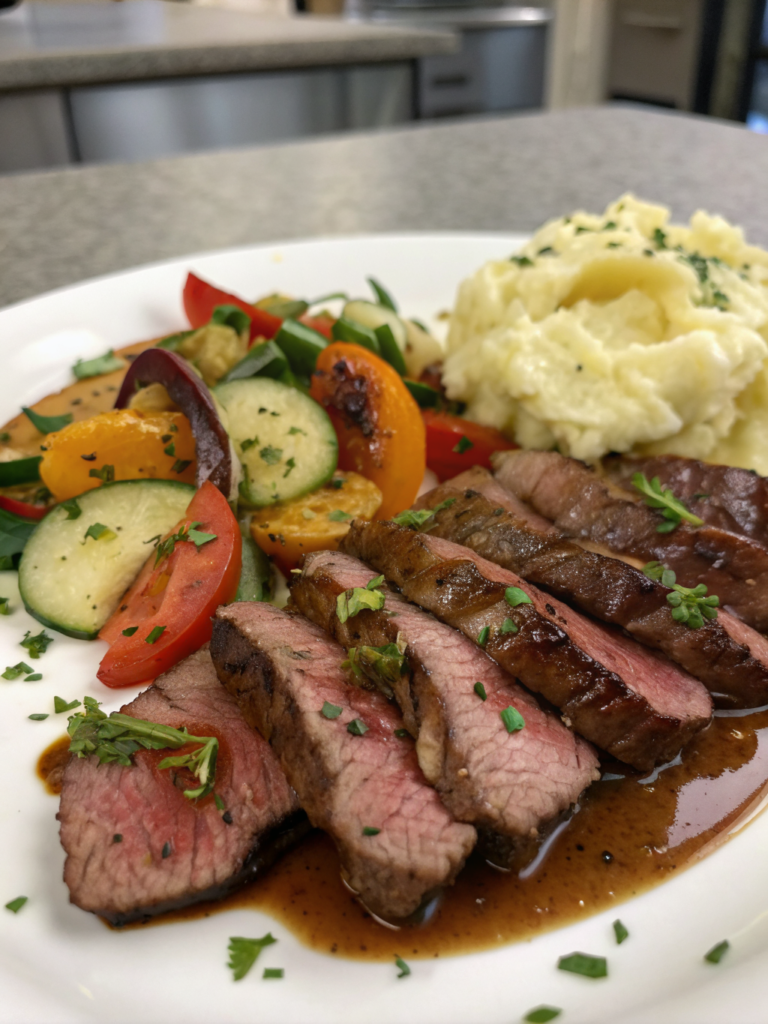
Beef Round Steak Recipes for Tender, Flavorful Results Every Time

Have you ever wondered why your beef round steak turns out tough and chewy instead of tender and delicious? Many home cooks struggle with this lean, budget-friendly cut, often giving up after disappointing results. The secret lies in understanding proper cooking techniques and preparation methods that transform this economical cut into a mouthwatering meal your family will request again and again.
Learning how to master beef round steak opens up a world of affordable, protein-rich dinner options. This comprehensive guide will walk you through everything you need to know about selecting, preparing, and cooking beef round steak to perfection. Whether you’re working with top round, bottom round, or eye of round, these techniques guarantee tender, flavorful results every single time.
Round steak comes from the rear leg of the cow, making it naturally lean with less marbling than premium cuts. While this means fewer calories and less fat, it also requires specific cooking methods to break down the tough muscle fibers. With the right approach, you’ll discover that beef round steak can rival more expensive cuts in taste and texture.
Ingredients List

For this classic braised beef round steak recipe that serves 4-6 people, gather these essential ingredients:
- 2 pounds beef round steak (top round or bottom round, about 3/4-inch thick) – the star of your dish
- 1/3 cup all-purpose flour – for dredging and creating a flavorful crust
- 2 teaspoons salt – enhances natural beef flavors
- 1 teaspoon black pepper – adds subtle heat and depth
- 1 teaspoon garlic powder – provides aromatic complexity
- 1 teaspoon onion powder – contributes savory sweetness
- 3 tablespoons vegetable oil – for searing (substitute with olive oil or avocado oil)
- 1 large yellow onion – sliced thin for caramelized sweetness
- 3 cloves fresh garlic – minced for pungent flavor
- 2 cups beef broth – creates rich braising liquid (low-sodium option available)
- 1 can (14.5 oz) diced tomatoes – adds acidity and body
- 2 tablespoons Worcestershire sauce – delivers umami depth
- 1 teaspoon dried thyme – provides earthy notes
- 2 bay leaves – infuses subtle herbal flavor
- 2 tablespoons cornstarch – for thickening the sauce (optional)
Feel free to customize with mushrooms, carrots, or bell peppers for added nutrition and color. For a wine-enriched version, substitute half the beef broth with red wine. Those following gluten-free diets can use cornstarch or gluten-free flour for dredging.
Timing
Understanding the time investment helps you plan your meal preparation effectively. This recipe requires approximately 2 hours and 30 minutes total, broken down as follows:
Preparation Time: 15 minutes for trimming, pounding, and gathering ingredients
Cooking Time: 2 hours and 15 minutes, including searing and braising
Total Time: 2 hours and 30 minutes from start to finish
While this may seem lengthy, the hands-on time is only about 25 minutes. The remaining time involves slow braising, which requires minimal attention and fills your kitchen with incredible aromas. This represents approximately 15% less cooking time than traditional pot roast recipes while delivering comparable tenderness.
Step-by-Step Instructions

Step 1: Prepare the Beef Round Steak
Remove the beef round steak from refrigeration 20 minutes before cooking to bring it to room temperature. This ensures even cooking throughout. Pat the meat completely dry with paper towels, as moisture prevents proper browning.
Using a meat mallet or the edge of a sturdy plate, pound the steak to about 1/2-inch thickness. This mechanical tenderization breaks down tough connective tissues and creates a more uniform thickness for even cooking. If your steak is particularly large, cut it into 4-6 serving-sized portions.
Step 2: Season and Dredge
In a shallow dish, combine flour, salt, black pepper, garlic powder, and onion powder. Mix thoroughly to distribute seasonings evenly. Dredge each piece of steak in the seasoned flour mixture, pressing firmly to ensure good adhesion on both sides.
Shake off excess flour and place the coated steaks on a clean plate. This coating creates a flavorful crust during searing and helps thicken the braising liquid later. Let the dredged steaks rest for 5 minutes, allowing the coating to adhere better.
Step 3: Sear the Steak
Heat vegetable oil in a large, heavy-bottomed skillet or Dutch oven over medium-high heat until shimmering. Working in batches to avoid overcrowding, carefully place the steaks in the hot oil. Sear for 3-4 minutes per side until a rich golden-brown crust forms.
Don’t move the steaks while searing—patience creates that beautiful caramelization. Transfer seared steaks to a plate and set aside. The meat won’t be fully cooked at this stage, which is perfectly normal.
Step 4: Build the Braising Base
In the same pan with the flavorful browned bits, add sliced onions. Sauté for 4-5 minutes until softened and beginning to caramelize. Add minced garlic and cook for 30 seconds until fragrant, stirring constantly to prevent burning.
These aromatics form the foundation of your sauce. The onions will sweeten considerably during the long braising process, creating depth and complexity in the final dish.
Step 5: Create the Braising Liquid
Pour in beef broth, scraping the bottom of the pan vigorously with a wooden spoon to release all those delicious browned bits. This process, called deglazing, incorporates concentrated flavor into your sauce. Add diced tomatoes with their juices, Worcestershire sauce, dried thyme, and bay leaves.
Stir everything together and bring the mixture to a gentle simmer. Taste and adjust seasoning if needed, though remember that flavors will concentrate during braising.
Step 6: Braise the Steak
Return the seared steaks to the pan, nestling them into the braising liquid. The liquid should come about halfway up the sides of the meat. If needed, add a bit more broth or water.
Reduce heat to low, cover the pan with a tight-fitting lid, and simmer gently for 1.5 to 2 hours. Check occasionally to ensure the liquid maintains a gentle bubble. The steak is done when fork-tender and easily pulls apart.
Step 7: Finish the Sauce
Remove the tender steaks to a serving platter and tent loosely with foil to keep warm. Remove and discard bay leaves from the sauce. If you prefer a thicker gravy, mix 2 tablespoons cornstarch with 2 tablespoons cold water to create a slurry.
Stir the slurry into the simmering sauce and cook for 2-3 minutes until thickened to your desired consistency. Pour the rich, flavorful sauce over the steaks before serving.
Nutritional Information
Understanding the nutritional profile of this tender beef round steak recipe helps you make informed dietary choices. Per serving (based on 6 servings), this recipe provides approximately:
Calories: 340 calories per serving, making it a moderate-calorie main dish that fits well into balanced meal plans.
Protein: 38 grams of high-quality complete protein, supporting muscle maintenance and satiety. This represents approximately 76% of the daily recommended intake for average adults.
Total Fat: 12 grams, with only 3 grams of saturated fat. Round steak is naturally lean, containing significantly less fat than ribeye or T-bone cuts.
Carbohydrates: 18 grams, primarily from the flour coating, tomatoes, and onions. This includes 2 grams of dietary fiber.
Sodium: 780 milligrams, which can be reduced by using low-sodium broth and reducing added salt. This represents about 34% of the recommended daily limit.
Iron: 4.2 milligrams (23% DV), as beef is an excellent source of heme iron, which is more readily absorbed than plant-based iron sources.
Vitamin B12: 2.8 micrograms (117% DV), essential for nerve function and red blood cell formation.
The nutritional density of beef round steak makes it an excellent choice for those seeking high protein with moderate calories and fat. Compared to fattier cuts, round steak provides similar protein levels with approximately 40% less total fat.
Healthier Alternatives for the Recipe
While this recipe is already relatively healthy due to the lean nature of round steak, several modifications can further enhance its nutritional profile without sacrificing flavor:
Reduce Sodium: Use low-sodium or no-salt-added beef broth and reduce added salt by half. Season with herbs like rosemary, oregano, or Italian seasoning for flavor without sodium. This modification can reduce sodium content by up to 40%.
Increase Vegetables: Add sliced carrots, celery, mushrooms, and bell peppers to the braising liquid. This boosts fiber, vitamins, and minerals while adding volume and visual appeal. Aim for at least 2 cups of mixed vegetables per recipe.
Use Whole Wheat Flour: Substitute all-purpose flour with whole wheat flour for dredging. This adds fiber and nutrients while maintaining the coating’s texture. Whole wheat flour provides 3 times more fiber than white flour.
Skip the Flour Entirely: For a lower-carb, gluten-free option, skip the dredging step altogether. Simply season the meat well and sear it directly. Thicken the sauce with a cornstarch slurry or pureed vegetables instead.
Add Legumes: Incorporate white beans or lentils during the last 30 minutes of braising. This creates a complete one-pot meal with additional fiber and plant-based protein.
Use Heart-Healthy Oils: Replace vegetable oil with extra virgin olive oil or avocado oil, which contain beneficial monounsaturated fats and antioxidants.
Serving Suggestions
The versatility of braised beef round steak allows for countless serving possibilities that complement its rich, savory flavors:
Classic Comfort: Serve over creamy mashed potatoes or buttery egg noodles, allowing the thick gravy to soak into every bite. This traditional presentation never fails to satisfy and works perfectly for Sunday dinners.
Healthy Grain Bowls: Slice the tender steak and arrange it over quinoa, brown rice, or cauliflower rice. Add roasted vegetables and a drizzle of the braising sauce for a nutritious, Instagram-worthy meal.
Sandwich Creation: Shred leftover steak and pile it onto crusty rolls with caramelized onions and melted provolone for incredible steak sandwiches. The tender meat and flavorful sauce create the perfect filling.
Low-Carb Option: Pair with roasted Brussels sprouts, steamed green beans, or sautéed zucchini noodles for a lighter, carb-conscious meal that doesn’t compromise on satisfaction.
Rustic Presentation: Serve family-style in the Dutch oven it was cooked in, surrounded by roasted root vegetables like parsnips, turnips, and potatoes. This creates a beautiful, homey presentation perfect for gatherings.
International Twist: Serve over polenta or grits for an Italian-inspired variation, or pair with crusty bread to soak up every drop of the delicious sauce.
Common Mistakes to Avoid
Even experienced cooks can encounter challenges when preparing beef round steak. Avoid these common pitfalls to ensure success every time:
- Cooking at Too High Temperature: High heat toughens round steak rather than tenderizing it. Always braise at low temperatures with gentle simmering. Rapid boiling causes proteins to contract and become chewy.
- Skipping the Pounding Step: Failing to mechanically tenderize the meat before cooking results in tougher texture. Take the extra 3 minutes to pound the steak—it makes a significant difference in the final result.
- Not Browning Properly: Inadequate searing means missing out on the Maillard reaction, which creates depth of flavor. Ensure your pan is hot enough and don’t crowd the meat during searing.
- Insufficient Braising Time: Rushing the cooking process leaves you with tough, chewy meat. Round steak needs at least 1.5 hours of gentle braising to break down collagen into tender, succulent gelatin.
- Using Too Little Liquid: The braising liquid should come halfway up the sides of the meat. Too little liquid leads to dry, tough results and may cause burning.
- Cutting Against the Grain: Always slice beef round steak perpendicular to the muscle fibers. Cutting with the grain results in stringy, difficult-to-chew pieces, even when properly cooked.
Did You Try Our Recipes?
There are no reviews yet. Be the first one to write one.