Beef Osso Bucco Recipe
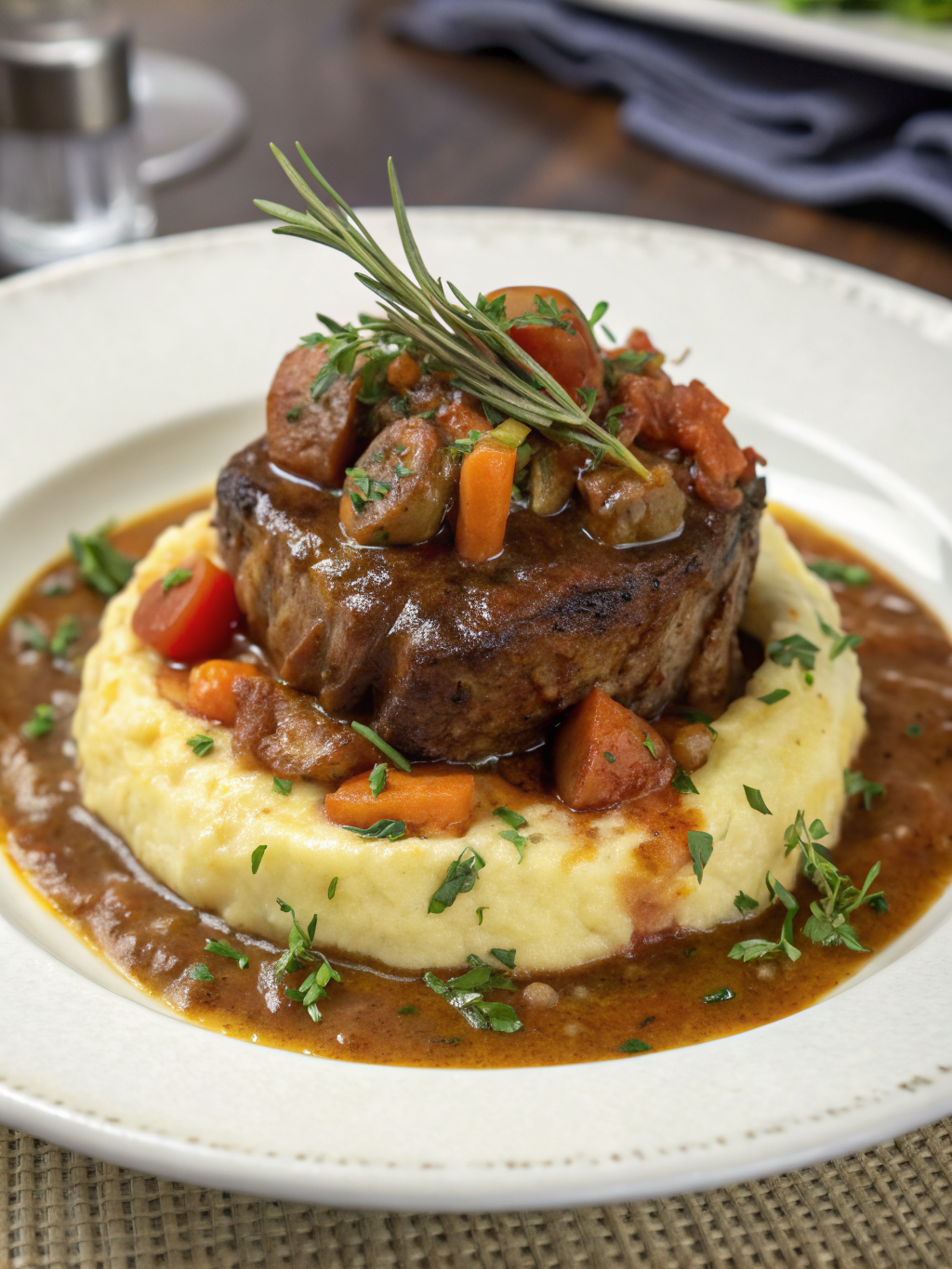
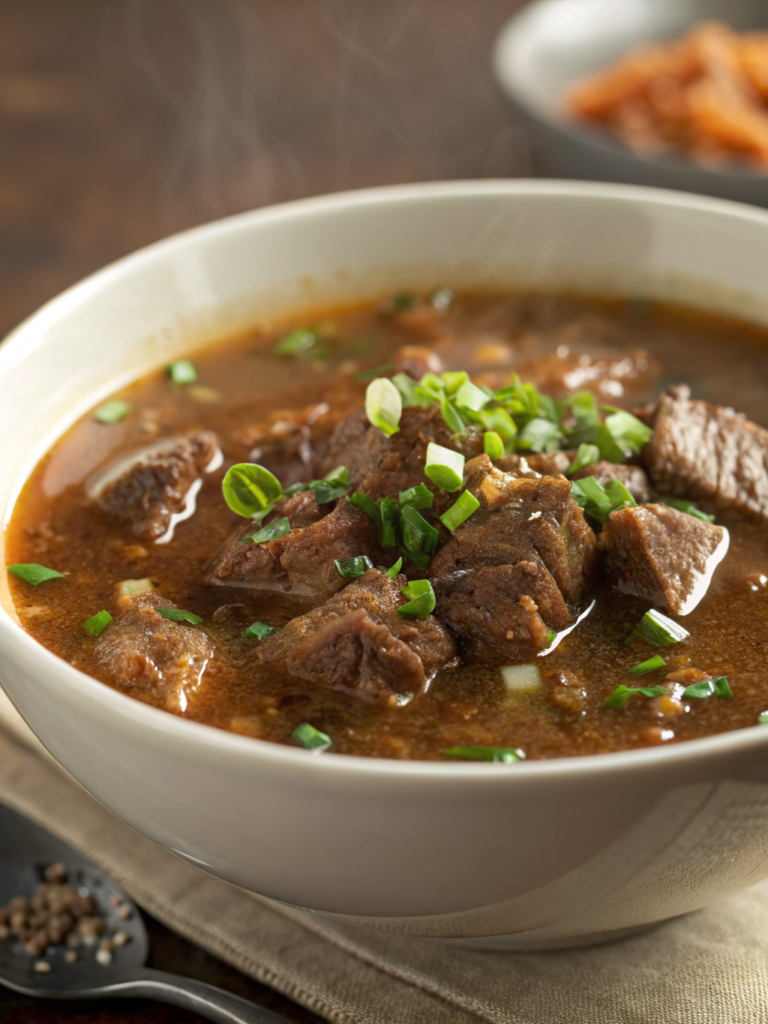
This beef osso bucco recipe braises beef shanks in white wine and tomato until fall-off-the-bone tender, finished with a bright gremolata. Genuinely restaurant quality.
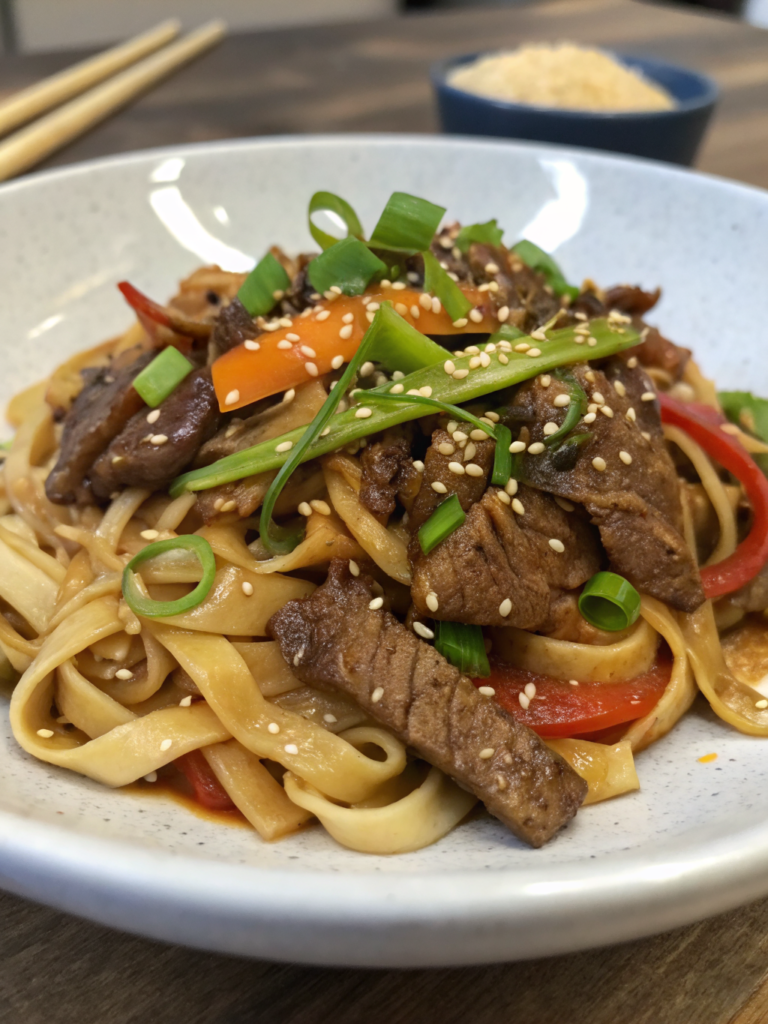
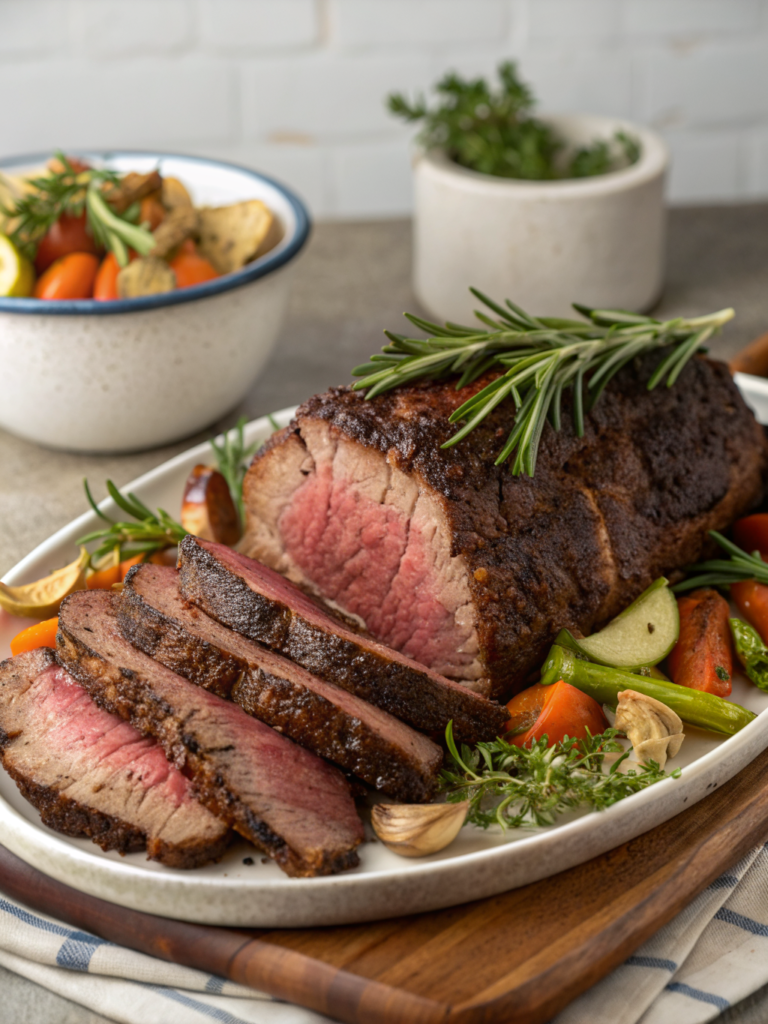
Once you try this beef osso bucco recipe, try my Braised Beef Shank or Beef and Noodles next for more slow-braised comfort food!
Why This Beef Osso Bucco Recipe Is Worth the Wait
Osso bucco means bone with a hole, and that marrow-filled center is genuinely half the reason this dish works. As the shanks braise, the marrow melts into the sauce, adding a richness that plain beef broth alone cannot replicate.
The gremolata at the end is not optional if you want the full experience, that bright hit of lemon and parsley is what keeps this rich, slow-cooked dish from feeling heavy.
Ingredients
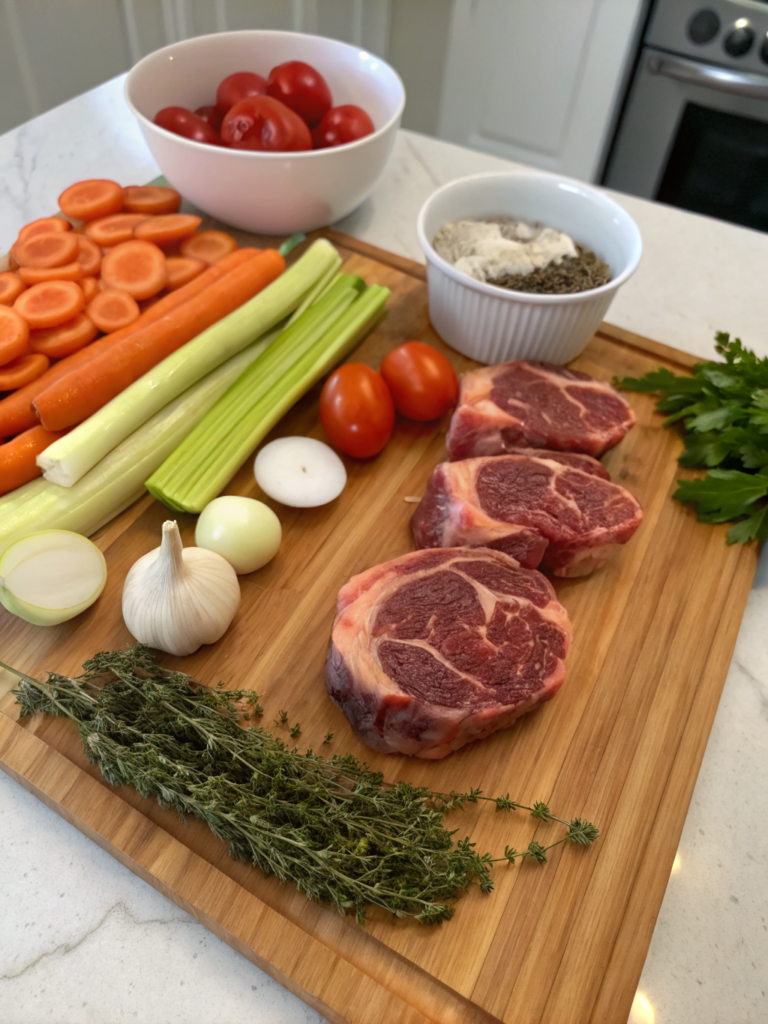
Gathering quality ingredients is the foundation of this beef osso bucco recipe. Here is everything you need to serve 4-6 people.
How to Make It
This is just the overview. Scroll down to the recipe card for exact measurements and timing.
Dredge and sear the shanks, then build a soffritto of onion, carrot, and celery in the same pot. Deglaze with wine, add stock and tomatoes, then braise low and slow in the oven until fork-tender. Finish with fresh gremolata.
Make Ahead Method
- This dish tastes even better the next day, once the flavors have had time to meld. Make it up to 2 days ahead and reheat gently.
- The gremolata is best made fresh right before serving, since the lemon zest and parsley lose brightness if made too far ahead.
- Freezes well for up to 3 months, stored in the braising liquid to keep it moist.

4
servings30
minutes40
minutes300
kcalFall-off-the-bone beef shanks braised in white wine and tomato, finished with a bright gremolata.
Ingredients
4-6 beef shanks, about 1.5 inches thick, 3-4 lbs total
1/2 cup all-purpose flour, for dredging
3 tbsp olive oil
2 tbsp butter
1 large onion, diced
2 large carrots, diced
3 celery stalks, diced
6 garlic cloves, minced
2 cups dry white wine
2 cups beef stock
1 can (14 oz) crushed tomatoes
3 sprigs fresh thyme
2 bay leaves
1 tsp salt
1/2 tsp black pepper
Zest of 1 lemon, for gremolata
1/4 cup fresh parsley, finely chopped, for gremolata
Directions
- Prepare the shanks. Pat dry, season with salt and pepper, and dredge in flour, shaking off excess. Tie kitchen twine around each shank if needed.
- Sear. Preheat oven to 325F. Heat oil and butter in a Dutch oven, sear shanks in batches 4-5 minutes per side until deeply browned. Set aside.
- Build the aromatics. Saute onion, carrot, and celery 6-8 minutes. Add garlic, cook 1 minute more.
- Deglaze. Add wine, scraping up browned bits, and simmer 3-4 minutes. Add stock, tomatoes, thyme, and bay leaves.
- Braise. Return shanks to the pot, liquid should reach halfway up the sides. Cover and braise in the oven 2 to 2.5 hours, until fork-tender.
- Make the gremolata. Combine parsley, lemon zest, and one minced garlic clove in a small bowl.
- Finish and serve. Discard thyme and bay leaves. Reduce the sauce on the stovetop if needed. Serve shanks with sauce and a sprinkle of gremolata.
Notes
- Do not rush the searing step, it builds real flavor that the braise alone cannot replicate. Provide small spoons at the table so guests can scoop the marrow from the bone.
For food safety, beef should reach a minimum internal temperature of 145°F with a 3-minute rest (USDA guidelines), though this braise is cooked well past that until fall-apart tender.
Nutritional Information
This beef osso bucco recipe provides substantial nutrition. Per serving, based on 6 servings:
- Calories: 485 | Protein: 42g | Fat: 24g | Carbohydrates: 18g | Fiber: 3g | Sodium: 680mg
Beef shanks are rich in collagen, which converts to gelatin during cooking, providing amino acids that support joint health, skin elasticity, and gut function. The bone marrow offers vitamins A, E, and K2, along with essential fatty acids. The vegetables contribute vitamins C and A, while tomatoes provide lycopene, a powerful antioxidant.
Healthier Alternatives for the Recipe
Several modifications can enhance this dish’s health profile without sacrificing flavor.
- Reduce Fat Content: Trim visible fat before cooking. Refrigerate overnight and lift off the solidified fat, reducing fat content by about 30 percent.
- Increase Vegetable Content: Double the carrots and celery, and add bell peppers, zucchini, or mushrooms for more fiber and volume.
- Use Bone Broth: Replace regular beef stock with bone broth for additional collagen and minerals.
- Lower Sodium: Use low-sodium broth and crushed tomatoes, relying on herbs and spices for flavor.
- Gluten-Free Adaptation: Replace all-purpose flour with rice flour or a gluten-free blend for dredging.
- Alcohol-Free Option: Substitute the wine with additional broth plus 2 tablespoons white wine vinegar or lemon juice.
Serving Suggestions
The right accompaniments transform this into a memorable dining experience.
- Classic Risotto Milanese: Creamy saffron risotto soaks up the rich braising liquid perfectly.
- Creamy Polenta: Soft, buttery polenta provides a comforting base for the tender meat.
- Mashed Potatoes: A luxurious bed that contrasts nicely with the tender meat.
- Fresh Pasta: Wide pappardelle or tagliatelle tossed with the braising liquid make an elegant presentation.
- Crusty Bread: Essential for sopping up every last drop of sauce.
Common Mistakes to Avoid
Understanding these common pitfalls with this beef osso bucco recipe helps you achieve consistently tender, flavorful results.
- Skipping the Searing Step: This eliminates crucial flavor development. Take the extra 10 minutes to properly brown the shanks on all sides.
- Cooking at Too High a Temperature: Braising requires low, gentle heat. Above 325F can cause the meat to toughen rather than tenderize.
- Not Using Enough Liquid: The shanks should be about halfway submerged. Insufficient liquid leads to uneven cooking and scorching.
- Overcrowding the Pot When Searing: Crowding causes steaming instead of browning. Sear in batches if necessary.
- Rushing the Braising Time: Beef shank needs patience. Cutting the time short means the collagen has not fully broken down into gelatin.
- Skipping the Gremolata: This bright garnish balances the rich sauce. Leaving it out makes the dish feel heavier than it needs to.
- Not Tasting and Adjusting: The reduction process concentrates flavors. Always taste the sauce before serving and adjust seasoning as needed.
Storing Tips for the Recipe
Proper storage keeps this beef osso bucco recipe tasting great for days after cooking.
- Refrigerator Storage: Cool completely, then store the meat in its sauce in an airtight container for up to 4 days.
- Freezer Storage: Freeze in the sauce for up to 3 months, thawing overnight in the fridge before reheating.
- Reheating: Warm gently on the stovetop or in a low oven, using low heat to avoid drying out the meat.
Conclusion: A Showstopper Worth the Time
This beef osso bucco recipe genuinely earns its place as a special-occasion centerpiece, though the actual hands-on effort is fairly minimal once it goes into the oven. The marrow, the gremolata, and the deeply reduced sauce all come together into something that feels far more impressive than the work involved.
Once you have made it once, the technique becomes familiar, and it earns a real place in your rotation for dinner parties or a special Sunday meal.
FAQ
How long should I cook beef shanks?
Cook beef shanks for about two hours. This slow cooking method makes the meat tender and delicious.
Can I use beef shanks in soup?
Yes, beef shanks are great for soups and stews. They add rich flavor and a hearty texture.
What is the best osso buco recipe?
The top osso buco recipe involves slow-cooking beef shanks in white wine and tomato sauce. Add fresh herbs and serve with gremolata.
How do I ensure my osso buco is tender?
For tender osso buco, use braising techniques. Brown the meat first and then cook it slowly to soften the fibers.
What seasonings work best for osso buco?
Key seasonings for osso buco are salt, pepper, thyme, rosemary, and bay leaves. They boost the beef’s flavor without overpowering it.
Can I make osso buco in a slow cooker?
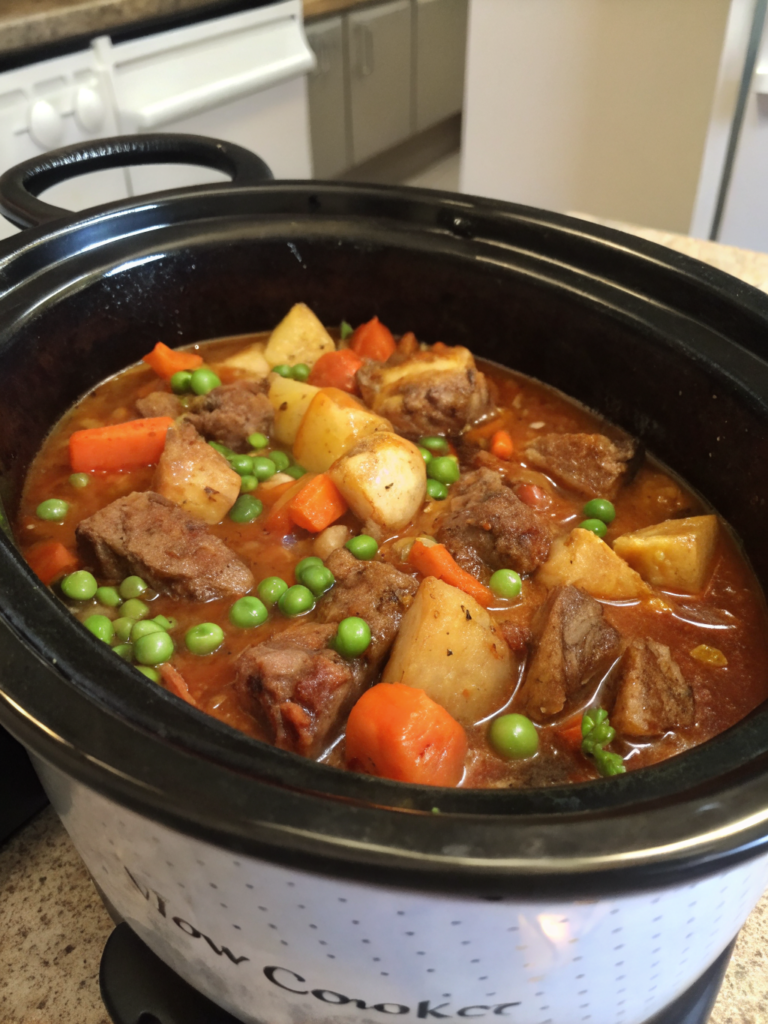
Yes, a slow cooker is perfect for osso buco. It cooks the meat slowly, making it tender and flavorful.
What side dishes pair well with osso buco?
Mashed potatoes and fresh vegetables are great with osso buco. They complement its rich flavors.
How should I store leftover beef shanks?
Cool the meat and sauce separately in airtight containers. This keeps the texture and flavor of the beef shanks.
What are common mistakes to avoid when cooking osso buco?
Avoid skipping the searing step, which reduces flavor. Also, do not overcook the meat, which can make it dry.
Try These Next
Did You Try Our Recipes?
Best recipe ever
I love it, absolutely delicious