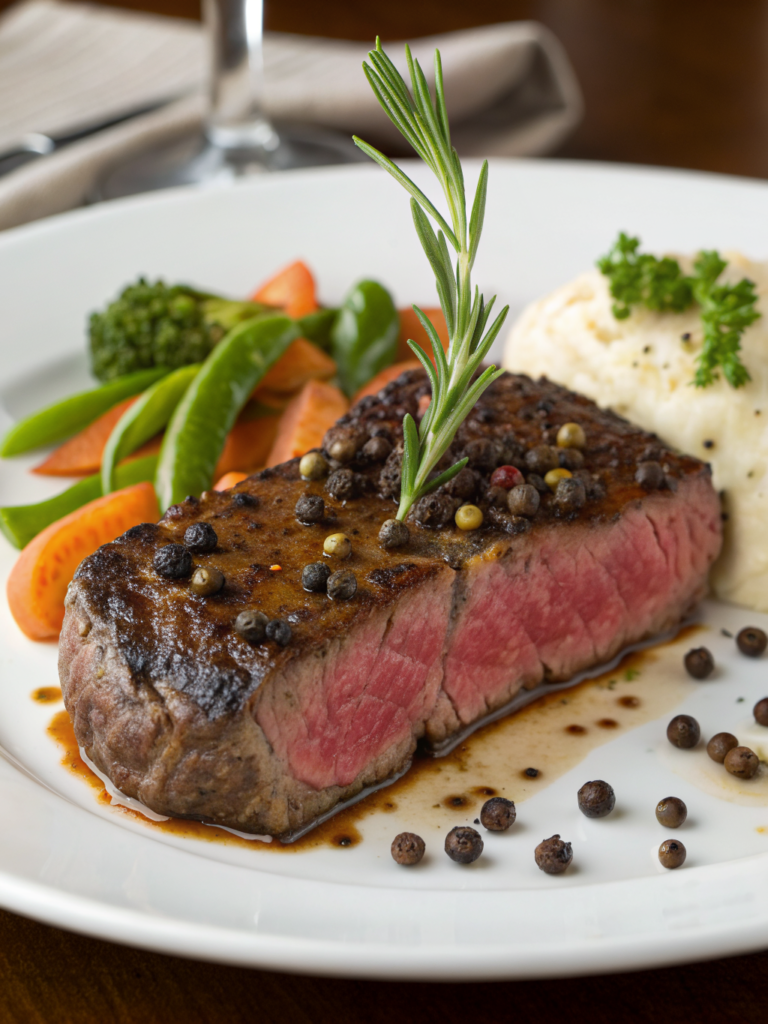
Flat Iron Steak in Oven
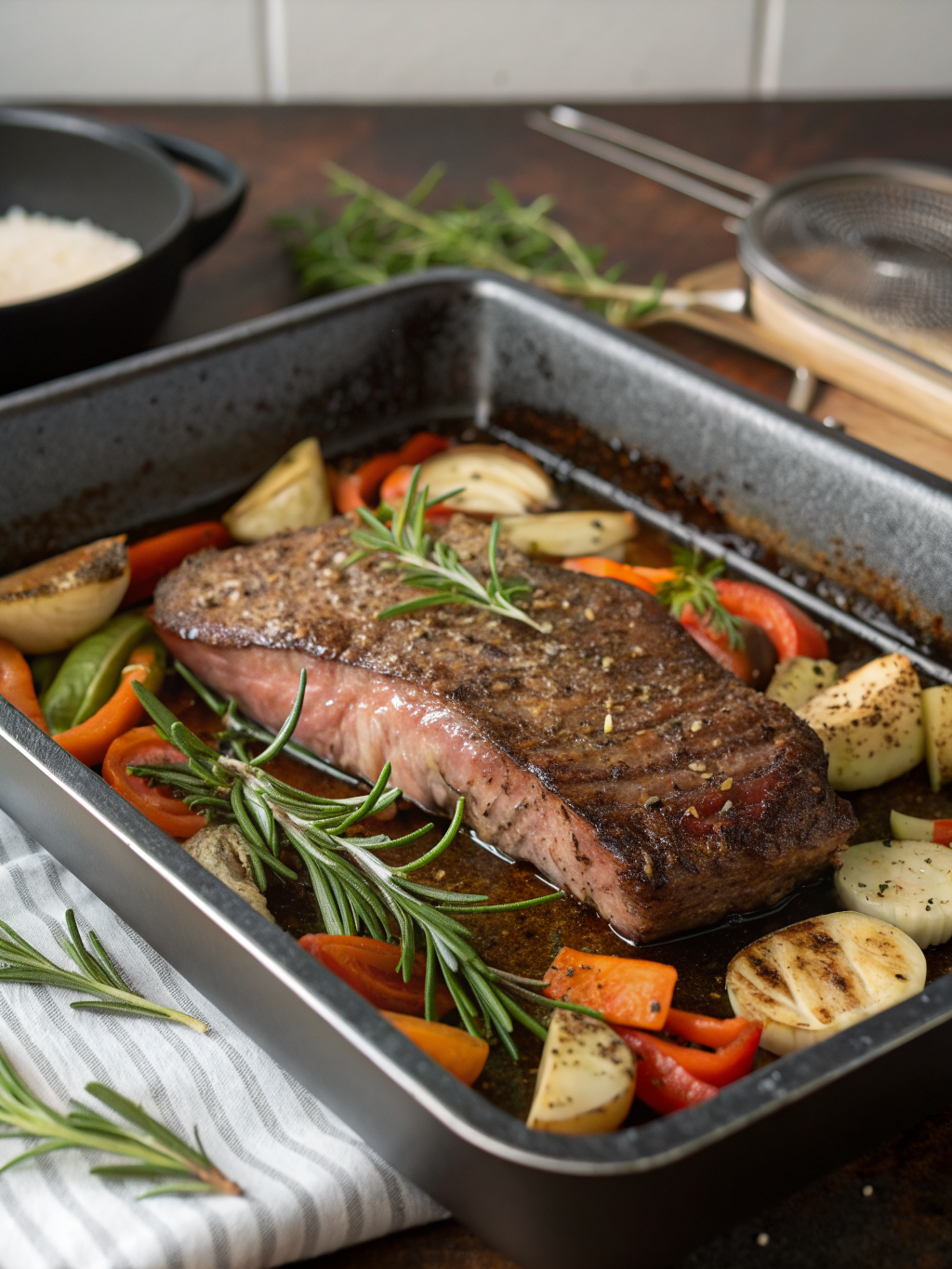
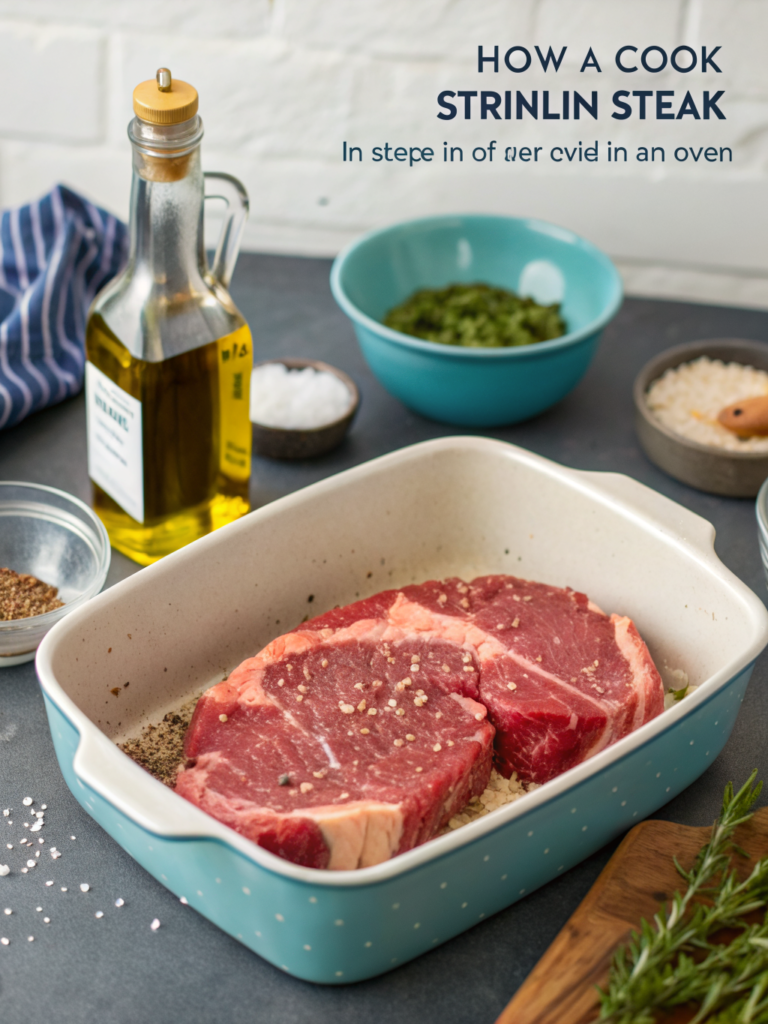
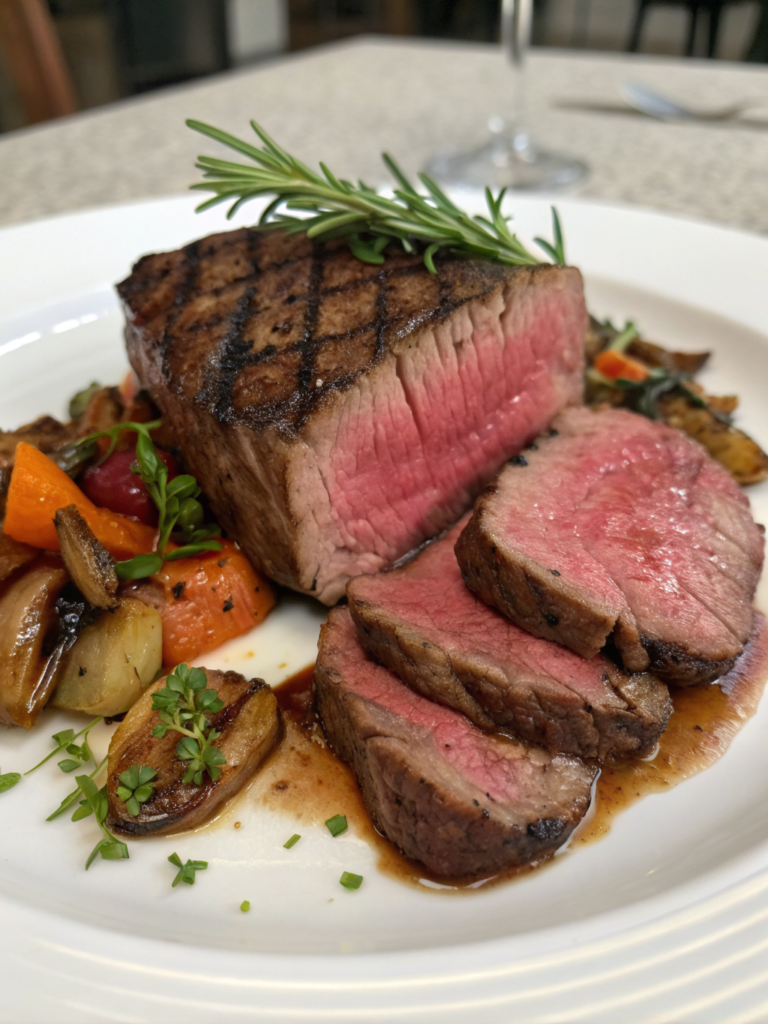
Learning how to cook flat iron steak in oven is easier than you think. This method starts with a hard sear in a screaming-hot skillet, a butter baste with garlic and thyme, then finishes in the oven for steakhouse results in about 30 minutes.
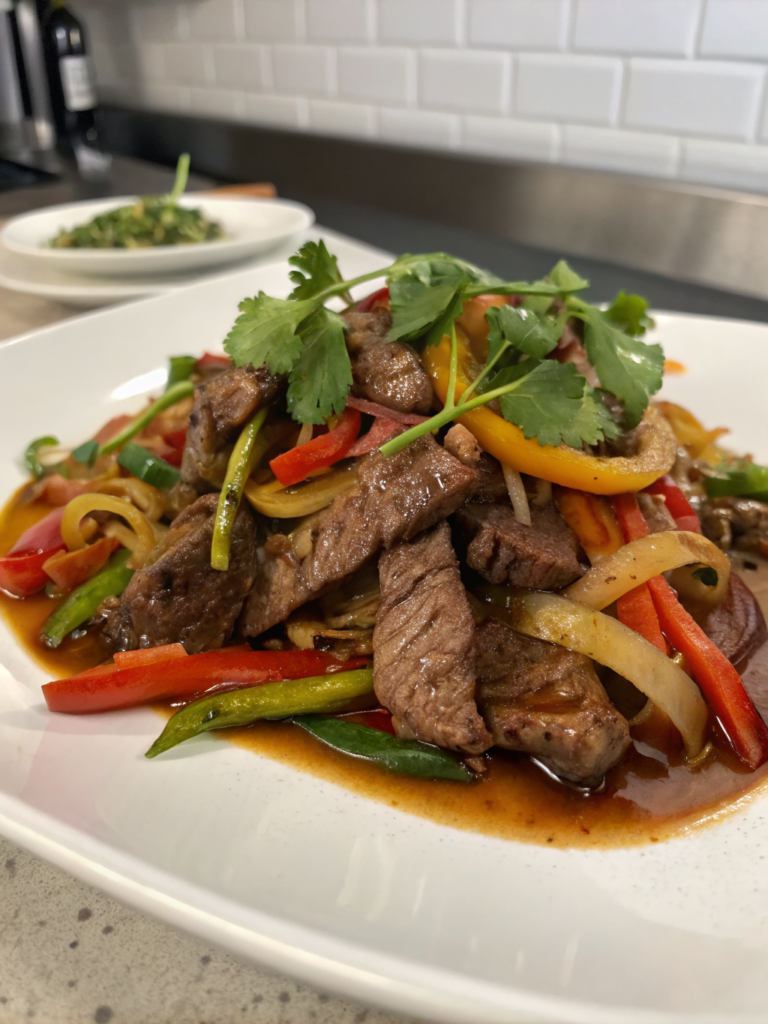
Now that you know how to cook flat iron steak in oven, try my Beef Round Steak Recipes or Steak Stir Fry next for more steak night ideas!
Why This Way to Cook Flat Iron Steak in Oven Beats the Grill
Flat iron steak has incredible marbling for the price, and the sear-then-oven method is genuinely the most reliable way to nail it indoors. You get a deep, dark crust from the skillet and gentle, even finishing heat from the oven, without needing to fire up a grill.
The butter baste at the end is the step that takes this from good to genuinely restaurant quality, and it is one of the biggest things people miss when learning how to cook flat iron steak in oven. It only takes a minute, and it is worth it every time.
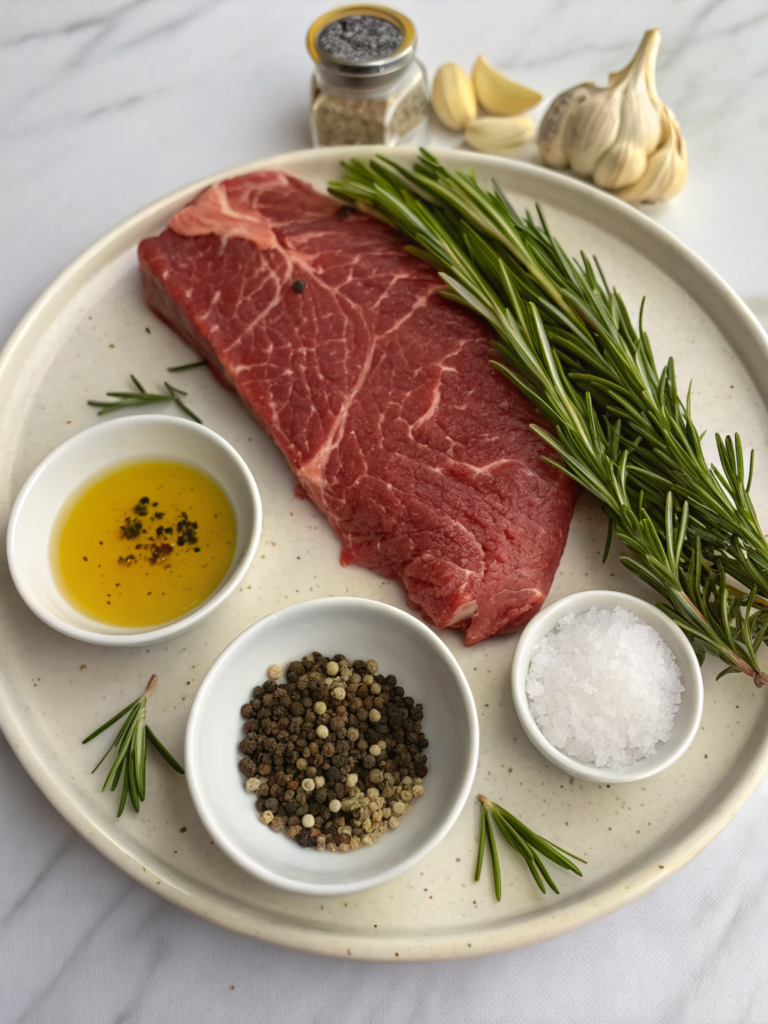
Gathering the right ingredients is the foundation of success when you learn how to cook flat iron steak in oven. You can swap the butter for ghee for a nuttier flavor, or use extra virgin olive oil if avoiding dairy.
How to Make It
This is just the overview of how to cook flat iron steak in oven. Scroll down to the recipe card for exact measurements and timing.
Season the steaks and bring to room temperature, then sear hard in a screaming-hot cast iron skillet on both sides. Baste with butter, garlic, and thyme, then transfer the whole skillet to a 400°F oven to finish. Rest before slicing against the grain.
Make Ahead Method
- Season the steaks up to a day ahead and keep them uncovered in the fridge. This actually helps dry the surface for a better sear.
- Let steaks sit at room temperature for the 30-45 minutes right before cooking, not longer, for food safety.
- This dish is best made fresh. It does not hold or reheat as well as a braise, so plan to serve it right after cooking.
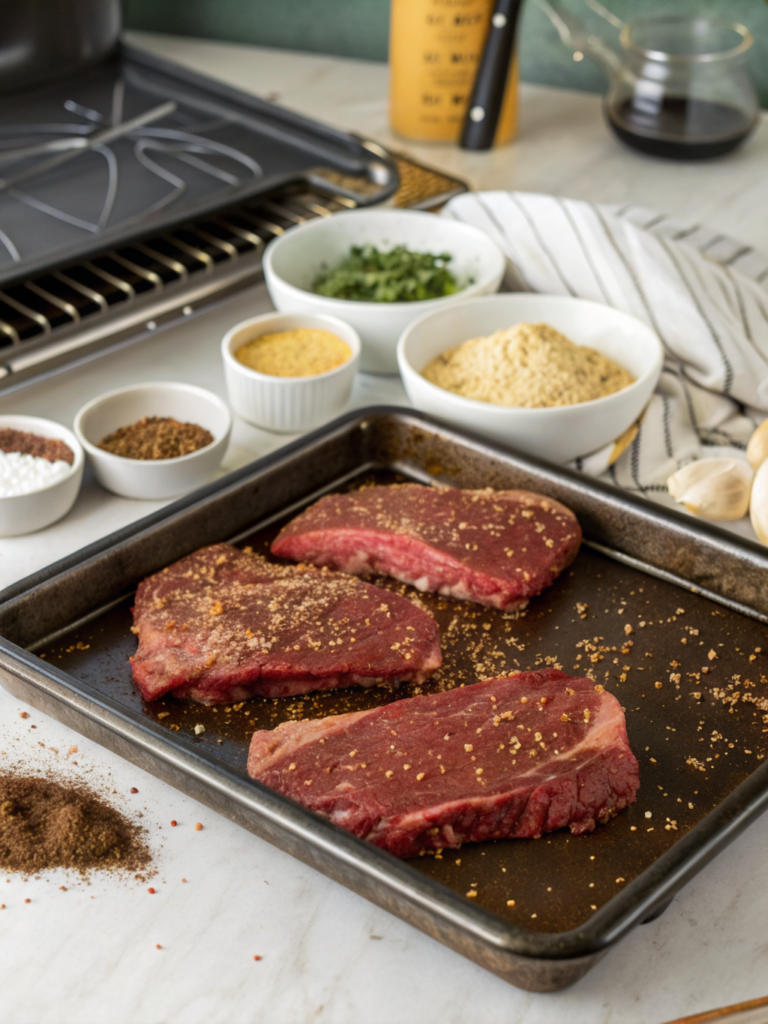
Flat Iron Steak in Oven
Course: BeefCuisine: AmericanDifficulty: Medium2
servings10
minutes15
minutes300
kcalSeared then oven-finished flat iron steak with a garlic-thyme butter baste, steakhouse results in about 30 minutes.
Ingredients
2 flat iron steaks, 8-10 oz each, about 1 inch thick
2 tbsp high smoke point oil (avocado, grapeseed, or vegetable)
2 tsp kosher salt
1 tsp freshly ground black pepper
1 tsp garlic powder
1 tsp onion powder
3 tbsp unsalted butter
3-4 fresh thyme sprigs, optional
2 garlic cloves, smashed, optional
Directions
- Prepare the steak. Rest at room temperature 30-45 minutes, pat completely dry, then season both sides with salt, pepper, garlic powder, and onion powder.
- Preheat. Preheat oven to 400F. Heat a cast iron skillet over high heat 3-4 minutes until smoking hot.
- Sear the first side. Add oil to the hot skillet, lay in the steaks, and sear undisturbed 2-3 minutes until deeply browned.
- Sear the second side. Flip and sear another 2-3 minutes until browned.
- Baste. Reduce heat to medium, add butter, garlic, and thyme. Tilt the pan and spoon the melted butter over the steaks for 30-60 seconds.
- Finish in the oven. Transfer the skillet to the oven and cook 4-8 minutes, until 130-135F for medium-rare.
- Rest and slice. Rest 5-7 minutes tented with foil, then slice against the grain at a slight diagonal.
Notes
- The temperature will rise about 5 degrees during resting due to carryover cooking, so pull the steak slightly before your target doneness. Flat iron has a line of connective tissue down the center. Cut around it or remove it before serving for the most tender bite.
For food safety, whole cuts of beef should reach a minimum internal temperature of 145°F with a 3-minute rest (USDA guidelines), though many cooks prefer flat iron at 130-135°F for medium-rare — that is a personal doneness choice to make with that guidance in mind.
Nutritional Information
Understanding the nutritional profile of flat iron steak helps you make informed dietary choices. Per 4-ounce serving of cooked flat iron steak prepared using this method:
- Calories: 280-310, depending on fat content and butter used
- Protein: 26-28 grams, an excellent source providing approximately 50 percent of the daily recommended intake
- Total Fat: 18-22 grams, including approximately 8 grams saturated fat from both the beef and butter
- Carbohydrates: less than 1 gram, making this naturally keto friendly and low carb
- Cholesterol: 85-95 milligrams
- Sodium: 450-600 milligrams, primarily from added salt, which can be adjusted to preference
- Iron: 15-20 percent of daily value. Beef provides highly bioavailable heme iron
- Zinc: 30-35 percent of daily value, essential for immune function and metabolism
- Vitamin B12: 40-45 percent of daily value, critical for nerve function and red blood cell formation
Flat iron steak ranks among the more nutritious beef cuts, offering substantial protein with moderate fat content. Research indicates that grass-fed varieties contain higher levels of omega-3 fatty acids and conjugated linoleic acid, which may provide additional health benefits.
Healthier Alternatives for the Recipe
Making thoughtful modifications allows you to enjoy this recipe while aligning with various dietary goals and preferences.
- Reduce Saturated Fat: Replace butter with heart healthy olive oil or avocado oil for basting. This reduces saturated fat by approximately 60 percent while maintaining richness and flavor.
- Lower Sodium Option: Reduce the kosher salt to 1 teaspoon total and rely more heavily on herbs and spices like rosemary, smoked paprika, or cumin for flavor complexity.
- Grass-Fed Beef: Choose grass-fed flat iron steak for improved omega-3 fatty acid ratios and higher levels of antioxidants like vitamin E.
- Portion Control: Serve 3-4 ounces of steak per person rather than 8-10 ounces, and increase vegetable portions accordingly.
- Marinade Modification: For a lower sodium marinade, use citrus juice, vinegar, herbs, and spices rather than soy sauce or Worcestershire sauce.
Serving Suggestions
Presenting your perfectly cooked flat iron steak with complementary sides elevates the entire dining experience.
- Classic Steakhouse Style: Serve sliced steak alongside garlic mashed potatoes, roasted asparagus with lemon, and a crisp wedge salad with blue cheese dressing.
- Mediterranean Approach: Pair with herb roasted fingerling potatoes, grilled vegetables with balsamic reduction, and arugula salad with shaved Parmesan. Add chimichurri for bright contrast.
- Asian-Inspired Presentation: Slice thin and serve over coconut jasmine rice with stir fried bok choy and snap peas, drizzled with ginger-soy glaze.
- Low-Carb Option: Arrange sliced beef over mixed greens, cherry tomatoes, avocado, and crumbled feta with a red wine vinaigrette.
- Taco Night Transformation: Slice and serve in warm tortillas with pico de gallo, guacamole, cotija cheese, and lime wedges.
- Sauce Pairings: Complement with peppercorn sauce, red wine reduction, horseradish cream, or herb butter.
Common Mistakes to Avoid
Recognizing and avoiding these frequent errors ensures consistent success when you are learning how to cook flat iron steak in oven.
- Cooking Cold Steak: Placing refrigerator-cold meat in a hot pan causes uneven cooking. Always allow 30-45 minutes for the steak to reach room temperature first.
- Insufficient Pan Temperature: A lukewarm pan produces steamed, gray meat instead of a caramelized crust. Ensure your skillet is smoking hot, which typically takes 3-4 minutes over high heat.
- Moving the Steak Too Soon: Flipping before a proper crust forms prevents browning and causes sticking. Wait until the steak releases easily from the pan.
- Overcooking: Flat iron steak becomes tough and dry past medium doneness. Use an instant-read thermometer and remove at 130-135°F for medium-rare, accounting for carryover cooking.
- Skipping the Resting Period: Cutting into steak immediately after cooking causes the juices to run out onto the board. Always rest 5-7 minutes.
- Cutting With the Grain: Slicing parallel to the muscle fibers creates chewy, tough pieces. Always slice perpendicular to the grain.
- Using the Wrong Oil: Low-smoke-point oils like extra virgin olive oil or butter burn at high temperatures, creating acrid flavors and smoke. Choose avocado, grapeseed, or another high-smoke-point oil instead.
Conclusion: Steakhouse Results at Home
Once you know how to cook flat iron steak in oven the right way, you genuinely get the closest thing to steakhouse results in a home kitchen, and flat iron makes it affordable to practice until it becomes second nature.
Once you get comfortable with how to cook flat iron steak in oven, this becomes one of those recipes you can pull off on a random Tuesday, not just for special occasions.
FAQ
What is the best way to cook flat iron steak in the oven, step by step?
Sear it in a hot skillet for 1-2 minutes on each side to build a crust, then move it to a preheated oven at 400F for 10-15 minutes, adjusting for thickness and desired doneness.
How do I ensure my flat iron steak is tender?
Pick a cut with good marbling, and always slice against the grain after it rests. Scoring the surface before cooking can help too.
What oven temperature should I use for cooking flat iron steak?
A preheated oven at 400F ensures even cooking and keeps the steak juicy without drying it out.
Can I use a broiler instead of an oven for flat iron steak?
Yes. Sear on the stovetop first, then broil 2-5 minutes per side, watching the internal temperature closely.
How long should I rest my flat iron steak after cooking?
Rest for 5 to 10 minutes after cooking. This allows the juices to redistribute, making the steak juicier and more flavorful.
What are some easy oven flat iron steak variations?
Simple salt and pepper works well, or marinate in a mix of soy sauce, Worcestershire sauce, and olive oil for extra flavor.
What sides pair well with flat iron steak?
Buttered rice and steamed vegetables are simple options, and it also pairs well with heartier sides for a full meal.
How can I enhance the flavor of my flat iron steak?
Try garlic herb butter or an Asian-style soy-ginger sauce, or apply a dry rub before cooking.
What should I do if my flat iron steak turns out tough?
Score the meat before cooking, marinate to help break down fibers, and always slice against the grain to improve tenderness.
Try These Next
Did You Try Our Recipes?
Best recipe ever
I love it, absolutely delicious