Lamb Shoulder Recipes for Tender and Flavorful Slow Cooked Meals
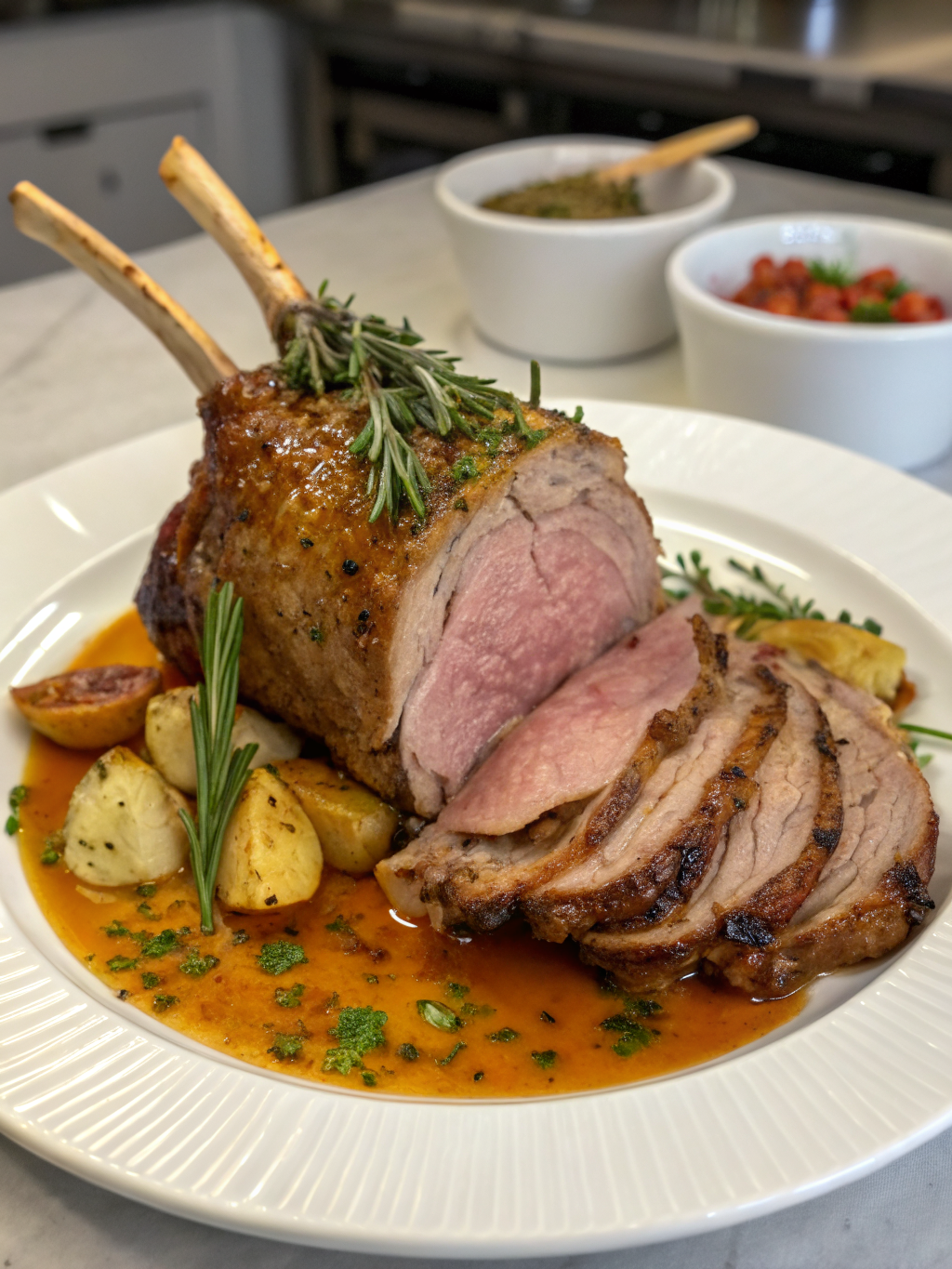
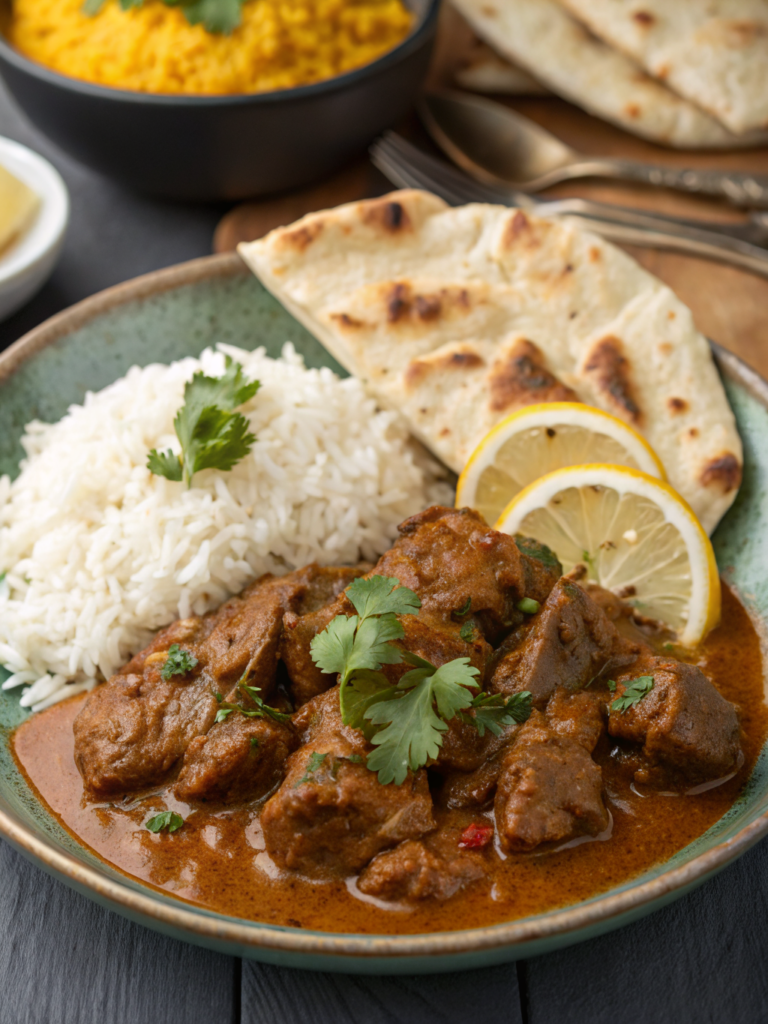
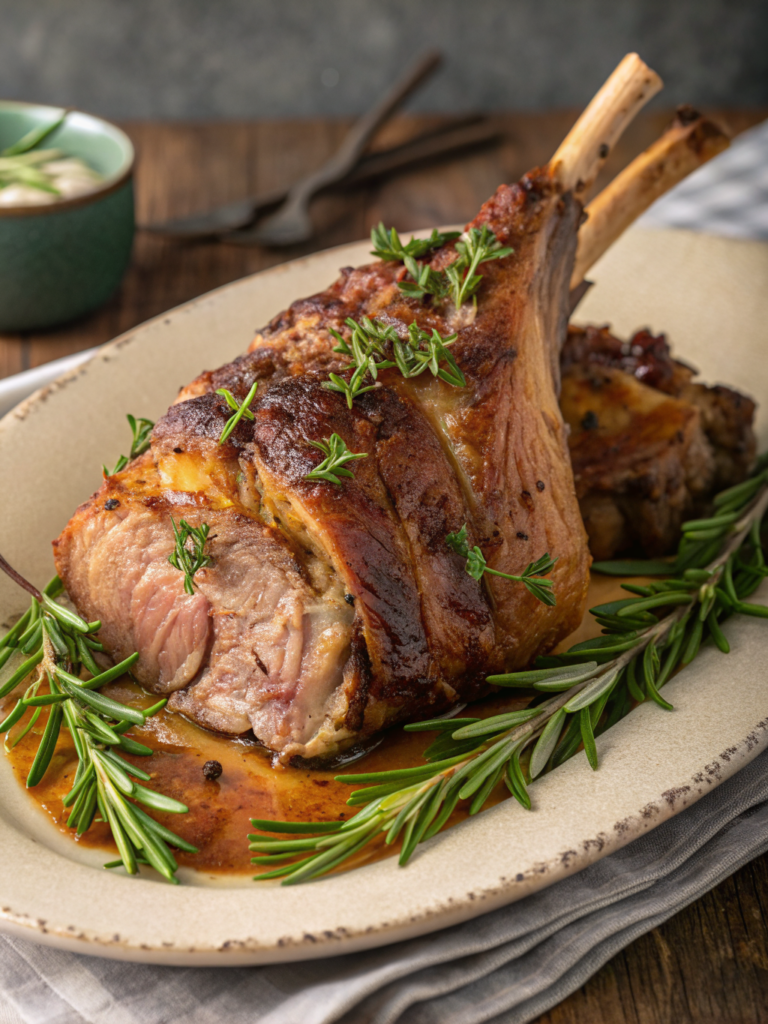
These lamb shoulder recipes turn a tough, affordable cut into fall-apart tender meat through a proper sear and a long, slow braise. Genuinely restaurant quality.
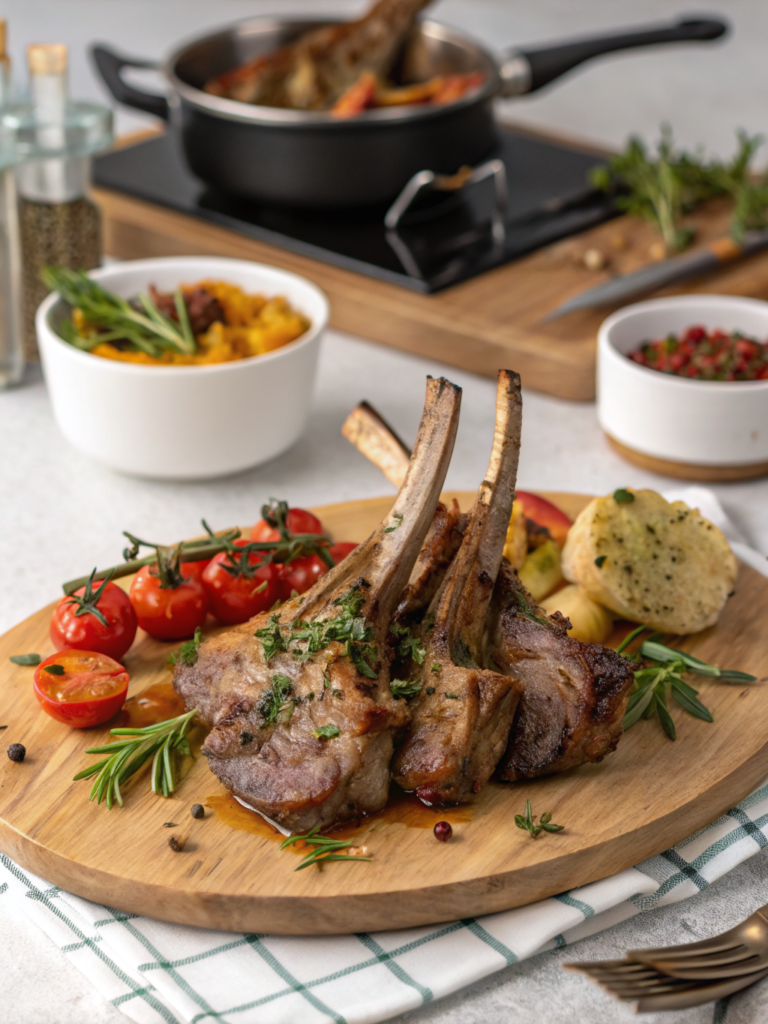
Once you try these lamb shoulder recipes, try my Lamb Chop Recipes or Leg of Lamb Recipe next for more lamb dinners!
Why Lamb Shoulder Rewards Patience
Lamb shoulder is one of the most forgiving cuts you can cook, precisely because it is full of connective tissue that only gets better with time. Rush it and you get something chewy. Give it 3.5-4 hours at a low, steady temperature and it falls apart with a fork.
The two steps that actually make the difference are searing before braising, and skimming the fat from the sauce before serving. Both are easy to skip, and both are worth doing.
Ingredients
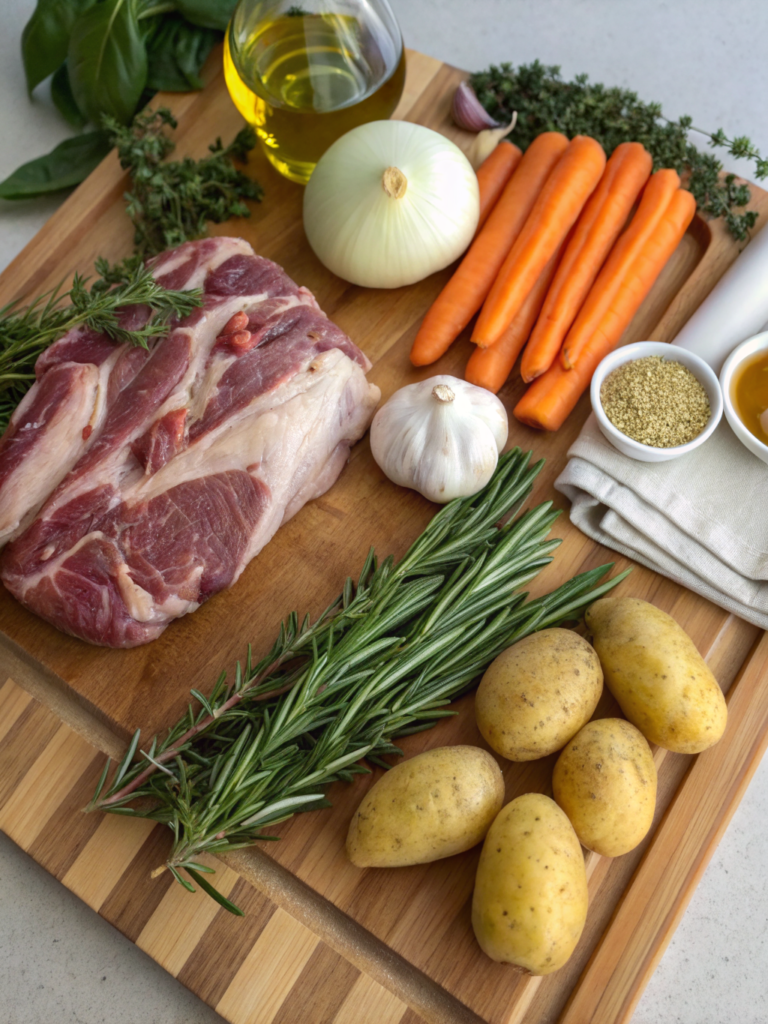
The foundation of exceptional lamb shoulder recipes begins with quality ingredients. Here is what you need for a classic preparation that serves 6-8 people.
How to Make It
This is just the overview. Scroll down to the recipe card for exact measurements and timing.
Sear the lamb shoulder hard on all sides, then build a braising liquid with wine, stock, and vegetables in the same pot. Return the lamb, cover, and cook low and slow at 325F for 3.5-4 hours until it pulls apart easily. Rest, then strain and reduce the sauce.
Make Ahead Method
- This dish tastes even better the next day, once the flavors have had time to meld. Make it up to 2 days ahead and reheat gently.
- The sauce can be made and reduced ahead, then reheated separately from the meat.
- Freezes well for up to 3 months. Thaw overnight in the fridge before reheating.
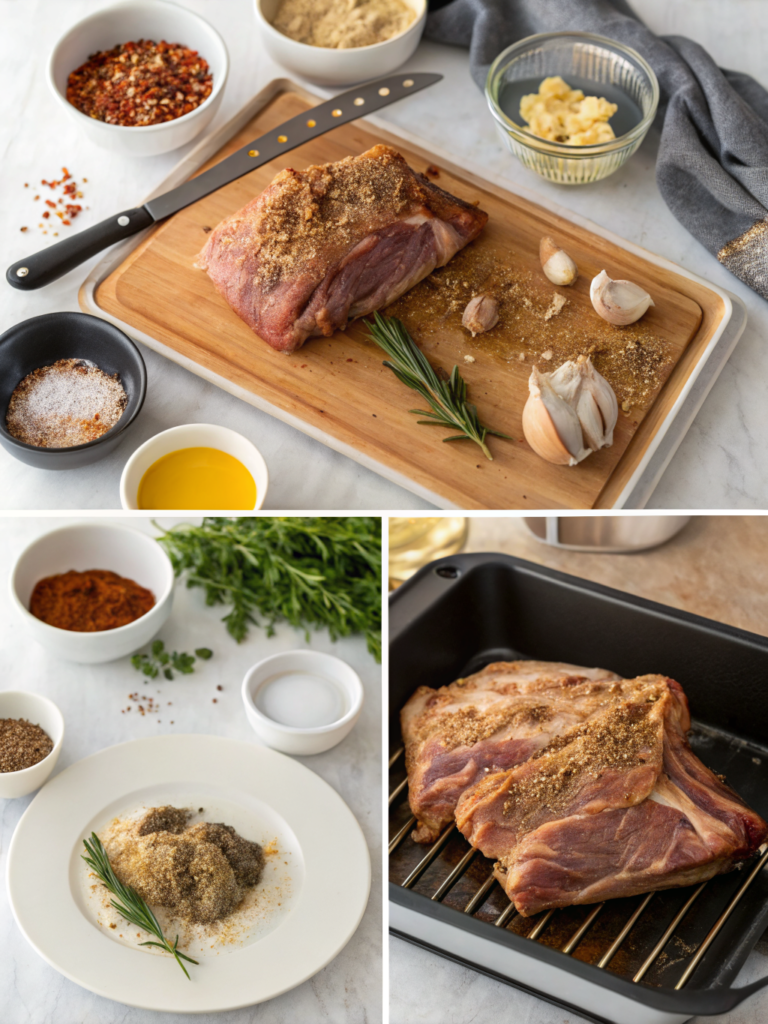
Lamb Shoulder Recipes
Course: LambCuisine: AmericanDifficulty: Medium8
servings25
minutes3
hours45
minutes400
kcalFall-apart tender lamb shoulder, seared then braised low and slow in a rich red wine sauce.
Ingredients
4-5 lbs bone-in lamb shoulder (or boneless, adjusted for weight)
6 garlic cloves, sliced
3 sprigs fresh rosemary
2 tbsp fresh thyme leaves
2 large onions, quartered
4 carrots, cut into chunks
3 celery stalks, roughly chopped
2 cups red wine (or beef broth for alcohol-free)
2 cups lamb or chicken stock
3 tbsp olive oil
2 tbsp tomato paste
2 bay leaves
Salt and freshly ground black pepper, to taste
1 tbsp Dijon mustard, optional
Directions
- Prepare the lamb. Bring to room temperature 45-60 minutes. Pat dry, make small incisions, and insert garlic and rosemary. Season generously with salt and pepper.
- Sear. Heat olive oil in a Dutch oven over medium-high heat. Sear the lamb 4-5 minutes per side until deeply golden. Set aside.
- Build the aromatic base. Saute onions, carrots, and celery 5-7 minutes. Stir in tomato paste, cook 2 minutes, then add remaining garlic, thyme, and bay leaves.
- Deglaze. Add red wine, scraping up browned bits, and simmer until reduced by half, 5-7 minutes. Add stock and bring to a simmer.
- Slow cook. Return the lamb to the pot, cover tightly, and braise at 325F for 3.5-4 hours, basting hourly, until it pulls apart easily.
- Rest and serve. Rest 15-20 minutes tented with foil. Strain and reduce the sauce, skim fat, then carve or pull and serve with the sauce.
Notes
- Do not skip the searing step, it builds a real layer of flavor that slow cooking alone cannot replicate. Skimming the fat from the sauce, either with a fat separator or after overnight refrigeration, makes a noticeable difference in the final dish.
For food safety, lamb should reach a minimum internal temperature of 145°F with a 3-minute rest (USDA guidelines), though this braise is cooked well past that until fall-apart tender.
Nutritional Information
Understanding the nutritional profile helps you make informed dietary choices. Per 6-ounce serving of cooked lamb shoulder with vegetables and sauce:
- Calories: 385-420, about 19-21% of a 2,000-calorie daily diet, a substantial but reasonable main course.
- Protein: 38-42g, covering roughly 76-84% of daily recommended intake for average adults.
- Fat: 22-26g total, 8-10g saturated. Contains beneficial CLA and omega-3s, particularly in grass-fed varieties.
- Carbohydrates: 8-12g, primarily from vegetables and wine reduction.
- Fiber: 3-4g, from the vegetables, supporting digestive health.
- Vitamins and Minerals: excellent source of B12 (120% DV), zinc (45% DV), selenium (40% DV), niacin (35% DV), and iron (25% DV).
Healthier Alternatives for the Recipe
Adapting this recipe for various dietary needs does not mean sacrificing flavor.
- Reduce Fat Content: Trim visible fat aggressively before cooking, and refrigerate the sauce overnight to remove solidified fat, cutting 80-100 calories per serving.
- Increase Vegetable Ratio: Double the vegetables and add parsnips, turnips, or fennel for more volume and fiber.
- Alcohol-Free Version: Replace wine with additional stock plus 2 tbsp balsamic vinegar for acidity.
- Lower Sodium: Use low-sodium stock and reduce added salt by half, compensating with herbs and lemon.
- Keto-Friendly: Eliminate carrots, reduce onions, and add celery root, radishes, or mushrooms instead.
- Paleo Compliant: Naturally paleo-friendly. Use ghee instead of olive oil for searing if preferred.
Serving Suggestions
Presentation and accompaniments elevate lamb shoulder to a memorable dining experience.
- Classic Accompaniments: Serve over creamy mashed potatoes, polenta, or cauliflower mash to soak up the sauce.
- Grain Options: Pearl couscous, farro, or wild rice pilaf pair wonderfully with the rich meat.
- Fresh Vegetable Sides: Balance the richness with roasted Brussels sprouts, green beans with almonds, or an arugula salad.
- Mediterranean Style: Serve with warm pita, tzatziki, and a cucumber-tomato salad with feta and olives.
- Family-Style Presentation: Place the whole shoulder on a board surrounded by roasted vegetables for guests to pull portions themselves.
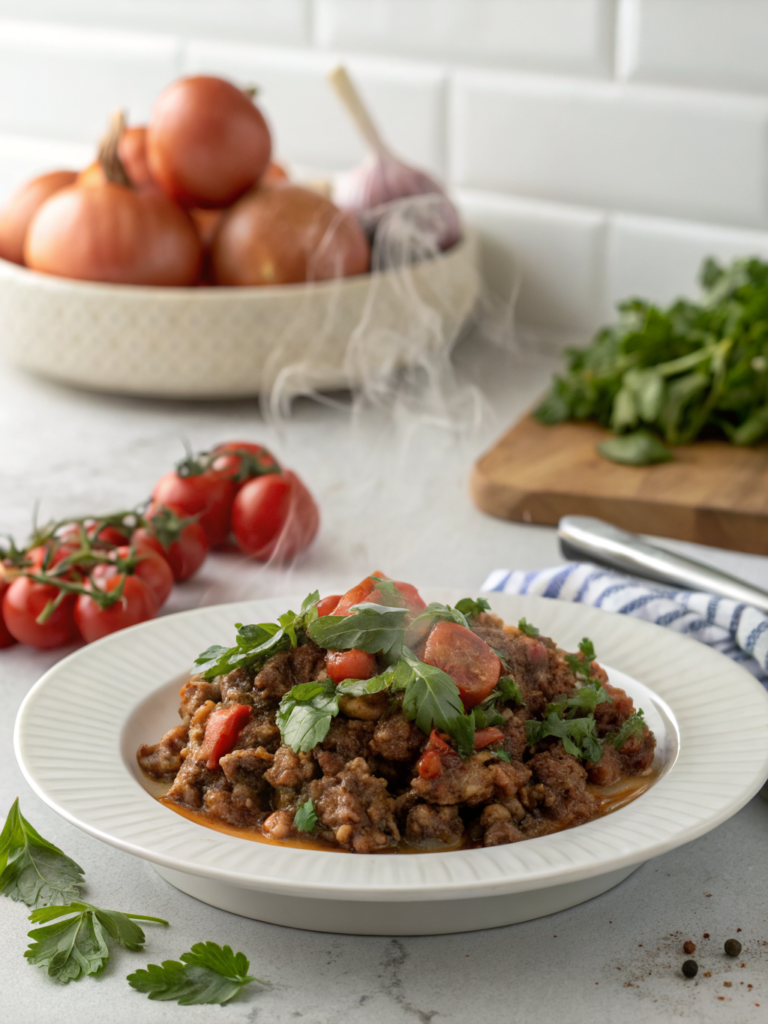
- Leftover Transformation: Shred remaining lamb for tacos, sandwiches, shepherd’s pie, or pasta dishes.
Common Mistakes to Avoid
Even experienced cooks encounter challenges with these lamb shoulder recipes. Recognizing these common pitfalls helps you achieve consistent, restaurant-quality results.
- Skipping the Searing Step: This eliminates crucial flavor development. The caramelized crust and fond create depth that slow cooking alone cannot replicate.
- Cooking at Too High Temperature: Rushing with high heat above 350F causes the exterior to dry out before the connective tissue breaks down. Low and slow is non-negotiable.
- Insufficient Seasoning: Lamb shoulder is a large, robust cut that needs generous seasoning throughout, not just on the surface. Season the meat, the braising liquid, and taste again before serving.
- Not Enough Liquid: The braising liquid should come about halfway up the sides of the meat. Too little causes uneven cooking and a risk of scorching.
- Skipping the Rest: Carving immediately causes juices to run out onto the board instead of staying in the meat.
- Not Skimming the Fat: Leaving excess fat in the sauce makes it greasy. Use a fat separator or refrigerate overnight to remove the solidified layer.
Storing Tips for the Recipe
Proper storage keeps these lamb shoulder recipes tasting great for days after cooking.
- Refrigerator Storage: Cool completely, then store meat and sauce in an airtight container for up to 4 days.
- Freezer Storage: Freeze in portions with some sauce for up to 3 months.
- Reheating: Warm gently on the stovetop or in a low oven with a splash of stock to keep it moist.
Conclusion: Worth Every Hour
These lamb shoulder recipes reward patience more than almost any other cut. Give it the time and the technique it deserves, and you end up with something that genuinely feels special, at a fraction of the cost of a more premium cut.
Once you have made it a few times, this becomes one of those dishes you can confidently plan a whole weekend around, whether for guests or just yourself.
FAQ
Can I make this in a slow cooker instead of the oven?
Yes, after searing and building the sauce on the stovetop, transfer everything to a slow cooker and cook on low for 6-8 hours.
Can I use boneless lamb shoulder?
Yes, adjust the weight accordingly and check for tenderness a bit earlier, since boneless cuts can cook slightly faster.
Why is my lamb still tough after 4 hours?
It likely needs more time, not less. Continue braising in 30-minute increments until it pulls apart easily with a fork.
Can I make this ahead for a dinner party?
Yes, this dish tastes even better the next day. Make it up to 2 days ahead and reheat gently before serving.
What can I substitute for red wine?
Additional stock plus 2 tablespoons of balsamic vinegar provides similar acidity and depth without the alcohol.
How do I get a thicker sauce?
Simmer the strained liquid uncovered on the stovetop until it reduces to your desired consistency, or whisk in a small cornstarch slurry.
Try These Next
Did You Try Our Recipes?
Best recipe ever
I love it, absolutely delicious