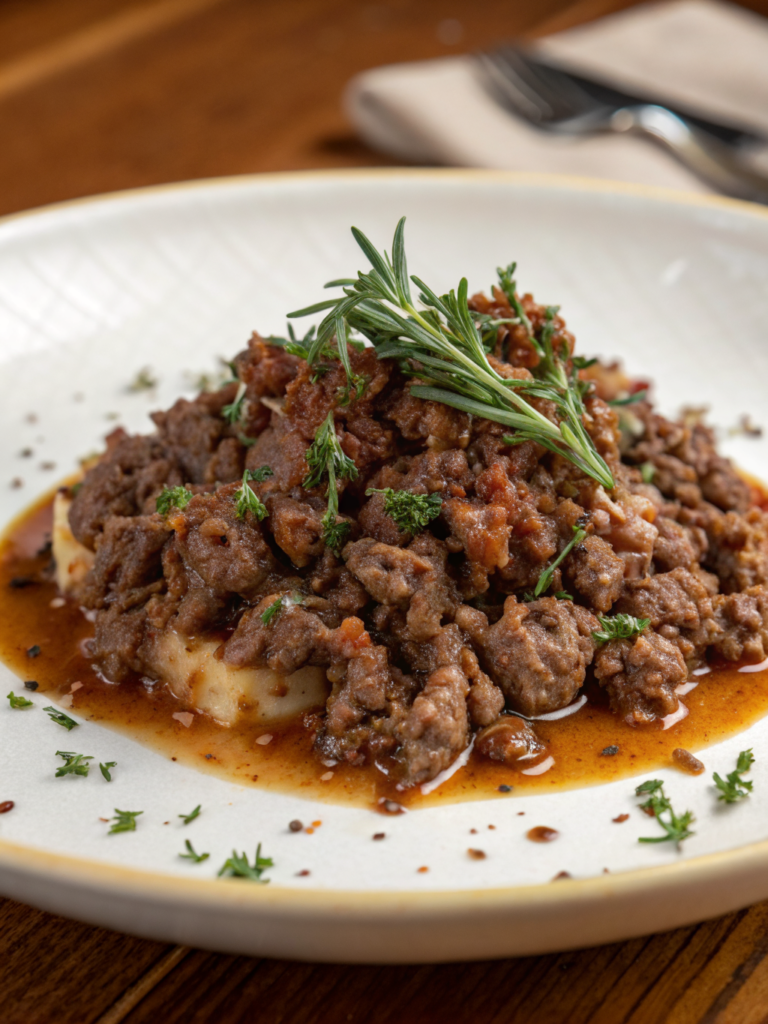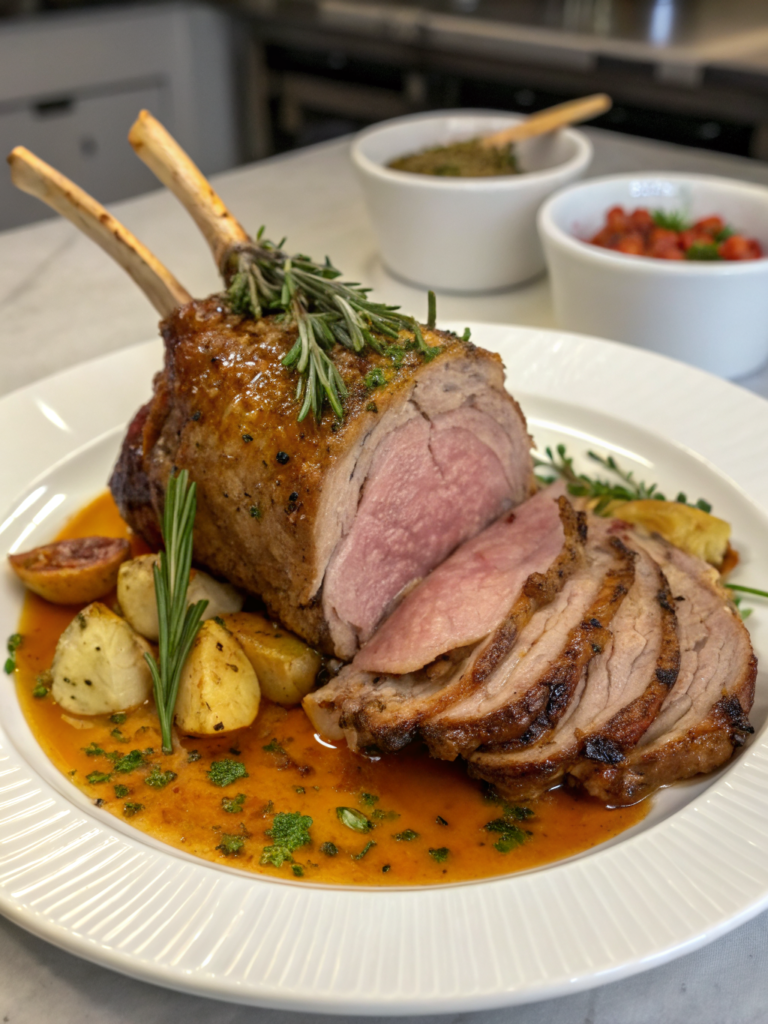
How to Cook a Boneless Leg of Lamb Recipe for Tender and Juicy Results
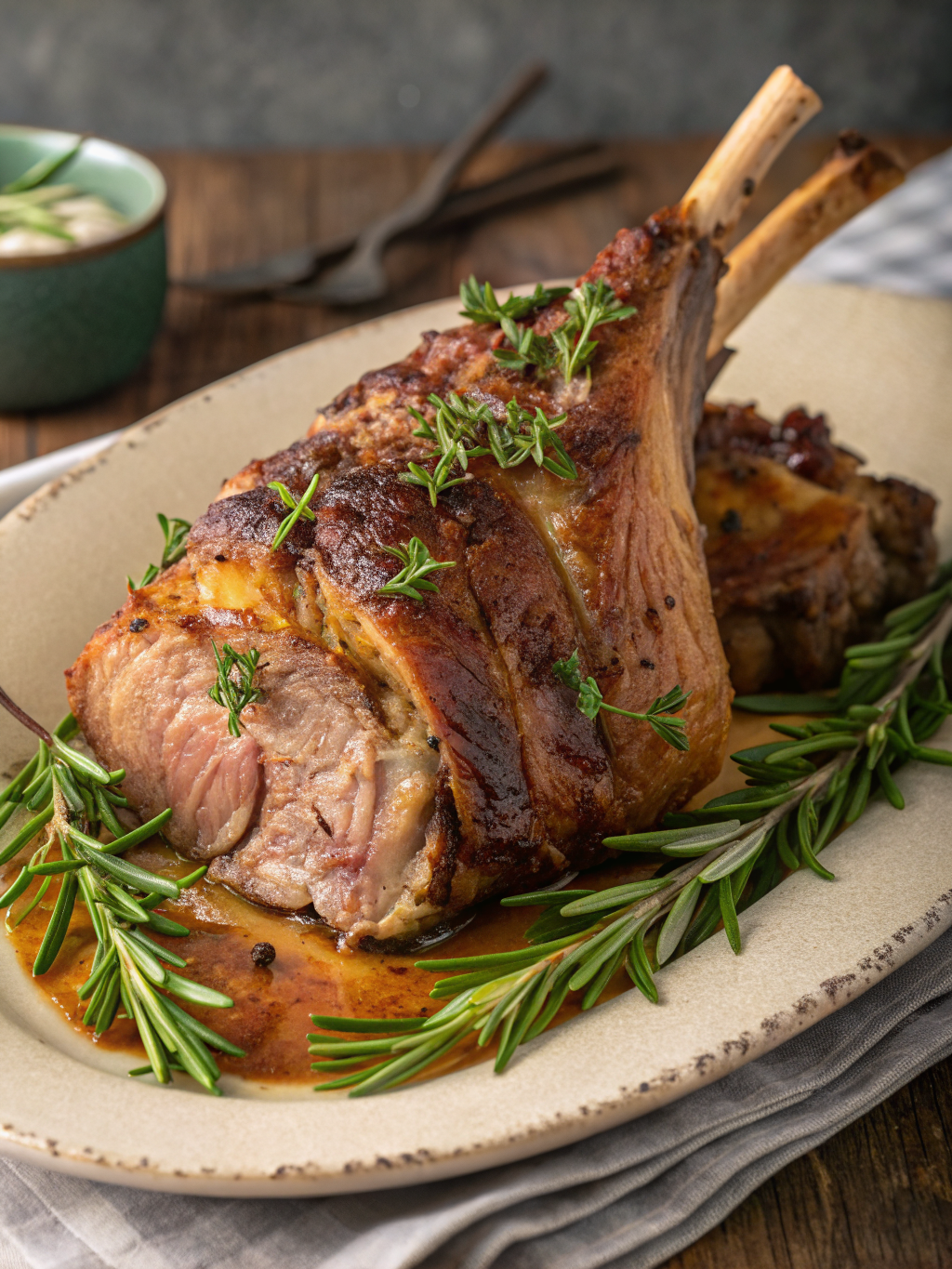
This leg of lamb recipe uses a hot-then-low roasting method for a deeply browned crust and a tender, juicy interior. A genuinely impressive centerpiece for a special dinner.
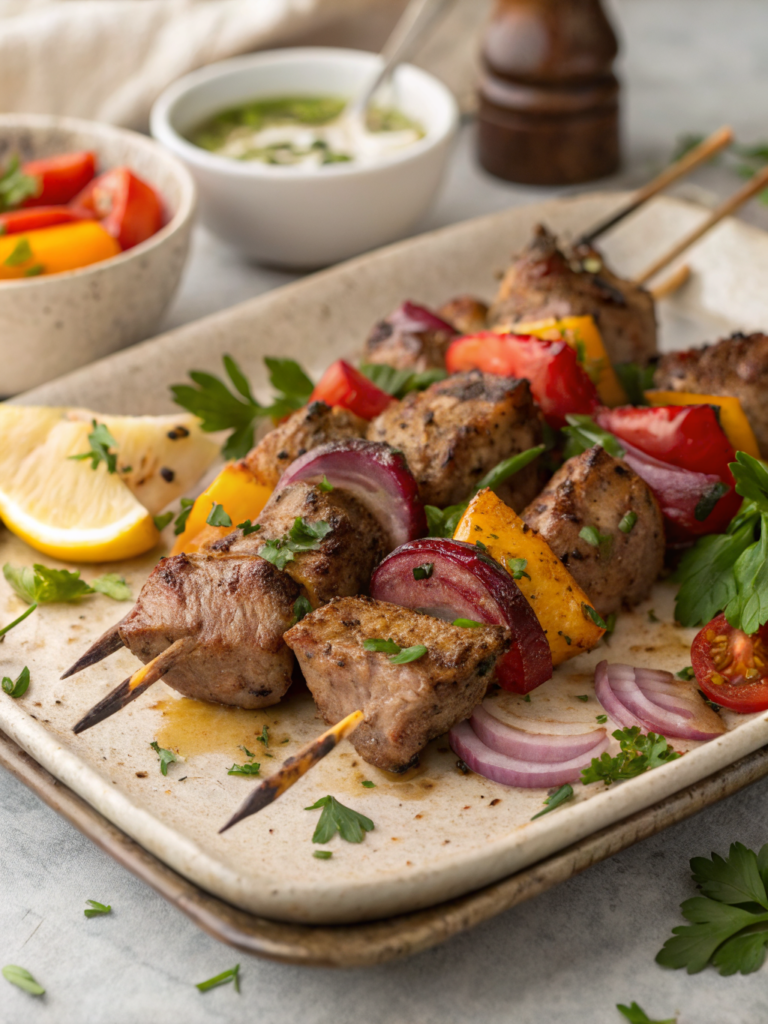
Try my Lamb Chop Recipes or Lamb Shish Kebab next for more lamb dinners!
Why This Leg of Lamb Recipe Actually Works
The trick with a boneless leg of lamb is the two-stage oven temperature. A hard blast of high heat first builds a real crust, then dropping the temperature lets the inside cook through gently without drying out the exterior. Most recipes only do one or the other.
The other detail worth taking seriously is tying the roast into an even shape before cooking. Without it, the thinner ends overcook long before the thicker center is done.
Ingredients
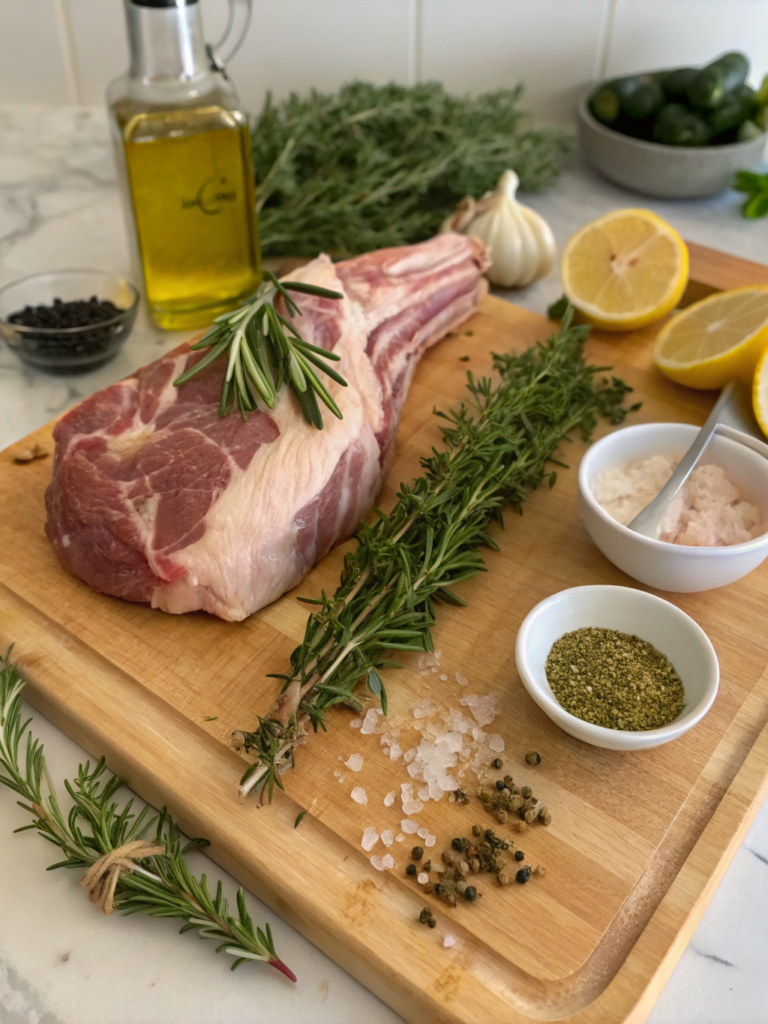
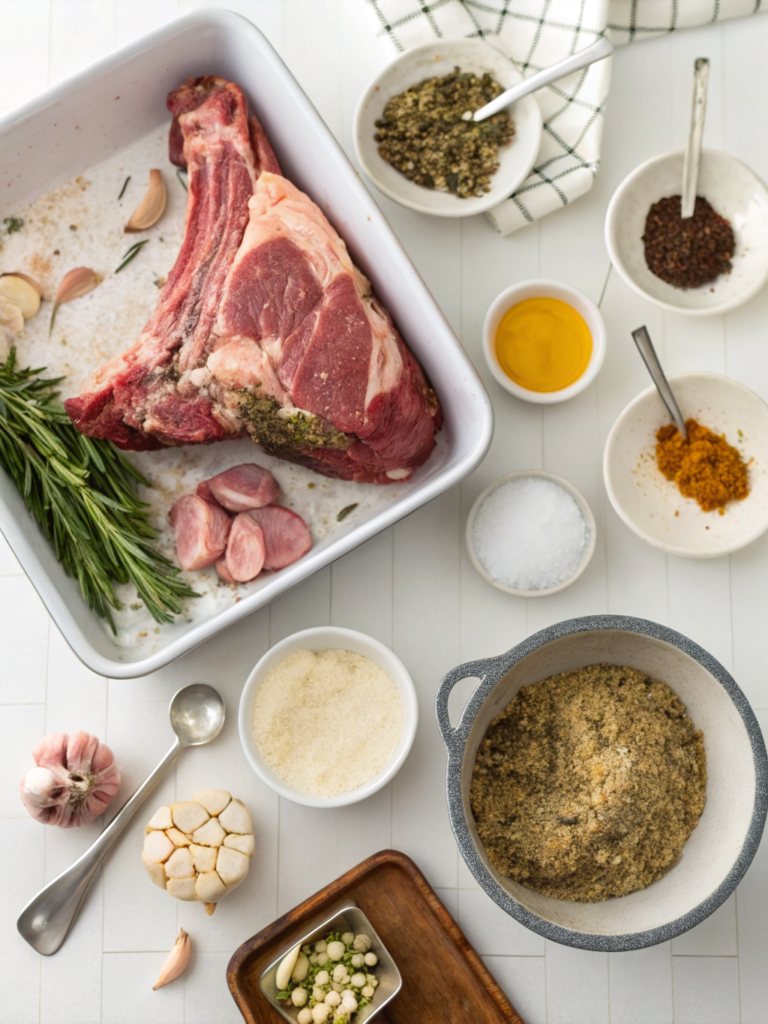
Gathering quality ingredients forms the foundation of an exceptional leg of lamb recipe. Each component plays a role in building flavor and keeping the meat moist throughout cooking.
How to Make It
This is just the overview. Scroll down to the recipe card for exact measurements and timing.
Marinate the lamb in garlic, herbs, and lemon overnight, then sear it hard before roasting. Start at 450F for a crust, then drop to 325F to finish gently, basting occasionally. Rest well before carving against the grain.
Make Ahead Method
- This lamb is designed to be marinated ahead. Marinate up to 24 hours before roasting for the best flavor and tenderness.
- The marinade itself can be mixed up to 2 days ahead and stored in the fridge.
- Leftover roast lamb reheats well gently in a low oven with a splash of stock to keep it moist.
Leg of Lamb Recipe
Course: LambCuisine: AmericanDifficulty: Medium8
servings20
minutes1
hour30
minutes265
kcalA hot-then-low roasted boneless leg of lamb with a deeply browned crust and tender, juicy interior.
Ingredients
1 boneless leg of lamb, 4-5 lbs
6 garlic cloves, minced
3 tbsp fresh rosemary, finely chopped
2 tbsp fresh thyme leaves
1/4 cup extra virgin olive oil
2 tbsp Dijon mustard
Zest and juice of 2 lemons
2 tsp kosher salt
1 tsp freshly ground black pepper
1 tsp smoked paprika
2 cups chicken or vegetable stock
Directions
- Prepare the lamb. Pat dry, trim excess fat, and tie into a compact shape with kitchen twine at 2-inch intervals.
- Make the marinade. Whisk together garlic, rosemary, thyme, olive oil, Dijon, lemon zest and juice, salt, pepper, and paprika.
- Marinate. Rub over the lamb thoroughly, cover, and refrigerate 4-24 hours.
- Bring to room temperature. Remove from the fridge 60-90 minutes before cooking. Preheat oven to 450F.
- Sear. Sear in a hot oven-safe pan, 3-4 minutes per side until deeply browned.
- Roast at high heat. Add stock around the lamb, transfer to the oven, and roast at 450F for 15 minutes.
- Reduce and continue roasting. Lower to 325F and roast 60-75 minutes, until internal temperature reaches 135F for medium-rare.
- Baste occasionally. Baste with pan juices every 20-25 minutes, adding more stock if it evaporates.
- Rest. Tent with foil and rest 15-20 minutes before carving.
- Carve and serve. Remove twine, slice against the grain into 1/2-inch pieces, and drizzle with pan juices.
Notes
- The internal temperature will rise 5-10 degrees during resting, so pull the lamb slightly before your target. Tying the roast into an even shape is what makes the cooking time consistent from end to end.
For food safety, lamb should reach a minimum internal temperature of 145°F with a 3-minute rest (USDA guidelines).
Nutritional Information
Understanding the nutritional profile helps you make informed dietary choices. Per 4-ounce serving of roasted boneless leg of lamb:
- Calories: 250-280, a substantial yet reasonable protein source.
- Protein: 28-32g, about 35 percent of daily recommended intake, supporting muscle maintenance and satiety.
- Fat: 12-15g, with about 45 percent monounsaturated, similar to olive oil’s profile. Contains CLA, linked to metabolic health.
- Vitamin B12: over 100% of daily requirements, supporting nerve function and red blood cell formation.
- Also rich in niacin, zinc, selenium (30% DV), and heme iron, which the body absorbs more efficiently than plant-based iron.
- Cholesterol: 85-95mg | Sodium: 75-85mg before additional seasoning.
Healthier Alternatives for the Recipe
Adapting this leg of lamb recipe to meet specific dietary needs does not require sacrificing flavor.
- Lower Fat: Select extremely lean cuts, trim all visible fat, and ask your butcher to remove the fat cap, reducing calories by 80-100 per serving.
- Reduce Sodium: Eliminate added salt from the marinade, relying on herbs, citrus, and garlic, cutting sodium by 60-70 percent.
- Mediterranean Style: Add oregano, mint, and sumac to the marinade, and replace half the olive oil with Greek yogurt.
- Paleo or Whole30: Already compliant with minor adjustments. Use bone broth instead of stock for extra collagen.
- Low-Carb or Keto: This recipe naturally contains under 5g of carbs per serving.
- Nightshade-Free: Omit the paprika and substitute marjoram, sage, or ground coriander.
Serving Suggestions
Presenting your perfectly cooked lamb alongside complementary dishes elevates the entire dining experience.
- Classic Roasted Vegetables: Roast carrots, parsnips, and red onions with olive oil and thyme at 400F for 35-40 minutes.
- Creamy Garlic Mashed Potatoes: The smooth texture contrasts wonderfully with the lamb’s crusty exterior and soaks up the pan juices beautifully.
- Mediterranean Spread: Serve with tzatziki, warm pita, a cucumber-tomato salad, and a side of hummus.
- Elegant Presentation: Slice and fan over a bed of couscous or bulgur, garnished with fresh mint and pomegranate seeds.
- Wine Pairing: A medium to full-bodied red like Syrah, Cabernet Sauvignon, or a Bordeaux blend complements the richness well.
- Leftover Ideas: Thinly sliced leftover lamb makes an excellent sandwich filling or salad topper the next day.
Common Mistakes to Avoid
Even experienced cooks can run into a few pitfalls with a leg of lamb recipe this size, so here is what to watch for.
- Skipping the Tie: Without tying the roast into an even shape, thinner ends overcook before the center is done.
- Cooking From Cold: Roasting straight from the fridge leads to uneven cooking. Let it come to room temperature first.
- Opening the Oven Too Often: Each check releases heat and extends cooking time. Rely on your thermometer, not frequent peeking.
- Not Basting Regularly: Skipping the basting step during roasting leaves the exterior drier than it needs to be.
- Carving With the Grain: Slicing parallel to the muscle fibers creates tough, chewy pieces. Always cut perpendicular to the grain.
- Skipping the Rest: Cutting immediately after roasting loses much of the juice onto the cutting board instead of staying in the meat.
Storing Tips for the Recipe
Proper storage keeps leftover lamb tasting great for days after roasting.
- Refrigerator Storage: Cool completely, slice or keep whole, and store in an airtight container for up to 4 days.
- Freezer Storage: Freeze sliced lamb with some pan juices for up to 3 months.
- Reheating: Warm gently in a low oven with a splash of stock to keep it moist, avoiding the microwave if possible.
Conclusion: A Genuine Centerpiece
A properly roasted leg of lamb recipe genuinely earns its place as a special-occasion centerpiece. The two-stage roasting method takes a bit of planning, but the actual hands-on work is minimal.
Once you have made it once, the timing becomes intuitive, and this becomes a dish you can confidently pull off for a holiday table or a dinner party.
FAQ
Can I use a bone-in leg of lamb instead?
Yes, though cooking times will be slightly longer and carving is a bit more involved around the bone.
What if I do not have a meat thermometer?
A thermometer is genuinely worth using for a roast this size, since visual cues alone are unreliable for a cut this thick.
Can I skip the searing step?
You can, but you will lose a real layer of flavor and color. The initial high-heat roast partially compensates if you skip stovetop searing.
How far ahead can I marinate the lamb?
Up to 24 hours produces the best results. Much longer and the acid in the marinade can start affecting the texture.
What should I do with the pan drippings?
Strain and use them as a base for a quick gravy, or drizzle them directly over the sliced lamb.
Can I make this for a smaller group?
Yes, ask your butcher for a smaller roast and reduce the cooking time proportionally, checking temperature earlier.
Try These Next
Did You Try Our Recipes?
Best recipe ever
I love it, absolutely delicious