Roast Turkey Breast
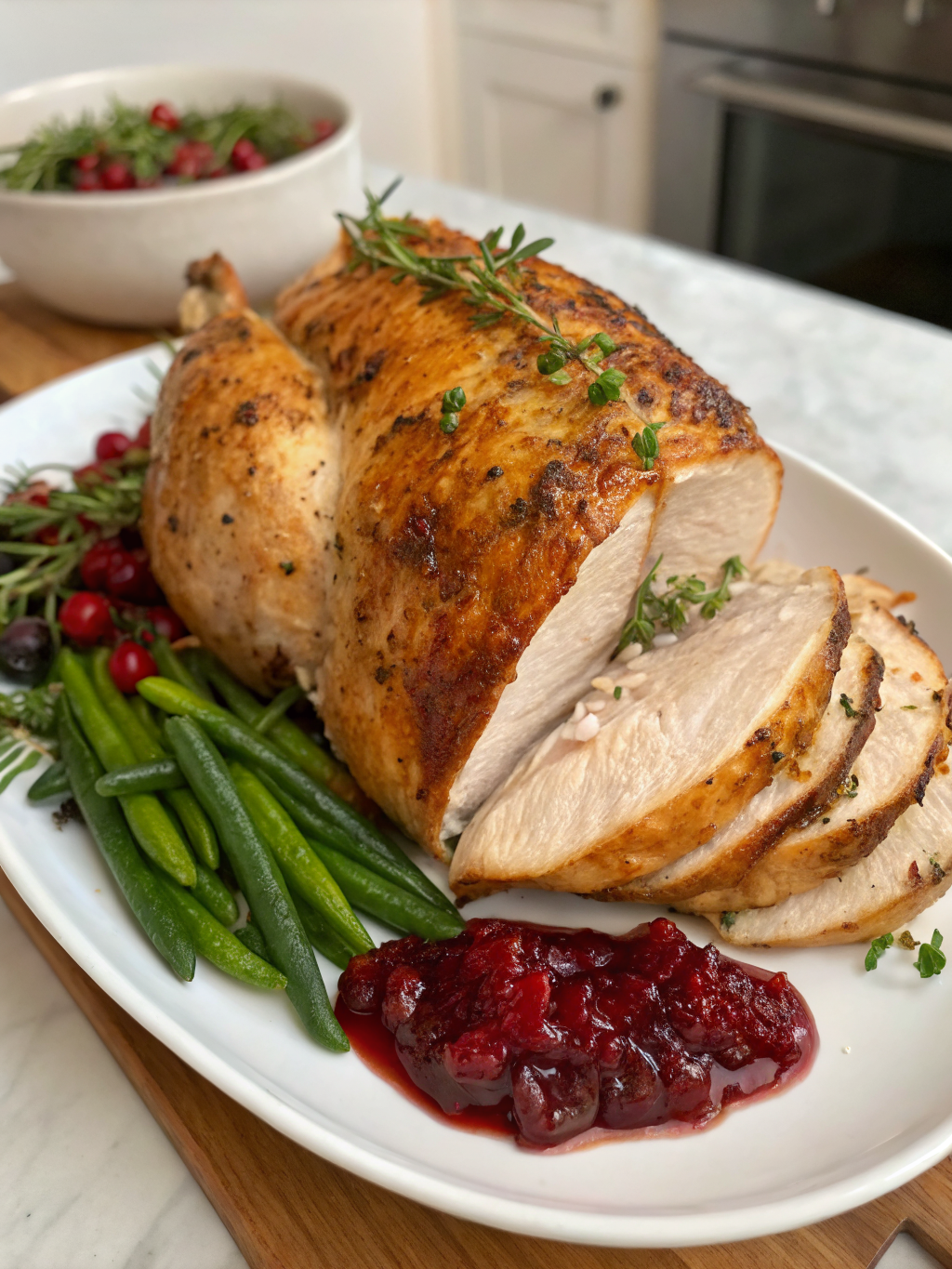
This roast turkey breast gets a garlic herb butter under the skin for deep flavor and a genuinely moist result. A great option when you do not need a whole bird.
Try my Turkey Bolognese or Smoked Turkey Breast next for more turkey ideas!
Why This Roast Turkey Breast Stays Juicy
The gap between a dry roast turkey breast and a genuinely juicy one comes down to two things: getting herb butter actually under the skin, not just on top of it, and pulling the turkey out based on temperature, not a clock. Turkey breast overcooks fast once it passes 165F, so a thermometer matters more here than almost any other cut.
This method also works well whether you are cooking a full holiday spread or just want a smaller roast for a regular Sunday dinner.
Ingredients
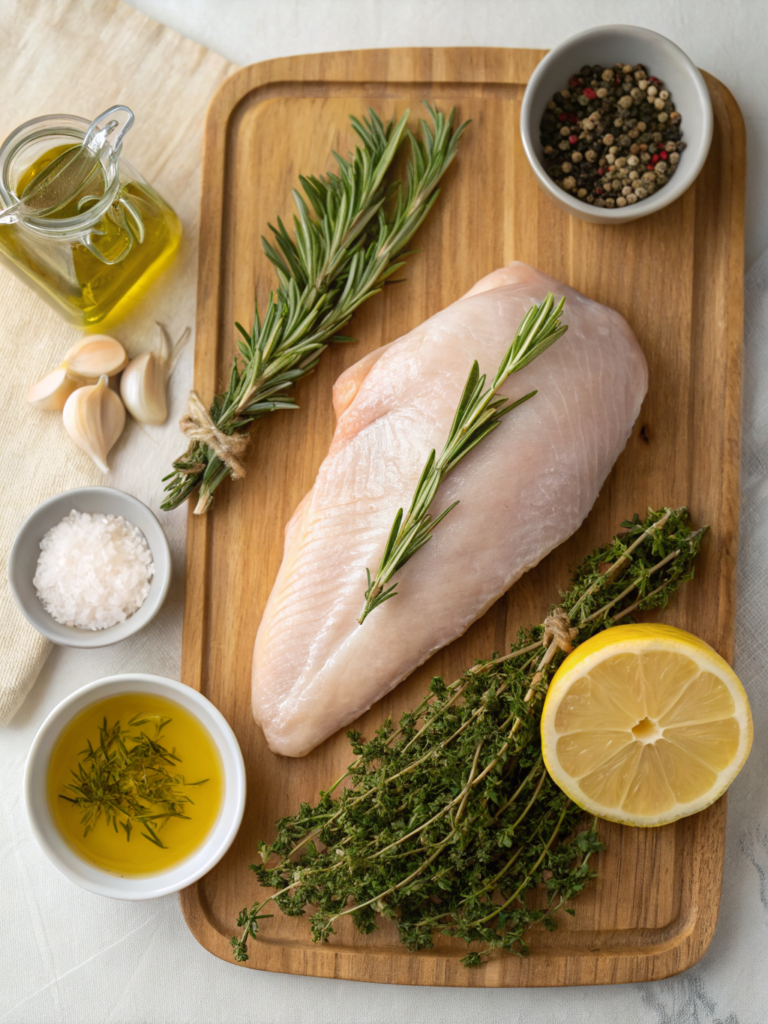
For this moist roasted turkey breast, you need quality ingredients that work together to create incredible flavor and texture. Fresh herbs and aromatic butter create a golden, crispy skin while keeping the meat succulent inside.
How to Make It
This is just the overview. Scroll down to the recipe card for exact measurements and timing.
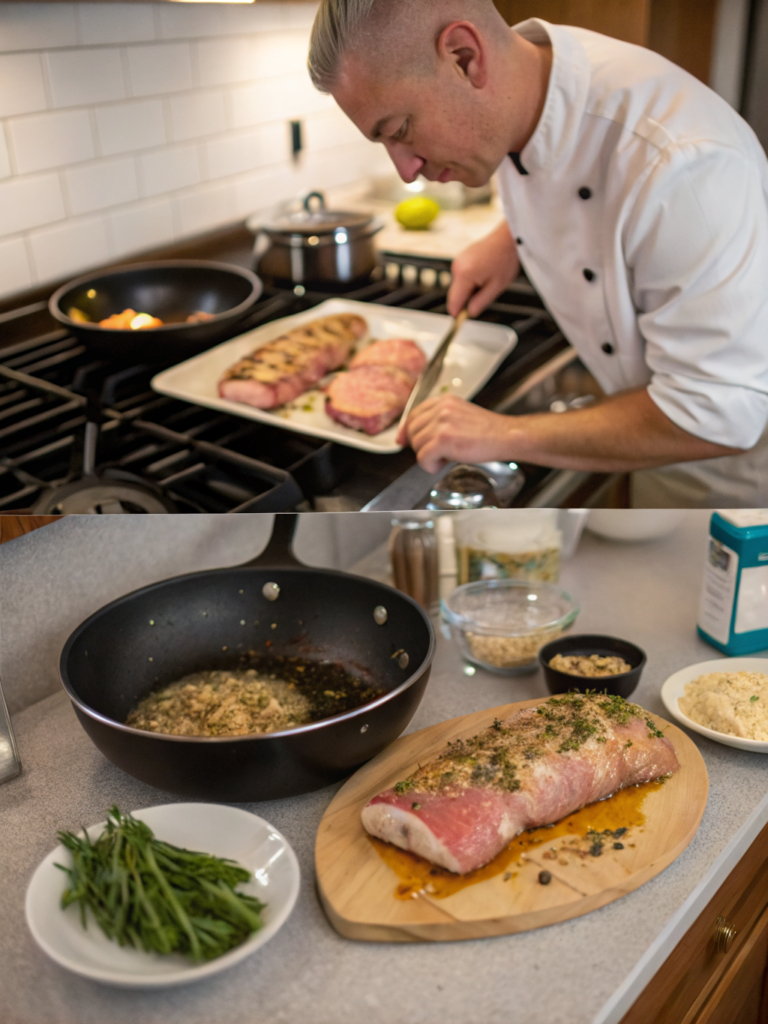
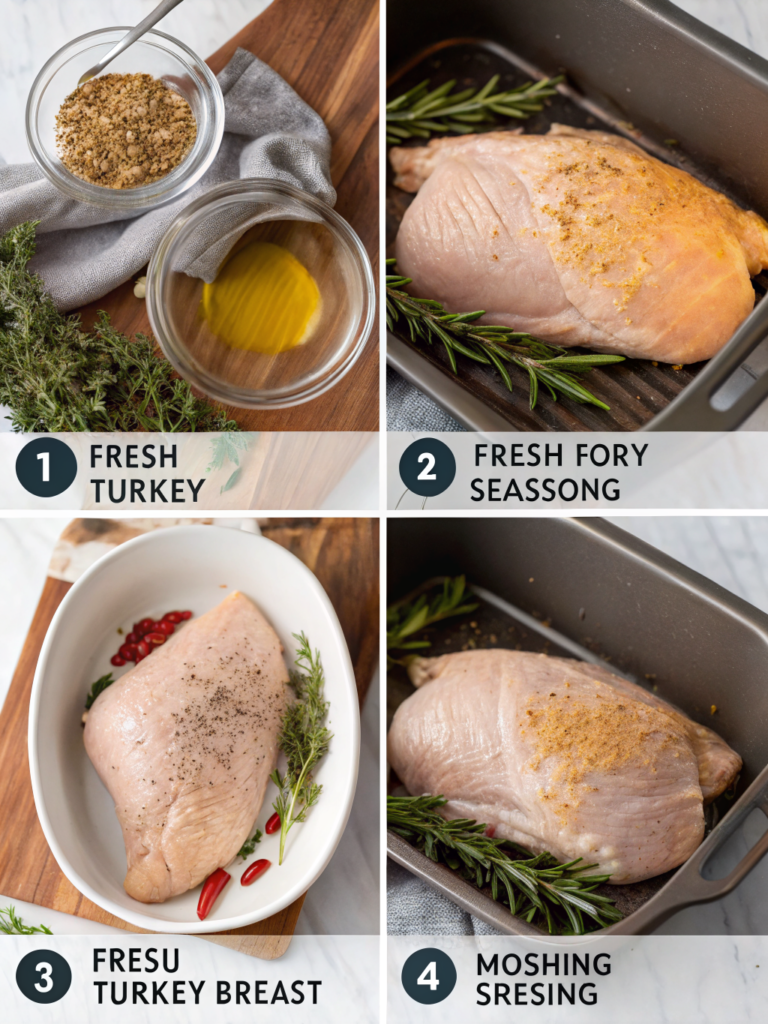
Rub garlic herb butter both under and over the skin, then roast on a bed of vegetables and broth at 350F, basting every 30 minutes, until the thickest part reaches 165F. Rest 15-20 minutes before carving against the grain.
Make Ahead Method
- The herb butter can be made up to 3 days ahead and stored in the fridge, or up to 3 months in the freezer.
- The turkey can be seasoned with the butter up to 24 hours ahead and refrigerated uncovered, which also helps the skin crisp.
- Leftover turkey reheats well gently in a low oven with a splash of broth to keep it moist.
Roast Turkey Breast
Course: TurkeyCuisine: AmericanDifficulty: Medium8
servings15
minutes1
hour45
minutes220
kcalGarlic herb butter roast turkey breast with a golden, crispy skin and juicy interior.
Ingredients
1 bone-in turkey breast, 5-7 lbs
4 tbsp unsalted butter, softened
4 garlic cloves, minced
2 tbsp fresh rosemary, chopped
2 tbsp fresh thyme leaves
1 tbsp fresh sage, chopped
2 tsp kosher salt
1 tsp black pepper, freshly ground
1 lemon, halved
1 cup low-sodium chicken or turkey broth
1 medium onion, quartered
2 carrots, roughly chopped
Directions
- Prepare the turkey. Bring to room temperature 30-45 minutes. Pat completely dry and remove any pin feathers.
- Make the herb butter. Combine softened butter with garlic, rosemary, thyme, sage, salt, and pepper.
- Season. Separate the skin from the meat and spread two-thirds of the butter underneath. Rub the rest over the skin.
- Prepare the pan. Preheat oven to 350F. Place onion and carrots in a roasting pan, add broth, and squeeze lemon over the turkey.
- Roast. Place turkey skin-side up on a rack over the vegetables. Insert a thermometer into the thickest part, avoiding bone. Roast uncovered, about 20 minutes per pound.
- Baste. Every 30 minutes, baste with pan juices. Tent with foil if the skin browns too quickly.
- Rest and carve. Rest 15-20 minutes tented with foil, then carve against the grain into thin slices.
Notes
- The internal temperature will rise 5 to 10 degrees during resting, so pull the turkey at 165F, not higher. Separating the skin carefully without tearing it makes a real difference in how the butter distributes.
For food safety, turkey should reach a minimum internal temperature of 165°F (USDA guidelines).
Nutritional Information
A 4-ounce serving of roast turkey breast prepared according to this recipe provides approximately:
- Calories: 220, about 40 percent fewer calories than dark meat turkey portions.
- Protein: 34g, nearly 70 percent of the average adult’s daily protein requirement in a single serving.
- Fat: 8g, primarily from the herb butter, with only 2g saturated. Removing the skin reduces fat by about 60 percent.
- Carbohydrates: 1g, naturally low-carb and suitable for ketogenic diets.
- Sodium: 480mg, about 20 percent of daily recommended intake.
- Cholesterol: 95mg, less than many other protein sources including beef and pork.
- Excellent source of B vitamins, especially B6 and niacin, plus selenium, phosphorus, and zinc.
Healthier Alternatives for the Recipe
Making this recipe healthier does not mean sacrificing flavor.
- Reduce Butter Content: Replace half the butter with olive oil, reducing saturated fat by about 50 percent.
- Use a Dry Brine: Apply salt and herbs 12-24 hours ahead instead of butter under the skin, for flavor and moisture without added fat.
- Increase Vegetables: Add Brussels sprouts, sweet potatoes, or parsnips to the roasting pan for a complete one-pan meal.
- Remove Skin Before Serving: Eliminates about 60 percent of the fat, since the meat has already absorbed the flavor.
- Use Low-Sodium Broth: Can reduce sodium by up to 40 percent compared to regular commercial broth.
Serving Suggestions
A beautifully roasted turkey breast deserves equally impressive accompaniments.
- Classic Holiday Presentation: Serve with mashed potatoes, herb stuffing, cranberry sauce, and roasted Brussels sprouts.
- Mediterranean-Inspired Plate: Pair with couscous pilaf, roasted vegetables with tahini, and a cucumber-tomato salad.
- Comfort Food Bowl: Serve over wild rice with roasted root vegetables and pan gravy, topped with dried cranberries and pecans.
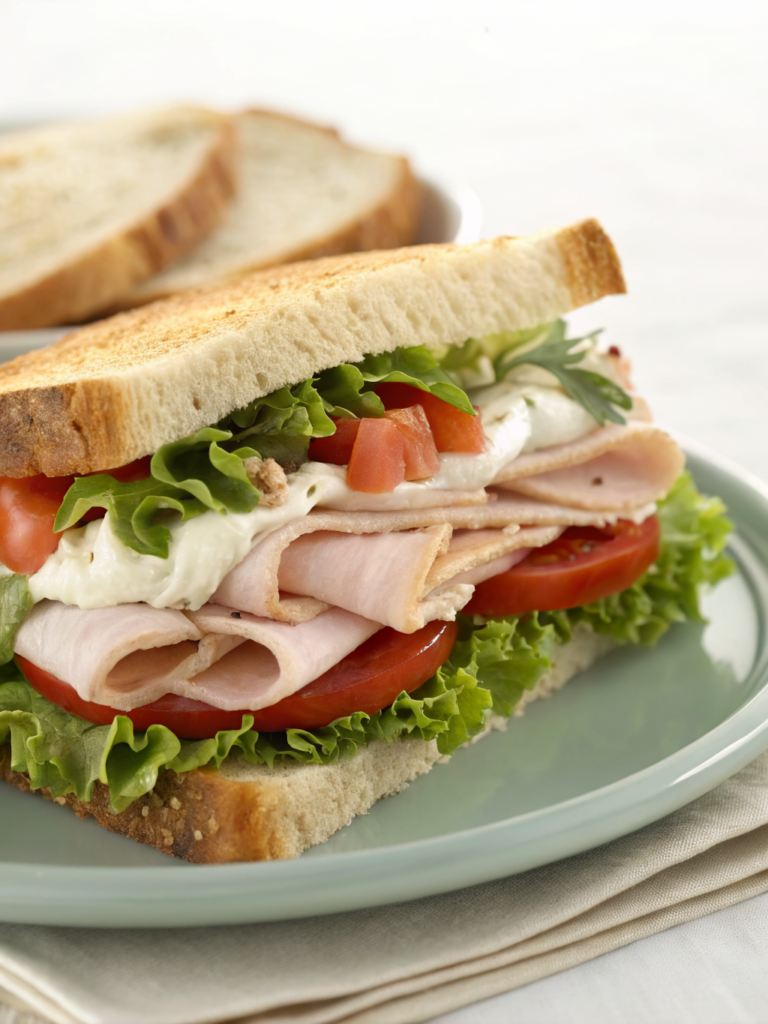
- Sandwich Excellence: Use leftovers on crusty bread with arugula, cranberry aioli, and brie cheese.
- Light and Fresh: Serve room-temperature slices over greens with pomegranate seeds, candied walnuts, and citrus vinaigrette.
Common Mistakes to Avoid
Even experienced cooks can encounter challenges when preparing turkey breast.
- Starting with Cold Turkey: Cooking straight from the fridge leads to uneven cooking. Always allow 30-45 minutes to reach room temperature.
- Overcooking: The number one mistake resulting in dry turkey. It is done at 165F, and cooking beyond that rapidly decreases moisture.
- Skipping the Resting Period: Cutting immediately causes juices to run out onto the board. Resting results in noticeably juicier meat.
- Not Drying the Skin: Surface moisture creates steam rather than allowing proper browning. Always pat dry before seasoning.
- Using Too High Temperature: Roasting above 375F can dry out the exterior before the interior cooks through.
- Neglecting to Baste: Basting every 30 minutes adds moisture and promotes even browning.
- Incorrect Pan Size: Too large causes drippings to burn, too small blocks air circulation. Leave about 2 inches of space around the turkey.
- Forgetting Thermometer Placement: Inserting too close to bone gives inaccurate readings. Place it in the thickest part of the breast.
Storing Tips for the Recipe
Proper storage techniques ensure your leftover roast turkey breast remains safe, flavorful, and ready for delicious secondary meals.
- Immediate Refrigeration: Remove turkey meat from the bone within 2 hours of cooking and store in an airtight container for up to 3-4 days.
- Freezer Storage: Freeze sliced or whole turkey with some pan juices for up to 3 months.
- Reheating: Warm gently in a low oven with a splash of broth to restore moisture, avoiding the microwave if possible.
Conclusion: A Smaller Roast Worth Mastering
A roast turkey breast gives you all the flavor of a holiday centerpiece without needing to cook a whole bird. Once you nail the herb butter and the thermometer timing, this becomes a reliable option for a smaller gathering or just a special Sunday dinner.
The technique matters more than the exact herb blend, so feel free to adjust the seasoning to whatever you have on hand once you are comfortable with the method.
FAQ
Can I use a boneless turkey breast instead?
Yes, boneless cooks faster, about 15 minutes per pound instead of 20, so check the temperature earlier.
Do I need to truss the turkey breast?
Not necessary for a breast alone, though tying it into a more even shape can help it cook more uniformly.
Can I make this ahead for a holiday?
The herb butter can be made up to 3 days ahead, and the turkey can be seasoned up to 24 hours ahead, but it is best roasted fresh.
Why is my skin not crispy?
This usually means the surface was not dried thoroughly enough before roasting, or the temperature was too low.
Can I brine this instead of using herb butter?
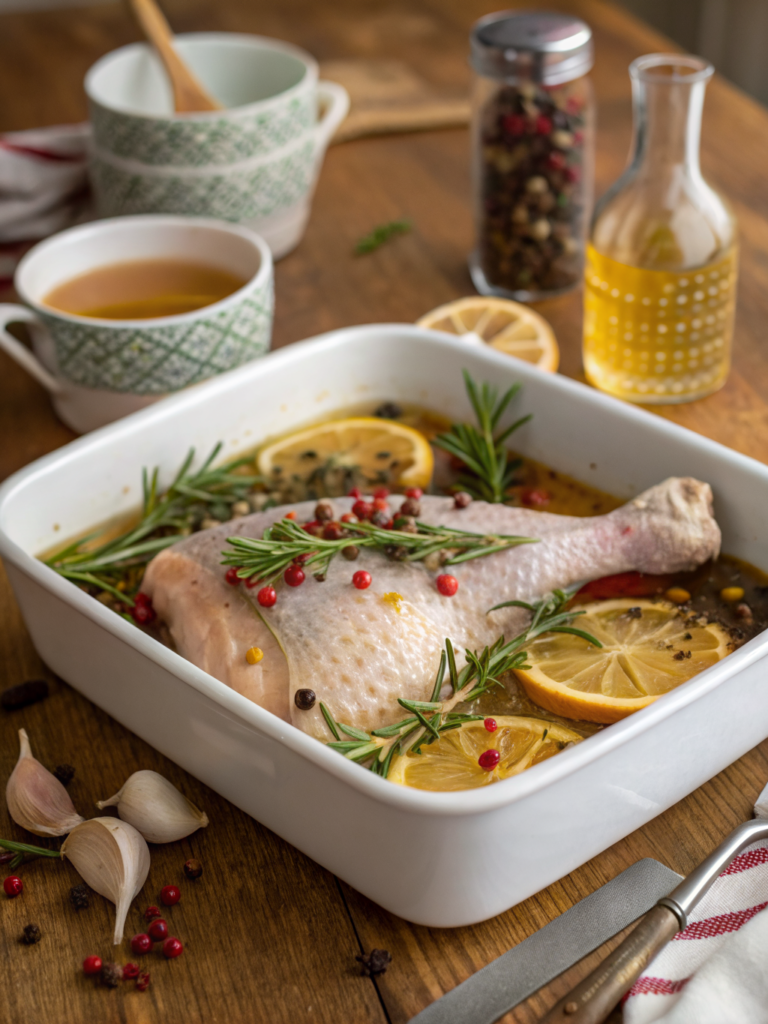
Yes, a wet or dry brine works well as an alternative or in addition, though adjust added salt in the seasoning if you brine first.
How do I use the pan juices?
Strain them and use as a base for gravy, or drizzle directly over the sliced turkey.
Try These Next
Did You Try Our Recipes?
Best recipe ever
I love it, absolutely delicious