Pan Fried Salmon
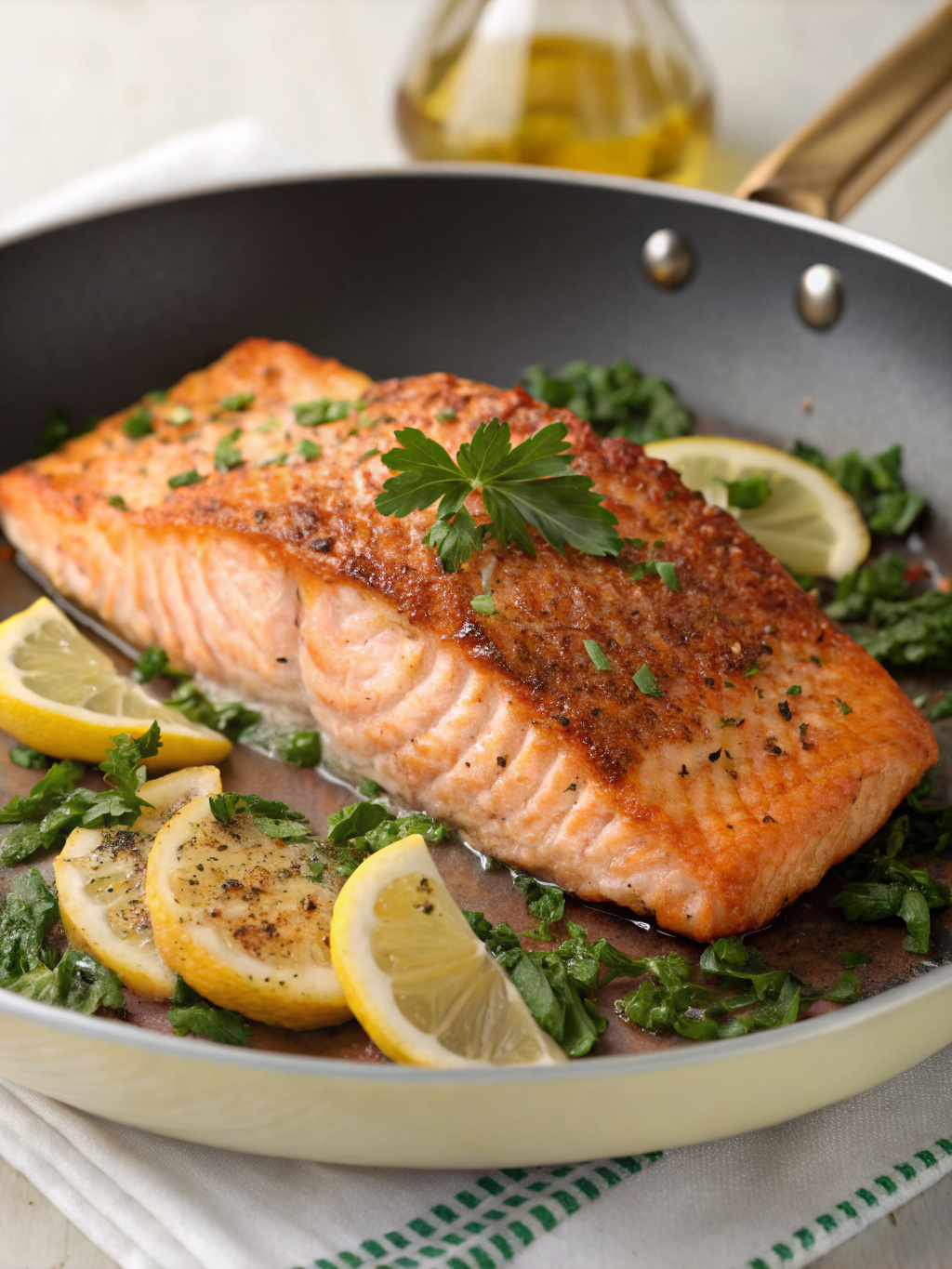
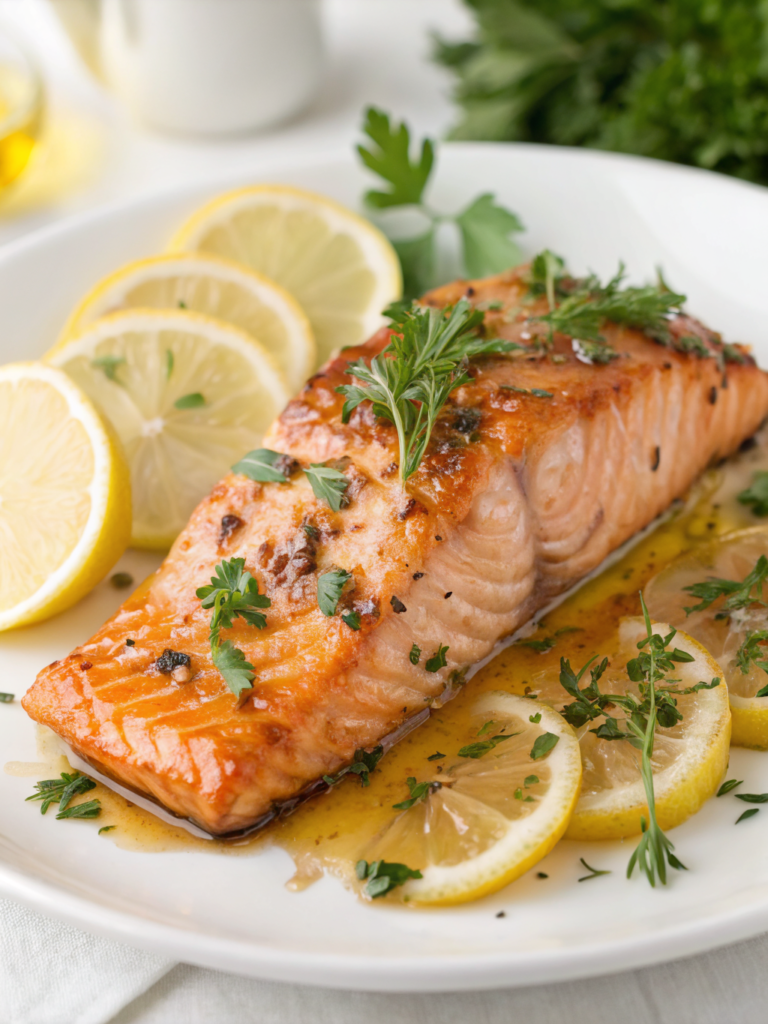
This pan fried salmon gets a golden, crispy skin and a garlic butter baste for genuinely restaurant-quality results in under 20 minutes.
Try my Honey Salmon Recipe or Salmon and Rice next for more salmon dinners!
Why This Pan Fried Salmon Gets Genuinely Crispy Skin
The gap between soggy salmon skin and genuinely crispy skin comes down to one thing more than any other: moisture. Water is the enemy of a good sear, so patting the salmon completely dry before it hits the pan matters more than the type of pan or the amount of oil.
The other detail worth taking seriously is patience. Let the skin cook undisturbed for the full 5-7 minutes rather than checking or flipping early, it will release naturally from the pan when it is actually ready.
Ingredients
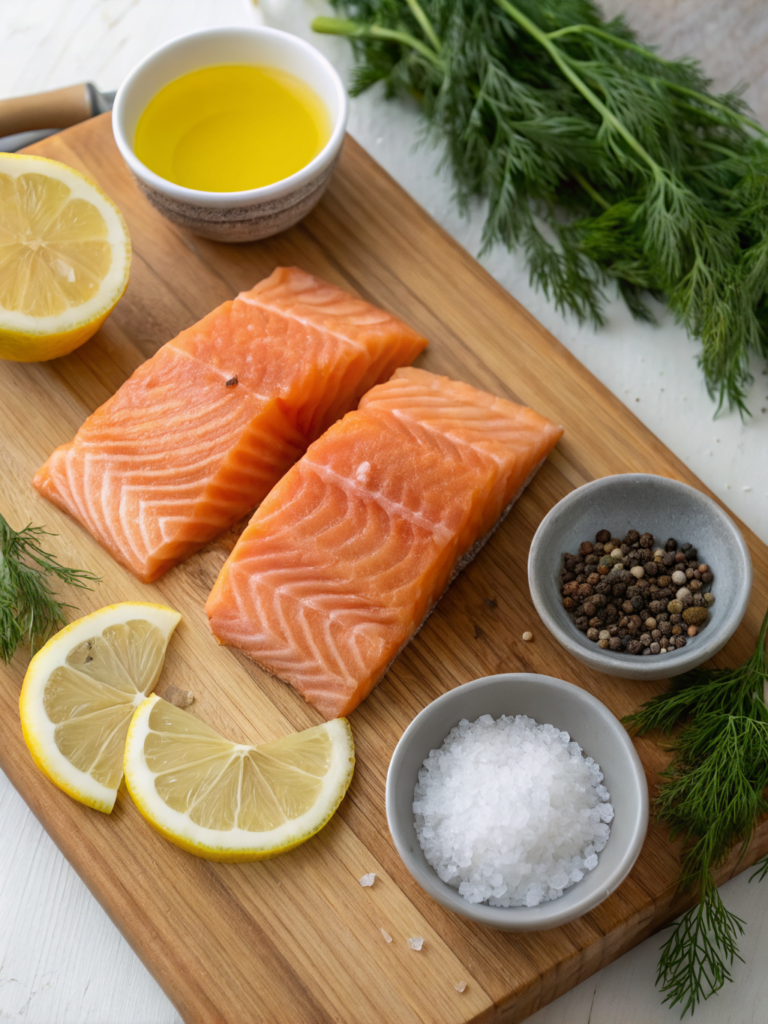
The beauty of pan fried salmon lies in its simplicity. You need just a handful of quality ingredients to create an extraordinary dish.
How to Make It
This is just the overview. Scroll down to the recipe card for exact measurements and timing.
Pat the salmon completely dry, season, then sear skin-side down in a hot pan undisturbed for 5-7 minutes. Flip, add butter and garlic, baste for a few minutes, then rest before serving with lemon.
Make Ahead Method
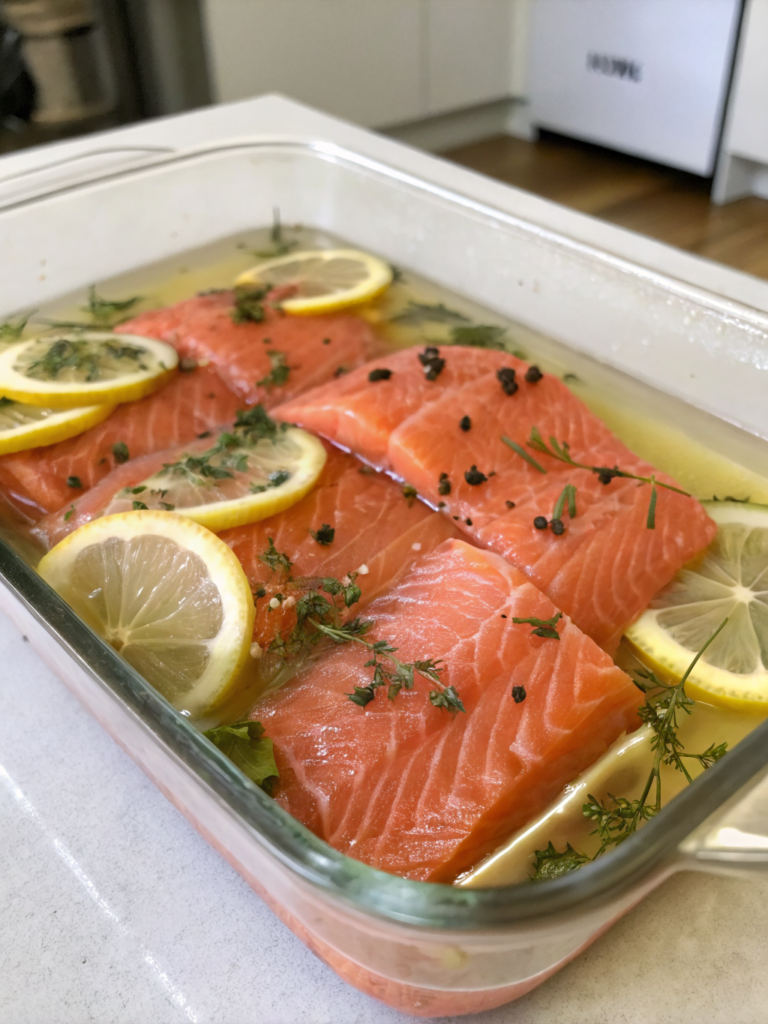
- Salmon can be seasoned up to a few hours ahead and kept refrigerated, patted dry again just before cooking.
- This dish is genuinely best cooked fresh, since the crispy skin does not hold or reheat the same way.
- Leftover cooked salmon flakes beautifully into a salad the next day, even cold.
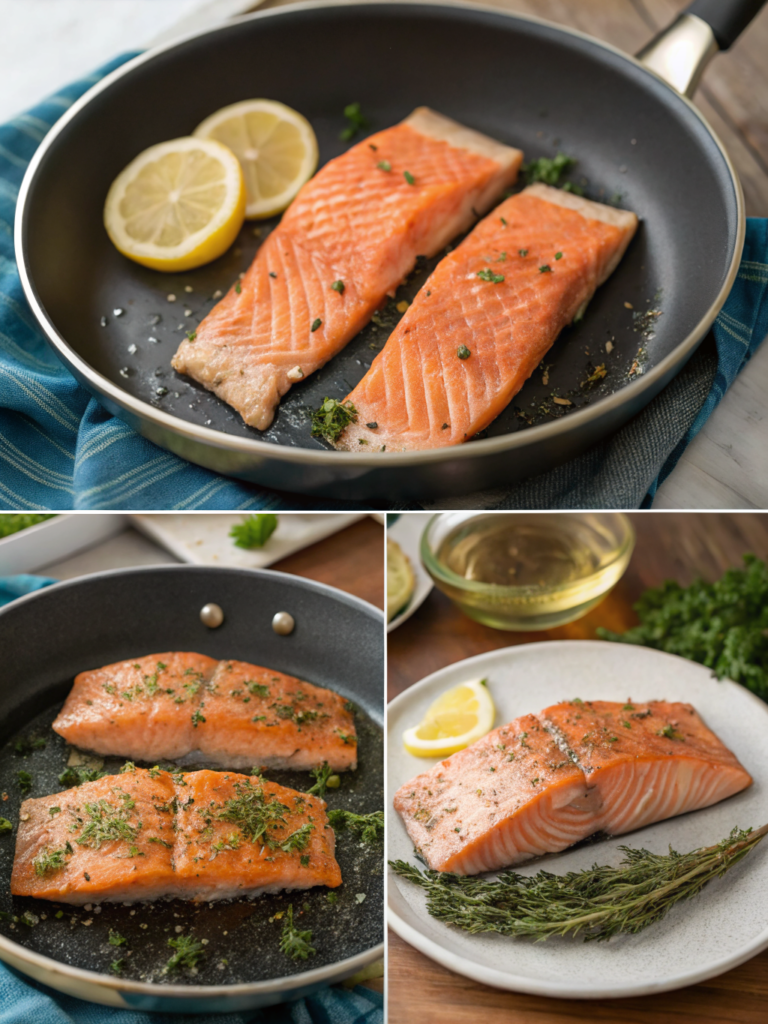
Pan Fried Salmon
Course: SeafoodCuisine: AmericanDifficulty: Easy4
servings30
minutes40
minutes300
kcalCrispy-skinned pan fried salmon with a garlic butter baste, ready in under 20 minutes.
Ingredients
4 salmon fillets, 6 oz each, skin-on
2 tbsp olive oil or avocado oil
2 tbsp unsalted butter
3 garlic cloves, minced
1 tsp sea salt
1/2 tsp black pepper, freshly ground
1 lemon, cut into wedges
Fresh dill, parsley, or thyme, optional, for garnish
Directions
- Prepare the salmon. Rest at room temperature 15 minutes, then pat completely dry, especially the skin side. Season both sides with salt and pepper.
- Heat the pan. Heat a heavy-bottomed skillet over medium-high 2-3 minutes. Add oil and swirl to coat, it should shimmer but not smoke.
- Sear skin-side down. Place salmon skin-side down, pressing gently for 10-15 seconds. Cook undisturbed 5-7 minutes until golden and it releases easily.
- Flip and finish. Flip, add butter and garlic. Cook 2-3 minutes for medium, basting with the garlic butter.
- Check doneness. Target 125F for medium-rare or 135F for medium, checking the thickest part.
- Rest and serve. Rest 2-3 minutes, then squeeze fresh lemon over the top and drizzle with pan sauce.
Notes
- Do not move the salmon while the skin side sears, it needs the full time to release naturally and crisp properly. Salmon continues cooking after removal from heat, pull it slightly before your target temperature.
The USDA recommends cooking fish to a minimum internal temperature of 145°F (USDA guidelines), though many cooks prefer salmon at 125-135°F for a more medium-rare texture, a personal doneness choice to make with that guidance in mind.
Nutritional Information
A 6-ounce serving of pan fried salmon prepared according to this recipe provides exceptional nutritional value:
- Calories: 367 | Protein: 39g (78% DV) | Fat: 22g (15g from salmon itself) | Omega-3s: 4.5g EPA and DHA | Carbohydrates: less than 1g | Sodium: approximately 520mg
That omega-3 content exceeds the American Heart Association weekly recommended intake in just one serving. Salmon also delivers vitamin D (127% DV), vitamin B12 (97% DV), and selenium (78% DV), supporting bone health, energy metabolism, and antioxidant protection.
Healthier Alternatives for the Recipe
While this recipe is already nutritionally balanced, several modifications can further enhance its health profile.
- Dairy-Free: Replace butter with additional olive or avocado oil, reducing saturated fat by about 7 grams per serving.
- Lower Calorie: Reduce oil to 1 tablespoon and use a non-stick pan, saving about 60 calories per serving.
- Anti-Inflammatory Boost: Add 1/2 teaspoon each of turmeric and ginger to the seasoning blend.
- Mediterranean Finish: Top with a tomato-caper relish instead of garlic butter for a lighter, brighter version.
- Wild-Caught Choice: Wild salmon typically has fewer contaminants and a better omega-6 to omega-3 ratio than farmed.
Serving Suggestions
The versatility of perfectly cooked salmon makes it suitable for countless serving scenarios.
- Garlic Sauteed Greens: Serve over spinach or kale for a nutrient-dense, low-carb meal.
- Roasted Vegetables: Pair with asparagus, Brussels sprouts, or rainbow carrots, drizzled with the garlic butter from the pan.
- Creamy Mashed Cauliflower: A complementary, low-carb side with fresh dill for an elegant presentation.
- Salmon Salad: Flake cooled leftovers over mixed greens, tomatoes, cucumber, and red onion with lemon vinaigrette.
- Asian-Inspired Bowl: Serve over coconut rice with steamed bok choy and toasted sesame seeds.
Common Mistakes to Avoid
Understanding these common pitfalls helps you achieve consistent, restaurant-quality results.
- Starting With Cold Salmon: Cooking straight from the fridge causes uneven cooking. Always allow 15 minutes at room temperature first.
- Not Drying the Salmon Thoroughly: Moisture creates steam rather than a sear, preventing crispy skin.
- Using Insufficient Heat: A pan that is not hot enough causes sticking and prevents browning. Heat for 2-3 minutes before adding oil.
- Moving the Salmon Too Soon: This tears the skin and disrupts crust formation. Let it cook undisturbed for at least 5 minutes.
- Overcooking the Fish: Salmon continues cooking after removal from heat. Remove when slightly underdone in the center.
- Crowding the Pan: Too many fillets drops the temperature and creates steam instead of a sear. Cook in batches if necessary.
- Using the Wrong Pan: Thin, lightweight pans create hot spots. A heavy-bottomed stainless steel or cast iron skillet works best.
- Skipping the Resting Period: Cutting immediately causes juices to run out, leaving the fish drier.
Storing Tips for the Recipe
Proper storage keeps leftover pan fried salmon safe to eat while maintaining flavor and texture.
- Refrigerator Storage: Cool within 30 minutes, refrigerate within 2 hours, and store in an airtight container for 3-4 days.
- Storage Tip: Store the salmon separate from any sauces or sides, this prevents it from becoming soggy and lets you reheat components separately.
- Freezer Storage: Freeze cooked salmon in an airtight container for up to 2 months, though texture is best enjoyed fresh.
- Reheating: Warm gently in a low oven or skillet rather than the microwave, to avoid overcooking it further.
Conclusion: A Genuine Weeknight Staple
Once you get the dry-then-sear technique down, this pan fried salmon becomes one of those dinners you can pull off confidently on a random Tuesday, in under 20 minutes, with results that genuinely taste like they came from a restaurant.
The garlic butter baste is the detail that elevates it further, so do not skip that step once you have the basic method mastered.
FAQ
Do I need to remove the skin before cooking?
No, skin-on fillets actually crisp up beautifully and help hold the fish together while cooking.
What if I do not have a cast iron or stainless steel pan?
A heavy-bottomed non-stick pan works too, though you may not get quite as deep a crust as with cast iron or stainless.
How do I know when to flip the salmon?
It should release easily from the pan on its own. If it sticks, give it another minute before trying again.
Can I use frozen salmon?
Yes, thaw completely in the refrigerator first for even cooking and a proper sear.
Why did my salmon skin turn out soggy instead of crispy?
This almost always means the salmon was not dried thoroughly enough, or the pan was not hot enough before adding it.
Can I make this without butter?
Yes, use additional olive or avocado oil instead for a dairy-free version with a similar richness.
Try These Next
Did You Try Our Recipes?
Best recipe ever
I love it, absolutely delicious