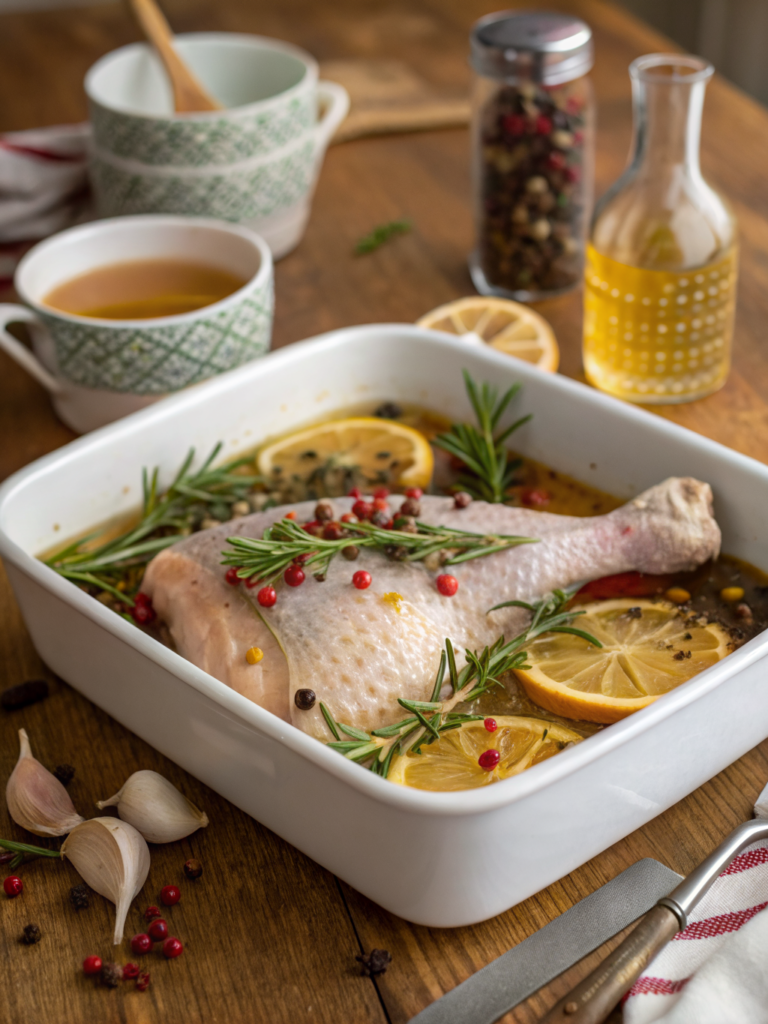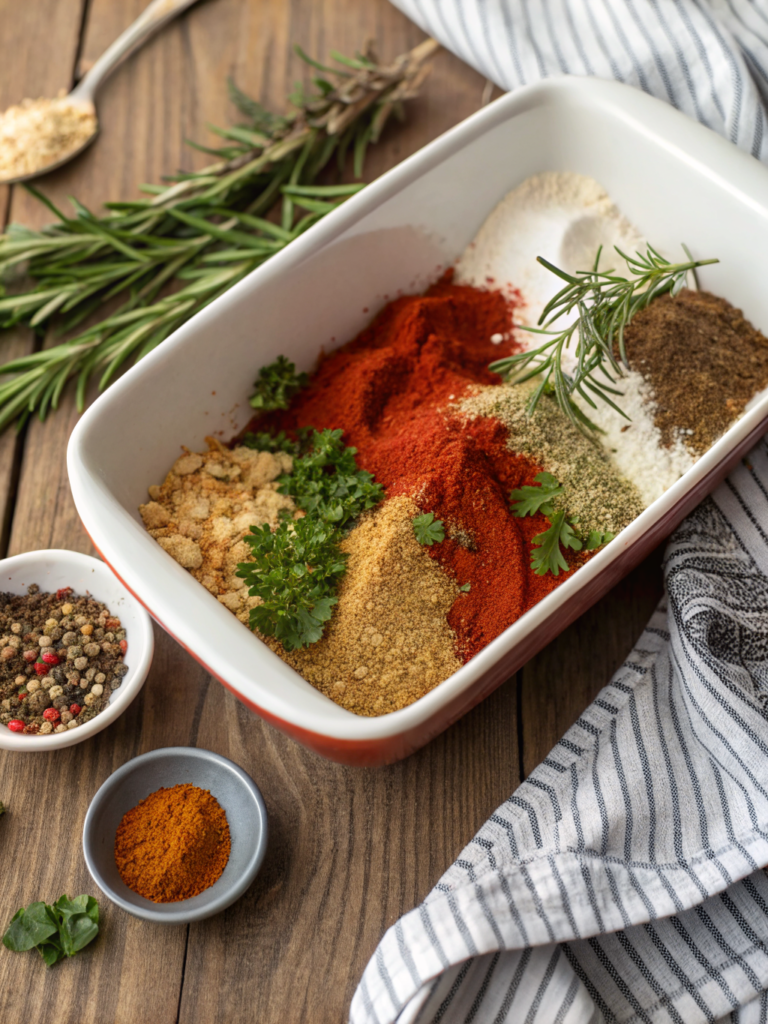
Turkey Bolognese
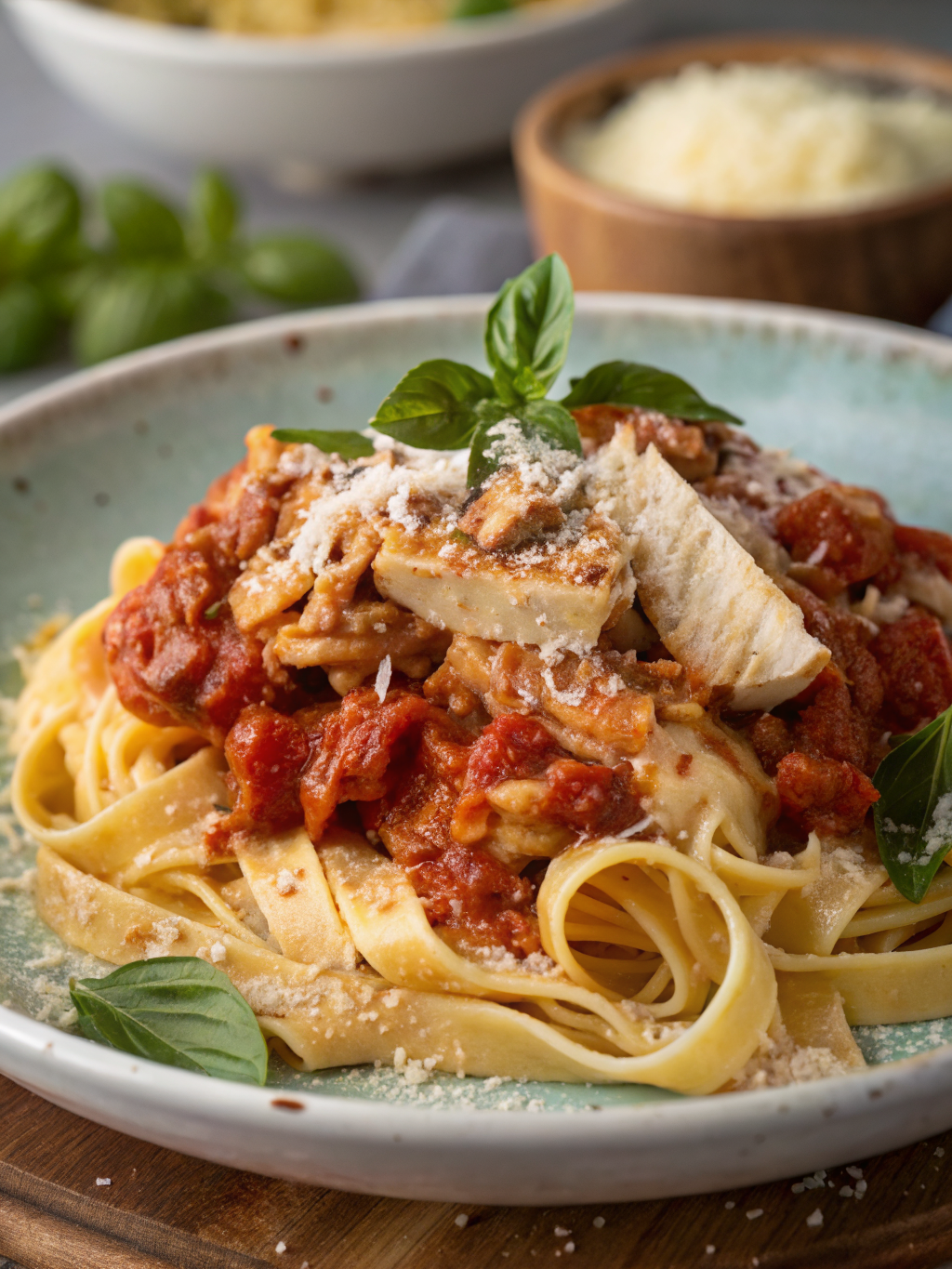
This turkey Bolognese delivers the same rich, slow-simmered depth as the classic beef version, with about 60 percent less saturated fat. Genuinely satisfying, not a compromise.
Try my Beef and Noodles or Beef Broth Gravy next for more comforting pasta-friendly sauces!
Why This Turkey Bolognese Actually Tastes Rich
The trick to a turkey bolognese that does not taste thin or watery is treating the tomato paste and wine the same way you would in a beef version. Toasting the paste until it darkens, and reducing the wine until the raw alcohol smell is gone, both build real depth that ground turkey alone would not have on its own.
The other detail worth taking seriously is the fat content of your turkey. 93% lean gives you enough moisture to carry the sauce, while 99% lean tends to dry out during the simmer.
Ingredients
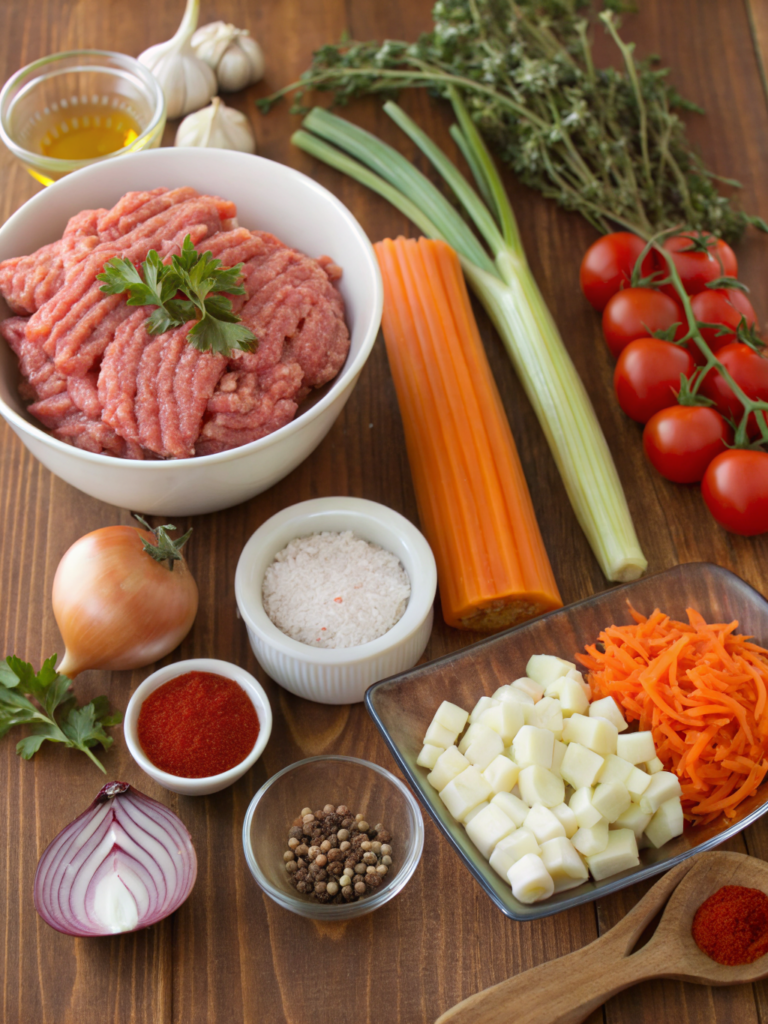
Gathering the right ingredients is essential for creating an authentic-tasting sauce. Each component plays a crucial role in developing the signature depth and complexity that makes bolognese so irresistible.
How to Make It
This is just the overview. Scroll down to the recipe card for exact measurements and timing.
Build a soffritto of onion, carrot, and celery, then brown the turkey on top. Toast the tomato paste, deglaze with wine, then add crushed tomatoes and simmer 30-35 minutes. Finish with cream, then toss with pasta and a splash of pasta water.
Make Ahead Method
- This sauce tastes even better the next day. Make it up to 3 days ahead and reheat gently before tossing with fresh pasta.
- Freeze the sauce on its own, without pasta, for the best texture when reheating.
- Freezes well for up to 3 months. Thaw overnight in the fridge before reheating.
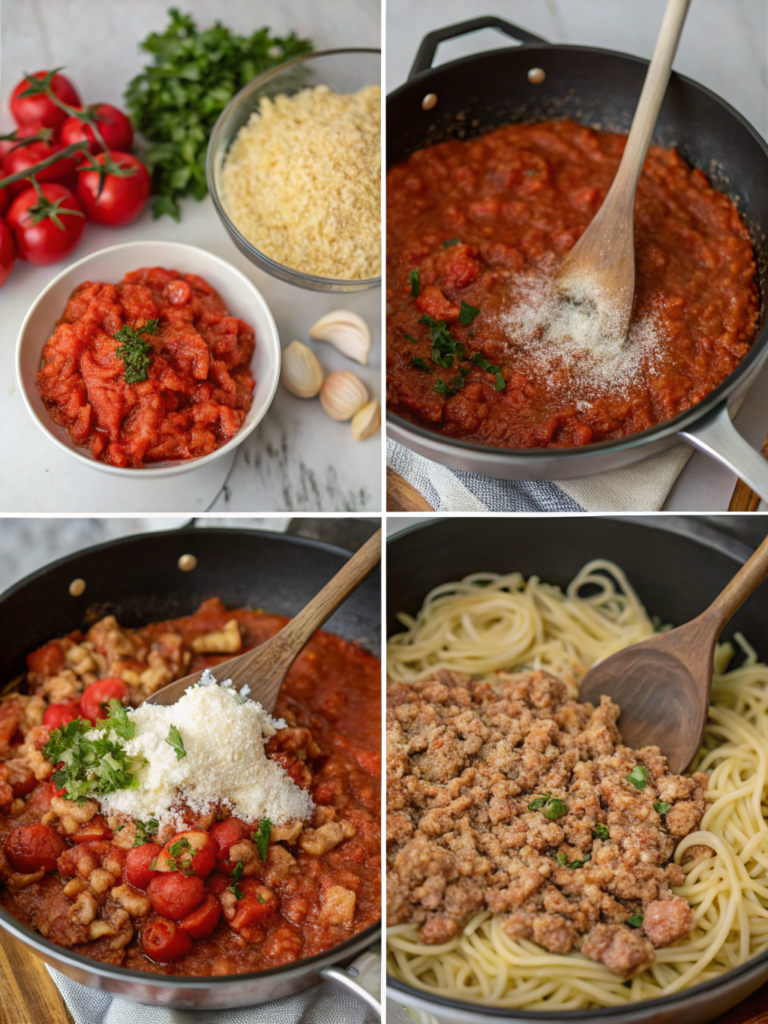
Turkey Bolognese
Course: TurkeyCuisine: ItalianDifficulty: Medium6
servings15
minutes45
minutes380
kcalA rich, slow-simmered turkey bolognese with about 60% less saturated fat than the classic beef version.
Ingredients
2 tbsp olive oil
1 medium yellow onion, finely diced
2 medium carrots, finely diced
2 celery stalks, finely diced
4 garlic cloves, minced
1.5 lbs ground turkey, 93% lean
1 tsp salt
1/2 tsp black pepper, freshly ground
1 tsp dried oregano
1 tsp dried basil
1/2 tsp red pepper flakes, optional
2 tbsp tomato paste
1/2 cup dry white wine
28 oz can crushed tomatoes
14 oz can diced tomatoes
2 tbsp heavy cream
1 bay leaf
Fresh parmesan cheese, for serving
Fresh basil leaves, for garnish
Directions
- Prepare your mise en place. Dice vegetables uniformly, mince garlic, and measure spices and liquids.
- Build the aromatic base. Heat oil, add onion, carrots, and celery, cooking 6-8 minutes. Add garlic the final minute.
- Brown the turkey. Add ground turkey, breaking apart, and let sear undisturbed 2-3 minutes before stirring. Season and cook 8-10 minutes until no pink remains.
- Toast the tomato paste. Clear a space, add paste, and let it caramelize 1-2 minutes before stirring into the meat.
- Deglaze with wine. Add wine, scraping up browned bits, and simmer 3-4 minutes until reduced by half.
- Add tomatoes and simmer. Add crushed tomatoes, diced tomatoes, and bay leaf. Simmer partially covered 30-35 minutes.
- Finish with cream. Remove the bay leaf, stir in cream, and adjust seasoning. Rest 5 minutes.
- Combine with pasta. Toss cooked pasta with the sauce and a splash of reserved pasta water, cooking together 1-2 minutes.
Notes
- Do not rush browning the turkey, letting it sit undisturbed for a few minutes builds real flavor. Toasting the tomato paste and reducing the wine fully are both worth the extra few minutes for a richer sauce.
For food safety, ground turkey should reach a minimum internal temperature of 165°F (USDA guidelines).
Nutritional Information
Understanding the nutritional profile helps you make informed dietary choices. Per serving, about 1 cup of sauce with pasta:
- Calories: 380, significantly lower than beef bolognese, which typically ranges from 450-550 calories.
- Protein: 28g, supporting muscle maintenance and satiety.
- Fat: 12g, with just 3g saturated, about 60 percent less saturated fat than beef-based versions.
- Carbohydrates: 42g with standard pasta, including 4g fiber from vegetables and tomatoes.
- Also provides 15% DV iron, 20% DV vitamin A, and substantial vitamin C and potassium. The lycopene in cooked tomatoes offers antioxidant benefits, especially paired with olive oil.
- Sodium: approximately 680mg, reducible with low-sodium canned tomatoes.
Healthier Alternatives for the Recipe
Transform this already nutritious recipe into an even lighter option with strategic substitutions.
- Leaner Turkey: Use 99% lean ground turkey breast, adding a tablespoon of olive oil during browning to prevent dryness.
- Lower Calorie Cream Swap: Substitute heavy cream with unsweetened cashew cream or Greek yogurt stirred in off-heat.
- Increase Vegetables: Add finely diced mushrooms, zucchini, or bell peppers during the soffritto stage for more fiber and volume.
- Lower-Carb Pasta Swap: Serve over spiralized zucchini noodles, spaghetti squash, or shirataki noodles.
- Dairy-Free Version: Omit the cream entirely or use full-fat coconut milk, and replace parmesan with dairy-free alternatives or extra fresh herbs.
Serving Suggestions
This versatile turkey bolognese shines when paired thoughtfully with complementary sides and presentations.
- Classic Pasta Pairing: Serve over spaghetti, pappardelle, or rigatoni, wider noodles capture more sauce.
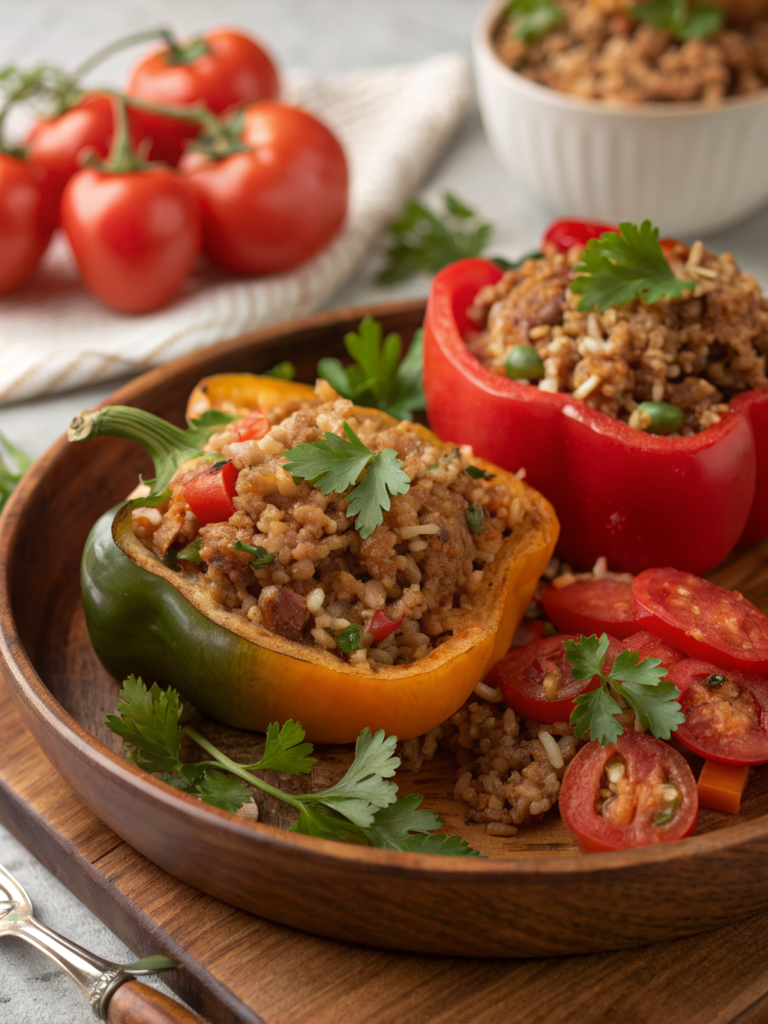
- Leftover Transformations: Layer with lasagna noodles and ricotta for a quick lasagna, or stuff into bell peppers topped with mozzarella.
- Simple Sides: Pair with an arugula salad dressed in lemon vinaigrette, and garlic bread for soaking up extra sauce.
- Wine Pairing: A glass of Chianti or Sangiovese complements the tomato-based sauce beautifully.
- Family-Style Serving: Present in a large shallow bowl surrounded by different pasta shapes, with cheese and red pepper flakes on the side.
Common Mistakes to Avoid
Understanding these common pitfalls ensures success on your first attempt with this turkey bolognese.
- Not Browning the Turkey Properly: Rushing this step results in gray, steamed meat lacking depth. Let it sit undisturbed for a few minutes before stirring.
- Using Turkey That Is Too Lean: 99% lean produces dry, crumbly sauce. Choose 93% lean for optimal moisture and texture.
- Skipping the Wine Deglazing Step: Wine lifts flavorful browned bits and adds complexity. The alcohol fully evaporates during cooking.
- Over-Simmering the Sauce: Cooking too long can make turkey tough and grainy. Ground turkey cooks faster than beef, so 30-35 minutes is usually enough.
- Adding Cream Too Early: Stirring it in before the sauce has reduced can make the final texture thinner than intended.
- Not Reserving Pasta Water: Skipping this step makes it harder to adjust the sauce consistency when tossing with pasta.
Storing Tips for the Recipe
Proper storage keeps this turkey bolognese tasting great for days after cooking.
- Refrigerator Storage: Cool completely, then store the sauce (ideally without pasta) in an airtight container for up to 4 days.
- Freezer Storage: Freeze the sauce on its own for up to 3 months. Thaw overnight in the fridge before reheating.
- Reheating: Warm gently on the stovetop, adding a splash of water or broth if it has thickened too much.
Conclusion: A Lighter Classic That Does Not Feel Like a Compromise
This turkey bolognese proves you do not need beef to get a genuinely rich, satisfying sauce. The technique, not the protein, is what makes bolognese taste the way it does.
Once you have made it a few times, this becomes an easy way to lighten up a weeknight pasta dinner without anyone at the table noticing the swap.
FAQ
Can I make this without wine?
Yes, substitute with chicken broth, reducing for about 2 minutes instead of 3-4.
Can I use ground chicken instead of turkey?
Yes, ground chicken works as a very similar substitute with the same technique.
Why is my sauce too acidic?
This usually means it needs more simmering time, or a touch more cream to mellow it out.
Can I make this ahead for a dinner party?
Yes, this sauce tastes even better the next day. Make it up to 3 days ahead and reheat gently.
What pasta shape works best?
Wider noodles like pappardelle or rigatoni capture more sauce, though spaghetti works well too.
Can I make this dairy-free?
Yes, omit the cream or use full-fat coconut milk, and skip or substitute the parmesan.
Try These Next
Did You Try Our Recipes?
Best recipe ever
I love it, absolutely delicious