Turkey Brine Recipe — Easy Homemade Guide for Juicy and Flavorful Turkey
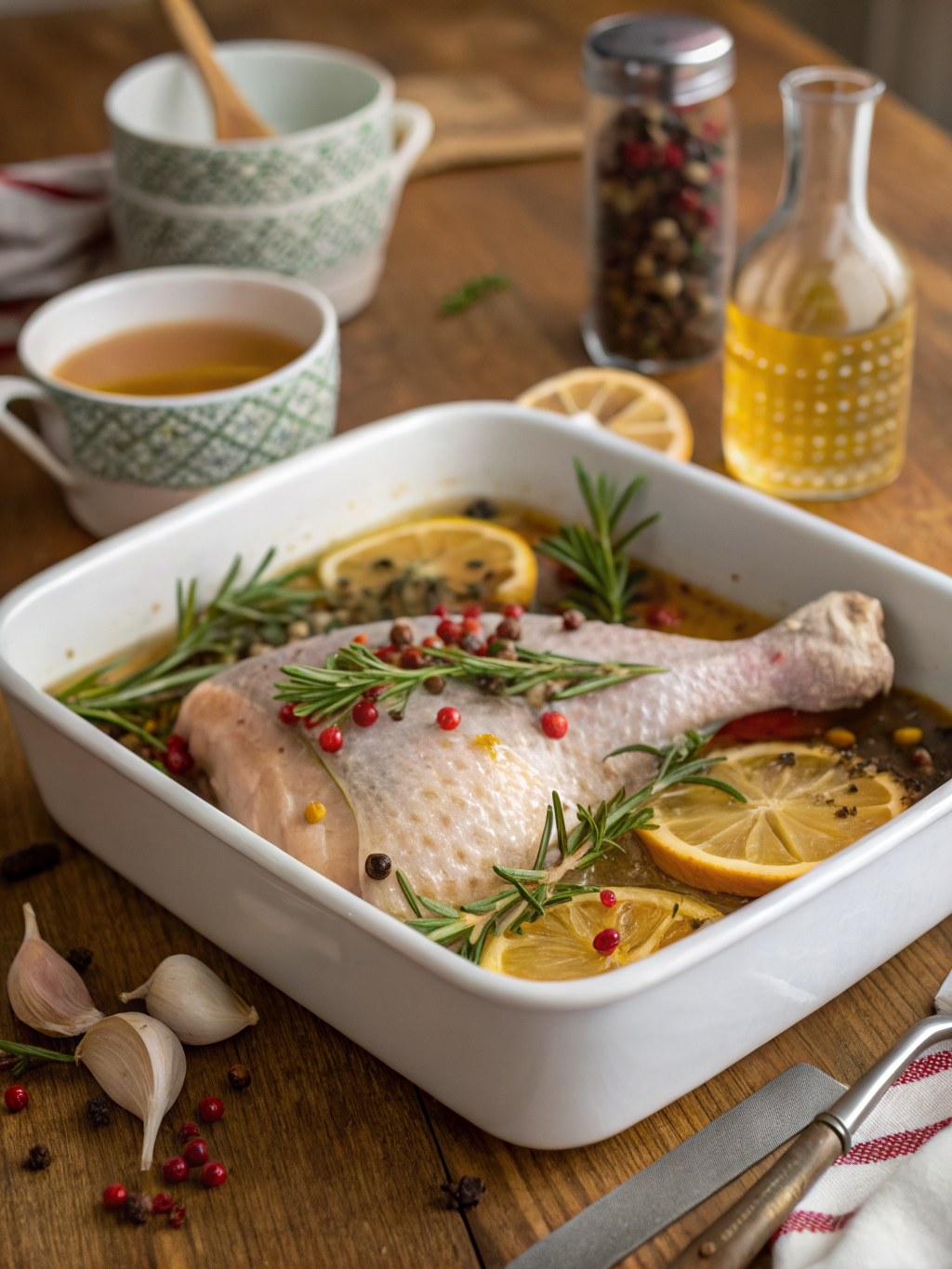
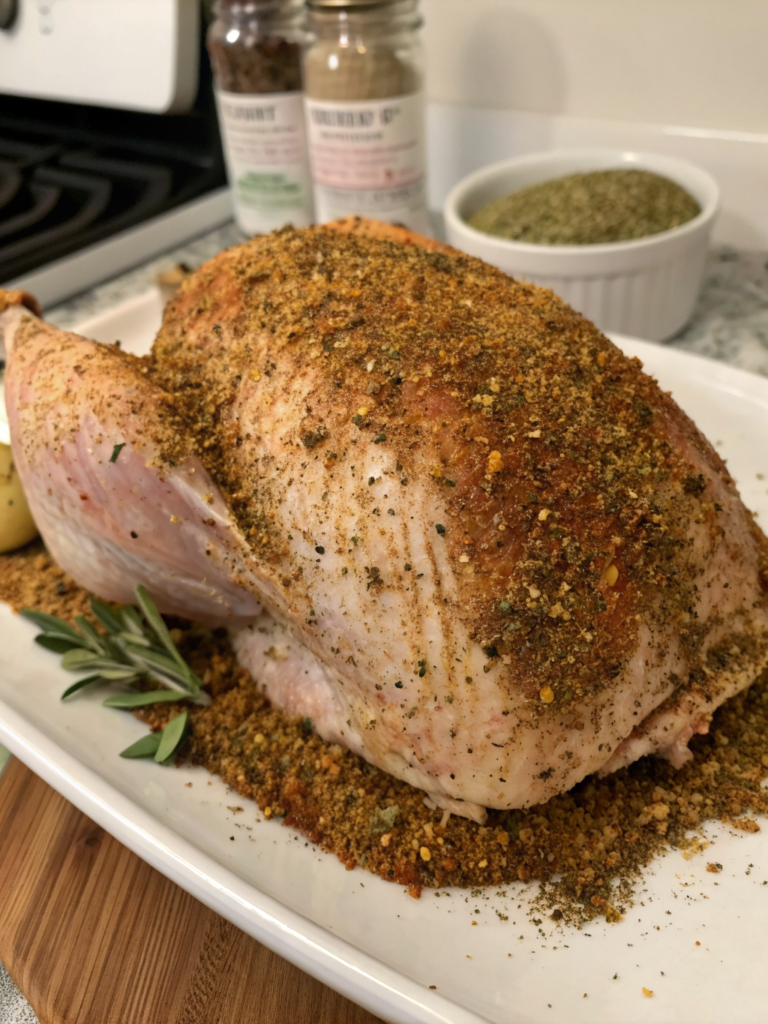
This turkey brine recipe uses a simple saltwater solution to lock moisture and flavor deep into the meat, so you never end up with a dry holiday bird again.
Try my Roast Turkey Breast or Smoked Turkey Breast next to put this brine to use!
Why This Turkey Brine Recipe Actually Works
Brining is not just adding salt to water, it is osmosis actually changing the structure of the meat. Once you understand that, the two details that matter most make sense: cooling the brine completely before the turkey goes in, and air-drying the skin afterward so it can still crisp up properly in the oven.
Skip either of those steps and you either risk food safety, or end up with rubbery skin despite having perfectly seasoned meat underneath.
Ingredients
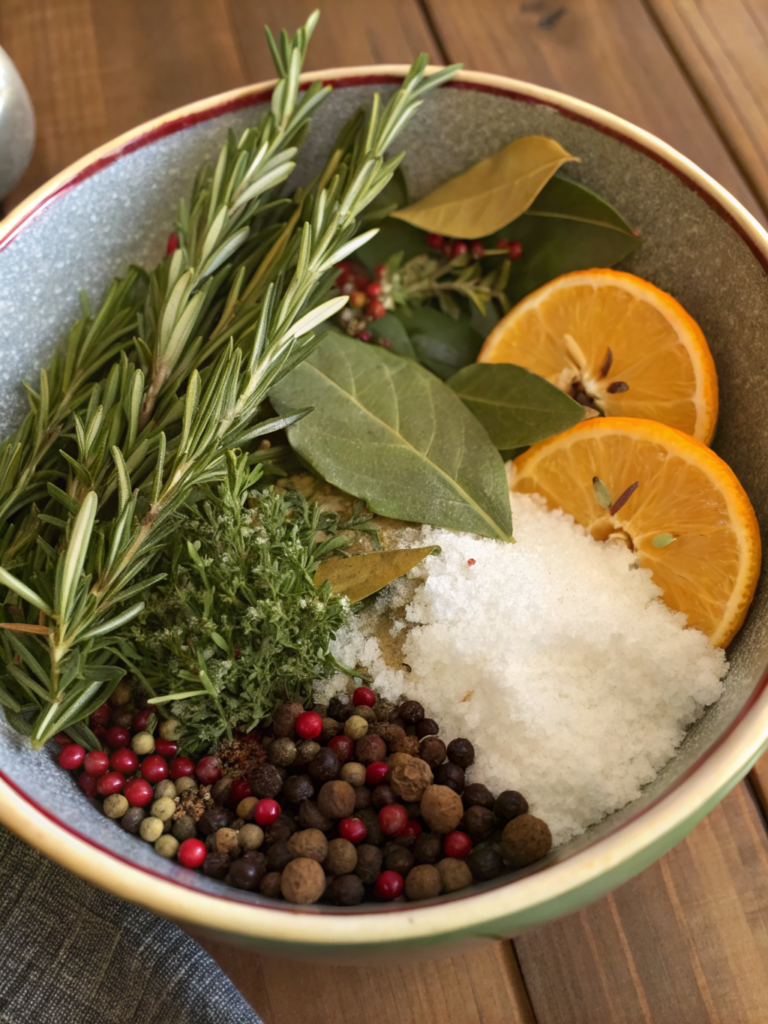
Creating the perfect turkey brine recipe requires quality ingredients in the right proportions. This recipe yields enough brine for a 12-16 pound turkey.
How to Make It
This is just the overview. Scroll down to the recipe card for exact measurements and timing.
Dissolve salt, sugar, and aromatics in hot water, then cool completely with ice before adding the turkey. Submerge for 12-24 hours in the fridge, rotating occasionally, then rinse, pat dry, and air-dry uncovered before roasting.
Make Ahead Method
- The brine liquid can be made up to 2 days ahead and stored covered in the fridge until you are ready to add the turkey.
- After brining, the turkey can sit uncovered in the fridge for up to 8 hours before roasting, which also helps the skin crisp.
- This is genuinely a make-ahead step by design, plan the brining window around your roasting schedule.
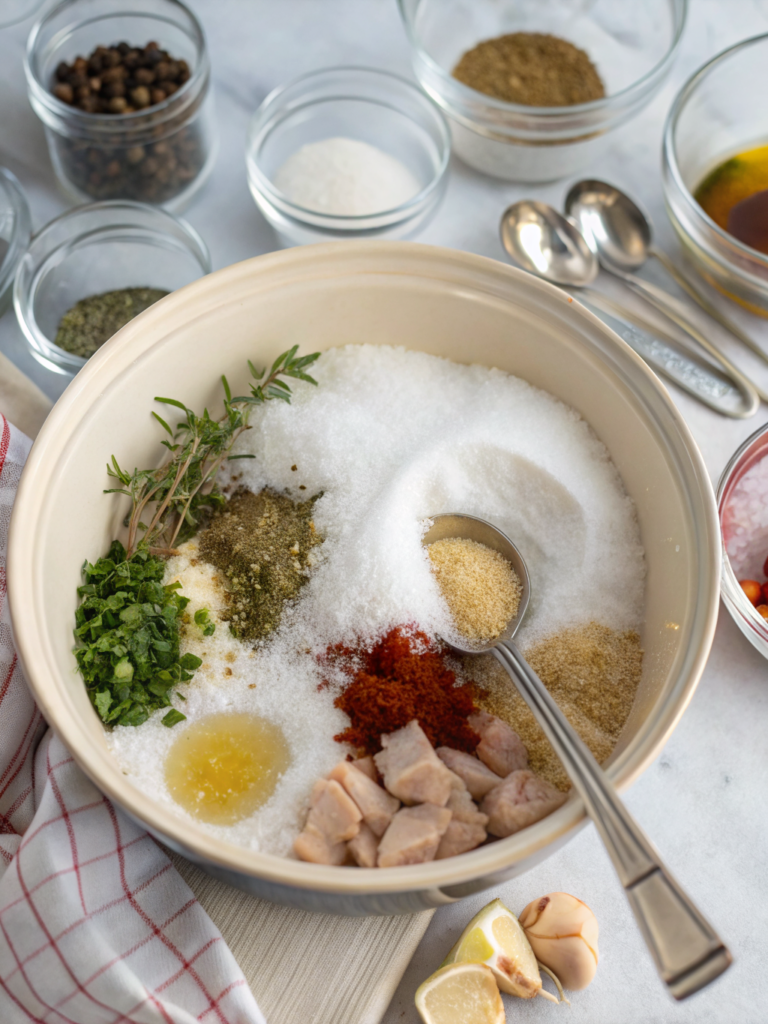
Turkey Brine Recipe
Course: TurkeyCuisine: AmericanDifficulty: Easy4
servings30
minutes40
minutes300
kcalA simple saltwater brine that locks moisture and flavor into your turkey before roasting.
Ingredients
1 gallon cold water, plus more for topping up
1 cup kosher salt
1/2 cup brown sugar
1 tbsp black peppercorns
2 bay leaves
4 garlic cloves, smashed
1 tbsp dried thyme
1 tbsp dried rosemary
1 orange, quartered
1 onion, quartered
Ice cubes, about 2 quarts
Directions
- Create the brine base. Combine 4 cups water with salt, brown sugar, peppercorns, bay leaves, garlic, thyme, and rosemary. Heat, stirring until dissolved, 5-7 minutes.
- Add aromatics. Remove from heat and add the orange and onion.
- Cool the brine rapidly. Add remaining cold water and ice, stirring until below 40F, about 30-45 minutes.
- Prepare the turkey. Remove giblets, rinse the turkey, and pat completely dry.
- Submerge and brine. Place turkey in a brining bag or bucket, cover completely with cooled brine, and refrigerate 12-24 hours.
- Monitor and rotate. Flip the turkey every 6-8 hours for even distribution.
- Remove and prepare for cooking. Discard the brine, rinse the turkey, pat dry, then air-dry uncovered on a rack in the fridge for 4-8 hours before roasting.
Notes
- Never add turkey to warm brine, always cool it below 40 degrees first for food safety. Do not skip the air-drying step, it is what allows the skin to crisp properly during roasting.
Once brined, roast your turkey to a minimum internal temperature of 165°F (USDA guidelines), and keep the brine itself below 40°F throughout the entire brining period.
Nutritional Information
The brine itself adds minimal calories to the finished turkey since most of the liquid is discarded. A 4-ounce serving of brined, roasted turkey breast, without skin, contains approximately:
- Calories: 150 | Protein: 30g | Fat: 3g | Carbohydrates: 0g | Sodium: 350-400mg, compared to about 70mg in unbrined turkey.
This represents about 15-17 percent of the recommended daily sodium intake for most adults. However, the enhanced moisture retention often means using less gravy and butter, potentially offsetting some sodium concerns.
Dark meat portions contain slightly more calories, about 180 per serving, and 8 grams of fat, but provide higher levels of iron, zinc, and B vitamins.
Healthier Alternatives for the Recipe
You can modify this turkey brine recipe to align with various dietary needs without sacrificing flavor or moisture.
- Reduced Sodium: Decrease salt to 3/4 cup and extend the brining time slightly to compensate.
- Keto or Diabetic-Friendly: Replace brown sugar with stevia or monk fruit sweetener using a 1:1 ratio.
- Anti-Inflammatory Boost: Add 1 tablespoon turmeric and 1 teaspoon ginger for added benefits and warm flavor.
- Electrolyte Version: Use coconut water for half the liquid volume, adding natural electrolytes and subtle sweetness.
- Lower Cholesterol: Stick to breast meat without skin after roasting, saving about 80 calories and 8 grams of fat per serving.
Serving Suggestions
A perfectly brined turkey deserves equally impressive accompaniments.
- Herb-Roasted Vegetables: Carrots, parsnips, and sweet potatoes echo the aromatic profile of the brine.
- Cranberry-Orange Relish: Ties together the citrus notes from the brine with tart, palate-cleansing brightness.
- Fresh Salad: Arugula, pomegranate seeds, and toasted pecans with citrus vinaigrette provide textural contrast.
- Wine Pairing: A medium-bodied white like Chardonnay or Viognier complements the herbs without overwhelming the turkey.
- Leftover Sandwiches: The moisture from brining keeps meat succulent for days, perfect for sandwiches with cranberry mayo and brie.
Common Mistakes to Avoid
Avoiding these common pitfalls ensures a genuinely juicy, safely brined turkey.
- Using Too Much Salt: More is not better. Excessive salt draws out moisture rather than adding it. Stick to 1 cup per gallon.
- Brining Too Long: Beyond 24 hours, the meat texture can turn mushy and spongy as proteins break down excessively.
- Not Cooling the Brine Completely: Adding turkey to warm brine is a real food safety risk. Always confirm it is below 40F first.
- Forgetting to Rinse: Skipping the post-brine rinse leaves excess salt on the surface, affecting both taste and browning.
- Skipping the Air-Drying Step: A wet turkey straight into the oven results in steamed, rubbery skin instead of crispy, golden results.
- Brining a Pre-Seasoned Turkey: Many store-bought turkeys are already brined or injected. Brining these creates dangerously high sodium levels. Always check the label first.
Storing Tips for the Recipe
Proper storage maximizes both the prep and the leftovers from this turkey brine recipe.
- Brine Liquid: Can be made up to 2 days ahead and stored covered in the fridge.
- Brined, Air-Dried Turkey: Store uncovered on a rack in the fridge for up to 8 hours before roasting.
- Cooked Leftovers: Refrigerate within 2 hours of cooking, in airtight containers, for 3-4 days.
- Freezer Storage: Freeze in heavy-duty freezer bags for 2-3 months for best quality.
- Reheating: Add a splash of broth and warm gently at 325F until 165F internal temperature.
Conclusion: The Difference Maker for Holiday Turkey
Mastering this turkey brine recipe transforms you from a nervous holiday cook into a confident one. The science is simple, but the results are extraordinary, consistently juicy, flavorful turkey that impresses every guest at the table.
The active work time is minimal, most of what this recipe asks for is patience and planning ahead, which pays off in a genuinely better holiday centerpiece.
FAQ
Can I brine a frozen turkey?
No, the turkey must be fully thawed first. A frozen turkey will not absorb the brine evenly and poses food safety risks.
Is dry brining an alternative to this method?
Yes, dry brining with just salt works too, though wet brining like this recipe tends to add more moisture for a first attempt.
Can I reuse the brine for gravy?
No, the brine that touched raw turkey must be discarded and never reused or repurposed.
What size container do I need?
A 5-gallon bucket or a large brining bag both work well, as long as the turkey is fully submerged.
Can I brine a turkey that says pre-brined on the label?
No, many store-bought turkeys already contain a salt solution. Brining these again risks dangerously high sodium levels.
How do I keep the turkey submerged if it floats?
Weigh it down with a plate topped with a heavy can, ensuring the entire bird stays under the liquid.
Try These Next
Did You Try Our Recipes?
Best recipe ever
I love it, absolutely delicious