Chicken Meatball Recipe
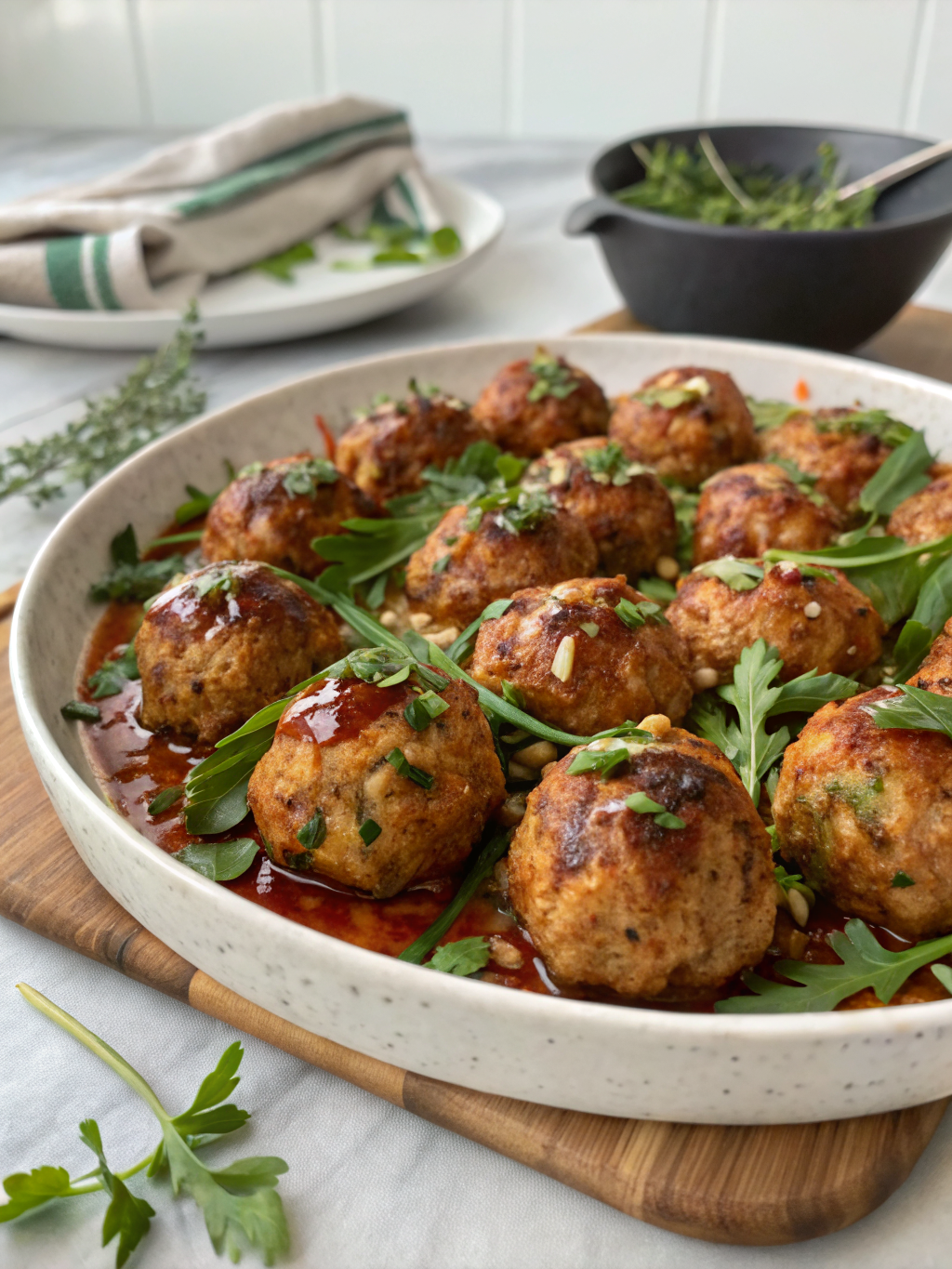
This chicken meatball recipe delivers juicy, tender meatballs every time, using a simple panade trick most recipes skip. Ready in about 35-40 minutes.
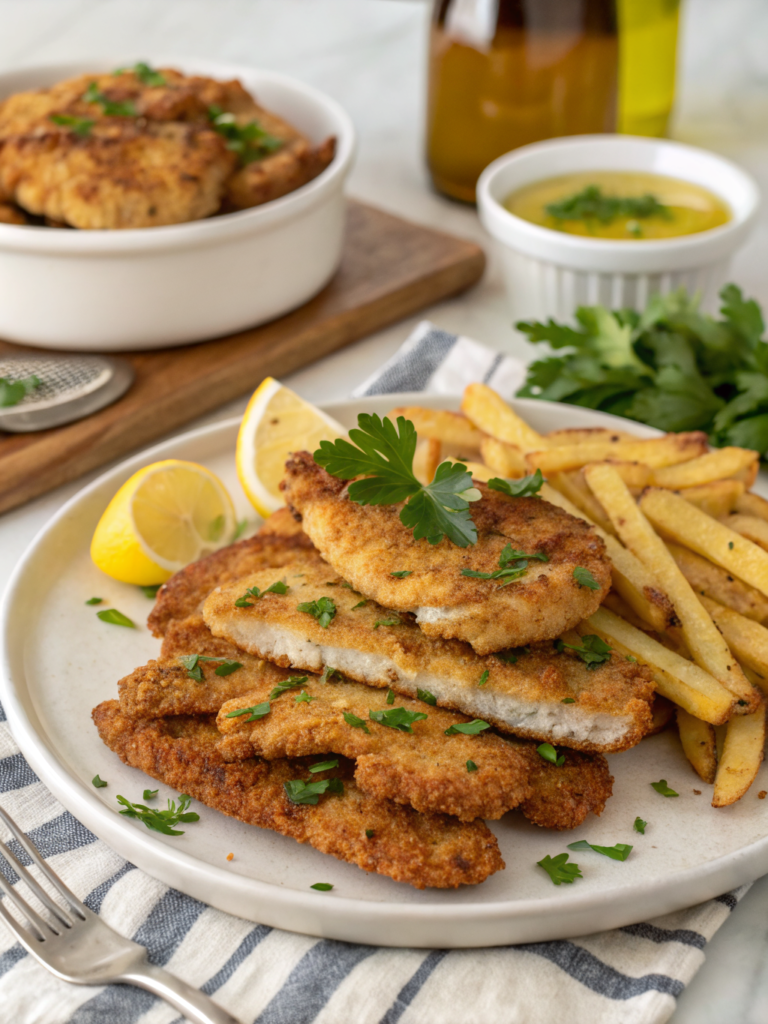
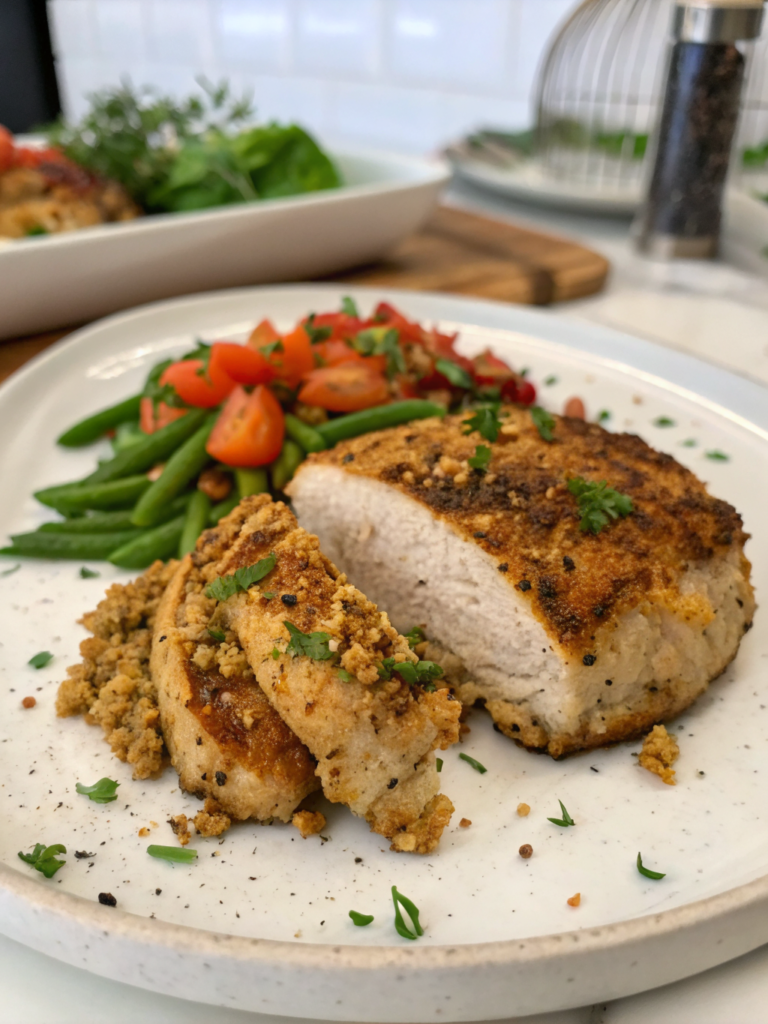
Once you master this chicken meatball recipe, try my Italian Chicken Cutlets or Crockpot Shredded Chicken next for more chicken dinners!
Why This Chicken Meatball Recipe Actually Works
Ground chicken has a real reputation for drying out, and most of that comes down to skipping one small step: the panade. Soaking breadcrumbs in milk before mixing everything together acts like a moisture sponge, and it is the single biggest reason these meatballs stay tender instead of turning rubbery.
The other trick is restraint. Mixing the meat as little as possible keeps the texture light instead of dense.
Ingredients
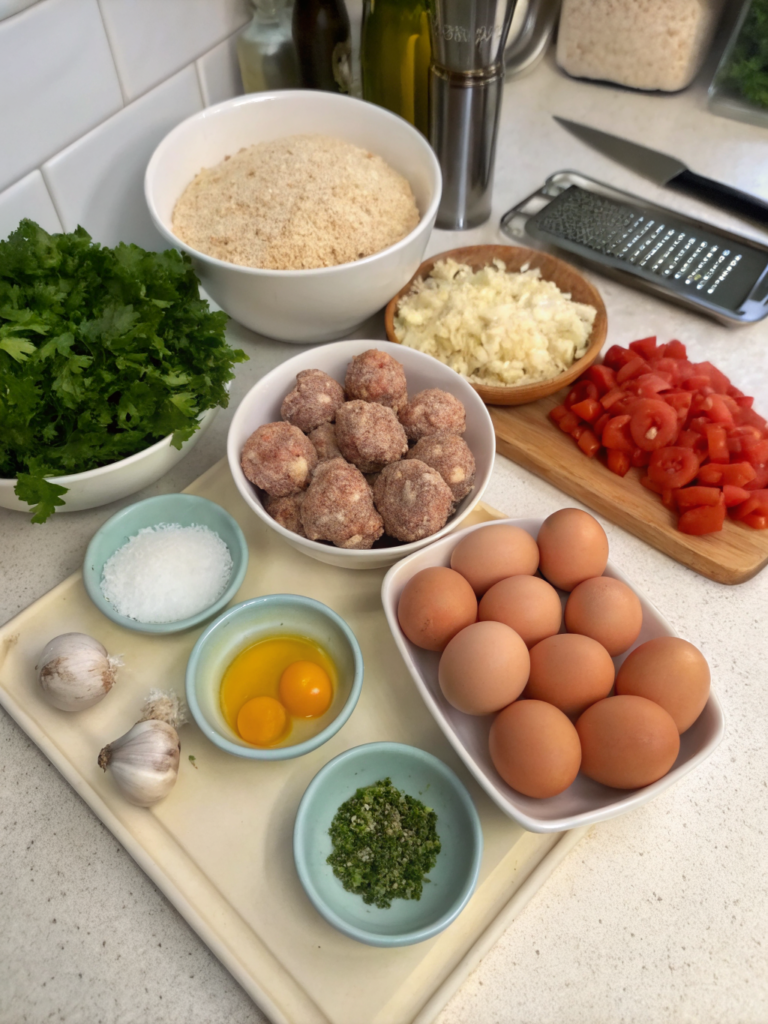
Gathering quality ingredients is the foundation of exceptional chicken meatballs. Each component serves a specific purpose in creating the perfect texture and flavor.
How to Make It
This is just the overview. Scroll down to the recipe card for exact measurements and timing.
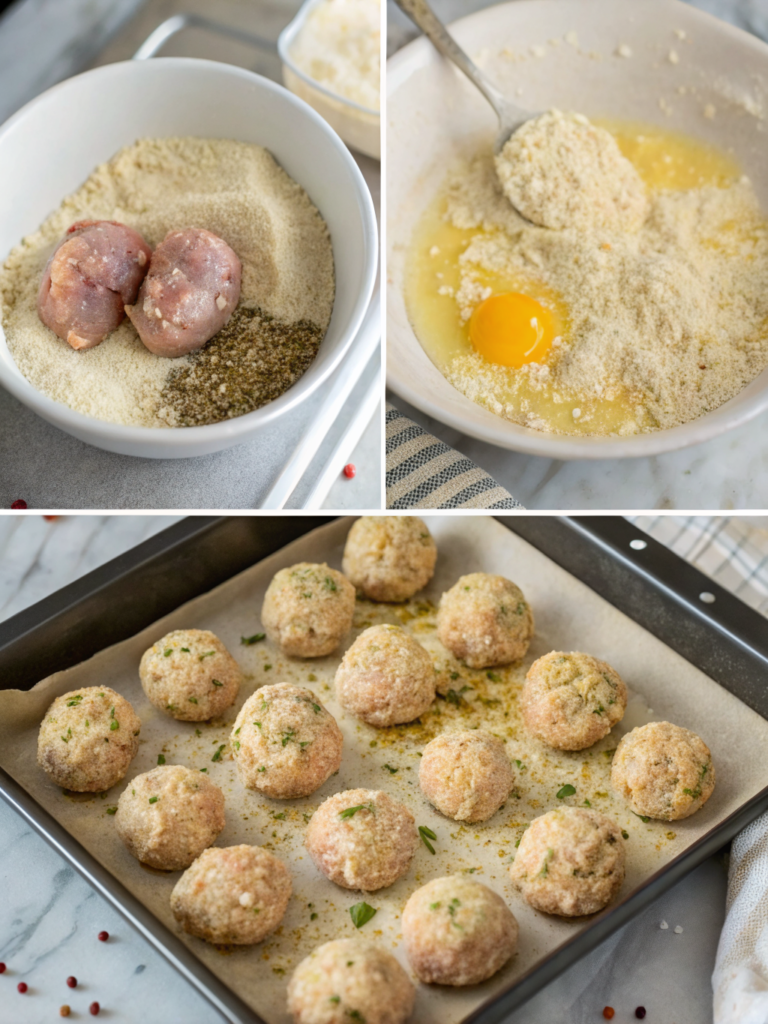
Soak breadcrumbs in milk to form a panade, then gently mix in the ground chicken, egg, cheese, and seasonings. Roll into meatballs, then bake, pan-sear, or simmer in sauce until they reach 165F throughout.
Make Ahead Method
- Meatballs can be formed up to 24 hours ahead. Arrange on a tray, cover, and refrigerate until ready to cook.
- Raw formed meatballs also freeze well. Flash-freeze on a tray, then transfer to a bag for up to 3 months, cooking straight from frozen with a few extra minutes.
- Cooked meatballs reheat best gently in a saucepan with a splash of sauce or broth, or in a 350F oven for 10-12 minutes.
Chicken Meatball Recipe
Course: ChickenCuisine: ItalianDifficulty: Easy6
servings15
minutes22
minutes245
kcalJuicy, tender chicken meatballs made with a simple panade trick, ready in about 35-40 minutes.
Ingredients
1.5 lbs ground chicken, preferably a mix of white and dark meat
1/2 cup panko breadcrumbs
1/4 cup whole milk
1 large egg
1/3 cup freshly grated Parmesan cheese
3 garlic cloves, minced
2 tbsp fresh parsley, finely chopped
1 tsp onion powder
1 tsp dried oregano
1 tsp sea salt
1/2 tsp black pepper
1/4 tsp red pepper flakes, optional
2 tbsp olive oil, for pan-searing or brushing before baking
Directions
- Create the panade. Combine panko breadcrumbs with milk in a large bowl. Let sit 5 minutes until paste-like.
- Combine the mixture. Add ground chicken, egg, Parmesan, garlic, parsley, onion powder, oregano, salt, pepper, and red pepper flakes. Mix gently until just combined.
- Form the meatballs. Portion into 1.5-inch balls using a cookie scoop, about 20-24 meatballs total.
- Choose your cooking method. Bake at 400F for 20-22 minutes, or pan-sear 2-3 minutes per side then cover and cook 10-12 minutes more, or brown and simmer in sauce 15-20 minutes.
- Check for doneness. Confirm internal temperature reaches 165F with an instant-read thermometer. Rest 5 minutes before serving.
Notes
- Do not overmix the meat mixture, this is the most common reason chicken meatballs turn out tough. Mix only until just combined, with a few streaks still visible.
For food safety, chicken should reach a minimum internal temperature of 165°F (USDA guidelines).
Nutritional Information
Understanding the nutritional profile helps you make informed dietary choices. Per serving, 4 meatballs, this recipe provides:
- Calories: 245 | Protein: 28g | Total Fat: 11g (3g saturated) | Carbohydrates: 8g | Fiber: 0.5g | Sugar: 1g | Sodium: 520mg | Cholesterol: 95mg
These meatballs deliver an impressive protein-to-calorie ratio, excellent for high-protein diets. Compared to traditional beef meatballs, this recipe contains approximately 35 percent less saturated fat while maintaining comparable protein levels.
The Parmesan provides calcium and additional protein, while garlic and herbs contribute antioxidants. Ground chicken provides essential B vitamins, particularly niacin and vitamin B6.
Healthier Alternatives for the Recipe
Customizing this recipe to meet specific dietary needs is simple without sacrificing flavor or texture.
- Lower Carbohydrate: Replace panko with almond flour or crushed pork rinds, reducing carbs by about 6g per serving.
- Dairy-Free: Substitute milk with almond or oat milk, and replace Parmesan with nutritional yeast.
- Increased Vegetables: Finely grate zucchini or carrots, squeeze out excess moisture, and add up to 1/2 cup.
- Reduced Sodium: Use low-sodium Parmesan or reduce added salt to 1/2 teaspoon, compensating with fresh herbs.
- Extra Lean: Use only ground chicken breast, increasing milk to 1/3 cup and adding 1 tbsp olive oil to the mixture to compensate for lost fat.
Serving Suggestions
The versatility of these juicy chicken meatballs makes them suitable for countless meal applications.
- Classic Italian Style: Serve over spaghetti with marinara, fresh basil, and extra Parmesan.
- Mediterranean Bowl: Pair with quinoa or couscous, roasted vegetables, tzatziki, and feta.
- Sub Sandwich: Nestle in toasted hoagie rolls with melted mozzarella, marinara, and sauteed peppers.
- Asian-Inspired Lettuce Wraps: Serve in butter lettuce with shredded cabbage, carrots, and sweet chili or peanut sauce.
- Appetizer Presentation: Serve on toothpicks with honey mustard, buffalo sauce, or garlic aioli.
- Meal Prep Bowls: Portion with roasted sweet potatoes, steamed broccoli, and a lemon-herb dressing.
Common Mistakes to Avoid With This Chicken Meatball Recipe
Even experienced cooks can encounter challenges when making chicken meatballs.
- Overmixing the Meat Mixture: Toughens the protein strands, resulting in dense, chewy meatballs. Mix only until just combined.
- Using Only Chicken Breast: Produces dry meatballs. A mix with some dark meat provides natural fat that keeps them moist.
- Skipping the Panade: The milk-soaked breadcrumb mixture is essential for moisture. Never skip this step.
- Making Meatballs Too Large: Cook unevenly, with dry exteriors and undercooked centers. Stick to 1.5-inch diameter.
- Cooking at Too High a Temperature: Browns the exterior too quickly while the interior stays raw. Use moderate heat throughout.
- Not Checking Internal Temperature: Visual cues alone can be misleading. Always verify 165F with a thermometer.
- Crowding the Pan: Overcrowding lowers pan temperature, causing steaming instead of browning. Work in batches.
Storing Tips for the Recipe
Proper storage extends the life of this chicken meatball recipe and maintains their quality for future meals.
- Refrigerator Storage: Cool completely before transferring to an airtight container. Fresh for up to 3-4 days. Store submerged in sauce for maximum moisture, or separately to keep them firm.
- Freezer Storage: Flash-freeze on a parchment-lined tray for 1-2 hours until solid, then transfer to a freezer bag for up to 3 months.
- Reheating Instructions: Thaw overnight in the fridge. Warm gently in a saucepan with a splash of broth or sauce to 165F, or bake at 350F for 10-12 minutes to keep them juicy.
Conclusion: Enjoy Your Homemade Chicken Meatballs
Once you get the panade trick down, this chicken meatball recipe becomes one of those dishes you can make confidently any night, whether you are meal prepping or feeding the whole family.
Try a few different serving styles once you have the base method mastered, from a classic marinara to lettuce wraps, and you will always have a go-to protein ready.
FAQ
What is the best chicken meatball recipe for beginners?
A simple version using ground chicken, panko breadcrumbs, eggs, and basic seasonings is great for beginners. Baking them is easier than frying.
How do I make healthy chicken meatballs?
Use lean ground chicken or turkey, add grated zucchini or carrots, and use whole grain breadcrumbs. Baking keeps them light and nutritious.
Can I use marinara sauce with my chicken meatballs?
Yes, chicken meatballs pair well with marinara. Serve them over pasta or in a meatball sub. Homemade marinara makes it even better.
What are some variations for chicken meatballs?
Try Italian herbs and Parmesan for an Italian twist, or Middle Eastern spices like cumin and coriander. Use gluten-free or low-carb binders for special diets.
How do I store leftover chicken meatballs?
Keep in airtight containers in the fridge for up to four days, or freeze for up to three months.
What is the best way to reheat chicken meatballs?
Reheat gently in the oven or skillet to keep them juicy. Avoid the microwave, which can dry them out.
What can I serve with chicken meatballs?
They pair well with pasta and marinara, mashed cauliflower, or a fresh salad. For something different, try BBQ, buffalo, or yellow curry sauce.
Try These Next
Did You Try Our Recipes?
Best recipe ever
I love it, absolutely delicious