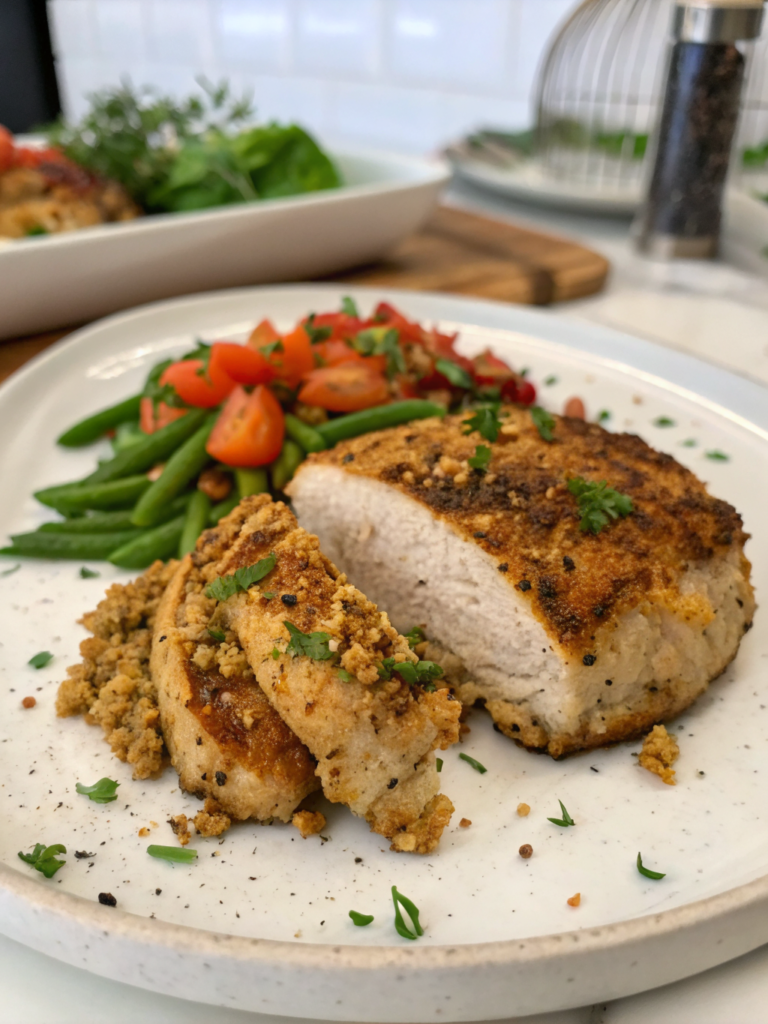
The Ultimate Guide to the Perfect Crispy Chicken Cutlet
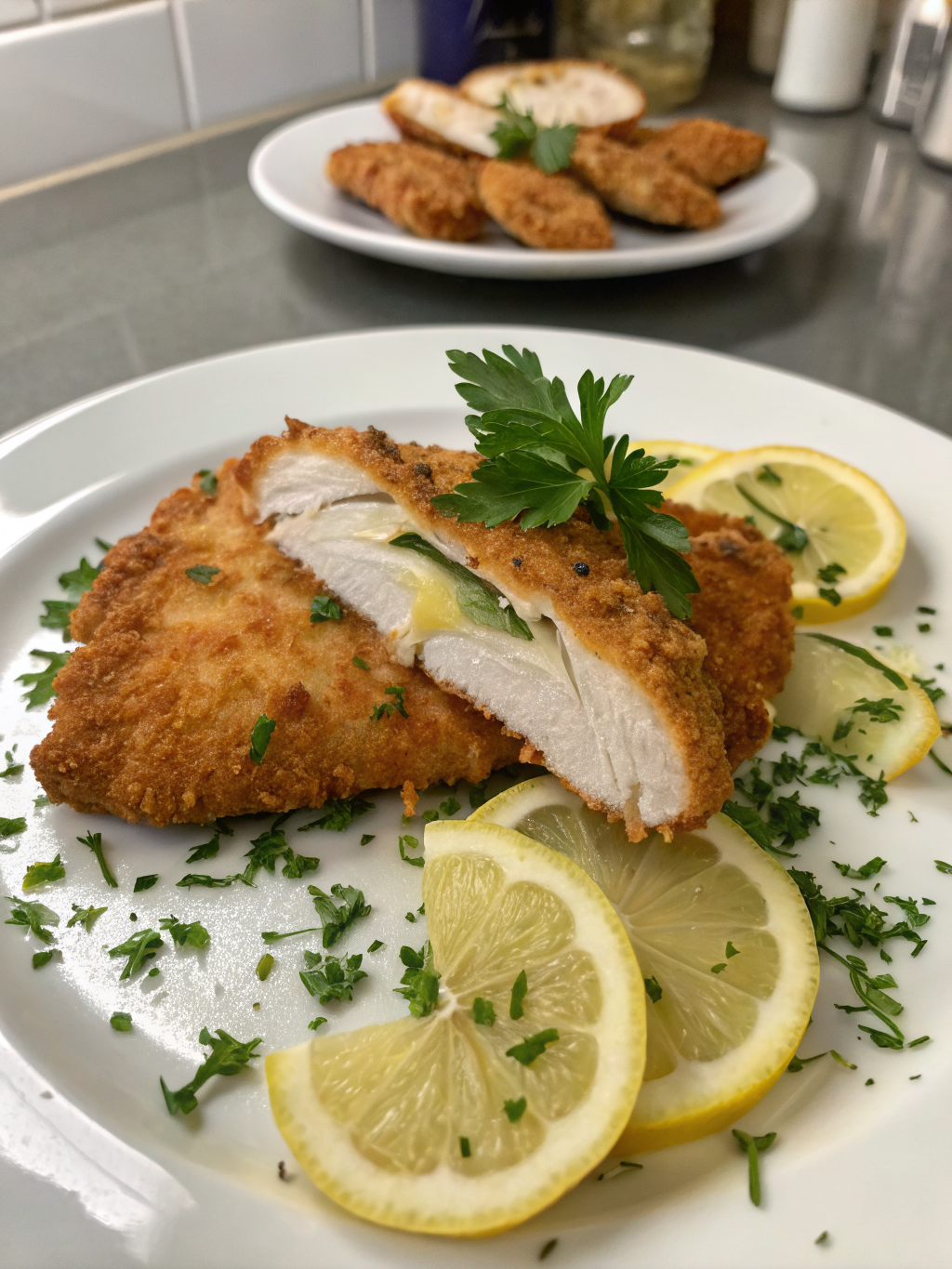
This chicken cutlet gets a golden, crunchy crust from a three-station breading process and a hot oil fry. Restaurant quality, ready in about 35-40 minutes.
Try my Italian Chicken Cutlets or Steak Stir Fry next for more weeknight dinners!
Why This Chicken Cutlet Method Works Every Time
The difference between a soggy chicken cutlet and a genuinely crispy one comes down to a few details most recipes skip over: resting the breaded chicken before frying, watching the oil temperature closely, and resisting the urge to flip more than once.
Once you nail this base technique, it opens up a huge range of meals, from a simple weeknight dinner to chicken Parmesan to a proper sandwich.
Ingredients
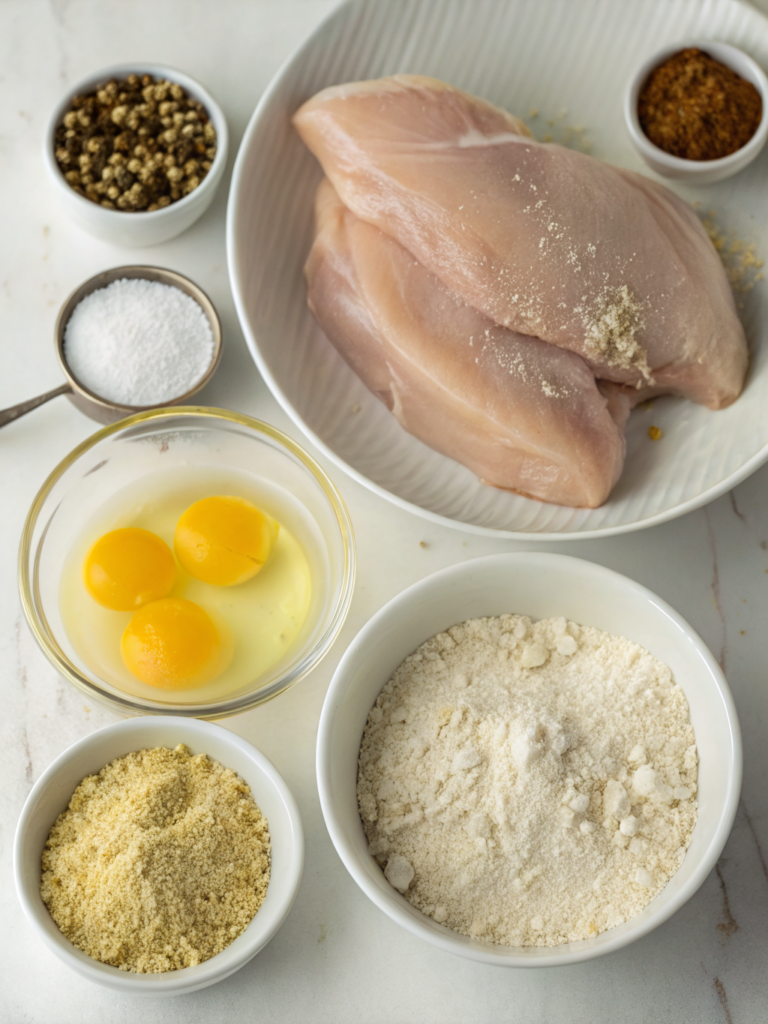
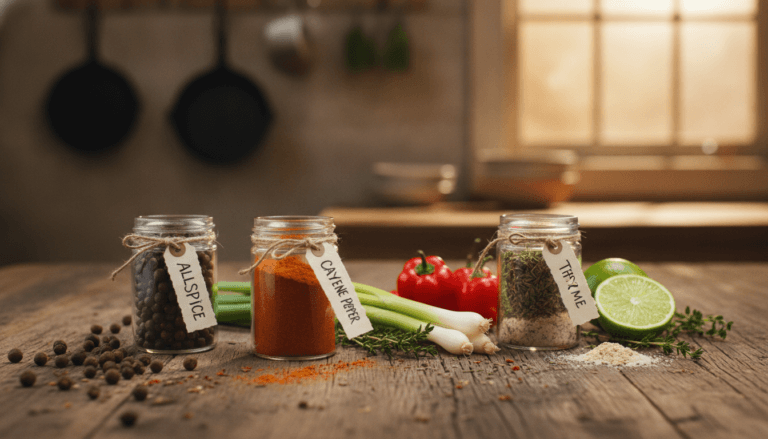
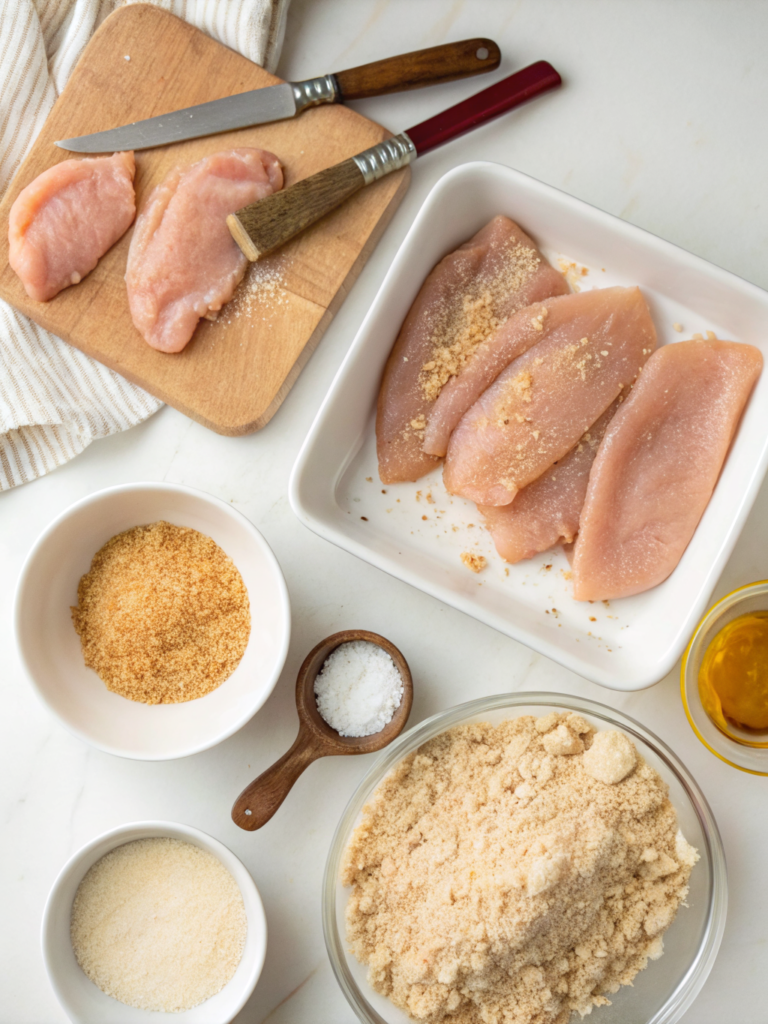
Creating the perfect crispy chicken cutlet requires quality ingredients and proper preparation. The beauty of this recipe lies in its adaptability, feel free to add cayenne for heat or swap in herbes de Provence for a French twist.
How to Make It
This is just the overview. Scroll down to the recipe card for exact measurements and timing.
Pound the chicken thin, then set up a three-station breading line of flour, egg, and seasoned breadcrumbs. Rest the breaded cutlets briefly, then fry in hot oil until deeply golden on both sides. Drain on a wire rack and rest before serving.
Make Ahead Method
- Cutlets can be breaded up to a day ahead. Arrange in a single layer on a tray, cover, and refrigerate. This actually helps the coating set.
- Pound and portion the raw chicken up to 2 days ahead, breading just before cooking.
- Cooked cutlets reheat best in a 375°F oven for 8-10 minutes on a wire rack, not the microwave, which softens the crust.
Crispy Chicken Cutlet
Course: ChickenCuisine: AmericanDifficulty: Easy4
servings20
minutes18
minutes385
kcalGolden, crunchy chicken cutlets with a three-station breading and a hot oil fry, ready in about 35-40 minutes.
Ingredients
4 boneless, skinless chicken breasts, about 6-8 oz each
1 cup all-purpose flour
2 large eggs
2 cups Italian-style breadcrumbs
1/2 cup grated Parmesan cheese
2 tsp garlic powder
1 tsp onion powder
1 tsp dried Italian seasoning
1 tsp salt
1/2 tsp black pepper
1/2 tsp paprika
Vegetable or canola oil, for frying, about 1/2 inch depth
2 tbsp butter, optional, adds richness to the oil
Fresh lemon wedges, for serving
Directions
- Prepare the chicken. Pound each breast between plastic wrap to an even 1/2-inch thickness.
- Set up the breading station. In one dish add flour. In a second whisk eggs with 2 tbsp water. In a third combine breadcrumbs, Parmesan, garlic powder, onion powder, Italian seasoning, salt, pepper, and paprika.
- Bread the cutlets. Pat chicken dry, dredge in flour, dip in egg, then press firmly into the breadcrumb mixture on both sides. Rest 10 minutes.
- Heat the oil. Pour oil into a heavy-bottomed skillet to 1/2 inch depth. Heat to 350F, a breadcrumb should sizzle immediately when dropped in.
- Fry the cutlets. Cook 1-2 at a time, 3-4 minutes per side without moving, until golden and internal temperature reaches 165F.
- Drain and rest. Transfer to a wire rack, rest 3-5 minutes, then serve with lemon wedges.
Notes
- Do not flip the cutlets more than once. Each flip disrupts the crust and can cause the breading to separate. Keep finished cutlets warm on a wire rack in a 200F oven while frying remaining batches.
For food safety, chicken should reach a minimum internal temperature of 165°F (USDA guidelines).
Nutritional Information
Understanding the nutritional profile helps you make informed dietary choices. Each serving, one cutlet, contains approximately:
- Calories: 385 per serving, about 19 percent of a standard 2,000-calorie daily diet.
- Protein: 42 grams. Chicken breast provides high-quality, complete protein essential for muscle maintenance and growth.
- Carbohydrates: 24 grams, primarily from the breading, with 2 grams of dietary fiber.
- Fat: 12 grams, including 3 grams saturated fat, with the remainder from heart-healthy unsaturated sources.
- Cholesterol: 165 milligrams, about 55 percent of the recommended daily limit.
- Sodium: 680 milligrams, approximately 30 percent of the daily recommended intake.
- Key Vitamins and Minerals: rich in B vitamins, especially niacin and B6, plus selenium, phosphorus, and zinc. The Parmesan contributes calcium for bone health.
Healthier Alternatives for the Recipe
You can modify this chicken cutlet recipe to align with various dietary goals without sacrificing flavor.
- Baking Instead of Frying: Bake at 425F for 20-25 minutes on a wire rack, flipping halfway. Reduces fat content by approximately 40 percent.
- Air Fryer Method: Cook at 400F for 10-12 minutes, flipping once. Uses 70-80 percent less oil than traditional frying.
- Whole Wheat or Almond Flour: Replace all-purpose flour with whole wheat for added fiber, or almond flour for a low-carb, gluten-free option.
- Panko Breadcrumbs: Creates an airier, crunchier coating. Mix with crushed cornflakes for even more texture.
- Greek Yogurt Substitute: Replace eggs with Greek yogurt in the wet dredge for added protein and reduced cholesterol.
- Reduced Sodium Options: Use low-sodium breadcrumbs and omit added salt, seasoning with herbs and citrus zest instead.
Serving Suggestions
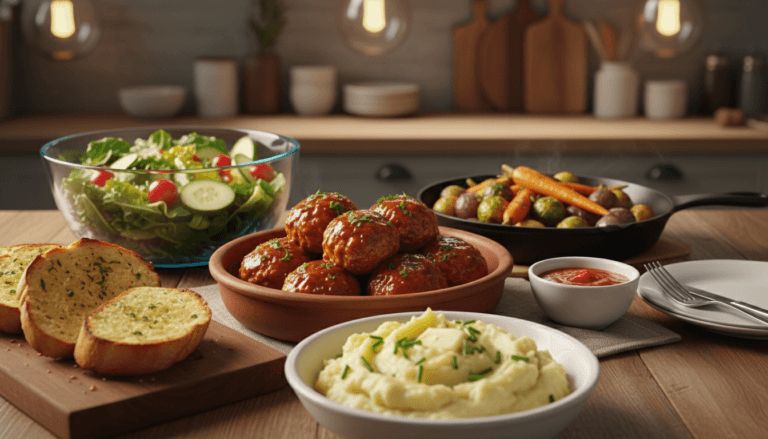
The versatility of crispy chicken cutlets makes them suitable for countless serving styles.
- Classic Italian Style: Serve over spaghetti with marinara and melted mozzarella for chicken Parmesan.
- Fresh Salad Topper: Slice over mixed greens with cherry tomatoes, cucumbers, red onion, and balsamic vinaigrette.
- Sandwich Supreme: Place on crusty bread with lettuce, tomato, pickles, and your favorite sauce.
- Piccata Variation: Top with a quick lemon-caper butter sauce made by deglazing the pan with white wine, lemon juice, capers, and butter.
- Asian Fusion: Drizzle with sweet chili sauce and serve with jasmine rice and stir-fried vegetables.
- Breakfast for Dinner: Pair with waffles and maple syrup, topped with a fried egg for extra richness.
Common Mistakes to Avoid
Even experienced cooks encounter challenges when preparing chicken cutlets.
- Skipping the Pounding Step: Uneven thickness results in overcooked edges and undercooked centers. Always pound to uniform thickness.
- Wet Chicken Surface: Moisture prevents breading from adhering properly. Pat chicken completely dry before breading.
- Overcrowding the Pan: Too many cutlets lower oil temperature, resulting in greasy, soggy breading. Cook in batches.
- Flipping Too Frequently: Constant flipping prevents proper crust formation. Flip only once, when the first side is deeply golden.
- Incorrect Oil Temperature: Too cool absorbs into the breading, too hot burns the exterior. Maintain 350F throughout.
- Not Resting After Cooking: Cutting immediately causes juices to run out. Rest 3-5 minutes before serving.
- Using Old Breadcrumbs: Stale breadcrumbs will not crisp properly. Use fresh breadcrumbs stored in an airtight container.
- Insufficient Seasoning: Under-seasoned breading tastes bland. Season generously, since breading dilutes flavor as it cooks.
Storing Tips for the Recipe
Proper storage extends the life of your chicken cutlets while maintaining quality and food safety.
- Refrigerator Storage: Cool cutlets completely before storing. Place in an airtight container with a paper towel to absorb moisture, and refrigerate for up to 3-4 days.
- Freezer Storage: Freeze cooked cutlets in a single layer on a tray until solid, then transfer to a freezer bag for up to 3 months.
- Reheating: Reheat in a 375F oven on a wire rack for 8-10 minutes to restore crispiness. Avoid the microwave, which softens the crust.
Conclusion: A Technique Worth Mastering
Once you have the breading and frying technique down, chicken cutlets become one of those recipes you can make confidently on a random Tuesday, and dress up for company just as easily.
The method matters more than any single ingredient, so feel free to experiment with different cheeses, herbs, or breadcrumb styles once you are comfortable with the basics.
FAQ
Can I use chicken thighs instead of breasts?
Yes, boneless skinless thighs work well, though they may cook slightly faster since they are typically thinner once pounded.
Why did my breading fall off during frying?
This usually means the chicken was not dry enough, or the breaded cutlets went straight into the oil without resting. Pat dry thoroughly and rest 10 minutes first.
Can I make these ahead for a party?
Yes, bread them up to a day ahead and refrigerate, or fry fully and reheat in a 375F oven to keep the crust crisp.
What is the best oil for frying chicken cutlets?
Vegetable or canola oil work well for their neutral flavor and high smoke point. Avoid olive oil, which burns at frying temperatures.
Can I freeze breaded uncooked cutlets?
Yes, freeze in a single layer, then transfer to a bag once solid. Fry from frozen, adding a few extra minutes per side.
What can I use instead of Parmesan?
Pecorino Romano makes a saltier substitute, or omit it for a dairy-free version and add a bit more seasoning.
How do I keep the coating from getting greasy?
Make sure the oil is properly hot before adding the chicken, and drain cooked cutlets on a wire rack immediately.
Is this recipe gluten free?
Not as written, since the flour and most breadcrumbs contain gluten. Substitute a gluten-free flour blend and certified gluten-free breadcrumbs.
Try These Next
Did You Try Our Recipes?
Best recipe ever
I love it, absolutely delicious