Ground Beef Egg Noodles
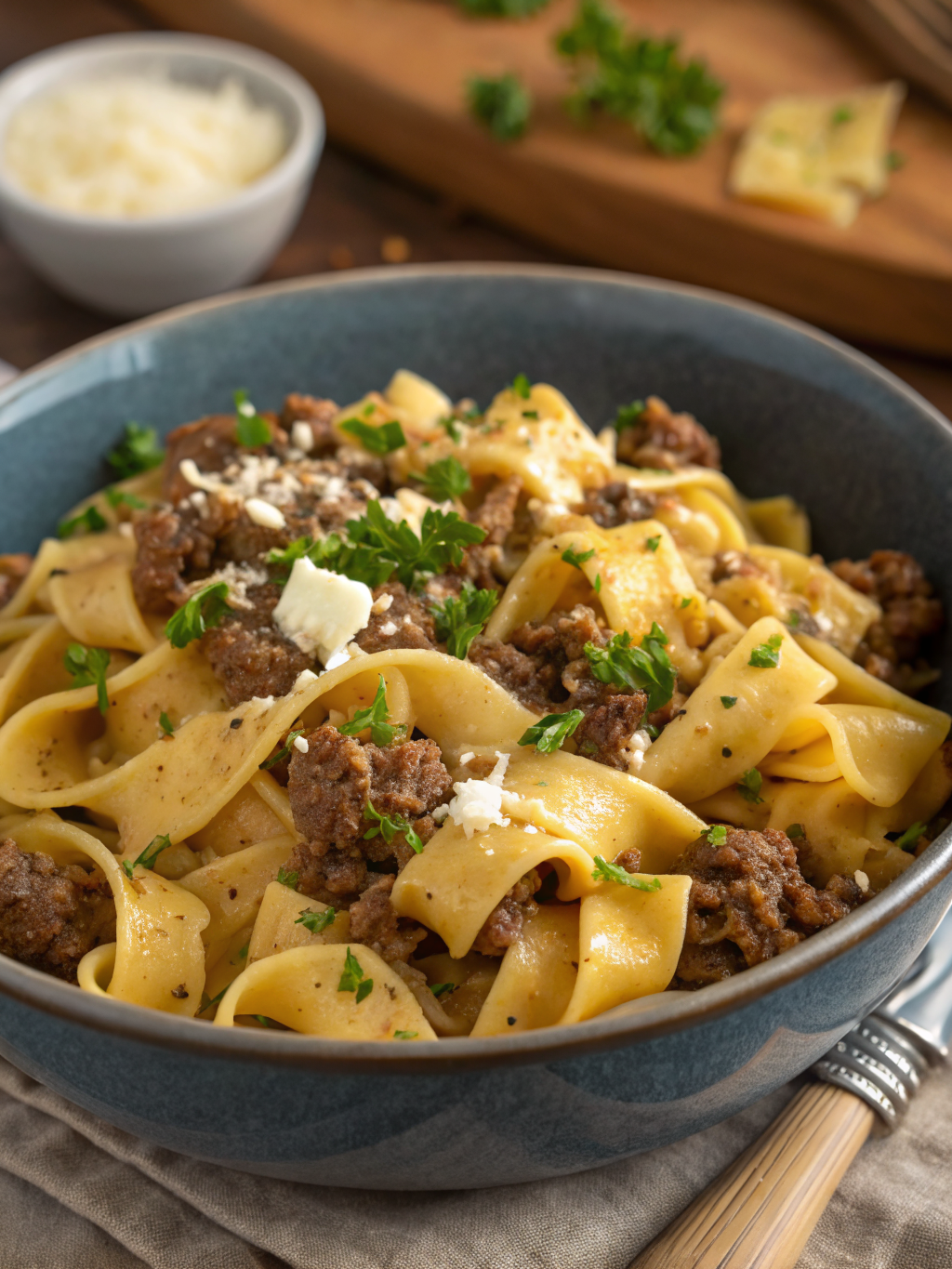
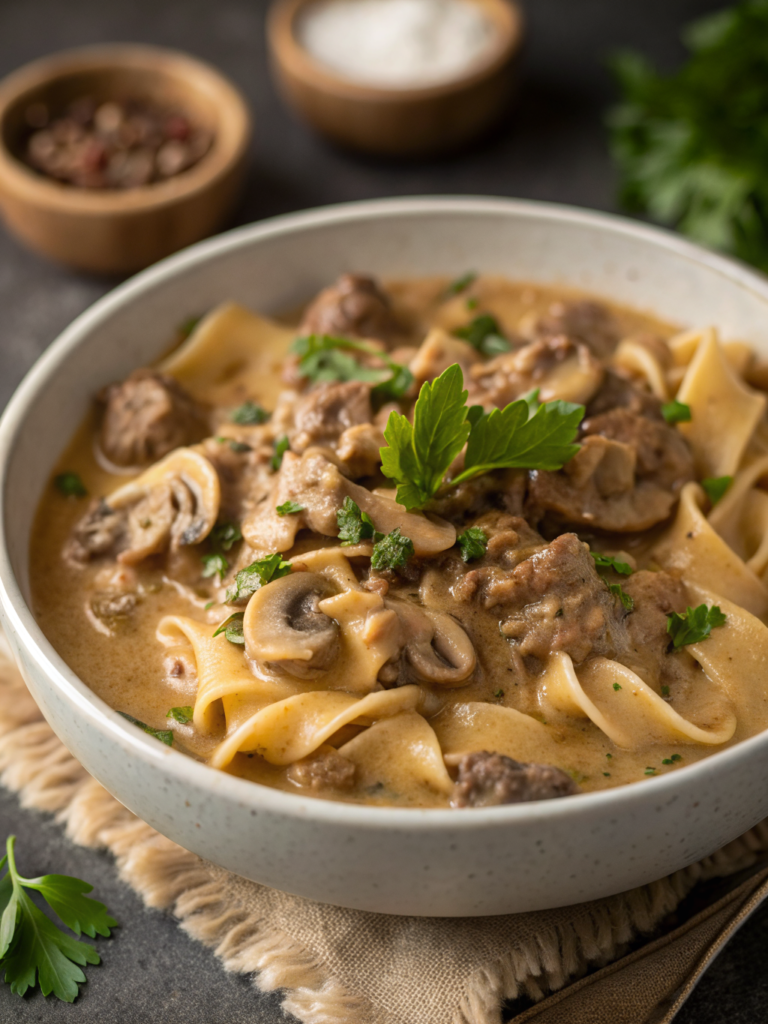
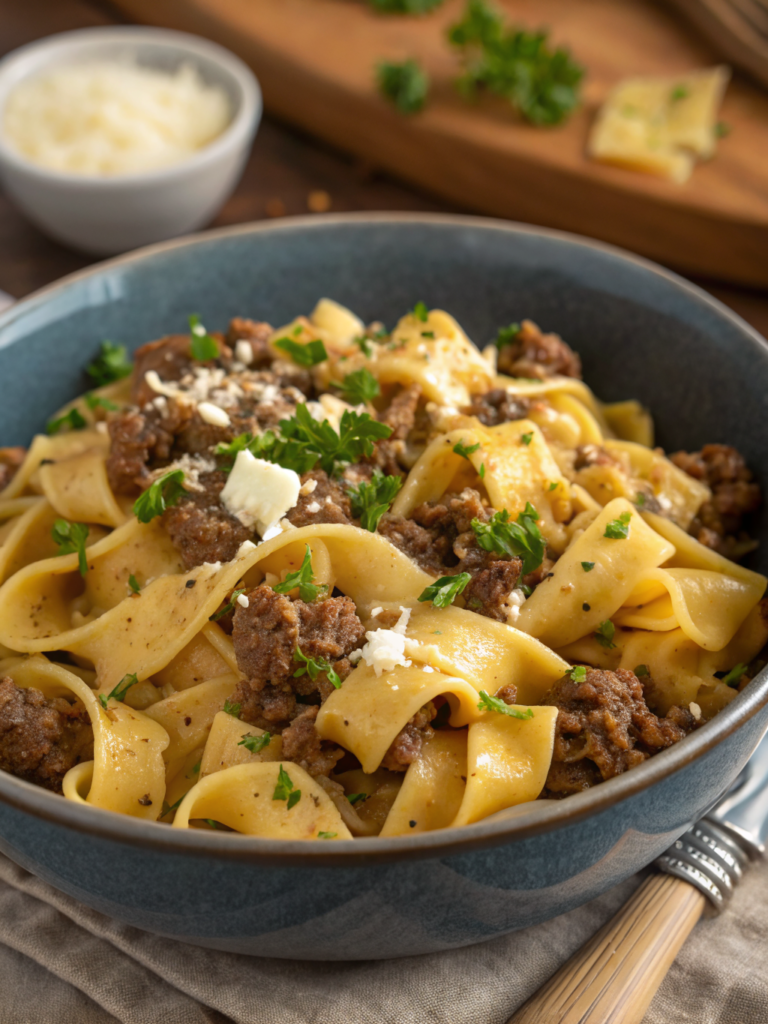
This Ground Beef Egg Noodles skillet is rich, creamy, and ready in about 30 minutes — juicy browned beef, buttery egg noodles, and a savory broth-based sauce finished with sour cream. It’s the kind of weeknight dinner that disappears fast.
Try my Beef Broth Gravy or Slow Cooker Beef Stew next — both share that same cozy, savory backbone!
Why I Keep Coming Back to This One
There’s a version of this dish in almost every home cook’s rotation, and mine is no exception. What I love about ground beef and egg noodles is that it never feels like you’re “settling” for a quick dinner — the sauce is genuinely rich, the beef gets a real sear instead of just simmering in liquid, and it comes together in one pan with almost no cleanup.
It’s endlessly flexible too. Swap the noodles, change up the seasonings, add vegetables — this recipe is more of a technique than a rigid formula, and once you’ve made it a couple of times you’ll find your own favorite version.
Ingredients
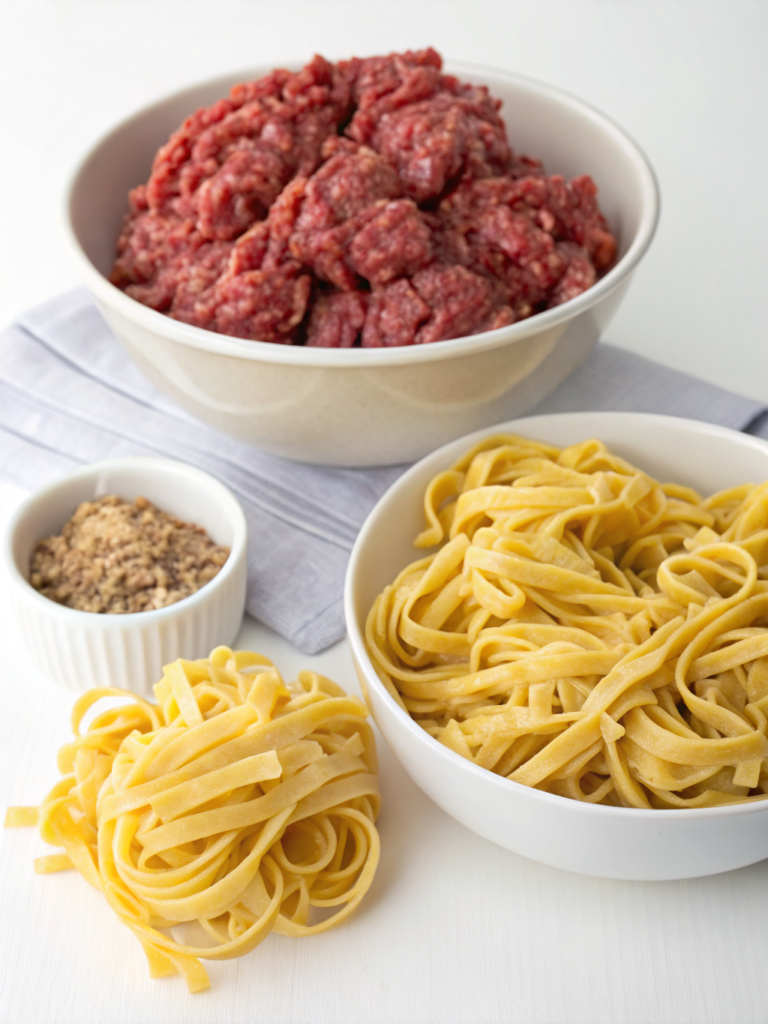
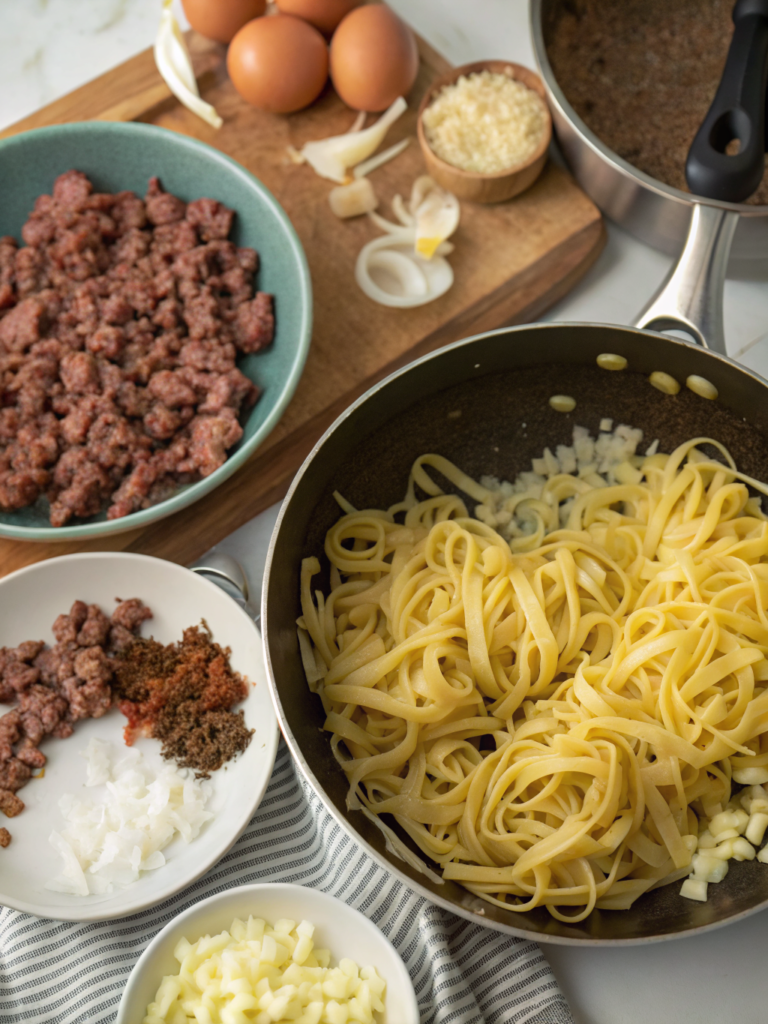
The beauty of Ground Beef Egg Noodles lies in its accessible ingredient list. Most items are pantry staples you likely already have on hand, making this an economical choice for any household.
How to Make It
This is just the overview — scroll down to the recipe card for exact measurements and timing.
Brown the ground beef until deeply colored, then sauté onion and garlic right in the same pan. Build the sauce with beef broth and Worcestershire sauce while the noodles cook separately, then finish everything off the heat with sour cream so it stays smooth and creamy instead of curdling. Toss it all together and you’re done.
Make Ahead Method
- The beef and sauce can be made up to 3 days ahead. Store in an airtight container in the fridge, then reheat gently on the stove before combining with freshly cooked noodles.
- Cook the noodles fresh, close to serving time — pre-cooked noodles stored with the sauce tend to go soft and absorb too much liquid.
- This dish also freezes well — freeze the beef and sauce (without noodles) for up to 3 months. Thaw overnight in the fridge, then cook fresh noodles when you’re ready to serve.
Ground Beef Egg Noodles Dishes: A Versatile Guide
Course: BeefCuisine: AmericanDifficulty: Easy4
servings10
minutes25
minutes485
kcalIngredients
1 lb ground bee (80/20 blend)
8 oz egg noodles (wide or extra-wide)
1 medium onion, diced
3 garlic cloves, minced
2 cups beef broth (low-sodium preferred)
1 cup sour cream
2 tbsp Worcestershire sauce
2 tbsp butter
1 tsp paprika
Salt and black pepper, to taste
Fresh parsley, for garnish (optional)
1 cup frozen peas or mixed vegetables (optional)
Directions
- Prep your ingredients. Dice the onion, mince the garlic, and bring a large pot of salted water to boil for the noodles.
- Brown the ground beef. Cook over medium-high heat, 6-8 minutes, until no pink remains. Drain excess fat if more than 2-3 tablespoons remain.
- Sauté the aromatics. Add butter, then onion, cooking 3-4 minutes until translucent. Add garlic and cook 30-60 seconds.
- Cook the noodles. Boil 6-8 minutes until al dente. Reserve 1 cup of pasta water, then drain.
- Build the sauce. Stir in Worcestershire sauce and paprika, then add beef broth, scraping up browned bits. Simmer 3-4 minutes. Add frozen vegetables now if using.
- Finish with cream .Remove from heat, stir in sour cream until smooth. Season with salt and pepper.
Notes
- For a lighter version, swap sour cream for Greek yogurt and use 93/7 lean ground beef.
For food safety, ground beef should reach a minimum internal temperature of 160°F (USDA guidelines).
Nutritional Information
Understanding the nutritional profile of your meals empowers better dietary decisions. A standard serving of ground beef and egg noodles (approximately 1.5 cups) contains the following approximate values:
Calories: 485 per serving (based on 4 servings from this recipe)
Protein: 28 grams (providing approximately 56% of daily recommended intake for average adults, supporting muscle maintenance and satiety)
Carbohydrates: 38 grams (primarily from egg noodles, offering sustained energy)
Fat: 22 grams (including 10 grams saturated fat from beef and dairy; choosing leaner beef reduces this significantly)
Fiber: 2 grams (can be increased substantially by adding vegetables or using whole wheat noodles)
Sodium: 680 milligrams (controllable by using low-sodium broth and limiting added salt)
Iron: 3.2 milligrams (approximately 18% of daily needs, important for oxygen transport in blood)
Calcium: 95 milligrams (from dairy components, supporting bone health)
This dish provides a well-rounded macronutrient profile with substantial protein content. The combination of protein and carbohydrates makes it particularly satisfying, helping you feel full longer and reducing between-meal snacking. Research indicates that meals containing at least 25 grams of protein significantly improve satiety compared to lower-protein alternatives.
Healthier Alternatives for the Recipe
Making Ground Beef and Egg Noodles healthier doesn’t mean sacrificing flavor. Several strategic substitutions can enhance nutritional value while maintaining the comfort food appeal that makes this dish so beloved.
Lean Protein Options: Replace regular ground beef with 93/7 lean ground beef, ground turkey, or ground chicken to reduce saturated fat by up to 60%. For plant-based diets, crumbled tempeh or textured vegetable protein provides similar texture with added fiber and no cholesterol.
Whole Grain Noodles: Substitute traditional egg noodles with whole wheat or chickpea pasta to triple fiber content and add additional protein. These alternatives provide more sustained energy and better blood sugar stability compared to refined pasta.
Dairy Modifications: Greek yogurt instead of sour cream cuts calories by approximately 30% while increasing protein content. For dairy-free versions, cashew cream blended until smooth provides similar richness without lactose.
Vegetable Boost: Incorporate finely diced mushrooms, zucchini, carrots, or bell peppers to increase vegetable servings without dramatically altering texture. Mushrooms particularly enhance umami flavor while adding negligible calories. Aim for at least two cups of vegetables per recipe to significantly boost nutritional density.
Portion Control: Serve over spiralized zucchini noodles or spaghetti squash instead of traditional pasta to reduce carbohydrates by approximately 75% while dramatically increasing vegetable intake. This modification works excellently for low carb chicken meatballs and similar dishes as well.
Sodium Reduction: Use no-salt-added beef broth and control seasoning manually. Fresh herbs like thyme, rosemary, or oregano add complexity without sodium, making the dish heart-healthier without compromising taste.
Serving Suggestions
The versatility of ground beef and egg noodles extends to serving options. This dish adapts beautifully to various occasions, from casual family dinners to meal prep containers for the week ahead.
Classic Comfort Style: Serve in deep bowls with crusty bread for soaking up the creamy sauce. A simple side salad with vinaigrette provides refreshing contrast to the rich main dish. This presentation works perfectly for cozy weekend dinners or when comfort food cravings strike.
Elevated Presentation: Plate individually with a sprinkle of freshly grated Parmesan cheese, cracked black pepper, and microgreens. Serve alongside roasted asparagus or green beans almondine for a restaurant-quality meal that impresses dinner guests without requiring advanced culinary skills.
Family-Style Gathering: Transfer the finished dish to a large serving platter or decorative casserole dish. Surround with complementary sides like roasted Brussels sprouts, garlic bread, and a colorful mixed green salad. This approach encourages sharing and creates a warm, communal dining experience.
Meal Prep Containers: Portion into individual containers with steamed broccoli or mixed vegetables on the side. This dish reheats exceptionally well, maintaining texture and flavor for up to four days. Add a splash of broth when reheating to restore creaminess if needed.
International Twist: Transform the flavor profile by adding curry powder and coconut milk instead of sour cream for an Indian-inspired version. Alternatively, use soy sauce, ginger, and sesame oil for an Asian fusion approach. Top with sliced green onions and sesame seeds for authentic finishing touches.
Common Mistakes to Avoid
Even straightforward recipes can go awry without proper attention to technique. Avoiding these common pitfalls ensures consistently excellent results every time you prepare this dish.
- Overcooking the Noodles: Mushy pasta ruins texture and makes the dish unappetizing. Always cook to al dente, remembering that noodles continue cooking slightly when combined with hot sauce. Test noodles one minute before package directions suggest to catch them at the perfect moment.
- Not Draining Excess Fat: While some fat adds flavor, excessive grease creates an unpleasant oily texture and unnecessary calories. If your ground beef releases more than 2-3 tablespoons of fat, drain the excess while retaining just enough for flavor development.
- Adding Sour Cream While Heat is Too High: High temperatures cause dairy to separate and curdle, creating an unappealing grainy texture. Always reduce heat to low or remove from heat entirely before incorporating sour cream, stirring constantly for smooth integration.
- Underseasoning: Ground beef and noodles both act as blank canvases requiring adequate seasoning. Taste throughout the cooking process and adjust salt, pepper, and other seasonings accordingly. Remember that flavors mellow as dishes cool, so season slightly more assertively than seems necessary while hot.
- Crowding the Pan: Cooking ground beef in an overcrowded pan causes steaming instead of browning, resulting in gray, flavorless meat. Use a large skillet with adequate surface area, or brown the beef in batches if your pan is on the smaller side.
Conclusion: Embrace Ground Beef and Noodle Variety
Your journey with ground beef and noodles is a fun adventure. This mix offers endless comfort food dinner recipes. You can choose to stick with the classics or try new, creative twists.
Trying out different flavors and ingredients makes cooking more exciting. Adding spices, vegetables, or sauces can make your dishes better. It lets you make recipes that you really like.
As you try new things, remember these recipes are just a starting point. Each dish you make can become a favorite for your family. Let your kitchen be a place for tasty discoveries, where comfort food recipes come to life in new ways.
FAQ
What are some easy ground beef and egg noodle recipes I can try?
How can I make my beef noodle casserole creamier?
What types of noodles work best with ground beef?
Can I prepare ground beef and noodles ahead of time?
What are some tips for making quick beef noodle skillet meals?
How do I store leftovers of ground beef and noodles?
What common mistakes should I avoid when cooking ground beef and noodles?
Are there budget-friendly options for ground beef and noodle meals?
How can I add variety to my ground beef and noodle dishes?
Try These Next
Did You Try Our Recipes?
Best recipe ever
I love it, absolutely delicious