Salmon Patties Easy Guide to Crispy Homemade Salmon Cakes

These salmon patties get a genuinely crispy, golden crust while staying tender inside. A budget-friendly classic ready in under 30 minutes.
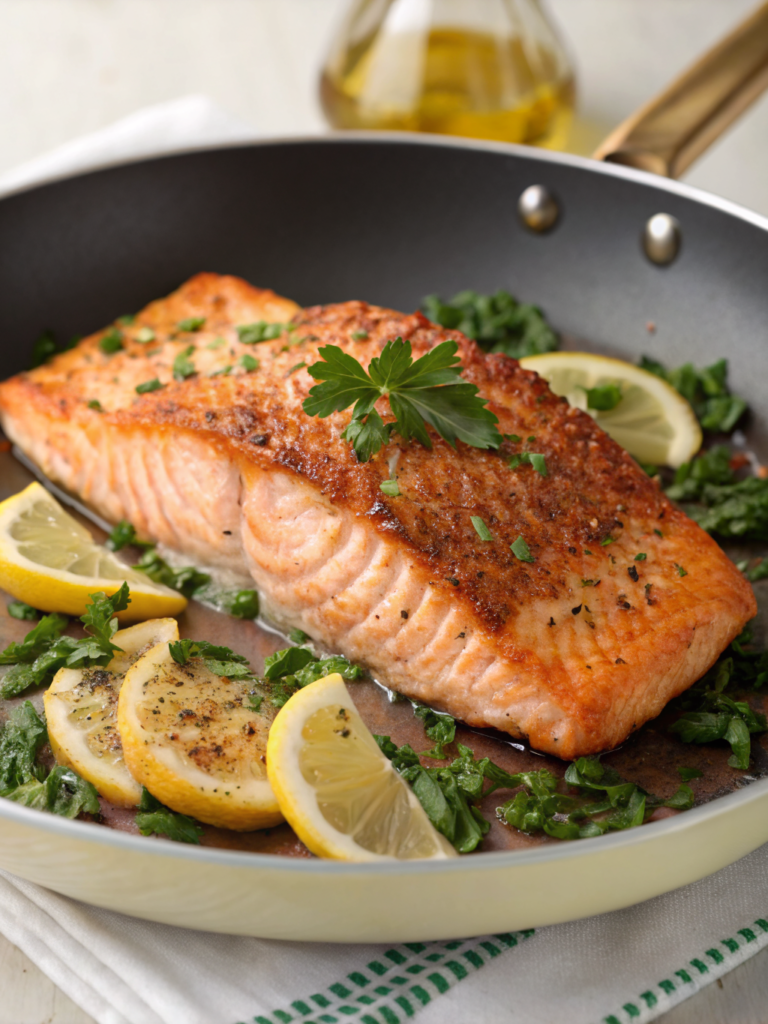
Try my Pan Fried Salmon or Salmon and Rice next for more salmon dinners!
Why These Salmon Patties Actually Hold Together
The gap between salmon patties that fall apart in the pan and ones that hold together perfectly almost always comes down to moisture control. Draining canned salmon thoroughly, or patting fresh salmon completely dry, matters more than any other single step in this recipe.
The other detail worth taking seriously is patience during cooking. Let each side develop a proper crust before flipping, rushing this step is the most common reason patties stick and break apart.
Ingredients
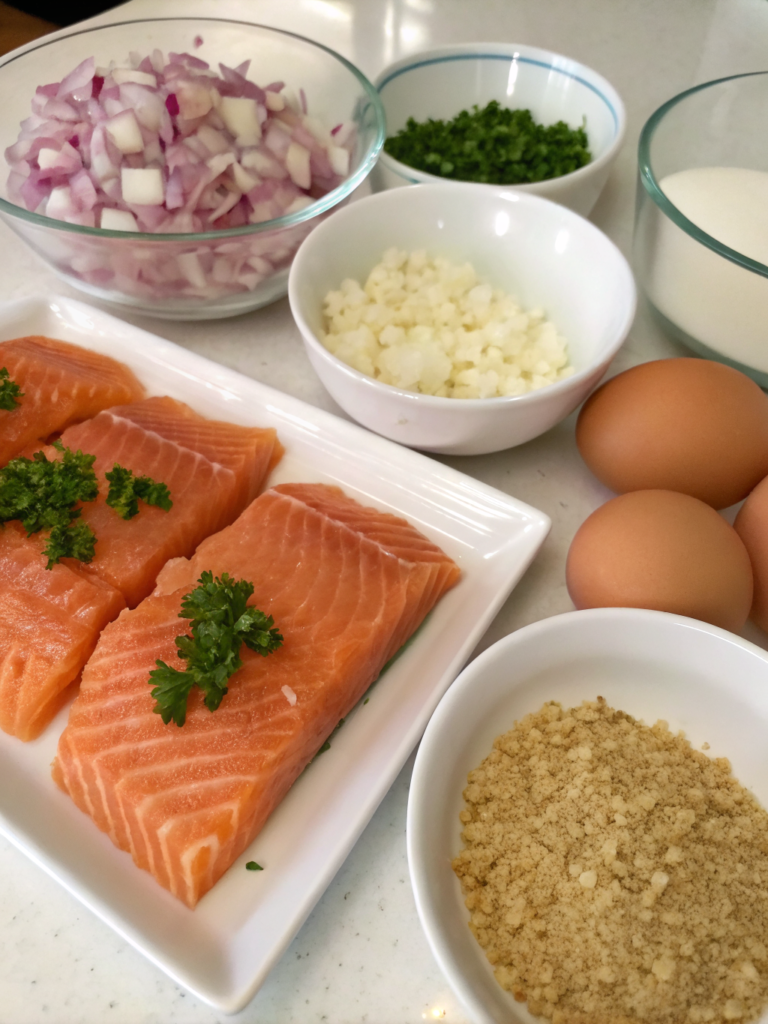
The beauty of salmon patties lies in their simplicity. You need just a handful of ingredients to create these delicious cakes.
How to Make It
This is just the overview. Scroll down to the recipe card for exact measurements and timing.
Drain and flake the salmon, then gently mix with breadcrumbs, egg, onion, mayonnaise, and seasonings. Form into patties, chill briefly if time allows, then pan-fry until golden and crispy on both sides.
Make Ahead Method
- Patties can be formed up to a day ahead and refrigerated, which also helps them hold together better during cooking.
- The mixture itself can be made a few hours ahead and shaped just before cooking.
- Freezes well raw or cooked, for up to 3 months. Thaw overnight in the fridge before cooking or reheating.

Salmon Patties
Course: SeafoodCuisine: AmericanDifficulty: Easy4
servings30
minutes40
minutes300
kcalCrispy, golden salmon cakes with a tender interior, a budget-friendly classic ready in under 30 minutes.
Ingredients
14.75 oz canned salmon, or 1 lb fresh cooked salmon, flaked
1/2 cup breadcrumbs or crushed crackers
2 large eggs
1/4 cup finely diced onion
2 tbsp mayonnaise
1 tbsp Dijon mustard
2 tbsp fresh parsley, chopped
1 tbsp fresh lemon juice
1/2 tsp garlic powder
1/4 tsp black pepper
1/4 tsp salt
2-3 tbsp vegetable oil, for pan-frying
Directions
- Prepare the salmon. Drain canned salmon thoroughly, or pat fresh cooked salmon dry. Flake into small pieces, removing skin and large bones.
- Combine ingredients. Add breadcrumbs, eggs, onion, mayonnaise, mustard, parsley, lemon juice, garlic powder, pepper, and salt. Mix gently until just combined.
- Form the patties. Divide into 6-8 portions, shape into 3/4-inch thick patties. Refrigerate 15-30 minutes if time allows.
- Heat the pan. Heat oil in a skillet over medium-high until it shimmers but does not smoke.
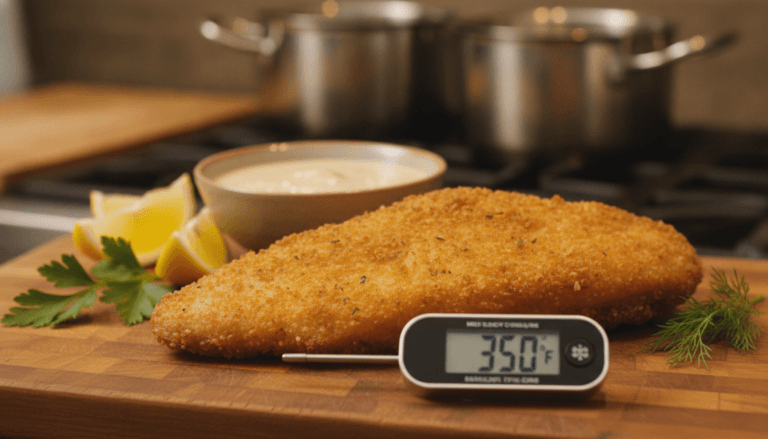
- Cook. Place patties with space between them. Cook 6-7 minutes per side undisturbed, until golden and 145F internal temperature.
- Drain and serve. Transfer to a paper towel-lined plate, rest 2-3 minutes, then serve hot.
Notes
- Do not overmix the ingredients, this makes patties dense instead of tender. If the mixture feels too wet, add an extra tablespoon of breadcrumbs. If too dry, add a bit more mayonnaise.
The USDA recommends cooking fish to a minimum internal temperature of 145°F (USDA guidelines).
Nutritional Information
Each salmon patty, based on a recipe yielding 6 patties, contains approximately:
- Calories: 220 | Protein: 18g (36% DV) | Fat: 12g, much of it omega-3s | Carbohydrates: 8g | Sodium: 350-450mg, depending on canned vs fresh salmon
Research indicates that consuming salmon twice weekly can reduce heart disease risk by up to 30 percent. These patties also provide vitamin D (about 50% DV), vitamin B12 (over 100% DV), and selenium. The calcium content is notably high if the soft bones from canned salmon are included.
Healthier Alternatives for the Recipe
For those seeking to reduce calories while maintaining flavor, several modifications work well.
- Baked Instead of Fried: Bake at 425F for 10-12 minutes per side, cutting fat content by about 40 percent.
- Whole Wheat Panko or Almond Meal: Increases fiber, or makes the recipe low-carb and gluten-free.
- Avocado or Greek Yogurt: Substitute for half the mayonnaise for healthy fats or added protein with fewer calories.
- Flax Egg: Use 1 tbsp ground flaxseed plus 3 tbsp water per egg for an egg-free version.
- Added Vegetables: Grated zucchini or carrot, squeezed dry, boosts fiber and moisture.
- Lower Sodium: Use fresh salmon instead of canned, seasoning with herbs and spices rather than salt.
Serving Suggestions
Salmon patties are genuinely versatile beyond the classic dinner plate presentation.
- Salmon Burgers: Serve on toasted brioche buns with lettuce, tomato, red onion, and tartar sauce or aioli.
- Fresh Salad Topper: Place atop mixed greens with cucumber, cherry tomatoes, and lemon-dill vinaigrette.
- Classic Southern Style: Pair with creamy coleslaw, mac and cheese, and cornbread.
- Elegant Brunch: Serve alongside scrambled eggs, roasted asparagus, and hollandaise sauce.
- Mediterranean Twist: Pair with tzatziki, warm pita, and cucumber-tomato salad.
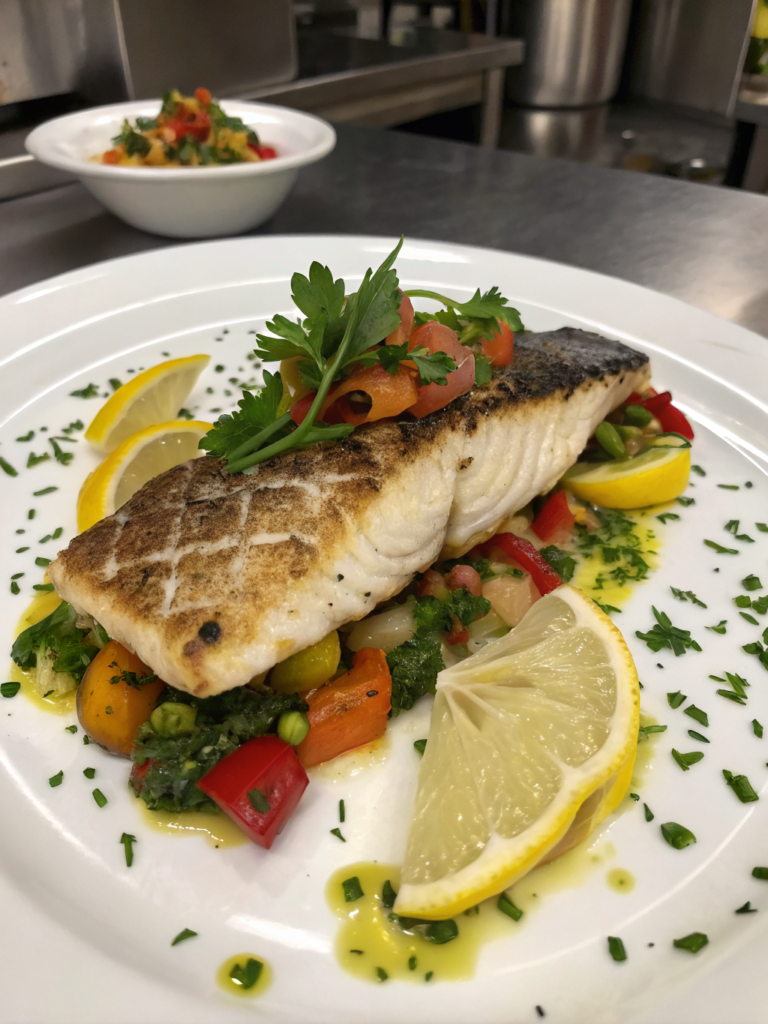
- Dipping Sauces: Tartar sauce, remoulade, lemon-dill aioli, or sriracha mayo all work well.
Common Mistakes to Avoid
Understanding these common pitfalls helps ensure your salmon patties turn out perfectly.
- Using Too Much Moisture: Not draining canned salmon or patting fresh salmon dry leads to mushy patties that fall apart.
- Overmixing the Ingredients: This breaks down the salmon too much, resulting in dense, paste-like patties.
- Making Patties Too Thick: Beyond 1 inch, they will not cook evenly. Keep them around 3/4 inch thick.
- Flipping Too Early: Moving patties before a proper crust forms causes them to stick and fall apart.
- Overcrowding the Pan: This lowers the oil temperature, resulting in greasy, soggy patties instead of crispy ones.
- Using Insufficient Binding Agents: Skimping on eggs or breadcrumbs leads to patties that crumble during cooking.
- Skipping the Resting Period: Chilling formed patties helps them hold together significantly better while cooking.
Storing Tips for the Recipe
Proper storage keeps leftover salmon patties tasting great for days after cooking.
- Refrigerator Storage: Store in an airtight container for 3-4 days. Layer between parchment paper to prevent sticking, and cool completely before sealing to avoid condensation.
- Reheating: Use the oven rather than the microwave to maintain crispiness. Preheat to 350F, warm 10-12 minutes, flipping halfway through.
- Freezer Storage: For longer storage, freeze cooked or raw patties in a single layer until solid, then transfer to freezer bags for up to 3 months. Thaw overnight in the fridge before reheating.
Conclusion: A Genuine Budget-Friendly Classic
Salmon patties earn their place as a comfort food staple because they genuinely deliver on both flavor and value. Once you master the moisture control and the patience to let a proper crust form, this becomes an easy, reliable dinner using pantry staples.
Keep a batch in the freezer and you always have a quick, protein-packed meal ready whenever you need one.
FAQ
Can I use fresh salmon instead of canned?
Yes, use 1 pound of cooked, flaked salmon in place of the canned. Make sure it is fully cooled before mixing.
Why did my patties fall apart?
This usually means too much moisture, insufficient binding agents, or flipping before a proper crust formed. Check all three.
Can I bake these instead of frying?
Yes, bake at 425F for 10-12 minutes per side on a greased baking sheet, brushed lightly with oil.
Can I make these ahead for a party?
Yes, form the patties up to a day ahead and refrigerate, or freeze raw for up to 3 months.
What can I substitute for breadcrumbs?
Crushed crackers work well, or almond meal for a low-carb, gluten-free version.
Are the bones in canned salmon safe to eat?
Yes, the small soft bones are edible and provide extra calcium, though you can remove them if you prefer.
Try These Next
Did You Try Our Recipes?
Best recipe ever
I love it, absolutely delicious