Steak Stir Fry Recipe
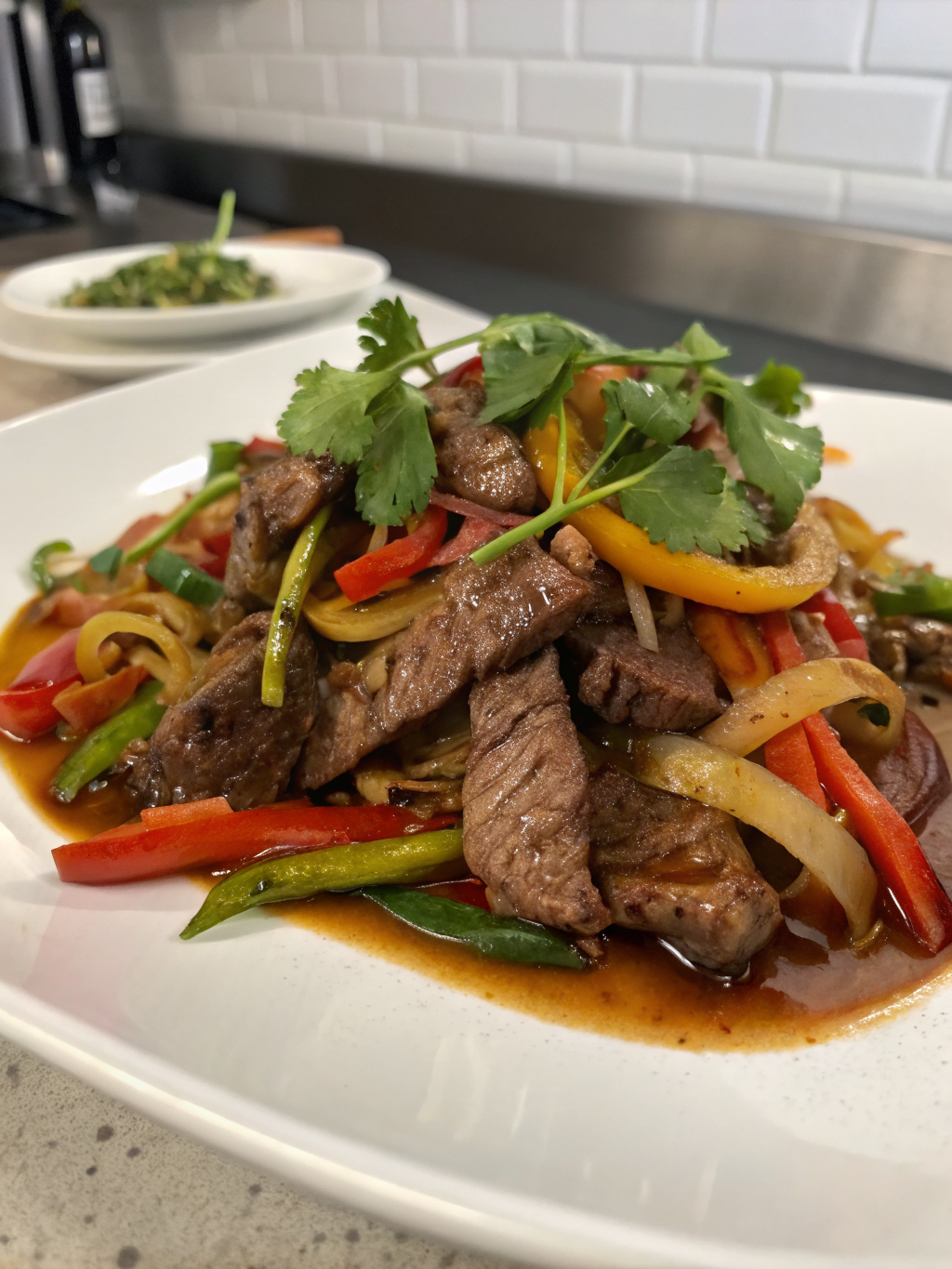
This Steak Stir Fry comes together in about 25 minutes with tender beef strips, crisp vegetables, and a glossy savory sauce. Restaurant quality, but faster than delivery.
Try my Beef Broth Gravy or Beef and Noodles next for more weeknight beef dinners!
Why This Steak Stir Fry Is My Weeknight Go-To
Stir fry cooking has been around for over 2,000 years for good reason. High heat and quick cooking keep the vegetables crisp and the beef tender, and the whole thing genuinely comes together faster than takeout would arrive.
The trick most home cooks miss is having everything prepped before the wok gets hot. Once you start cooking, there is no time to chop.
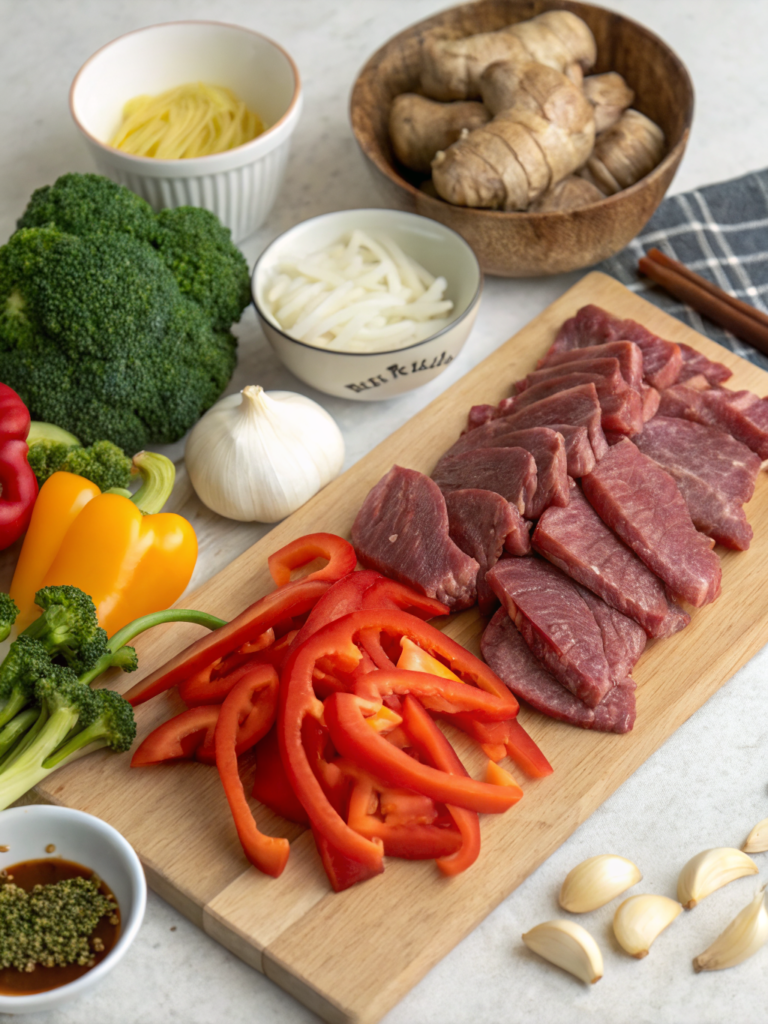
Gathering quality ingredients is the foundation of any great stir fry. Feel free to swap in whatever vegetables are in season. Mushrooms, baby corn, water chestnuts, or bok choy all work well here too.
How to Make It
This is just the overview. Scroll down to the recipe card for exact measurements and timing.
Slice and marinate the beef while you mix the sauce and prep the vegetables. Sear the beef hard and fast, set it aside, then stir fry the vegetables in the same wok. Combine everything with the sauce at the end and toss until glossy.
Make Ahead Method
- The sauce can be made up to 3 days ahead. Store in an airtight container in the fridge.
- Vegetables can be sliced a day ahead and stored in the fridge in an airtight container.
- The beef is best sliced and marinated the same day for the best texture, though it can marinate up to 8 hours ahead if needed.
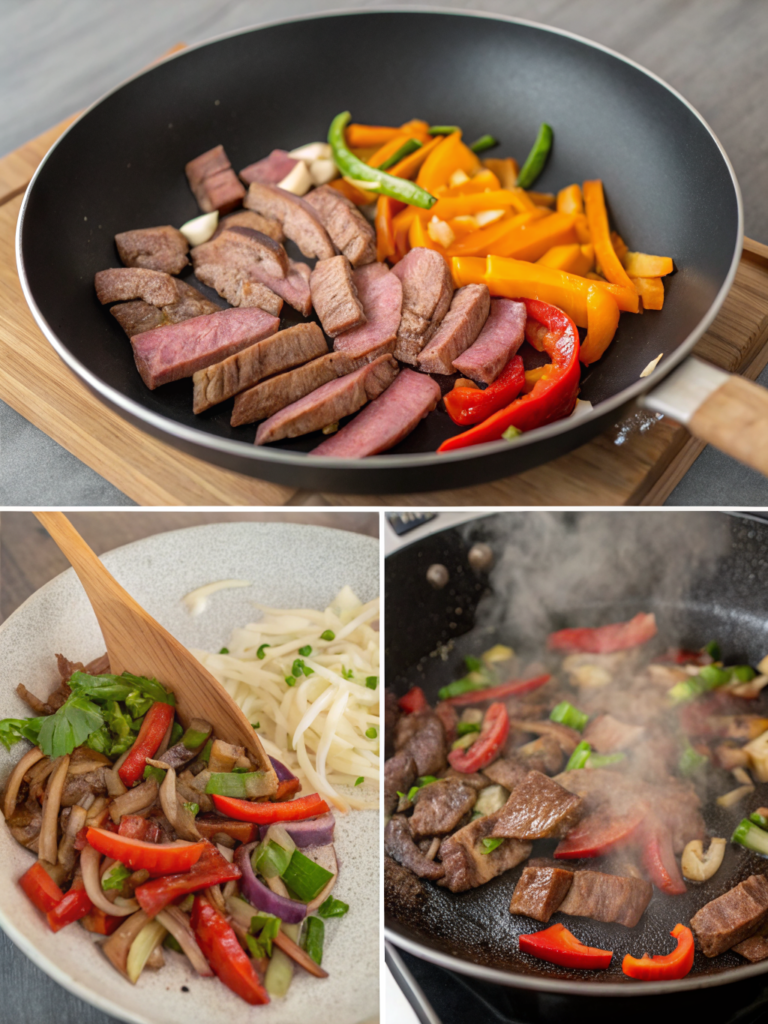
Steak Stir Fry
Course: BeefCuisine: AsianDifficulty: Easy4
servings25
minutes10
minutes385
kcalTender beef strips and crisp vegetables in a glossy savory sauce, ready in about 25 minutes.
Ingredients
1 lb flank steak or sirloin, sliced thin against the grain
2 tbsp soy sauce (for marinade)
1 tbsp cornstarch (for marinade)
1 tbsp rice wine or dry sherry
1 tsp sesame oil
3 tbsp soy sauce (for sauce)
2 tbsp oyster sauce
1 tbsp brown sugar
2 tsp rice vinegar
1 tsp fresh ginger, minced
3 garlic cloves, minced
1/2 cup beef broth
1 tsp cornstarch (for sauce)
2 cups broccoli florets
1 red bell pepper, sliced
1 cup snap peas
1 medium onion, sliced
2 carrots, julienned
3 tbsp vegetable oil, divided
2 green onions, sliced, for garnish
Sesame seeds, optional garnish
Directions
- Slice the beef. Freeze 15 minutes to firm up, then slice thin against the grain.
- Marinate. Combine beef with soy sauce, cornstarch, rice wine, and sesame oil. Marinate 10 minutes.
- Make the sauce. Whisk together soy sauce, oyster sauce, brown sugar, rice vinegar, ginger, garlic, beef broth, and cornstarch. Set aside.
- Sear the beef. Heat a wok until smoking hot. Add 2 tbsp oil, sear the beef 60-90 seconds per side until about 80 percent cooked. Remove.
- Cook the vegetables. Add remaining oil. Stir fry onion and carrots 2 minutes, add broccoli and bell pepper for 2-3 minutes, then snap peas in the final minute.
- Combine and finish. Return the beef to the wok, pour in the sauce, and toss 1-2 minutes until thickened and glossy.
- Garnish and serve. Top with green onions and sesame seeds. Serve over rice or noodles.
Notes
- Freezing the steak for 15 minutes before slicing makes it much easier to cut thin, even strips. Do not overcrowd the wok when searing the beef, or it will steam instead of sear.
For food safety, this steak stir fry should reach a minimum internal temperature of 145 degrees F (USDA guidelines).
Nutritional Information
This steak stir fry delivers impressive nutritional benefits alongside its delicious flavor. Per serving, recipe serves 4:
- Calories: 385 calories, a reasonable portion for a complete dinner entree that keeps you satisfied without feeling heavy.
- Protein: 32 grams. Excellent protein content supports muscle maintenance and keeps you full longer. Flank steak provides high quality complete protein with all essential amino acids.
- Carbohydrates: 18 grams, primarily from vegetables and the small amount of sugar in the sauce, providing sustained energy without blood sugar spikes.
- Dietary Fiber: 4 grams. The vegetable medley contributes significant fiber, supporting digestive health and satiety.
- Fat: 21 grams, 7g saturated. Moderate fat content, with most coming from healthy cooking oils rather than the lean beef.
- Sodium: 980 mg. Using low sodium soy sauce can reduce this by approximately 25 percent.
- Key Vitamins and Minerals: this dish provides over 100 percent of your daily Vitamin C needs from the bell peppers and broccoli, 45 percent of Vitamin A from carrots, and substantial amounts of iron, zinc, and B vitamins from the beef.
According to nutritional research, stir frying preserves up to 30 percent more vitamins compared to boiling or steaming, making this cooking method both efficient and nutritious.
Healthier Alternatives for the Recipe
While this recipe is already relatively healthy, here are some modifications to suit various dietary preferences and health goals:
- Reduce Sodium: Use low sodium soy sauce or coconut aminos, which contain 60 percent less sodium while maintaining umami flavor.
- Lower Carbohydrate Option: Replace the cornstarch with xanthan gum, using a quarter of the amount, or serve over cauliflower rice or zucchini noodles instead of regular rice.
- Increase Vegetables: Double the vegetable quantity and reduce beef to 12 ounces. This increases fiber and micronutrients while reducing calories and saturated fat by approximately 20 percent.
- Leaner Protein: Substitute sirloin tip or eye of round for even leaner cuts, reducing fat content by 30 percent. Chicken breast, shrimp, or firm tofu also work well.
- Paleo Friendly Version: Replace soy sauce with coconut aminos and use arrowroot powder instead of cornstarch. Omit the brown sugar or use a small amount of honey.
- Add More Nutrients: Incorporate shiitake mushrooms, baby spinach, or edamame for extra vitamins, iron, and plant based protein.
Serving Suggestions
The versatility of this steak stir fry makes it adaptable to numerous serving styles and occasions. Here are creative ways to present and enjoy this dish:
- Classic Presentation: Serve over a bed of fluffy jasmine rice or sticky white rice, about 3/4 cup cooked rice per person.
- Noodle Bowl: Toss the stir fry with cooked lo mein noodles, rice noodles, or even spaghetti for a fusion approach.
- Lettuce Wraps: For a lighter, low carb option, serve the stir fry in crisp butter lettuce or romaine leaves.
- Meal Prep Bowls: Divide into four containers with rice or quinoa on the bottom and stir fry on top. Reheats beautifully for up to 4 days.
- Family Style Platter: Arrange on a large serving platter, garnished generously with green onions, sesame seeds, and lime wedges.
- Complementary Sides: Pair with egg rolls, pot stickers, wonton soup, or a simple cucumber salad dressed with rice vinegar.
Common Mistakes to Avoid
Even experienced cooks can stumble with steak stir fry. Here are the most common pitfalls and how to avoid them:
- Overcrowding the Pan: This is the number one mistake home cooks make. Too much food in the wok causes steaming instead of searing, resulting in soggy vegetables and tough meat. Cook in batches if necessary.
- Using Low Heat: Stir frying requires high heat to achieve proper caramelization and texture. Your wok should be smoking hot before adding ingredients.
- Not Prepping Everything First: Stir frying happens quickly, leaving no time to chop vegetables mid cooking. Have everything sliced, measured, and within arm reach before you start.
- Cutting Beef With the Grain: This creates chewy, tough pieces. Always slice against the grain, which shortens the muscle fibers and creates tender bites.
- Adding the Sauce Too Early: Pouring the sauce in before the beef and vegetables are properly seared results in steaming rather than the caramelized flavor stir fry is known for.
- Skipping the Marinade: Even a quick 10 minute marinade makes a real difference in tenderness. Do not skip it if you have the time.
Conclusion: Your New Weeknight Staple
Once you get the rhythm down, this steak stir fry becomes one of those recipes you can make without even thinking about it. The technique matters more than the exact ingredients, so feel free to swap vegetables based on what is in your fridge.
Keep your wok hot, your ingredients prepped, and your sauce ready to go, and you will have a genuinely restaurant quality dinner on the table faster than delivery would arrive.
FAQ
What is the best cut of beef for stir fry?
Flank steak and sirloin are both excellent choices. Ribeye works too if you want extra tenderness and do not mind a bit more fat.
Do I need a wok, or can I use a regular skillet?
A large skillet works fine, though a wok distributes heat more evenly and gives you more surface area to keep ingredients moving.
Can I make this ahead of time?
The sauce and vegetables can be prepped a day or two ahead. The beef is best sliced and marinated the same day, though it can marinate up to 8 hours ahead.
How do I keep the vegetables from getting soggy?
Do not overcrowd the pan, keep the heat high, and pat vegetables dry before cooking so they sear instead of steam.
Can I use frozen vegetables?
Fresh is best for texture, but if using frozen, thaw and pat very dry first, or they will release too much water and steam instead of sear.
What can I substitute for oyster sauce?
Hoisin sauce works well for a slightly sweeter profile, or use additional soy sauce with a touch more brown sugar.
How do I store and reheat leftovers?
Refrigerate in an airtight container for up to 4 days. Reheat in a hot skillet or wok for the best texture, since the microwave can make the vegetables soggy.
Is this recipe gluten free?
Not as written, since soy sauce and oyster sauce typically contain gluten. Substitute tamari or coconut aminos and check that your oyster sauce is gluten free.
Try These Next
Did You Try Our Recipes?
Best recipe ever
I love it, absolutely delicious