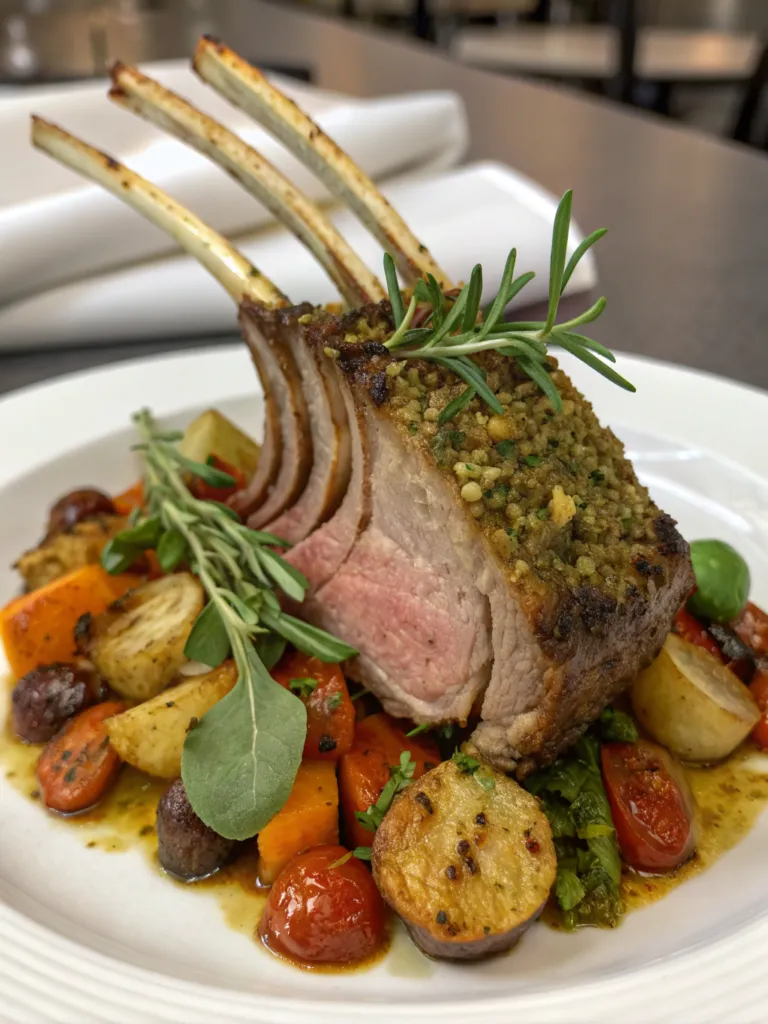
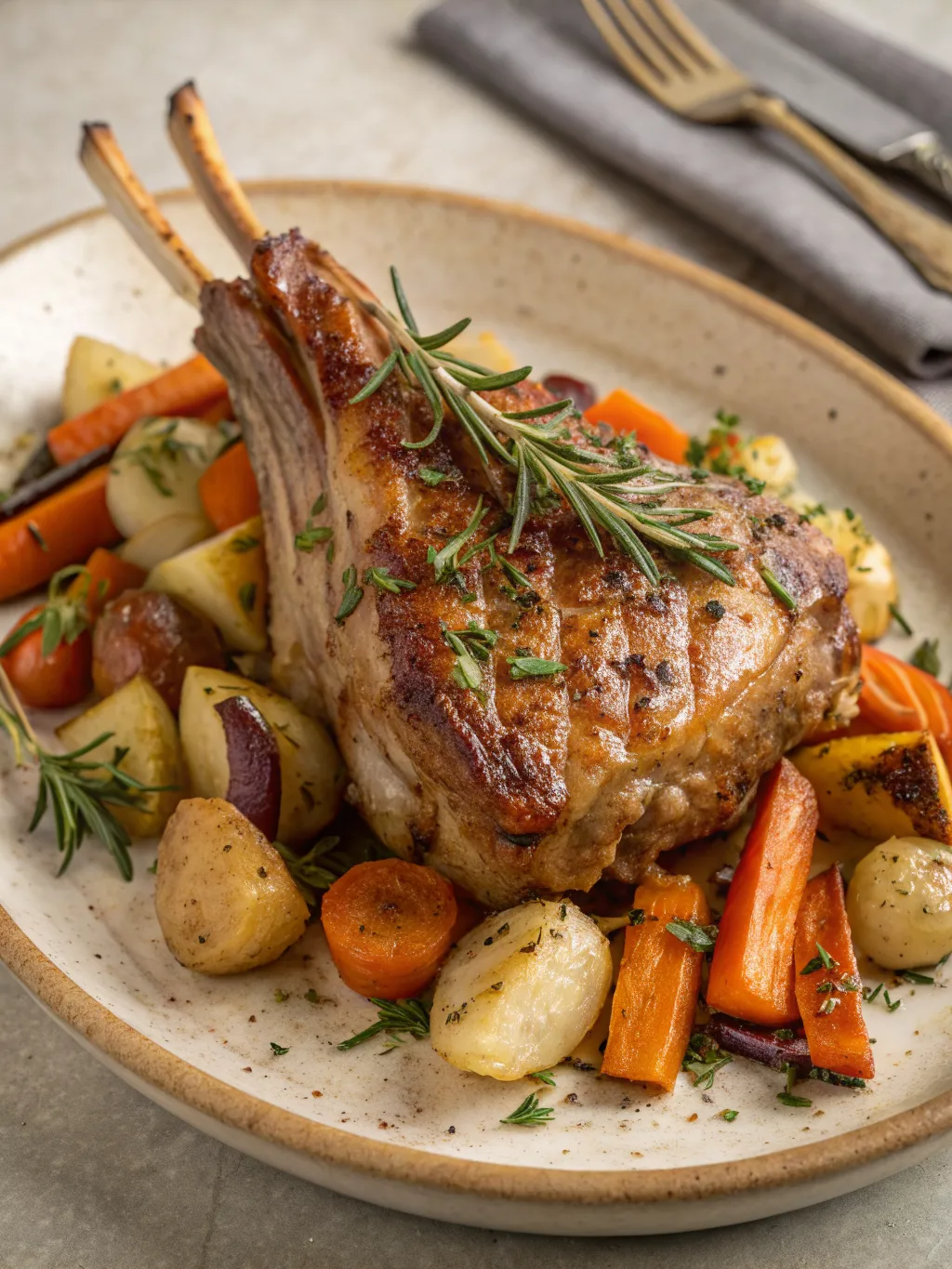
Roast Lamb
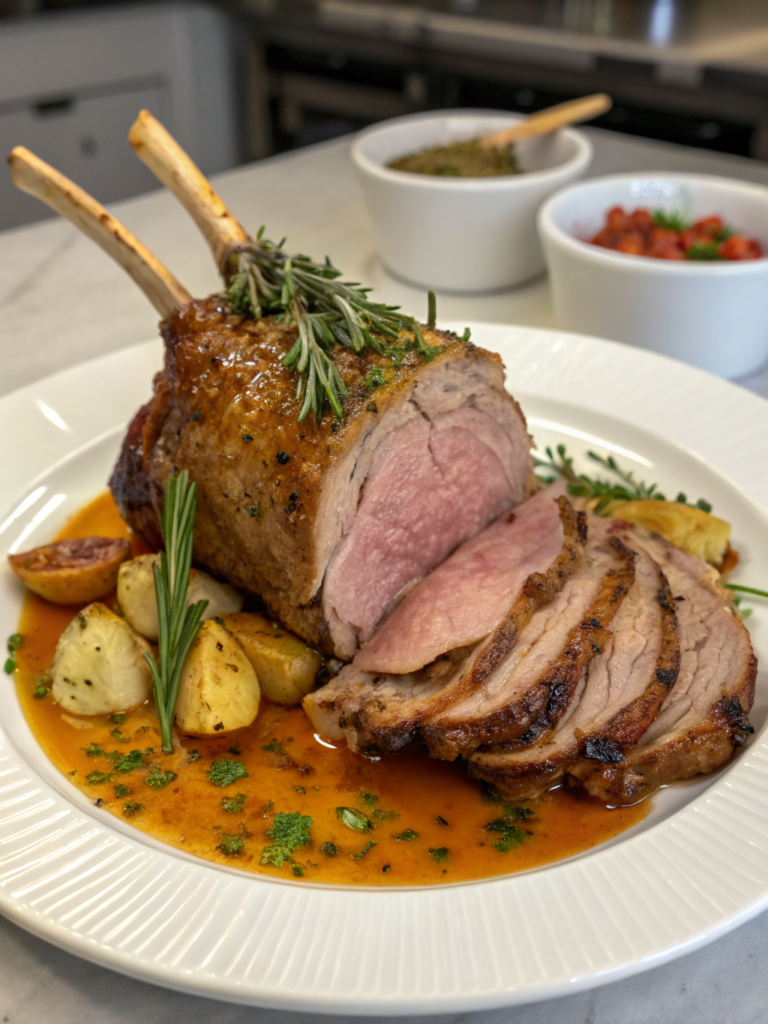
A good roast lamb recipe comes down to three things: a hot start for a golden crust, a lower, steady roast to finish, and a real rest before you carve. Get those right and you end up with a Sunday dinner centerpiece that looks like it took far more skill than it actually does.
If leg of lamb is new territory, try my Boneless Leg of Lamb or my Lamb Shoulder Recipes next, both walk through the same roasting fundamentals.
Why I Make This Roast Lamb Recipe for Every Holiday Dinner
Roast lamb was the dish that convinced me I didn’t need to be intimidated by a big piece of meat. The first time I made one for a holiday table, I was sure I’d overcook it or underseason it, but a simple herb rub and a reliable thermometer took almost all the guesswork out of it.
What makes this roast lamb recipe different from a lot of versions out there is the two-stage oven temperature, hot first to build a real crust, then lower to finish gently. It’s a small detail that makes a noticeable difference, and it works whether you’re using a bone-in leg or a boneless one.
Ingredients List
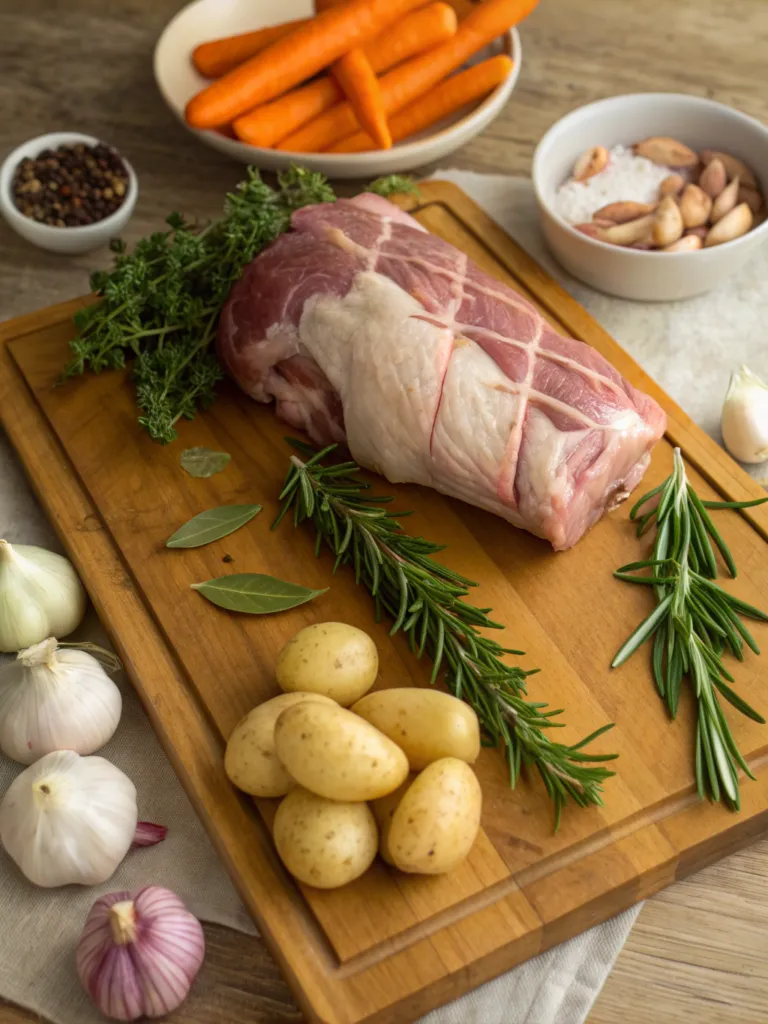
A good roast lamb recipe doesn’t need much beyond the lamb itself and a handful of aromatics. Bone-in leg of lamb gives the most flavor, though boneless works fine if you’d rather skip carving around a bone.
Rosemary, thyme, and garlic are the backbone here, with Dijon mustard helping the herb rub cling to the meat instead of sliding off in the oven.
How to Make It
This is just the overview, scroll down to the recipe card for exact measurements and timing.
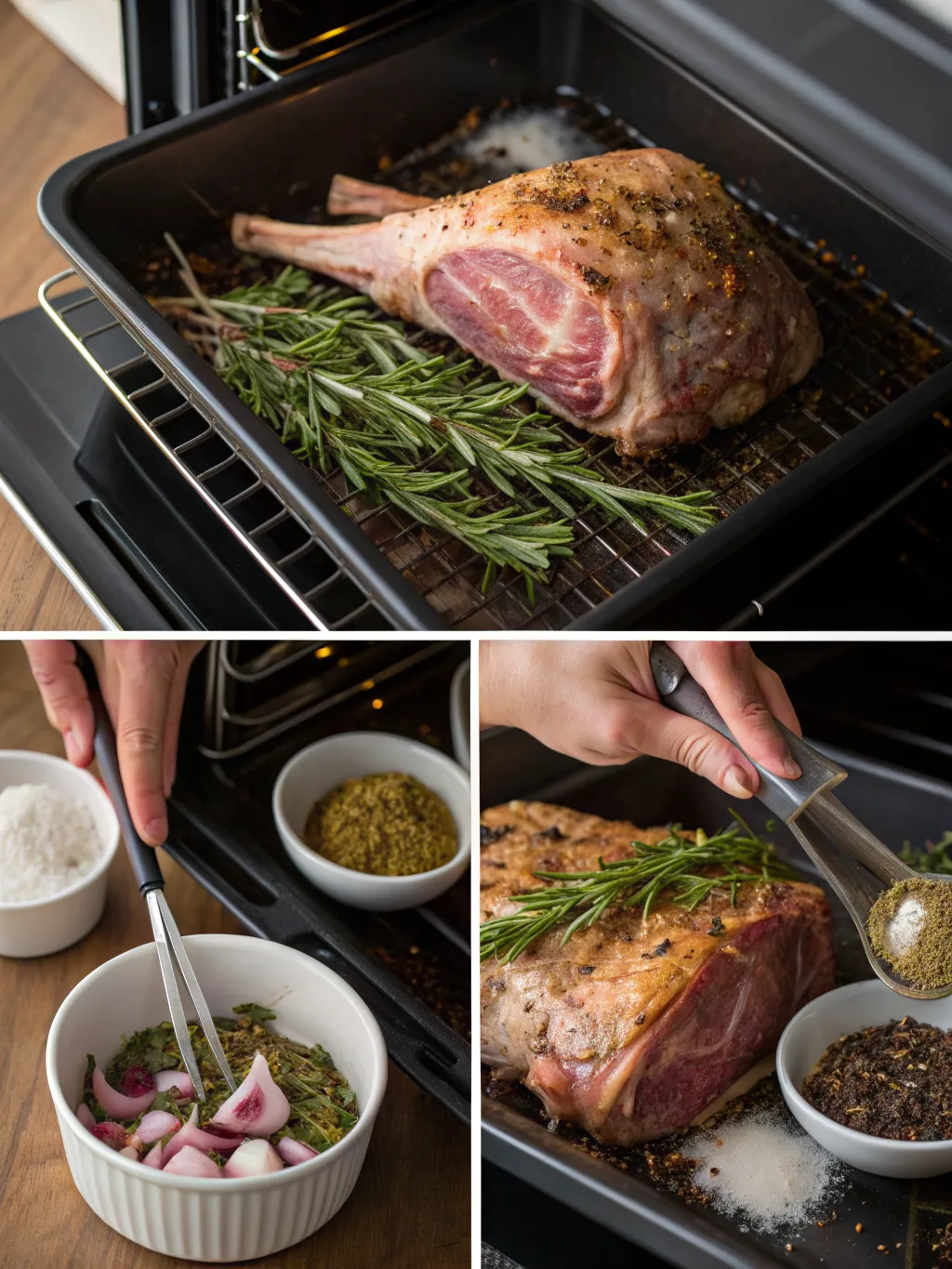
Bring the lamb to room temperature, then cut small slits across the surface and tuck garlic slivers inside. Rub the whole leg with an herb-and-mustard paste, then roast on a bed of onions and carrots at a high temperature for 20 minutes to build a golden crust. Drop the oven down, add stock to the pan, and roast until a thermometer reads your target doneness, basting every 30 minutes. Rest it properly before carving, then use the pan drippings to build a quick gravy.
Make Ahead Method
- The herb rub can be made up to 2 days ahead. Store it in an airtight container in the fridge, then bring it to room temperature before rubbing it onto the lamb.
- You can season the lamb itself up to a day ahead. Rub it, cover loosely, and refrigerate, then pull it out an hour before roasting to come to room temperature.
- Leftover roast lamb keeps for 3 to 4 days in the fridge and makes excellent sandwiches, or slices well cold into salads.
Get my FREE e-book!
7 easy weeknight dinners, free to download

20
minutes1
hour50
minutes2
hours30
minutes8
servings300
kcalA classic herb-and-garlic roast lamb with a golden crust, tender interior, and a quick pan gravy.
Ingredients
5 to 6 lb bone-in leg of lamb
6 garlic cloves, cut into slivers
4 sprigs fresh rosemary, leaves stripped and chopped
3 sprigs fresh thyme, leaves stripped
3 tablespoons olive oil
2 tablespoons Dijon mustard
2 teaspoons sea salt
1 teaspoon black pepper
1 teaspoon smoked paprika
2 large onions, quartered
4 carrots, roughly chopped
2 cups lamb or beef stock
2 tablespoons all-purpose flour, for the gravy
Directions
- Remove the lamb from the fridge 60 minutes before cooking. Pat the surface dry, then cut small slits about 2 inches apart across the lamb.
- Tuck a garlic sliver into each slit. Mix the olive oil, Dijon mustard, rosemary, thyme, salt, pepper, and smoked paprika into a paste, then rub it all over the lamb.
- Preheat the oven to 425°F. Scatter the onions and carrots in a roasting pan and set the lamb on top, fat side up.
- Roast at 425°F for 20 minutes to build a golden crust.
- Reduce the oven to 350°F and pour the stock around, not over, the lamb. Continue roasting about 20 minutes per pound for medium-rare, basting every 30 minutes.
- Check with a meat thermometer in the thickest part, away from the bone. Pull the lamb at 130 to 135°F for medium-rare, or 140 to 145°F for medium.
- Transfer the lamb to a cutting board, tent loosely with foil, and rest for 20 minutes before carving.
- For the gravy, whisk the flour into the pan drippings over medium heat for 2 minutes, then whisk in more stock gradually, scraping up the browned bits. Simmer 5 to 7 minutes until thickened.
- Carve against the grain, or perpendicular to the bone for bone-in lamb, and serve warm with the gravy.
Notes
- The internal temperature rises 5 to 7 degrees while resting, so pull the lamb slightly before your target doneness.
Lamb is considered safe at a minimum internal temperature of 145°F with a 3-minute rest, per USDA guidelines, though many cooks prefer pulling it earlier for medium-rare and resting longer. For general guidance on safe internal cooking temperatures, see the USDA safe temperature chart.
Nutritional Information
This roast lamb recipe is a lean, protein-rich main. Per serving (based on 8 servings, about 150g each):
Calories: 300
Protein: 33g
Carbohydrates: 1g
Fat: 17g
Saturated Fat: 7g
Sodium: 520mg
Iron: 25% DV
Zinc: 30% DV
Vitamin B12: over 100% DV
Lamb is a complete protein with all nine essential amino acids, and it’s naturally rich in bioavailable iron, zinc, and vitamin B12, nutrients that are harder to get enough of from plant sources alone.
Nutritional information is an estimate and will vary based on specific ingredients used.
Healthier Alternatives for the Recipe
Trim visible fat more aggressively before cooking, or choose a leaner cut like lamb loin, to cut total fat by 30 to 40 percent while keeping the protein level the same.
Swap the added salt for extra herbs and spices like cumin, coriander, or za’atar if you’re watching sodium, these add real flavor complexity without relying on salt.
Double the roasting vegetables and serve a bigger portion of them alongside a smaller portion of lamb, this stretches the meal further and adds fiber without much extra effort.
Swap the olive oil for avocado oil if you want a higher smoke point, or use a light oil spray instead of brushing it on to cut back on added fat.
Serving Suggestions
For a classic plate, serve this roast lamb recipe with creamy mashed or dauphinoise potatoes and steamed green beans, with mint sauce on the side to cut through the richness.
For a Mediterranean spread, pair it with lemon-and-oregano roasted potatoes, a simple tomato-cucumber salad, and a side of tzatziki for a cooling contrast.
For something a little different, serve sliced lamb over creamy polenta or cauliflower mash with roasted cherry tomatoes and wilted spinach.
To drink, a chilled pomegranate and mint spritzer or sparkling apple cider holds up nicely against the richness of the lamb without competing with it.
Common Mistakes to Avoid
This roast lamb recipe is forgiving once you know the few places it tends to go wrong. Here’s what to watch for:
- Cooking from cold: Refrigerator-cold lamb straight into the oven cooks unevenly, the outside overcooks before the inside catches up. Always give it the full 60 minutes to come to room temperature.
- Skipping the high-heat sear: That first 20 minutes at 425°F builds the golden crust and most of the flavor. Skip it and the lamb ends up pale and flat-tasting.
- Overcooking past your target: Lamb keeps cooking while it rests. Pull it 5 to 7 degrees below your target temperature, or it’ll land well past where you wanted it.
- Not resting long enough: Cutting in right away sends all the juices onto the cutting board instead of staying in the meat. Give it the full 20 minutes.
- Skipping the thermometer: Lamb joints vary enough in shape and size that timing alone isn’t reliable. A thermometer is the only way to hit your target doneness consistently.
Conclusion
A good roast lamb recipe rewards a little attention to technique more than any special skill. The hot start, the steady finish, and the rest at the end are the three things that actually matter, everything else is flexible.
Once you’ve made this once or twice, it stops feeling like a special-occasion-only dish and starts feeling like something you could make on a regular Sunday. Keep the method the same and change up the herbs or sides depending on what you’re in the mood for.
FAQ
How long does a roast lamb recipe take per pound?
After the initial high-heat sear, plan on about 20 minutes per pound at 350°F for medium-rare, or closer to 25 minutes per pound for medium. Always confirm with a meat thermometer rather than relying on time alone.
What temperature should roast lamb be cooked to?
For medium-rare, pull it at 130 to 135°F. For medium, pull it at 140 to 145°F. The USDA’s minimum safe temperature for lamb is 145°F with a 3-minute rest, so adjust based on your preference and food safety comfort level.
Should I cover roast lamb while cooking?
No, leave it uncovered so the exterior can develop a proper crust. Tent it with foil only afterward, during the resting period.
Can I make this roast lamb recipe with a boneless leg?
Yes. Boneless leg of lamb cooks a little faster than bone-in, so start checking the temperature slightly earlier, and carving is simpler since there’s no bone to work around.
Why does my roast lamb come out dry?
Usually it’s overcooking, cutting it too early after resting, or skipping the rest altogether. Pull it a few degrees before your target and always rest it fully before carving.
Can I prepare the lamb a day ahead?
Yes, you can season it up to a day ahead and keep it covered in the fridge, then let it come to room temperature for an hour before roasting.
What can I do with leftover roast lamb?
Leftover lamb keeps for 3 to 4 days and works well cold in sandwiches and salads, or warmed gently and added to a quick stir-fry or grain bowl.
Try These Next
Did You Try Our Recipes?
There are no reviews yet. Be the first one to write one.