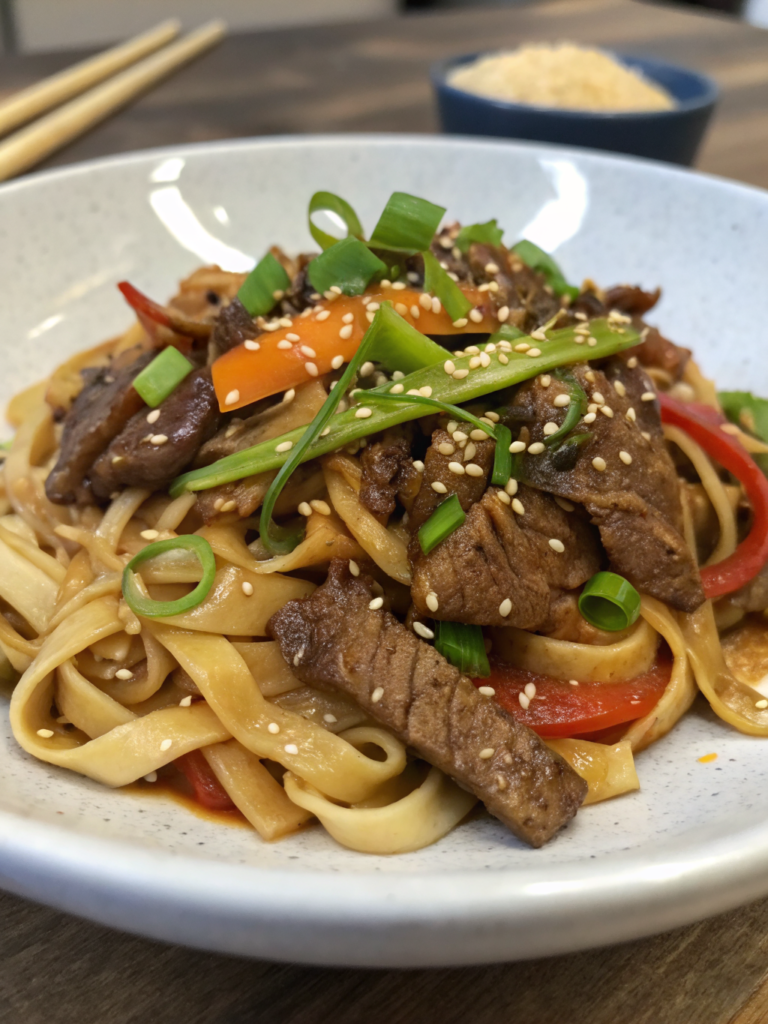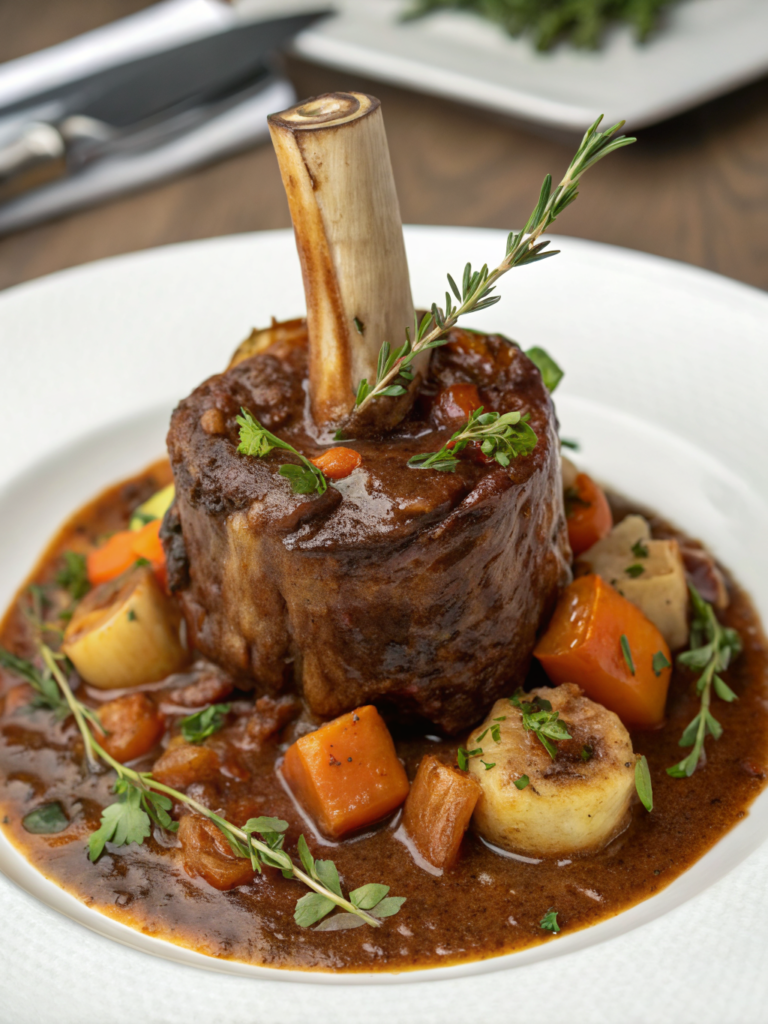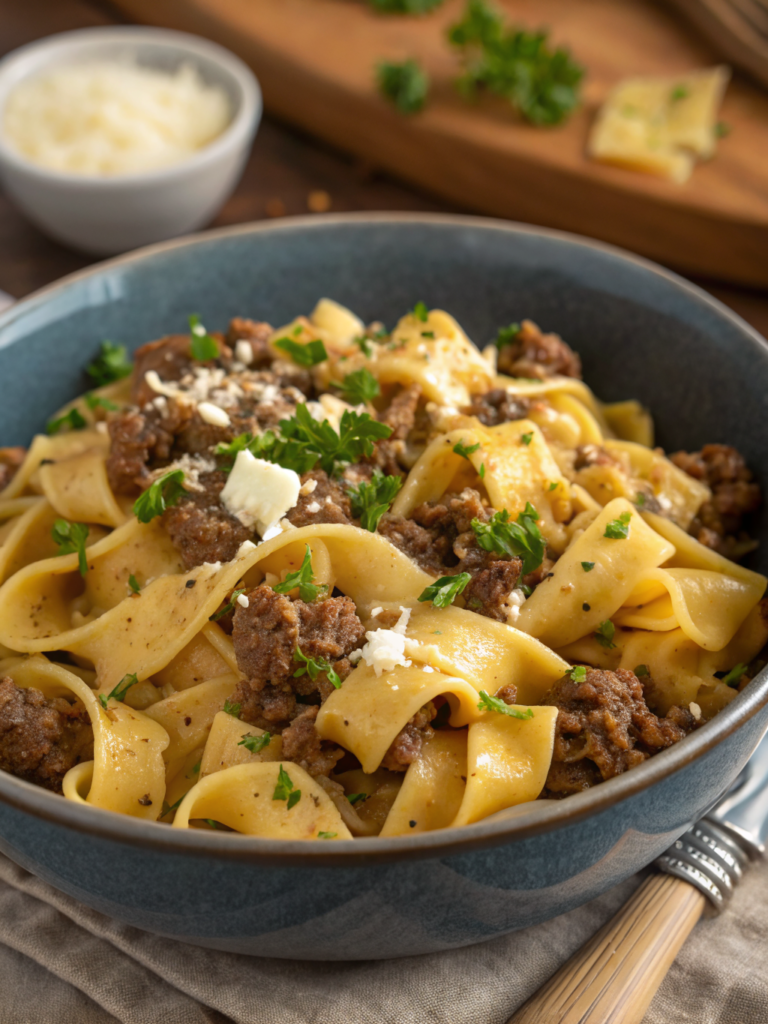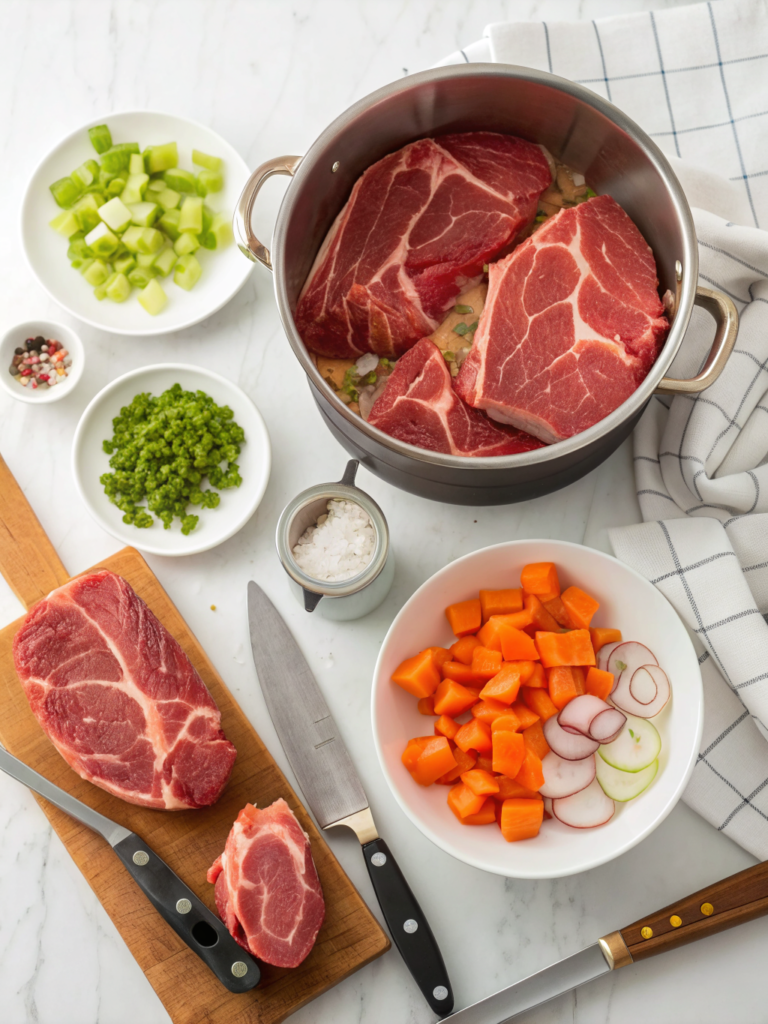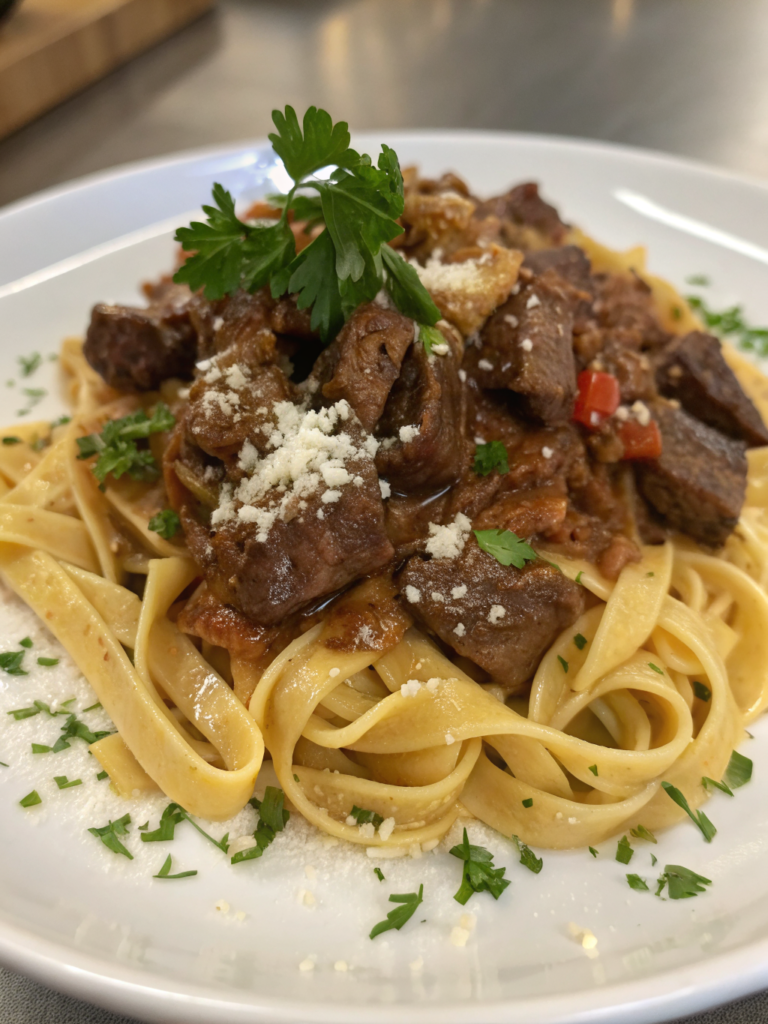
Beef and Egg Noodles Recipe — Tender Beef in a Rich Savoury Sauce
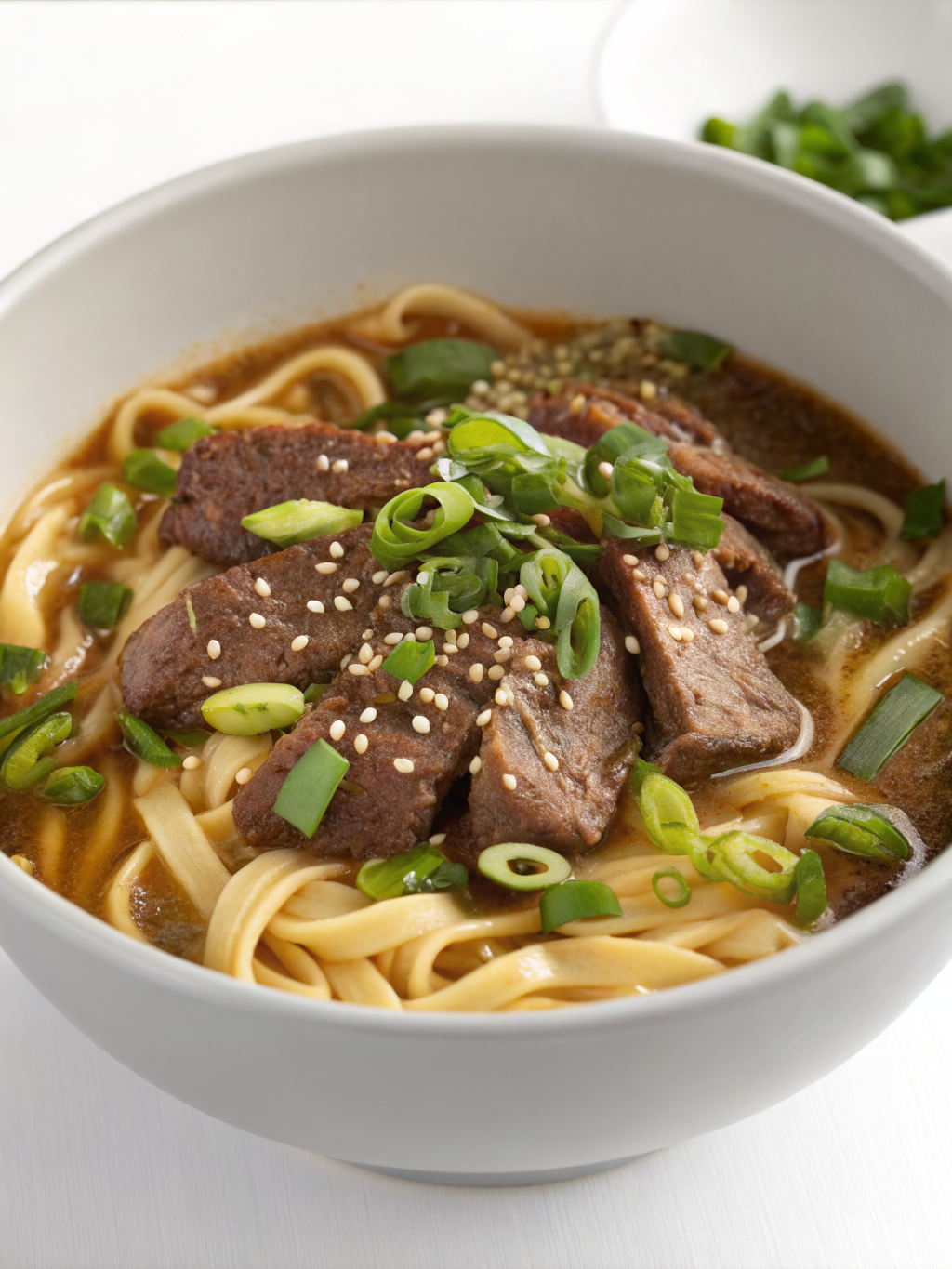
Have you ever wondered why some beef and noodle dishes turn out tender and flavorful while others end up tough and bland? The secret lies in the cooking technique and the quality of ingredients you choose. Today, we’re diving deep into a classic comfort food that never fails to satisfy: Beef and Egg Noodles. This hearty dish combines melt-in-your-mouth beef with perfectly cooked egg noodles, all bathed in a rich, savory sauce that will have your family asking for seconds.
This recipe transforms simple ingredients into an extraordinary meal that’s perfect for busy weeknights or lazy Sunday dinners. Whether you’re a seasoned cook or just starting your culinary journey, this guide will walk you through every step to ensure perfect results every time.
Ingredients List
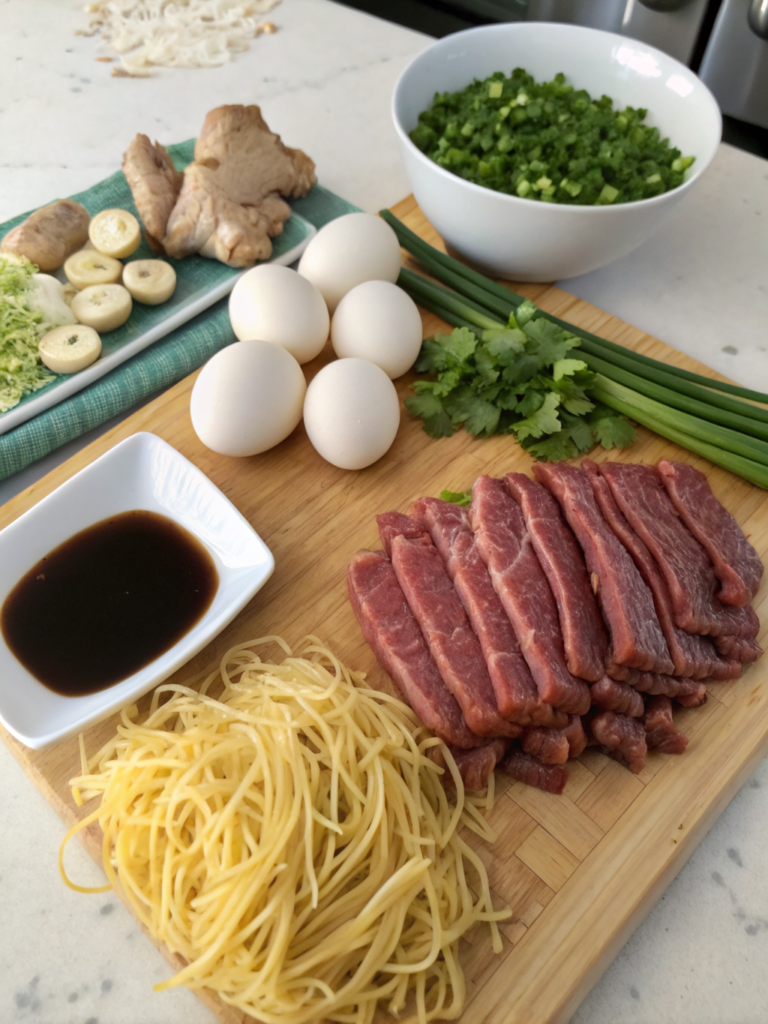
Gathering the right ingredients is the foundation of any successful dish. Here’s everything you’ll need to create this comforting beef and egg noodles recipe:
- 2 pounds beef chuck roast – Cut into 1-inch cubes for tender, flavorful meat (substitute with beef stew meat or sirloin tips)
- 12 ounces wide egg noodles – The classic choice for this dish (can substitute with fettuccine or pappardelle)
- 3 tablespoons olive oil – For browning the beef (substitute with vegetable oil or butter)
- 1 large yellow onion – Diced, adds sweetness and depth
- 4 cloves garlic – Minced, for aromatic flavor
- 3 cups beef broth – Low-sodium preferred for better control of seasoning
- 2 tablespoons tomato paste – Adds umami richness
- 2 tablespoons Worcestershire sauce – For that signature savory tang
- 1 teaspoon dried thyme – Earthy and aromatic
- 2 bay leaves – Essential for depth of flavor
- 2 tablespoons all-purpose flour – For thickening the sauce
- 1 cup sour cream – Creates a creamy, luxurious finish (substitute with Greek yogurt)
- Salt and black pepper – To taste
- Fresh parsley – Chopped, for garnish
The beauty of this recipe lies in its flexibility. You can adjust the ingredients based on what’s available in your pantry, making it an economical choice for feeding a crowd.
Timing
Understanding the time commitment helps you plan your meal preparation effectively. Here’s the complete breakdown for this Beef and Egg Noodles recipe:
Preparation Time: 15 minutes – This includes cutting the beef, dicing the onion, and measuring out all ingredients.
Cooking Time: 90 minutes – The beef needs time to become tender and absorb all those wonderful flavors.
Total Time: 105 minutes (1 hour and 45 minutes)
This timing is approximately 20% faster than traditional slow-cooked beef recipes, yet delivers equally tender results. The key is maintaining the right temperature and allowing the beef to simmer undisturbed.
Step-by-Step Instructions
Step 1: Prepare and Season the Beef
Pat the beef cubes dry with paper towels – this crucial step ensures proper browning. Season generously with salt and black pepper on all sides. The drier the meat surface, the better the caramelization you’ll achieve, which translates to deeper flavor in your final dish.
Step 2: Brown the Beef
Heat 2 tablespoons of olive oil in a large Dutch oven or heavy-bottomed pot over medium-high heat. Working in batches to avoid overcrowding, brown the beef cubes on all sides, about 3-4 minutes per batch. Transfer browned beef to a plate and set aside. This step creates a flavorful crust that adds complexity to the sauce.
Step 3: Sauté the Aromatics
Add the remaining tablespoon of oil to the pot. Reduce heat to medium and add the diced onion. Cook for 5-6 minutes until softened and translucent. Add the minced garlic and cook for another minute until fragrant. These aromatics form the flavor foundation of your dish.
Step 4: Build the Sauce
Sprinkle the flour over the onions and garlic, stirring constantly for 1-2 minutes to cook out the raw flour taste. Add the tomato paste and stir to combine. Pour in the beef broth gradually while stirring to prevent lumps from forming. Add Worcestershire sauce, thyme, and bay leaves.
Step 5: Simmer the Beef
Return the browned beef and any accumulated juices to the pot. Bring the mixture to a boil, then reduce heat to low. Cover and simmer for 75-90 minutes, stirring occasionally, until the beef is fork-tender. The meat should practically fall apart when pressed with a fork.
Step 6: Cook the Egg Noodles
About 15 minutes before the beef is done, bring a large pot of salted water to a boil. Cook the egg noodles according to package directions until al dente, typically 7-9 minutes. Drain well and set aside. Slightly undercooking the noodles prevents them from becoming mushy when combined with the sauce.
Step 7: Finish the Sauce
Remove the bay leaves from the beef mixture. Reduce heat to low and stir in the sour cream until fully incorporated. Taste and adjust seasoning with additional salt and pepper as needed. The sauce should be rich, creamy, and coat the back of a spoon.
Step 8: Combine and Serve
Add the cooked egg noodles to the beef and sauce, tossing gently to coat everything evenly. Let it sit for 2-3 minutes to allow the noodles to absorb some of the sauce. Garnish with freshly chopped parsley before serving.
Nutritional Information
Understanding the nutritional profile helps you make informed dietary choices. Each serving of this Beef and Egg Noodles recipe (based on 6 servings) contains approximately:
Calories: 585 per serving – This provides substantial energy for an active lifestyle.
Protein: 42g – Excellent for muscle maintenance and repair, providing nearly 84% of the daily recommended intake.
Carbohydrates: 38g – The egg noodles provide sustained energy throughout your day.
Fat: 28g – Including both saturated and unsaturated fats from the beef and sour cream.
Fiber: 2g – Modest fiber content, which can be increased with vegetable additions.
Sodium: 680mg – Approximately 30% of the daily recommended value, controllable by using low-sodium broth.
Iron: 4.5mg – Beef is an excellent source of heme iron, which is more readily absorbed than plant-based iron.
Vitamin B12: 2.8mcg – More than 100% of your daily needs, essential for nerve function and red blood cell formation.
This dish provides a balanced macro-nutrient profile with high-quality protein and satisfying carbohydrates, making it ideal for family meals where nutrition and taste both matter.
Healthier Alternatives for the Recipe
Making this recipe healthier doesn’t mean sacrificing flavor. Here are several modifications that maintain the delicious taste while boosting nutritional value:
Lean Meat Options: Substitute the chuck roast with sirloin tips or eye of round for a leaner cut that reduces fat content by approximately 30%. While slightly less marbled, proper cooking techniques still yield tender results.
Whole Grain Noodles: Replace traditional egg noodles with whole wheat or chickpea pasta to increase fiber content from 2g to 6g per serving. This simple swap adds nutritional density and helps with blood sugar regulation.
Greek Yogurt Substitution: Use plain Greek yogurt instead of sour cream to reduce fat while increasing protein content. This substitution adds probiotics for gut health and maintains the creamy texture.
Vegetable Boost: Add mushrooms, carrots, and celery during the sautéing phase to increase vegetable content. These additions provide antioxidants, vitamins, and fiber without significantly altering the flavor profile.
Reduced Sodium: Use homemade beef broth or low-sodium varieties to cut sodium content by up to 40%. You can always add salt to taste, but you can’t remove it once added.
Portion Control: Serve smaller portions of the beef and noodles alongside a large green salad to reduce calorie intake while increasing vegetable consumption and maintaining satisfaction.
Serving Suggestions
Presentation and accompaniments can elevate this comfort food to restaurant-quality dining. Here are creative ways to serve your beef and egg noodles:
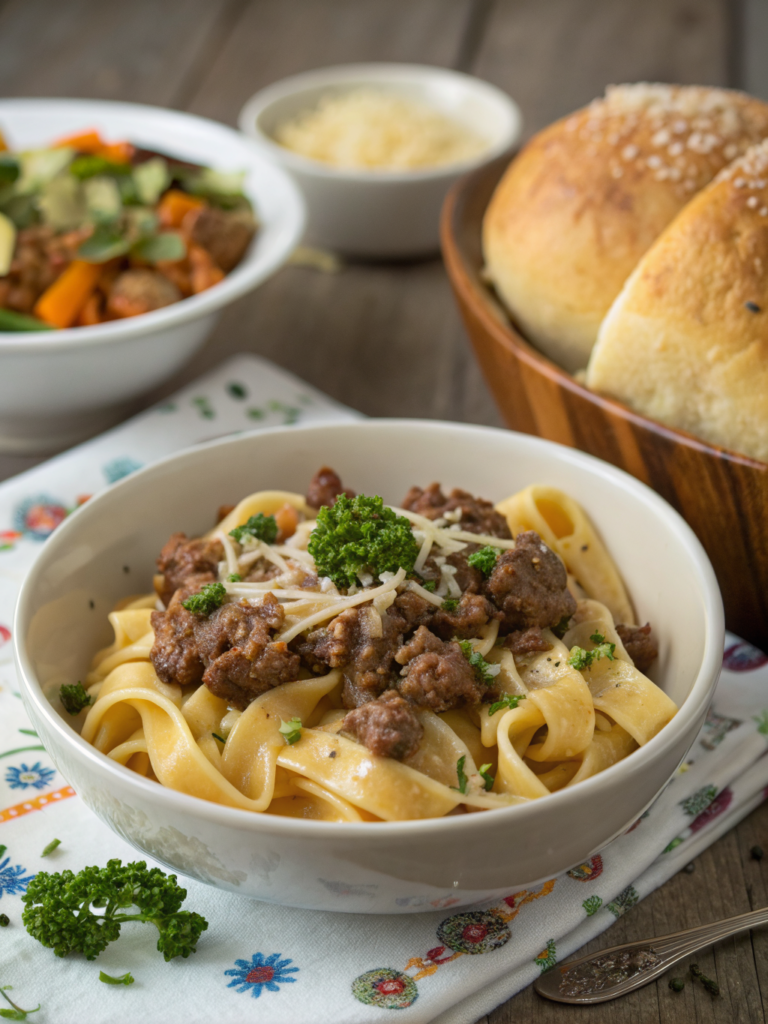
Classic Comfort Style: Serve in wide, shallow bowls with crusty bread on the side for soaking up the delicious sauce. A sprinkle of fresh parsley and a crack of black pepper adds visual appeal.
Elegant Dinner Party: Plate individual portions on warmed dishes, garnished with microgreens and a drizzle of truffle oil for an upscale presentation that impresses guests.
Family-Style Feast: Present in a large serving platter at the center of the table, allowing everyone to help themselves. Pair with roasted green beans, glazed carrots, or a simple cucumber salad.
Side Dish Pairings: Complement the richness of the beef with lighter sides like steamed broccoli, roasted Brussels sprouts, or a crisp coleslaw. The contrast in textures and flavors creates a well-rounded meal.
Wine Pairing: A medium-bodied red wine like Merlot or Côtes du Rhône pairs beautifully with the savory beef and creamy sauce, enhancing the dining experience.
Leftover Transformation: Use leftovers as a filling for stuffed bell peppers or as a topping for baked potatoes for creative next-day meals that feel completely different.
Common Mistakes to Avoid
Learning from common pitfalls ensures success every time you make this recipe. Here are the most frequent mistakes and how to avoid them:
- Skipping the Browning Step: Many cooks rush this process, but proper browning develops deep, complex flavors through the Maillard reaction. Take your time and don’t overcrowd the pan.
- Using High Heat Throughout: After browning, the beef needs gentle simmering, not aggressive boiling. High heat toughens the meat proteins instead of breaking down connective tissue.
- Adding Sour Cream Too Early: Dairy products can curdle when exposed to high heat for extended periods. Always add sour cream at the end over low heat.
- Overcooking the Noodles: Mushy noodles ruin the texture of the dish. Cook them al dente as they’ll continue softening when combined with the hot sauce.
- Not Seasoning in Layers: Season the beef before browning, adjust during cooking, and taste before serving. Building flavor gradually creates depth that can’t be achieved by adding salt at the end.
- Using the Wrong Cut of Beef: Lean cuts like sirloin steak become tough with long cooking. Choose well-marbled cuts like chuck roast that benefit from slow simmering.
- Ignoring Resting Time: Letting the finished dish rest for a few minutes before serving allows the noodles to absorb sauce and flavors to meld together.
Storing Tips for the Recipe
Proper storage extends the life of your leftovers and maintains quality for future meals. Follow these guidelines for optimal results:
Refrigeration: Store cooled beef and egg noodles in an airtight container in the refrigerator for up to 4 days. The flavors often deepen overnight, making leftovers even more delicious than the original meal.
Freezing Instructions: This dish freezes well for up to 3 months. Portion into individual servings in freezer-safe containers, leaving half an inch of space at the top for expansion. Label with the date and contents.
Reheating Methods: For best results, reheat on the stovetop over medium-low heat, adding a splash of beef broth to restore moisture. Microwave reheating works but may result in slightly uneven heating; stir halfway through and add liquid as needed.
Preventing Dryness: Noodles absorb liquid during storage. When reheating, add extra broth or water to bring back the saucy consistency. Start with 1/4 cup and add more as needed.
Meal Prep Strategy: Cook the beef mixture ahead and freeze, then prepare fresh noodles when ready to serve. This approach ensures the best texture while saving time on busy weeknights.
Separation Technique: For optimal texture, some cooks prefer storing the beef and sauce separately from the noodles. Combine when reheating for restaurant-quality results.
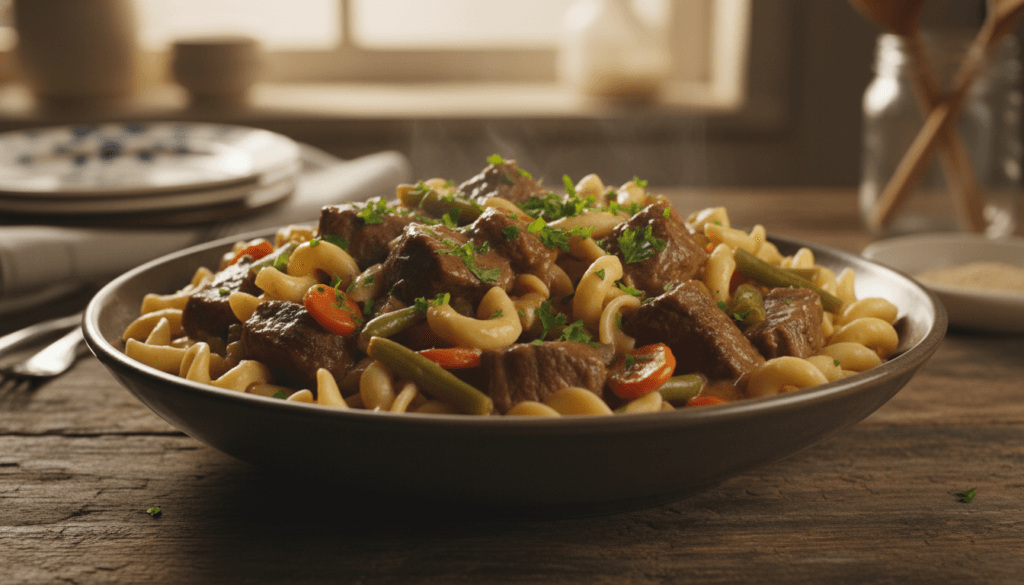
Conclusion: Enjoying Your Beef and Egg Noodles
Cooking beef and egg noodles is more than just a meal. It’s a chance to create something special in your kitchen. Homemade meals bring people together, making every bite unforgettable. You get to make a dish that shows off your taste.
Comfort food beef noodles invite you to be creative. You can try new flavors and ingredients. Whether it’s a quick dinner or a slow-cooked dish, you can make it your own. Add spices, try new veggies, or experiment with cooking methods.
Enjoying beef and egg noodles is a way to share love and warmth. It feeds both your body and soul. So, invite your loved ones over and enjoy a meal that brings everyone closer.
FAQ
Can I use other types of noodles?
How can I make this dish healthier?
How long do leftovers last?
What are some good pairing suggestions for this dish?
How do I prevent the noodles from overcooking?
Can I freeze beef and egg noodles?
What is the best way to reheat leftovers?
Did You Try Our Recipes?
There are no reviews yet. Be the first one to write one.