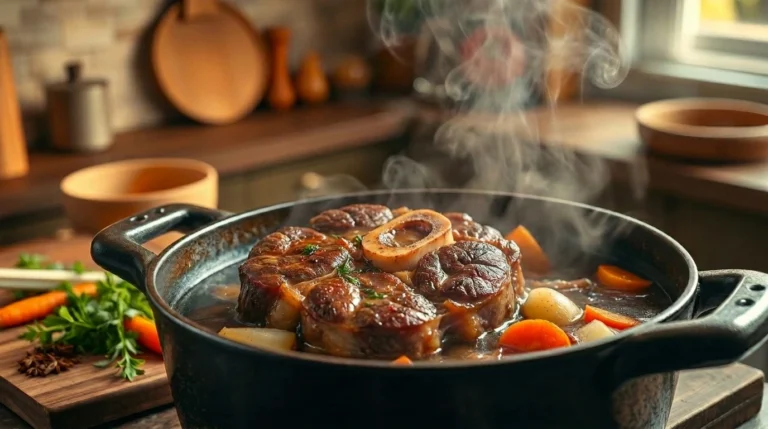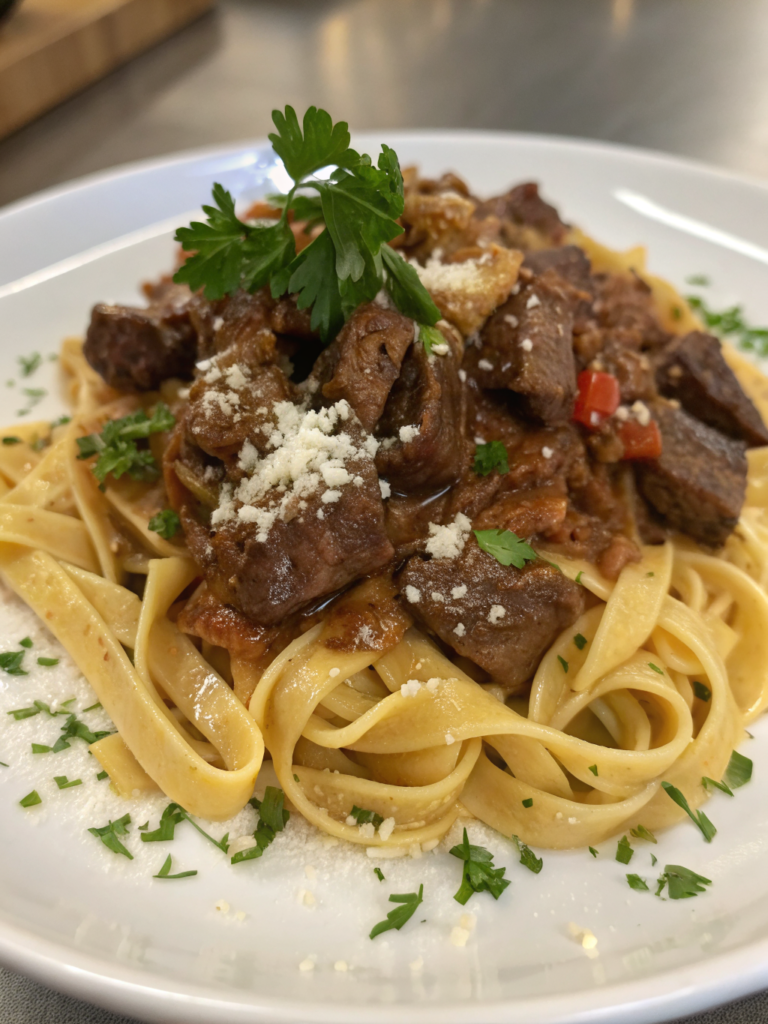
Beef Shank Bone — How to Use It for Richer, Deeper Flavor
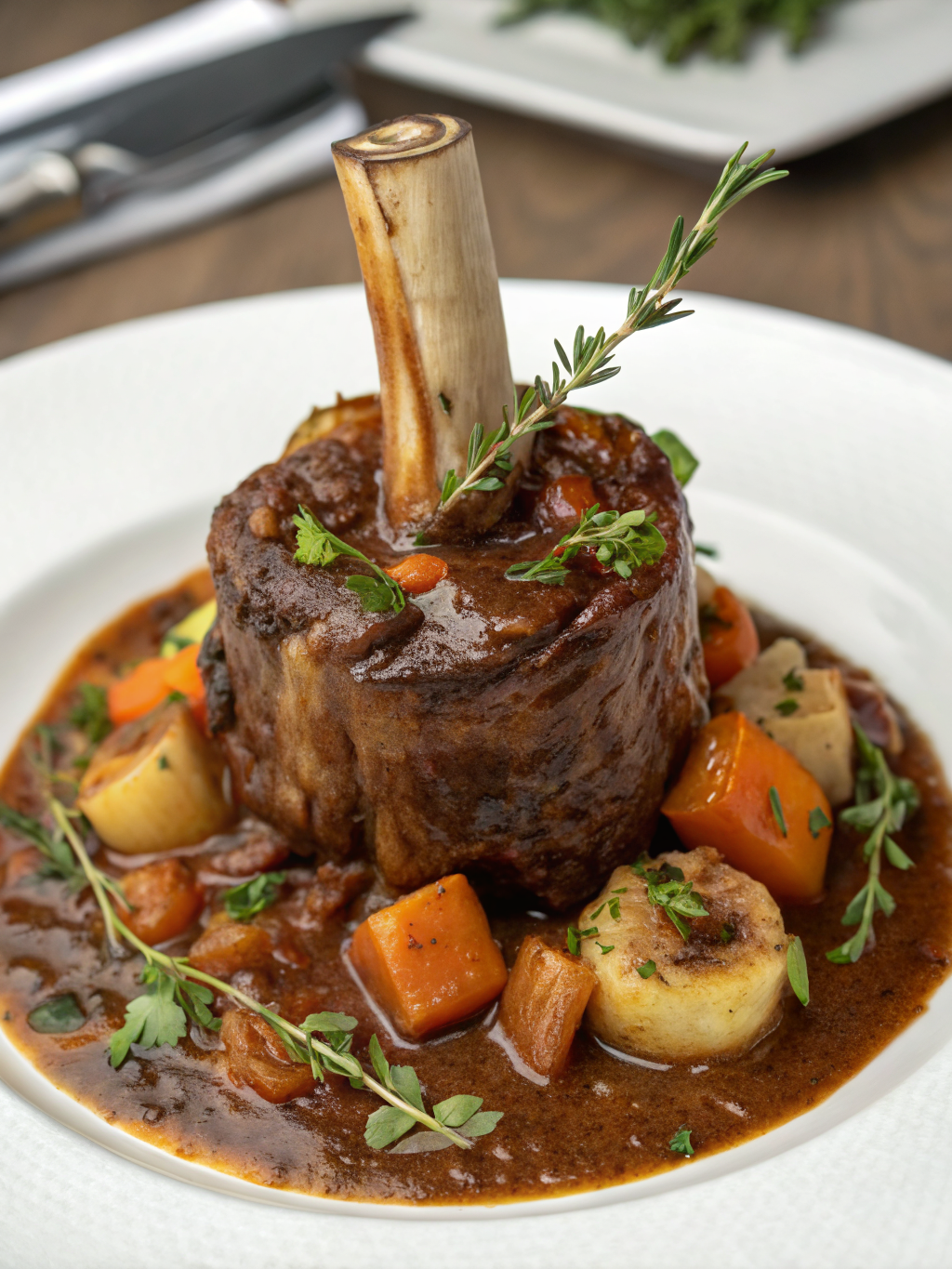
Have you ever wondered why restaurant soups and stews taste so much richer than homemade versions? The secret often lies in a humble, overlooked ingredient: the Beef Shank Bone. This powerhouse cut transforms ordinary dishes into extraordinary culinary experiences, infusing them with deep, complex flavors and luxurious body that’s impossible to replicate with boneless cuts alone.
Beef shank bones are the ultimate flavor enhancers in your kitchen arsenal. Packed with collagen-rich marrow and connective tissue, these bones release gelatin during slow cooking, creating that coveted silky mouthfeel. Whether you’re crafting a hearty broth or a warming stew, understanding how to properly utilize beef shank bones will elevate your cooking dramatically.
This comprehensive guide will walk you through everything you need to know about cooking with beef shank bones. From selecting the best cuts to mastering cooking techniques, you’ll discover why professional chefs consider this ingredient indispensable for creating restaurant-quality dishes at home.
Ingredients List
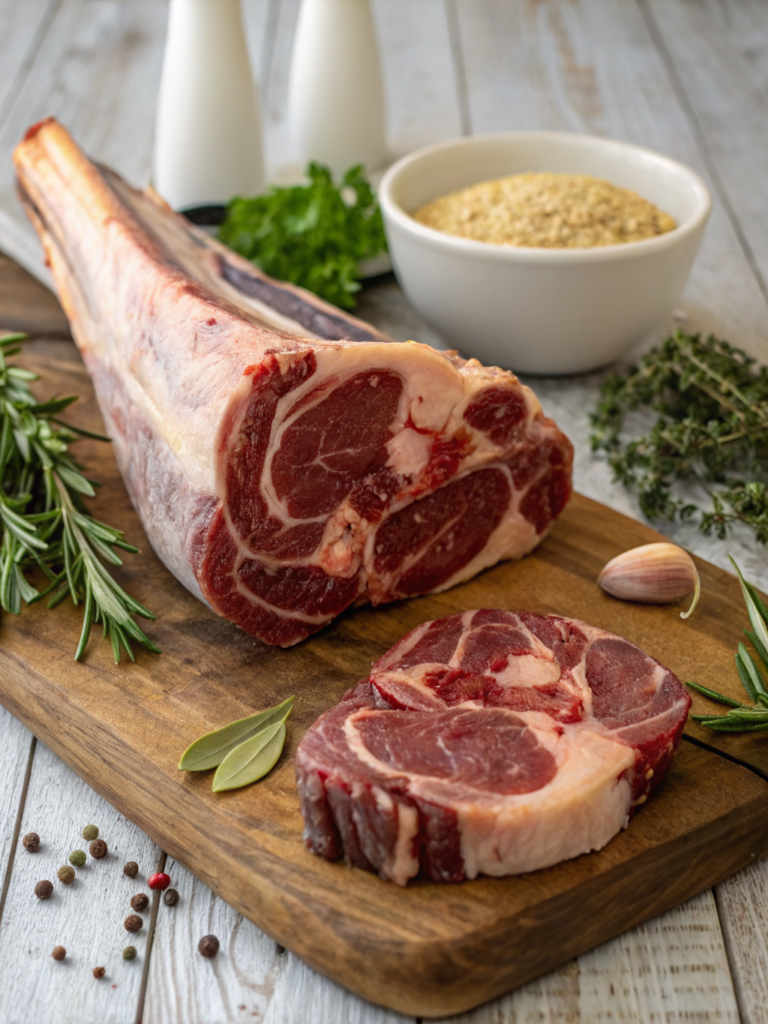
For a classic braised beef shank bone dish that serves 4-6 people, gather these essential ingredients:
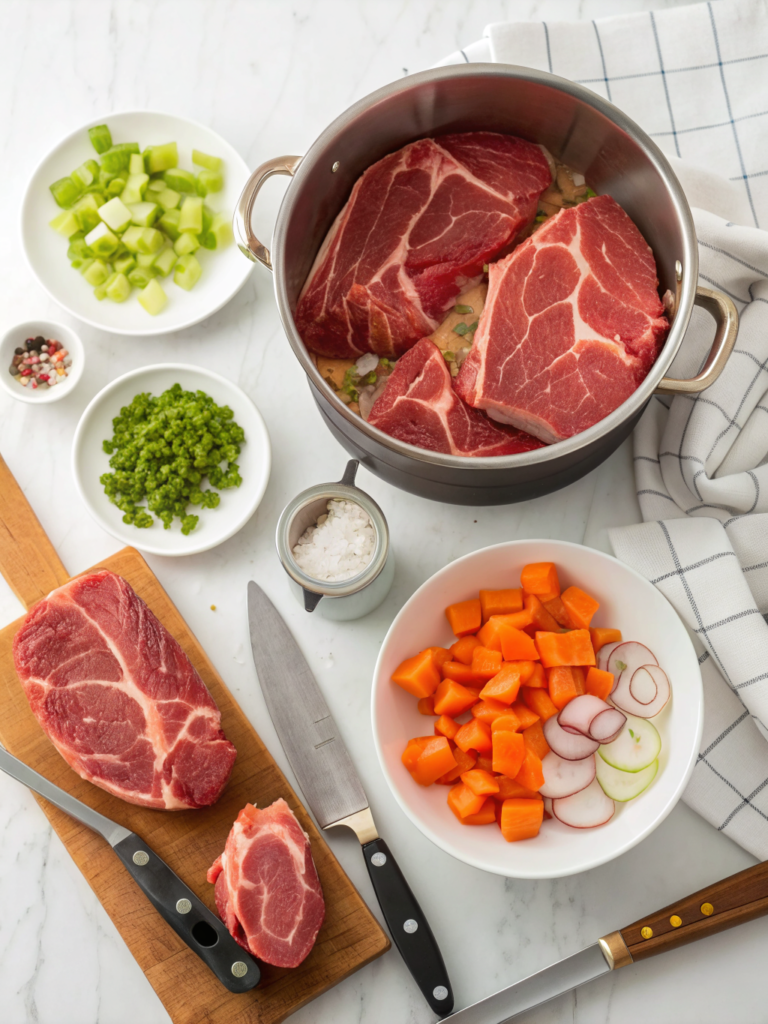
- 2-3 pounds beef shank bones (with meat attached, preferably cross-cut for maximum marrow exposure)
- 2 tablespoons olive oil or vegetable oil (avocado oil works beautifully as a substitute)
- 1 large onion, roughly chopped (yellow or white onions provide the best flavor base)
- 3 large carrots, cut into 2-inch pieces (parsnips can substitute for a sweeter profile)
- 3 celery stalks, roughly chopped (fennel bulb adds an aromatic twist)
- 6 cloves garlic, smashed (roasted garlic paste intensifies the savory notes)
- 2 tablespoons tomato paste (sun-dried tomato paste for deeper umami)
- 1 cup red wine (beef stock works for alcohol-free versions)
- 4 cups beef stock (homemade preferred, but quality store-bought works)
- 2 bay leaves (fresh thyme sprigs complement beautifully)
- 1 teaspoon black peppercorns (whole for easier removal)
- 2 sprigs fresh rosemary (dried rosemary acceptable, use 1 teaspoon)
- Salt and freshly ground black pepper to taste
- 2 tablespoons all-purpose flour (cornstarch or arrowroot for gluten-free)
The beauty of working with beef shank bones lies in their forgiving nature. These ingredients create a foundation that welcomes experimentation. Consider adding mushrooms for earthiness, or root vegetables like turnips and rutabaga for seasonal variation.
Timing
Understanding the time investment helps you plan accordingly for this rewarding dish:
Preparation Time: 20 minutes for chopping vegetables and preparing ingredients
Cooking Time: 2.5 to 3 hours for stovetop braising, or 4-5 hours on low in a slow cooker
Total Time: Approximately 3 hours and 20 minutes
This timing represents roughly 15% less active cooking time compared to traditional pot roast recipes, since the bones require minimal intervention once braising begins. The extended cooking period allows collagen to break down completely, transforming tough connective tissue into melt-in-your-mouth tenderness.
For pressure cooker enthusiasts, you can reduce cooking time to just 45-50 minutes at high pressure, though traditional slow cooking develops more complex flavor layers. Plan ahead if serving for dinner—starting mid-afternoon ensures perfect timing.
Step-by-Step Instructions
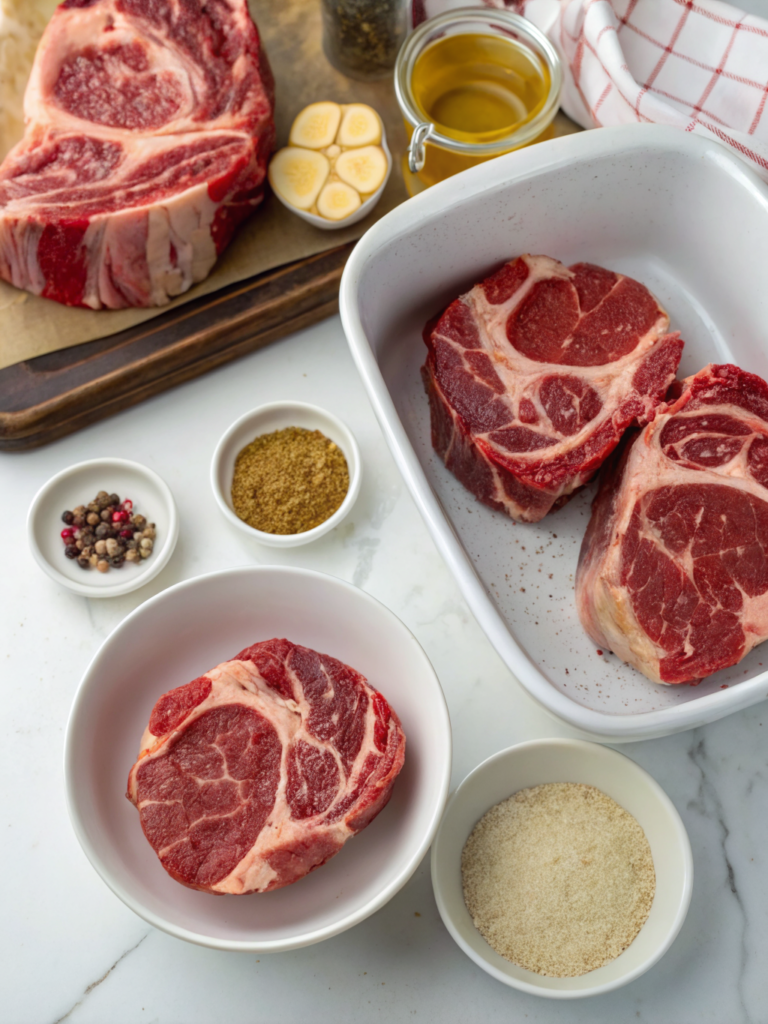
Step 1: Prepare the Beef Shank Bones
Remove the Beef Shank Bone from refrigeration 30 minutes before cooking, allowing it to reach room temperature. Pat each piece thoroughly dry with paper towels—moisture prevents proper browning. Season generously on all sides with salt and freshly ground black pepper.
Lightly dust the shanks with flour, shaking off excess. This coating promotes beautiful caramelization and helps thicken the braising liquid later. The flour creates a golden crust that seals in juices while adding body to your sauce.
Step 2: Sear for Maximum Flavor
Heat a large Dutch oven or heavy-bottomed pot over medium-high heat. Add oil and wait until it shimmers—this indicates proper temperature for searing. Carefully place shanks in the pot, avoiding overcrowding which causes steaming instead of browning.
Sear each side for 4-5 minutes until deep golden-brown crust forms. Don’t rush this step—proper caramelization develops the Maillard reaction, creating hundreds of flavor compounds. Remove shanks and set aside on a plate. The fond (browned bits) left behind becomes flavor gold.
Step 3: Build the Aromatic Base
Reduce heat to medium and add onions, carrots, and celery to the same pot. Sauté for 6-8 minutes, stirring occasionally, until vegetables soften and develop light color. The residual oil and fond infuse vegetables with rich, meaty flavor.
Add smashed garlic and tomato paste, stirring constantly for 2 minutes. The tomato paste needs to caramelize slightly, deepening from bright red to brick-red. This concentrates its flavor and removes any raw, acidic notes that could overpower the dish.
Step 4: Deglaze and Add Liquids
Pour in red wine, using a wooden spoon to scrape up all the flavorful fond from the pot bottom. Let wine simmer vigorously for 3-4 minutes, reducing by half. This concentrates the wine’s flavor while cooking off harsh alcohol notes.
Add beef stock, bay leaves, peppercorns, and rosemary. Stir to combine all elements thoroughly. The liquid should smell deeply savory and aromatic, with herbs perfuming your kitchen beautifully.
Step 5: Braise to Perfection
Return the seared bone in beef shank to the pot, nestling them into the liquid. The liquid should come about two-thirds up the sides of the meat—add more stock if needed. Bring to a gentle simmer.
Cover the pot with a tight-fitting lid and transfer to a preheated 325°F (165°C) oven. Alternatively, reduce stovetop heat to low and maintain a bare simmer. Check periodically to ensure liquid isn’t boiling vigorously, which toughens meat.
Step 6: Monitor and Turn
After 90 minutes, carefully turn the shanks to ensure even cooking. The meat should be developing tenderness but still hold its shape. Baste with braising liquid to keep exposed surfaces moist and flavorful.
Continue cooking for another 60-90 minutes, checking for doneness. The meat is ready when it easily pulls away from the bone with gentle fork pressure. Marrow should be soft and spreadable, a delicacy worth savoring.
Step 7: Rest and Finish the Sauce
Remove shanks from braising liquid and tent loosely with foil to rest for 10 minutes. Strain the braising liquid through a fine-mesh sieve, discarding solids. Let liquid settle for 5 minutes, then skim fat from the surface.
Return strained liquid to the pot and simmer over medium-high heat until reduced by one-third, about 10-15 minutes. The sauce should coat the back of a spoon with glossy richness. Taste and adjust seasoning with salt and pepper as needed.
Nutritional Information
A single serving (approximately 8 ounces of meat with bone and 1/2 cup sauce) provides substantial nutrition:
Calories: 420-480 calories per serving, with variation depending on fat content and marrow consumption
Protein: 38-42 grams, making this an excellent choice for muscle maintenance and satiety
Fat: 24-28 grams, including beneficial monounsaturated fats and omega-3 fatty acids from grass-fed beef
Carbohydrates: 8-12 grams, primarily from vegetables and wine reduction
Collagen and Gelatin: Approximately 5-8 grams per serving, supporting joint health and skin elasticity
Key Minerals: Excellent source of iron (35% DV), zinc (40% DV), phosphorus (25% DV), and selenium (30% DV)
Vitamins: Rich in B-complex vitamins, particularly B12 (65% DV) and niacin (30% DV)
The bone marrow contains concentrated nutrients including conjugated linoleic acid (CLA), which research suggests may support metabolic health. The gelatin released during cooking provides glycine and proline, amino acids that support gut lining integrity and collagen production throughout the body.
Healthier Alternatives for the Recipe
While Beef Shank Bone dishes are naturally nutritious, several modifications can align with specific dietary goals:
Reduce Sodium: Use low-sodium beef stock and limit added salt. The natural gelatin provides satisfying body without requiring excessive seasoning. Fresh herbs intensify flavor without sodium.
Lower Fat Content: Prepare the dish a day ahead, refrigerate overnight, and remove the solidified fat layer before reheating. This reduces fat by approximately 30-40% while maintaining flavor integrity.
Increase Vegetable Content: Add extra carrots, celery, parsnips, and mushrooms to boost fiber and micronutrients. This creates a more balanced macronutrient profile while stretching servings further.
Alcohol-Free Version: Replace red wine with additional beef stock plus 2 tablespoons balsamic vinegar for acidity. The vinegar provides the brightness wine typically contributes without alcohol content.
Paleo-Friendly: Skip the flour dusting and thicken sauce through reduction alone. The natural gelatin provides adequate body. Use coconut aminos instead of wine for a completely grain-free, alcohol-free version.
Keto Adaptation: Serve over cauliflower mash instead of traditional starches. Increase fat content by leaving more marrow in the dish and drizzling with quality olive oil before serving.
Serving Suggestions
The versatility of braised beef shank bones allows for countless presentation styles that satisfy diverse preferences:
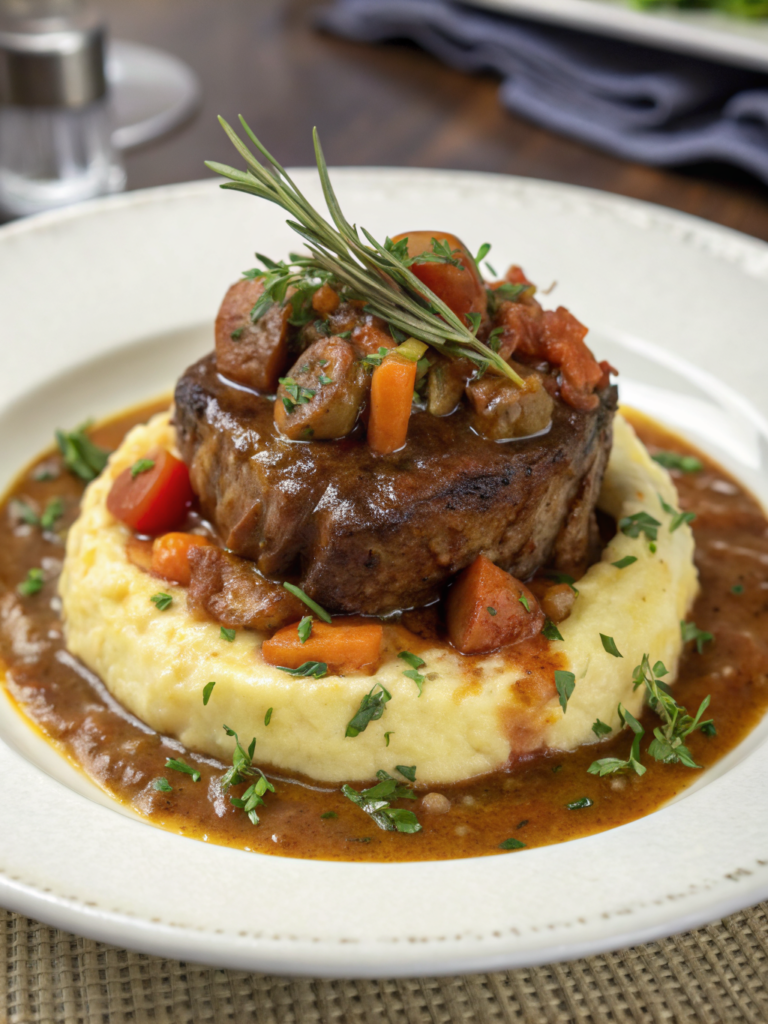
Classic Comfort: Serve over creamy mashed potatoes or buttery polenta, allowing the rich sauce to pool around the tender meat. Garnish with fresh parsley and a sprinkle of flaky sea salt for textural contrast.
Rustic Italian: Present alongside soft polenta or creamy risotto Milanese. The saffron in risotto complements the beef’s richness beautifully. Gremolata (lemon zest, garlic, and parsley) cuts through the richness perfectly.
French-Inspired: Pair with crusty baguette for soaking up every drop of sauce. Add roasted root vegetables and a glass of the same red wine used in cooking for an authentic bistro experience.
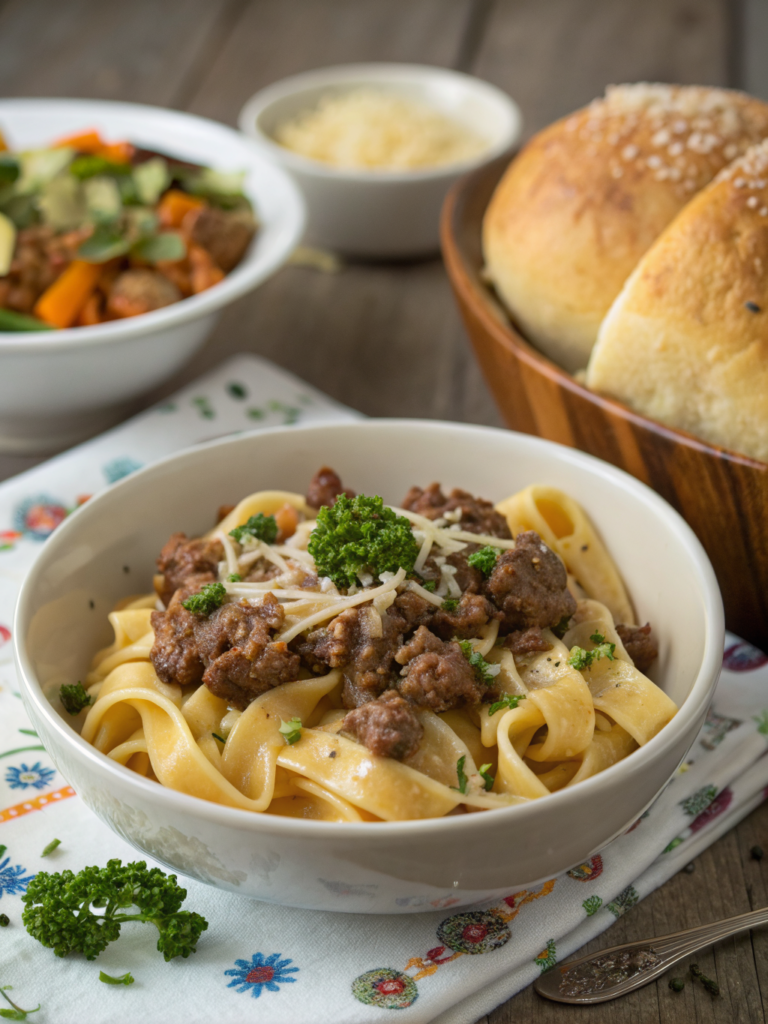
Modern Healthy: Serve over cauliflower rice or zucchini noodles for a lower-carb option. The gelatin-rich sauce coats vegetable alternatives beautifully, providing satisfaction without heaviness.
Family-Style: Present the whole shanks on a large platter surrounded by braised vegetables. Let diners serve themselves, pulling tender meat directly from the bone—an interactive, convivial dining experience.
Bone Marrow Highlight: Provide small spoons for scooping marrow directly from bones. Spread on toasted bread with coarse salt and fresh herbs as a luxurious appetizer before the main course.
Complement the dish with simple green salads dressed in bright vinaigrette to balance the richness. Roasted Brussels sprouts or green beans almondine provide textural variety and fresh flavors.
Common Mistakes to Avoid
Even experienced cooks encounter pitfalls when working with beef shank bones. Avoid these common errors:
- Insufficient Browning: Rushing the searing process results in pale meat lacking depth. Take time to develop proper caramelization—it’s the foundation of flavor. Patience here pays dividends in the final dish.
- Boiling Instead of Simmering: Aggressive boiling toughens meat proteins and creates greasy, cloudy sauce. Maintain gentle bubbles—liquid should barely move. Low and slow wins this race every time.
- Overcrowding the Pot: Cramming too many shanks prevents proper heat circulation and even cooking. Work in batches if necessary, or use a larger vessel. Space allows heat to work its magic uniformly.
- Skipping the Resting Period: Cutting into meat immediately after cooking releases precious juices onto the cutting board. Ten minutes of resting allows juices to redistribute throughout the meat for maximum tenderness.
- Not Skimming Fat: Excess fat creates greasy mouthfeel rather than luxurious richness. Skim regularly during cooking and before final sauce reduction. The difference in texture is remarkable.
- Under-Seasoning: Large cuts require generous seasoning to penetrate deeply. Don’t be timid with salt and pepper—they enhance rather than mask the beef’s natural flavor.
- Wrong Cooking Temperature: Oven temperatures above 350°F cook too aggressively, while below 300
Final Tips to Elevate Your Beef Shank Bone Dishes
To make your beef shank bone dishes better, try new flavors. This ingredient works well with many herbs and spices. Add something like smoked paprika or fresh herbs to give it a unique taste. These small changes can make your meals stand out.
Choosing high-quality beef shank bone is key. Opt for grass-fed or organic options for better taste and nutrition. If you’re not sure where to find it, try local butcher shops or farmers’ markets. They usually have the best cuts to enhance your cooking.
Learning from expert chefs can also help a lot. Watch cooking shows or go to workshops to learn new techniques. Chefs often share tips that can improve your cooking. With practice and creativity, you can make dishes that everyone will remember.
FAQ
What is beef shank bone?
What are the nutritional benefits of using beef shank bone?
How can I use beef shank bone in my cooking?
What cooking techniques work best for beef shank bone?
What vegetables pair well with beef shank bone?
How should I prepare beef shank bone before cooking?
What are some popular dishes that feature beef shank bone?
How should I store beef shank bone?
What are common cooking issues with beef shank bone?
What equipment do I need for cooking with beef shank bone?
How can I elevate my beef shank bone dishes?
Did You Try Our Recipes?
There are no reviews yet. Be the first one to write one.