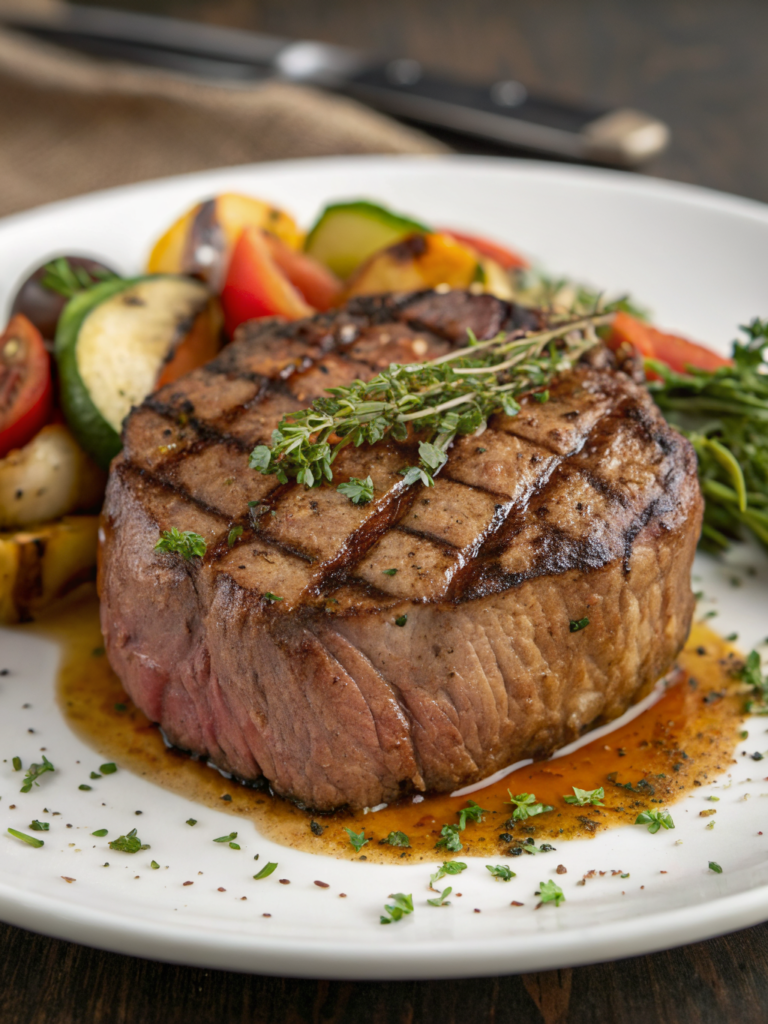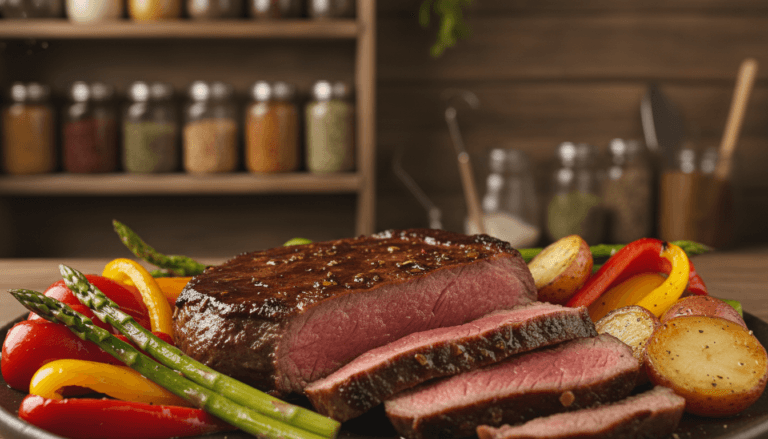
Grilling Flat Iron Steak: The Ultimate Steakhouse Guide
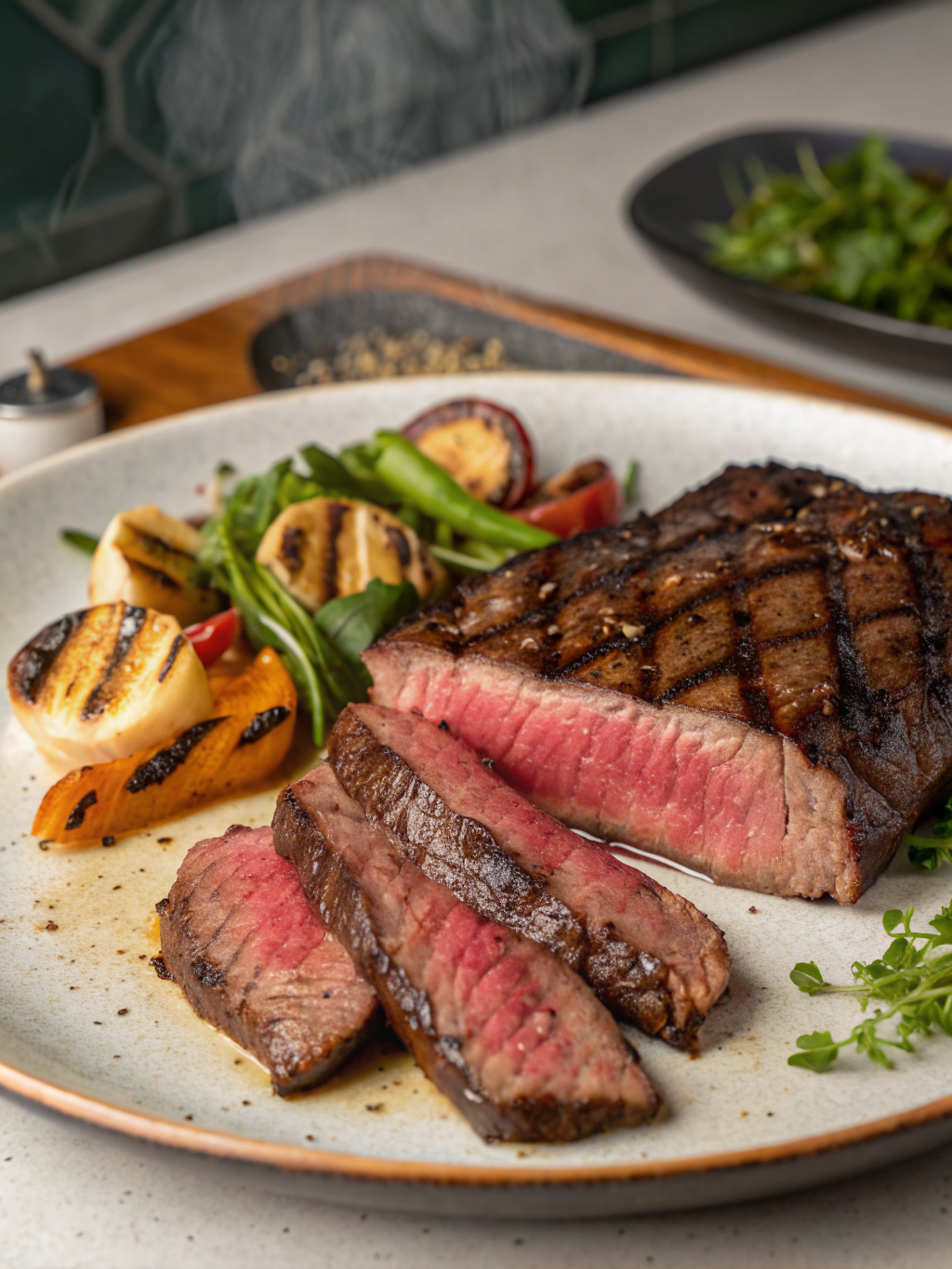
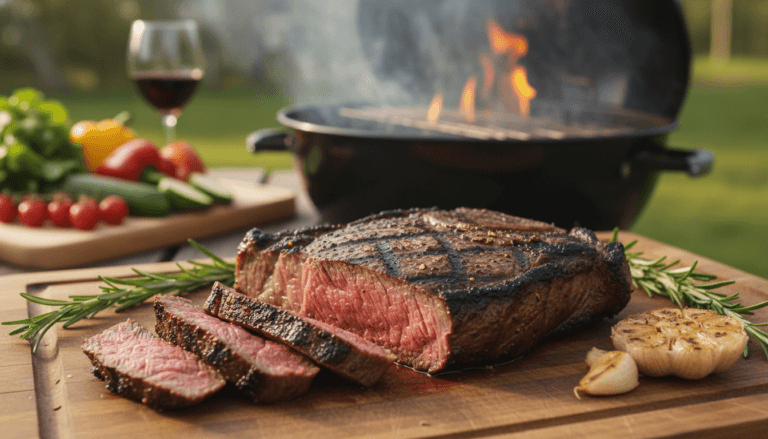
Have you ever wondered why steakhouse flat iron steaks taste so incredibly tender and flavorful while home-grilled versions often fall short? The secret isn’t just in the cut—it’s in mastering the technique. Grilling Flat Iron Steak transforms an affordable, underrated cut into a restaurant-quality masterpiece that rivals even the most expensive ribeyes. This comprehensive guide will walk you through every step, from selecting the perfect steak to achieving that coveted caramelized crust with a juicy, medium-rare center.
Flat iron steak, also known as top blade steak, comes from the shoulder area of the cow. Despite its location in a well-exercised muscle group, proper grilling techniques unlock its remarkable tenderness. With the right preparation and cooking method, you’ll discover why this cut has become a favorite among professional chefs and backyard grill masters alike.
Ingredients List
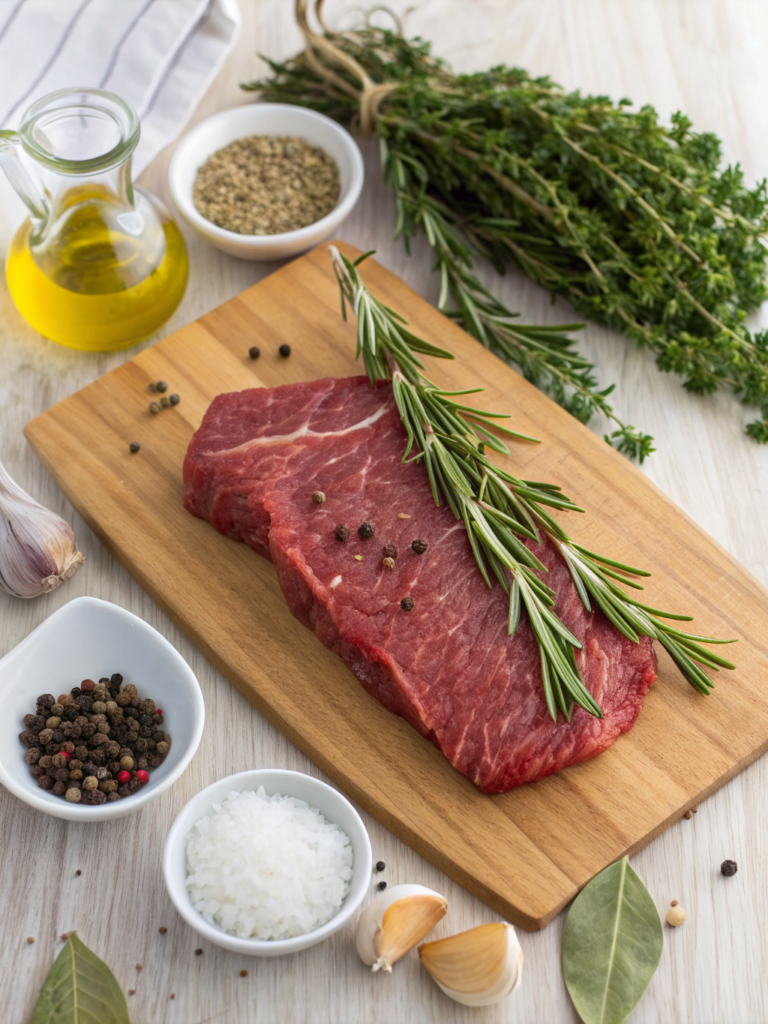
The beauty of Grilling Flat Iron Steak lies in its simplicity. Quality ingredients allow the natural beef flavor to shine through while complementary seasonings enhance rather than overpower.
- 2 flat iron steaks (8-10 ounces each, about 1 inch thick) – Look for well-marbled cuts with consistent thickness
- 2 tablespoons olive oil – Extra virgin adds depth; avocado oil works as a high-heat substitute
- 2 teaspoons kosher salt – Sea salt flakes can substitute for a more delicate finish
- 1 teaspoon freshly cracked black pepper – Coarse grind provides better texture than pre-ground
- 1 teaspoon garlic powder – Fresh minced garlic (3 cloves) offers a more pungent alternative
- 1 teaspoon smoked paprika – Regular paprika or chipotle powder creates different flavor profiles
- ½ teaspoon onion powder – Dried minced onion adds texture variation
- 2 tablespoons unsalted butter – For basting during the final minutes (optional but recommended)
- Fresh herbs – Rosemary or thyme sprigs for aromatic finishing touches
For those preferring a marinade approach, substitute the dry rub with a mixture combining ¼ cup soy sauce, 2 tablespoons Worcestershire sauce, 3 tablespoons olive oil, 4 minced garlic cloves, and 1 tablespoon brown sugar. This flat iron steak marinade infuses deeper flavors when applied 2-4 hours before grilling.
Timing
Efficient timing ensures your steak reaches the table at peak perfection. Total active time remains minimal, making this an excellent weeknight dinner option despite its impressive presentation.
Preparation Time: 10 minutes (includes seasoning and bringing steak to room temperature)
Cooking Time: 8-12 minutes (varies based on desired doneness and steak thickness)
Resting Time: 5-7 minutes (crucial for juice redistribution)
Total Time: 25-30 minutes from start to serving, which represents approximately 40% less time than traditional roasting methods while delivering superior results. The high-heat grilling method concentrates flavors quickly, creating the Maillard reaction that produces those coveted caramelized notes.
Step-by-Step Instructions
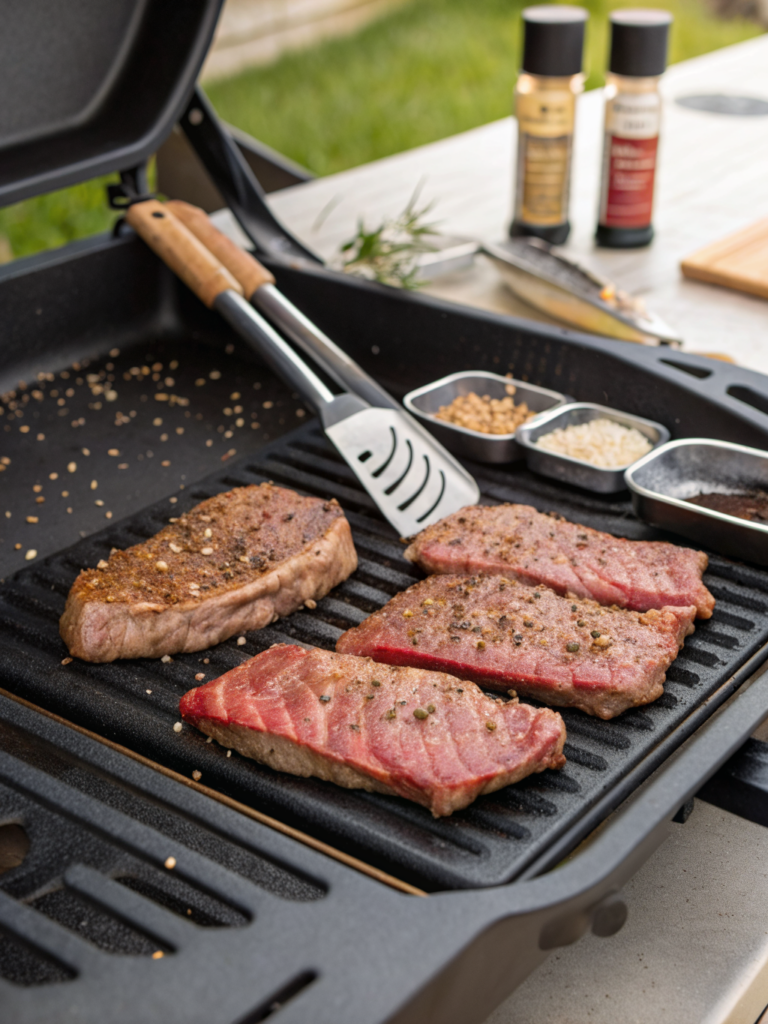
Step 1: Prepare Your Flat Iron Steak
Remove steaks from refrigeration 30-45 minutes before grilling. Room temperature meat cooks more evenly, preventing that dreaded cold center with overcooked exterior. Pat both sides thoroughly dry with paper towels—moisture is the enemy of proper searing.
Inspect your steaks for any remaining silverskin or connective tissue along the edges. While flat iron steaks are typically well-trimmed, removing any tough membrane ensures tender bites throughout. Use a sharp knife to carefully slice away any visible connective tissue.
Step 2: Create Your Seasoning Blend
Combine kosher salt, black pepper, garlic powder, smoked paprika, and onion powder in a small bowl. This flat iron steak rub creates a flavorful crust without overwhelming the natural beef taste. Mix thoroughly to distribute spices evenly.
Brush both sides of each steak with olive oil, ensuring complete coverage. The oil acts as a binder for seasonings while promoting even browning. Generously apply the spice mixture to all surfaces, pressing gently to help adherence. Don’t be timid—bold seasoning is essential for steakhouse-quality results.
Step 3: Preheat Your Grill to High Heat
Proper grill temperature is non-negotiable for Grilling Flat Iron Steak. Preheat your gas grill to 450-500°F or prepare charcoal until coals glow red-orange with white ash coating. High heat steak grilling creates the caramelized exterior while maintaining a juicy interior.
Clean grill grates thoroughly with a wire brush, then oil them using tongs holding a paper towel dipped in vegetable oil. This prevents sticking and ensures those beautiful grill marks. Create a two-zone fire by concentrating heat on one side, leaving a cooler zone for temperature control if needed.
Step 4: Grill the First Side
Place steaks on the hottest part of the grill at a 45-degree angle to the grates. Resist the urge to move them—let physics work its magic. The flat iron steak grill time for the first side is 4-5 minutes for medium-rare doneness.
You’ll know it’s time to flip when the steak releases easily from the grates. If it sticks, it needs more time. Look for a deep brown crust developing around the edges. For diamond grill marks, rotate steaks 90 degrees after 2-3 minutes without flipping.
Step 5: Flip and Complete Cooking
Using tongs (never a fork, which pierces the meat and releases precious juices), flip steaks to the uncooked side. Continue grilling for an additional 3-5 minutes, depending on thickness and desired doneness. The flat iron steak internal temp should reach 130-135°F for perfect medium-rare.
Insert an instant-read thermometer into the thickest part horizontally for accurate readings. Remember that carryover cooking will increase temperature by 5-10 degrees during resting. For medium rare flat iron steak, remove from heat at 130°F; it will reach 135-140°F after resting.
During the final minute, add butter and fresh herb sprigs to the grill surface near the steaks. Tilt the grill slightly or use a spoon to baste the melting butter over the meat, infusing additional richness and aromatics.
Step 6: Rest and Slice Properly
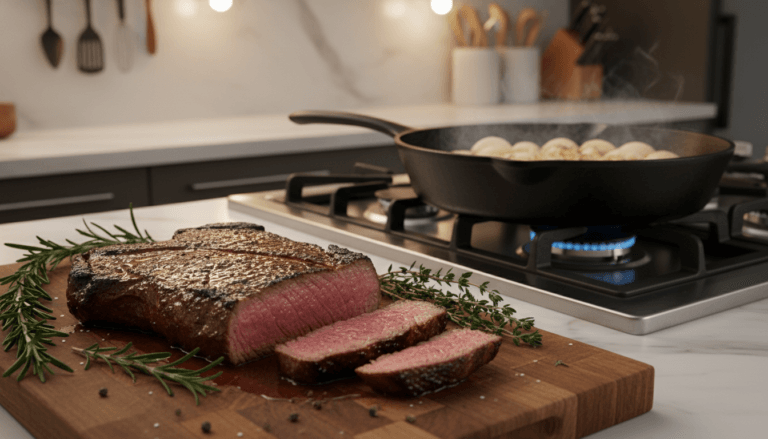
Transfer steaks to a cutting board and tent loosely with aluminum foil. This resting period allows muscle fibers to relax and juices to redistribute throughout the meat. Cutting immediately causes those flavorful juices to run onto the plate rather than staying in each bite.
After 5-7 minutes, it’s time for the most critical technique: slice against the grain. Identify the direction of muscle fibers running through the meat. Position your knife perpendicular to these lines and cut into ½-inch thick slices. This shortens the muscle fibers, making each bite remarkably tender. Slicing with the grain results in chewy, stringy texture—the most common mistake that ruins an otherwise perfectly grilled steak.
Nutritional Information
Flat iron steak offers impressive nutritional benefits, making it an excellent choice for health-conscious steak lovers. A 4-ounce serving of grilled flat iron steak contains approximately:
Calories: 240-260 (depending on marbling and trimming)
Protein: 26-28 grams—essential for muscle maintenance and satiety
Fat: 14-16 grams (approximately 6 grams saturated fat)
Carbohydrates: 0 grams (naturally carb-free)
Iron: 15-20% of daily value—crucial for oxygen transport and energy production
Zinc: 30-35% of daily value—supports immune function and wound healing
Vitamin B12: 40-45% of daily value—necessary for nerve function and red blood cell formation
Compared to ribeye, flat iron steak contains approximately 20% fewer calories and 25% less fat while maintaining comparable protein levels. The cut provides high-quality complete protein with all essential amino acids. When paired with vegetable sides, it creates a balanced meal supporting various dietary goals from muscle building to weight management.
Healthier Alternatives for the Recipe
While flat iron steak already ranks among leaner beef cuts, several modifications can further enhance its nutritional profile without sacrificing flavor or satisfaction.
Reduce Added Fats: Skip the butter basting and rely solely on the meat’s natural marbling. This eliminates approximately 100 calories and 11 grams of fat per serving while still delivering rich flavor.
Herb-Forward Seasoning: Replace half the salt with dried herbs like oregano, basil, and thyme. This reduces sodium content by 50% while adding antioxidants and complex flavors. Fresh herb marinades using cilantro, parsley, and mint provide vibrant taste with minimal calories.
Portion Control: Serve 3-4 ounces of sliced steak per person rather than a full 8-ounce portion. Pair with generous vegetable servings to create volume and satisfaction. This approach aligns with dietary guidelines recommending moderate red meat consumption.
Acid-Based Marinades: Use citrus juice, vinegar, or wine-based marinades instead of oil-heavy versions. These options tenderize meat while adding negligible calories. A marinade of lime juice, garlic, cumin, and fresh herbs delivers bold flavor with less than 20 calories per serving.
Grass-Fed Options: When available, choose grass-fed flat iron steak. Research indicates grass-fed beef contains higher levels of omega-3 fatty acids and conjugated linoleic acid (CLA), both associated with various health benefits. The flavor profile tends toward earthier, more mineral-forward notes.
Serving Suggestions
The versatility of Grilling Flat Iron Steak makes it adaptable to countless presentation styles, from casual weeknight dinners to elegant entertaining.
Classic Steakhouse Style: Serve sliced steak alongside garlic mashed potatoes and grilled asparagus. Drizzle with compound butter featuring herbs, garlic, and lemon zest. Add a crisp wedge salad with blue cheese dressing for authentic steakhouse ambiance.
Steak Salad Bowl: Arrange sliced steak over mixed greens with cherry tomatoes, cucumber, red onion, and avocado. Dress with balsamic vinaigrette and crumbled feta. This lighter presentation showcases the meat while incorporating nutrient-dense vegetables.
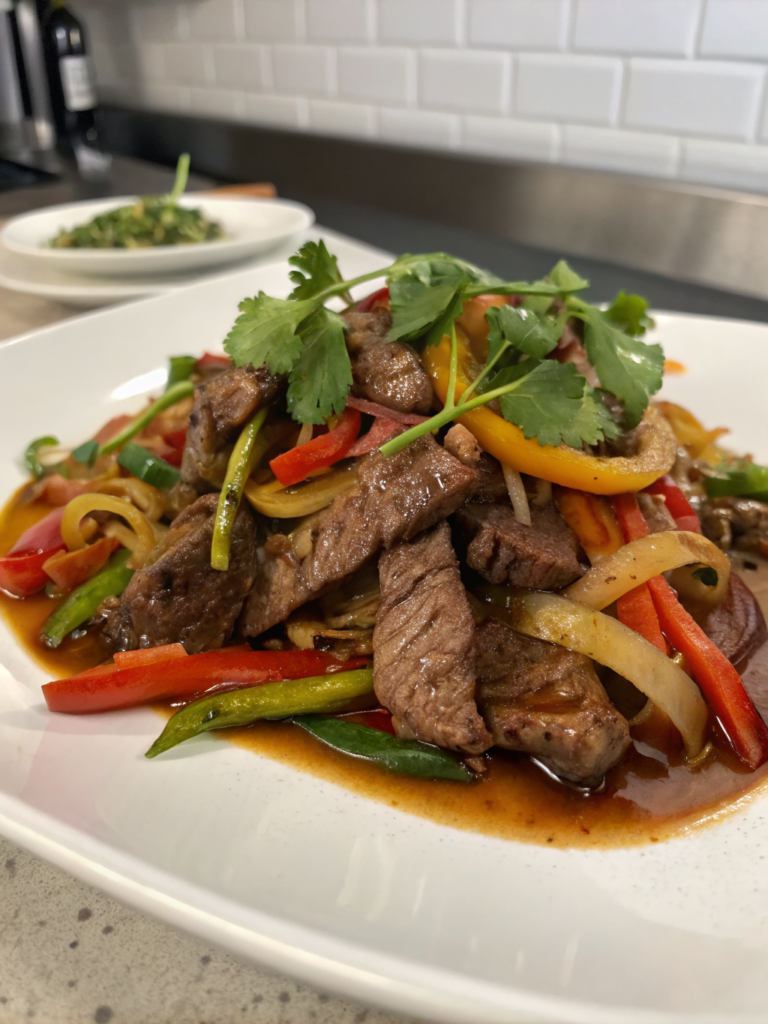
Tacos and Fajitas: Slice the grilled steak thinly and serve in warm tortillas with grilled peppers, onions, cilantro, and lime wedges. The flat iron’s tenderness makes it ideal for handheld applications. Add pico de gallo, guacamole, and sour cream for customizable family meals.
Steak Sandwich: Layer sliced meat on crusty bread with caramelized onions, arugula, and horseradish aioli. Serve with sweet potato fries for a satisfying lunch or casual dinner. The steak’s robust flavor stands up to bold condiments and toppings.
Grain Bowls: Create nourishing bowls with quinoa or farro as the base, topped with sliced steak, roasted vegetables, pickled onions, and tahini dressing. This approach balances protein with complex carbohydrates and fiber for sustained energy.
Wine Pairings: The flat iron’s moderate marbling and bold flavor pair beautifully with medium to full-bodied red wines. Consider Cabernet Sauvignon, Malbec, or Syrah. For beer lovers, amber ales or porters complement the charred, savory notes.
Common Mistakes to Avoid
Even experienced grillers can stumble with flat iron steak. Awareness of these pitfalls ensures consistent success every time you fire up the grill.
- Grilling Cold Meat: Placing refrigerator-cold steak directly on the grill creates uneven cooking—charred exterior with cold, undercooked center. Always allow 30-45 minutes for tempering to room temperature.
- Insufficient Preheating: Moderate grill temperatures produce gray, steamed meat rather than caramelized crust. High heat steak grilling requires 450-500°F minimum. Invest in a reliable grill thermometer for accuracy.
- Constant Flipping: Repeatedly turning the steak prevents proper crust formation and extends cooking time. Flip only once for optimal results. Trust the process and resist the urge to fiddle.
- Skipping the Rest Period: Cutting immediately after grilling releases up to 40% of the steak’s juices onto the cutting board. The 5-7 minute rest is non-negotiable for juicy results.
- Slicing With the Grain: This single mistake transforms tender flat iron into chewy disappointment. Always identify grain direction and cut perpendicular to muscle fibers. When in doubt, look for the lines running through the meat and slice across them.
- Over-Seasoning or Under-Seasoning:
FAQ
What is flat iron steak?
How do I prepare flat iron steak for grilling?
What is the best way to grill flat iron steak?
What should I use for flat iron steak seasoning?
How do I know when my flat iron steak is done?
Why is resting important after grilling flat iron steak?
What are some good side dishes to serve with flat iron steak?
How should I clean and store leftover flat iron steak?
Did You Try Our Recipes?
There are no reviews yet. Be the first one to write one.