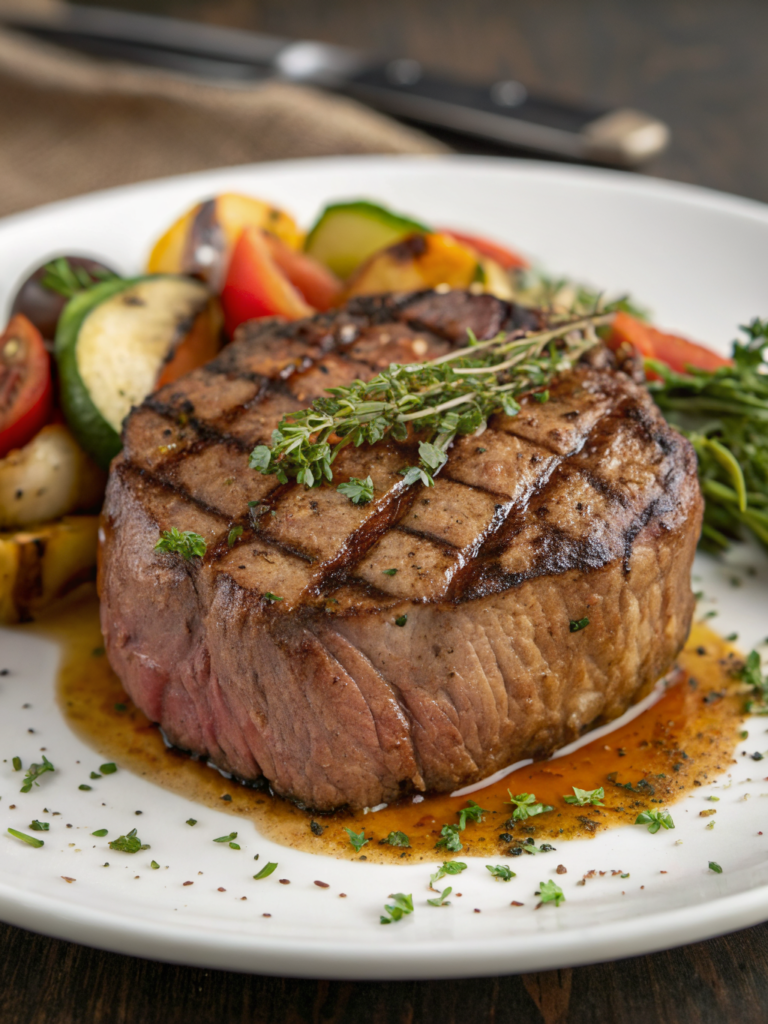
Flat Iron Steak Recipes for Tender, Flavorful Beef Every Time
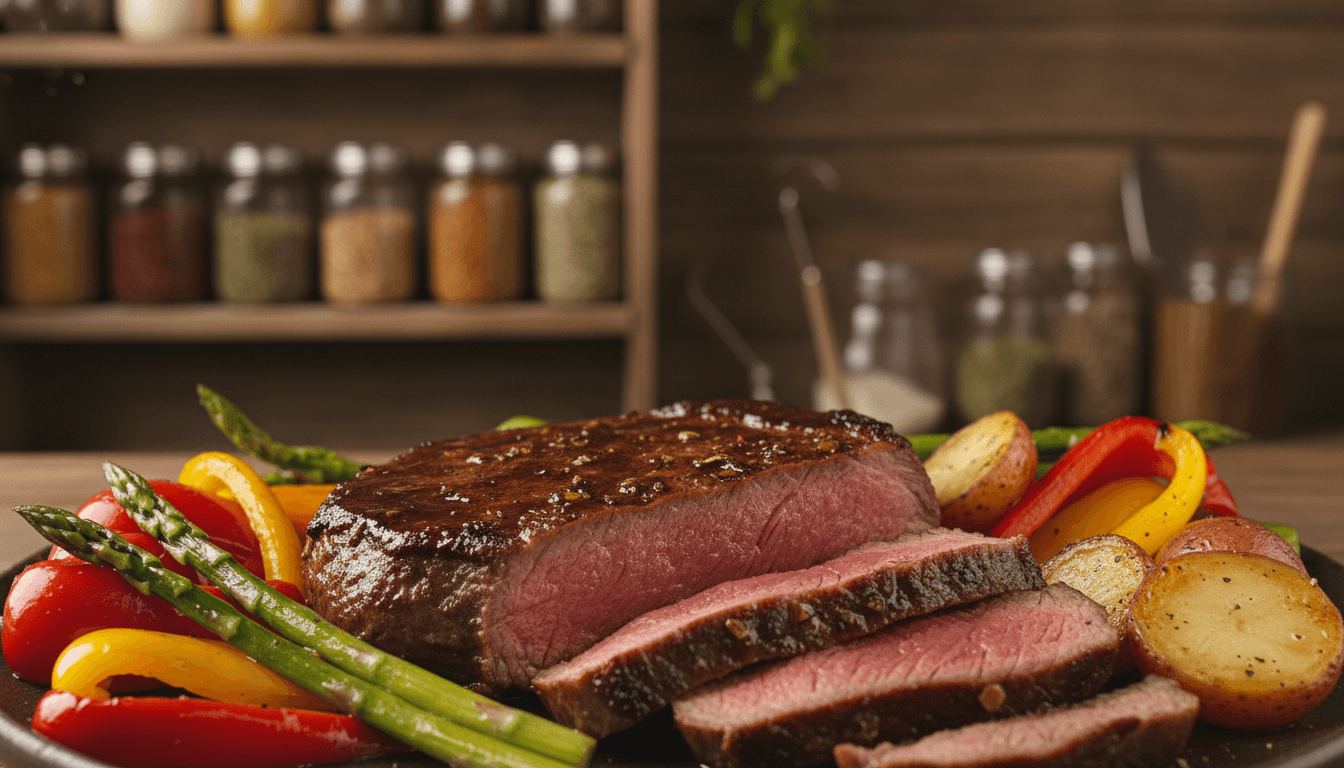
Have you ever wondered why some steaks turn out tender and bursting with flavor while others end up tough and disappointing? The secret often lies in choosing the right cut and cooking method. Flat Iron Steak Recipes have become incredibly popular among home cooks and professional chefs alike because this underrated cut delivers restaurant-quality results without breaking the bank. This comprehensive guide will teach you everything you need to know about preparing this exceptionally tender cut of beef.
Flat iron steak, also known as butler’s steak or top blade steak, comes from the shoulder area of the cow. Despite originating from a well-exercised muscle group, it ranks as the second most tender cut after tenderloin. The marbling throughout the meat creates incredible flavor, while proper cooking techniques ensure a juicy, melt-in-your-mouth experience every single time.
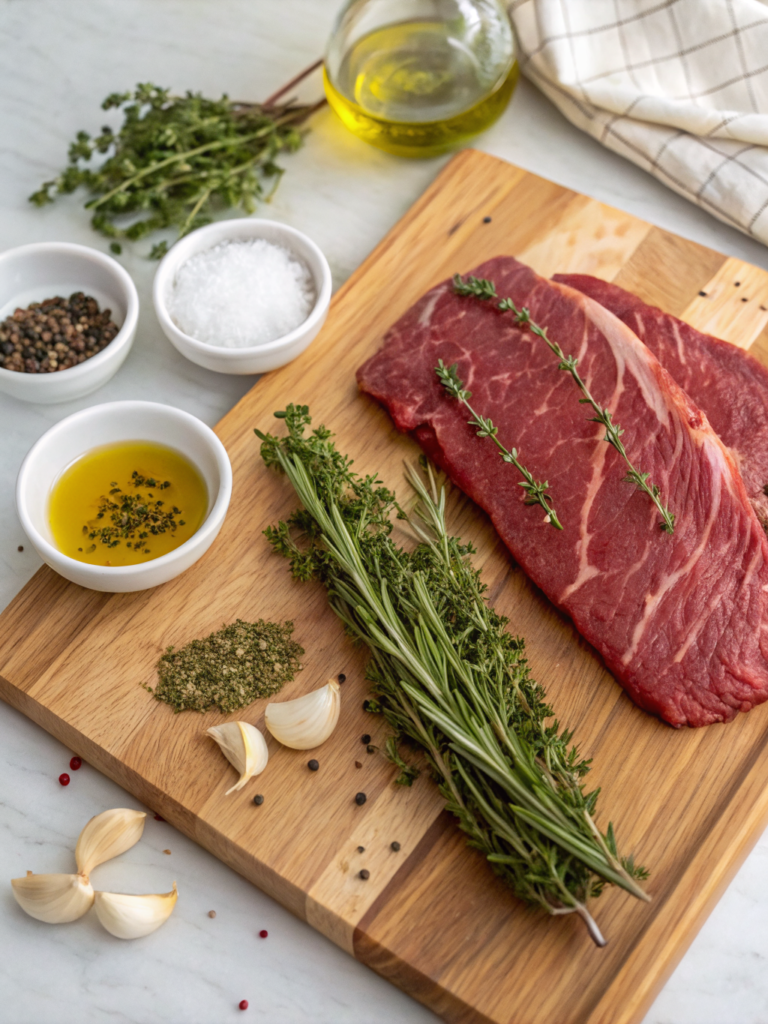
Gathering quality ingredients is the foundation of any successful steak preparation. Here’s what you’ll need for a basic yet delicious flat iron steak recipe that serves four people
- 2 pounds flat iron steak (about 2 steaks, 1 pound each) – Look for steaks with good marbling and bright red color
- 3 tablespoons olive oil – Extra virgin olive oil adds depth, but avocado oil works wonderfully for high-heat cooking
- 4 cloves garlic – Freshly minced for maximum aromatic impact, or use 1 teaspoon garlic powder as substitute
- 2 tablespoons fresh rosemary – Finely chopped, or substitute with 1 tablespoon dried rosemary
- 2 tablespoons fresh thyme – Stripped from stems, or use 1 tablespoon dried thyme
- 2 teaspoons kosher salt – Sea salt or table salt work, but reduce quantity by half for table salt
- 1 teaspoon freshly ground black pepper – Coarse ground adds texture and visual appeal
- 2 tablespoons unsalted butter – For basting and adding richness during the final cooking stage
- 1 tablespoon Worcestershire sauce (optional) – Adds umami depth to marinades
- 1 teaspoon smoked paprika (optional) – Creates a subtle smoky flavor without grilling
These ingredients create a classic preparation that highlights the beef’s natural flavor. Feel free to customize with your favorite herbs and spices. The beauty of Flat Iron Steak Recipes lies in their versatility and adaptability to various flavor profiles.
These preparation tips will help you make your flat iron steak recipes even better. With the right marinade or rub, you can impress your guests.
Timing
Understanding the time commitment helps you plan your meal preparation effectively. This recipe requires minimal active cooking time, making it perfect for weeknight dinners or special occasions.
Preparation Time: 15 minutes (includes bringing steak to room temperature and preparing marinade)
Cooking Time: 10-12 minutes (varies based on thickness and desired doneness)
Resting Time: 8-10 minutes (crucial for juice redistribution)
Total Time: 35-40 minutes from start to serving
This timing represents approximately 30% less active cooking time compared to traditional roasts, making flat iron steak an excellent choice for busy households. The short cooking duration also means less energy consumption and a cooler kitchen during warm weather months.
Step-by-Step Instructions
Step 1: Prepare the Steak
Remove your flat iron steaks from the refrigerator 30-45 minutes before cooking. Allowing meat to reach room temperature ensures even cooking throughout. Pat the steaks completely dry using paper towels, as surface moisture prevents proper browning and crust formation.
Trim any excess silver skin or connective tissue from the edges if your butcher hasn’t already done so. The flat iron cut typically has minimal waste, but removing any tough membrane ensures tender bites throughout.
Step 2: Create Your Seasoning Blend
In a small bowl, combine the minced garlic, chopped rosemary, thyme, salt, black pepper, and smoked paprika if using. Mix these ingredients thoroughly to create an aromatic rub. The herbs should be evenly distributed throughout the salt and pepper base.
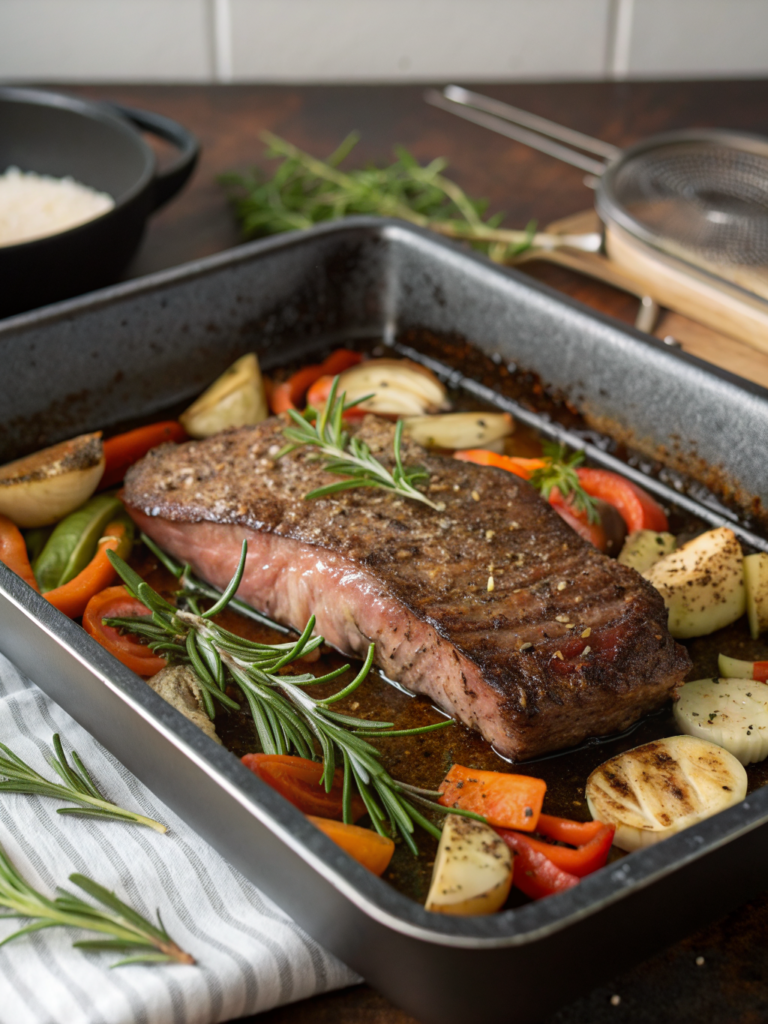
Drizzle 2 tablespoons of olive oil over both sides of each steak. Massage the oil into the meat, then generously apply your seasoning blend. Press the seasonings firmly into the surface so they adhere during cooking. This creates a flavorful crust that seals in juices.
Step 3: Preheat Your Cooking Surface
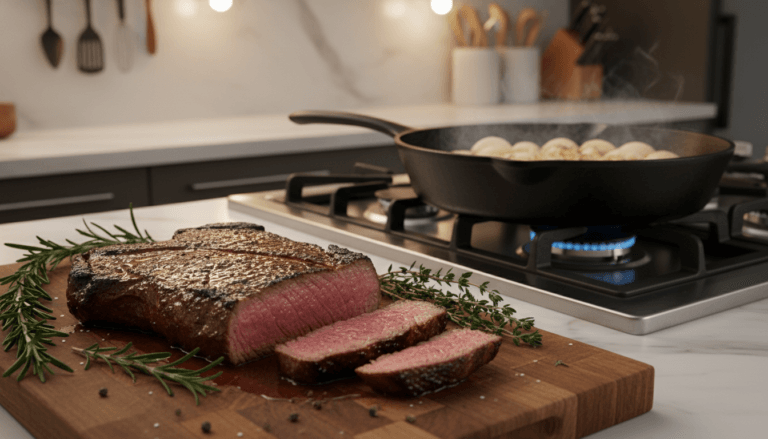
For stovetop cooking, place a Cast Iron Flat Iron Steak skillet or heavy-bottomed pan over medium-high heat. Allow it to preheat for 4-5 minutes until very hot. You’ll know it’s ready when a drop of water immediately sizzles and evaporates.
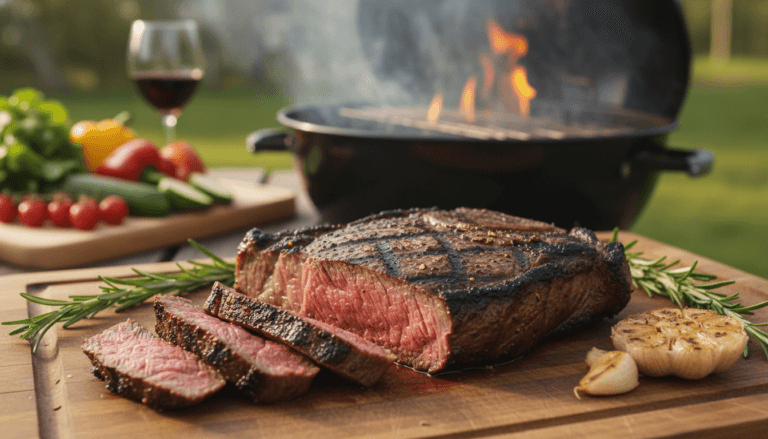
If grilling, preheat your grill to high heat (450-500°F). Clean and oil the grates to prevent sticking. A properly preheated cooking surface is essential for achieving that coveted caramelized exterior.
Step 4: Sear the Steak
Add the remaining tablespoon of olive oil to your preheated pan, swirling to coat the surface. Carefully lay the seasoned steaks in the pan, laying them away from you to avoid oil splatter. You should hear an immediate, satisfying sizzle.
Resist the temptation to move or flip the steaks prematurely. Allow them to sear undisturbed for 4-5 minutes. This develops the flavorful, golden-brown crust that makes steakhouse-quality beef so irresistible. The steak will naturally release from the pan when properly seared.
Step 5: Flip and Finish Cooking
Using tongs, flip each steak to the opposite side. Add the butter to the pan along with any remaining herb sprigs. As the butter melts and foams, tilt the pan slightly and use a spoon to baste the steaks continuously.
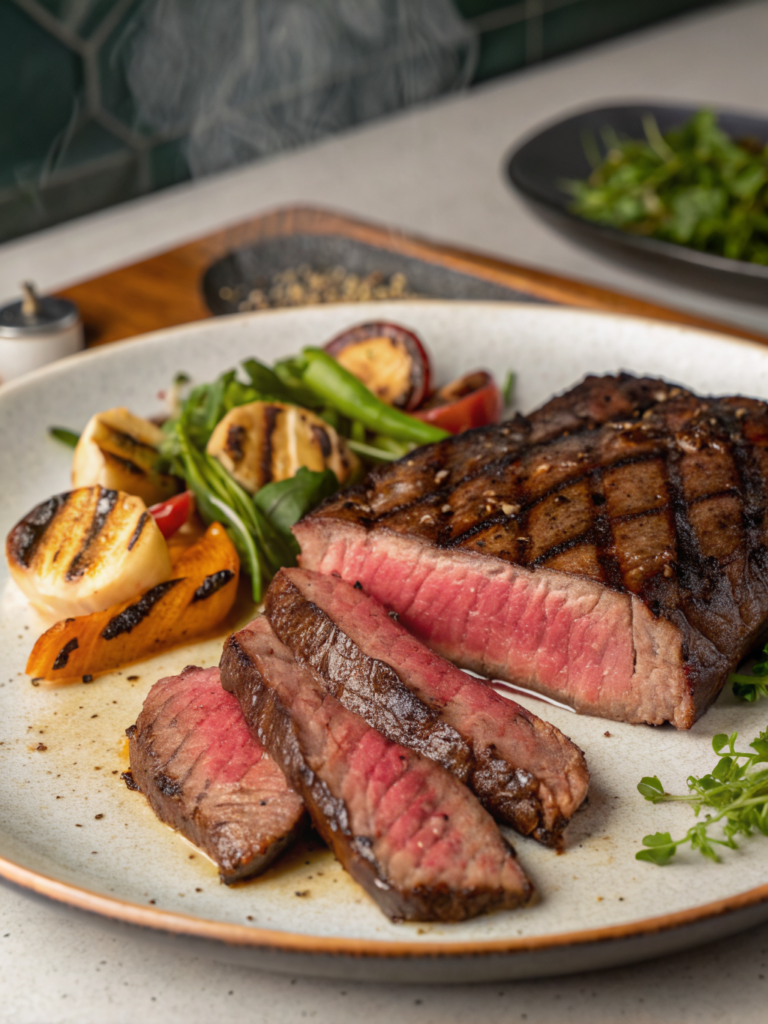
Cook for an additional 3-5 minutes, depending on thickness and desired doneness. For medium-rare (recommended for flat iron steak), aim for an internal temperature of 130-135°F. Medium requires 135-145°F. Use an instant-read thermometer inserted into the thickest part for accuracy.
Step 6: Rest and Slice
Transfer the cooked steaks to a clean cutting board and tent loosely with aluminum foil. Allow them to rest for 8-10 minutes. During this crucial period, the muscle fibers relax and reabsorb juices, resulting in a more tender, flavorful eating experience.
After resting, identify the grain direction (the lines running through the meat). Using a sharp knife, slice against the grain at a slight angle, creating pieces approximately ¼-inch thick. Cutting against the grain shortens the muscle fibers, making each bite more tender.

These recipes are the best for flat iron steak, quick and flavorful. Impress your guests or please your family with these delicious dishes. Enjoy the flexibility of marinated flat iron steak recipes for any event.
Nutritional Information
Understanding the nutritional profile of flat iron steak helps you make informed dietary decisions. A 4-ounce serving of cooked flat iron steak provides approximately:
Calories: 240-260 calories, making it a moderate-calorie protein source that fits well into balanced meal plans.
Protein: 26-28 grams of high-quality, complete protein containing all essential amino acids necessary for muscle maintenance and growth.
Fat: 14-16 grams total fat, with approximately 6 grams of saturated fat. The remaining fat consists of heart-healthy monounsaturated and polyunsaturated fats.
Carbohydrates: 0 grams, making flat iron steak naturally suitable for low-carb, ketogenic, and paleo dietary approaches.
Iron: 15-20% of daily recommended intake. The heme iron found in beef is more readily absorbed than plant-based iron sources.
Zinc: 30-35% of daily recommended intake, supporting immune function and wound healing.
Vitamin B12: 40-50% of daily recommended intake, essential for nerve function and red blood cell formation.
Flat iron steak offers excellent nutritional value compared to fattier cuts like ribeye, providing similar tenderness with approximately 20% less total fat. The added olive oil and butter in this recipe contribute additional calories and healthy fats.
Healthier Alternatives for the Recipe
While flat iron steak is already a relatively lean cut, several modifications can further enhance its nutritional profile without sacrificing flavor or tenderness.
Reduce Added Fats: Skip the butter basting step and use cooking spray instead of olive oil. This reduces overall calories by approximately 100-120 per serving while maintaining the delicious crust.
Increase Vegetable Content: Serve your steak over a bed of sautéed spinach, roasted Brussels sprouts, or cauliflower rice. This increases fiber, vitamins, and minerals while creating a more balanced plate.
Use Herb-Forward Marinades: Create a zero-calorie marinade using fresh herbs, citrus juice, vinegar, and spices. This adds tremendous flavor without additional fats or sodium.
Practice Portion Control: Rather than serving a full 8-ounce steak per person, slice a 4-6 ounce portion and pair it with generous servings of vegetables and whole grains like quinoa or farro.
Choose Grass-Fed Beef: Grass-fed flat iron steak contains higher levels of omega-3 fatty acids and conjugated linoleic acid (CLA) compared to conventional beef. It also tends to be slightly leaner overall.
Experiment with Dry Rubs: Replace oil-based marinades with dry spice rubs featuring smoked paprika, cumin, coriander, and dried herbs. This delivers bold flavor with virtually no added calories.
Serving Suggestions
The versatility of Flat Iron Steak Recipes allows for countless creative serving options that appeal to various tastes and occasions.
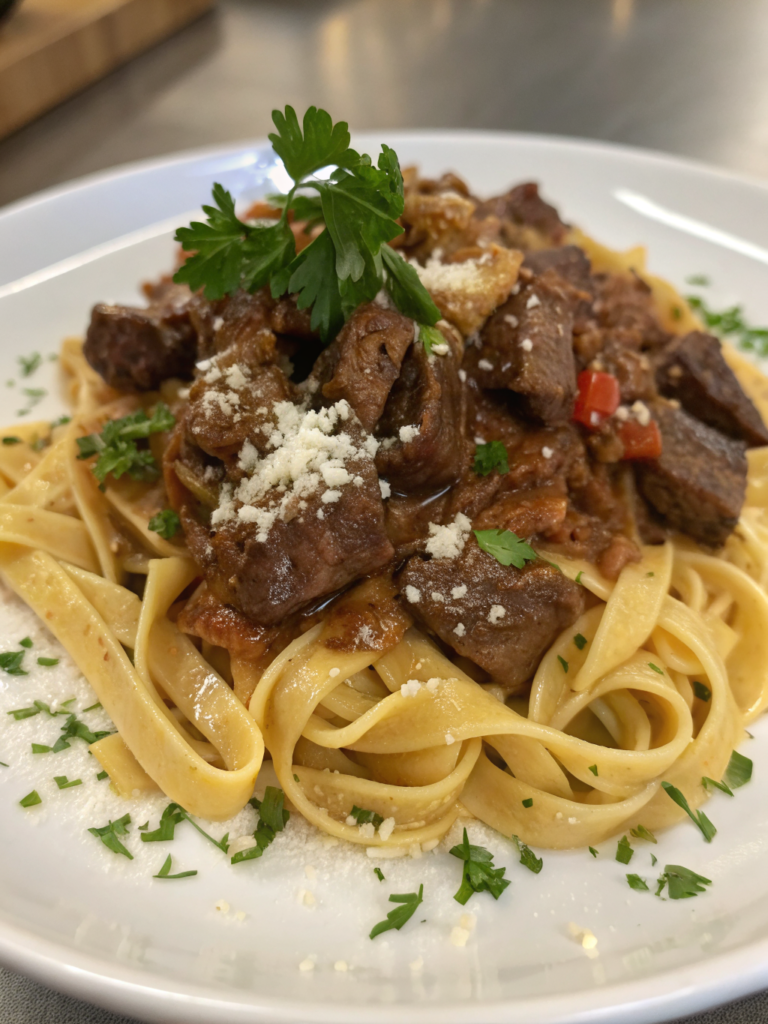
Classic Steakhouse Style: Serve sliced steak alongside garlic mashed potatoes, creamed spinach, and roasted asparagus. Drizzle with pan juices or a simple red wine reduction for elegant presentation.
Taco Night Transformation: Slice the steak thinly and serve in warm tortillas with pico de gallo, guacamole, crumbled queso fresco, and fresh cilantro. This creates an interactive, family-friendly meal.
Asian-Inspired Bowl: Arrange sliced steak over jasmine rice with stir-fried vegetables, topped with a drizzle of teriyaki glaze or spicy mayo. Garnish with sesame seeds and sliced green onions.
Salad Topper: Let the steak cool slightly, then slice and arrange over mixed greens with cherry tomatoes, blue cheese crumbles, candied pecans, and balsamic vinaigrette for a satisfying, lighter option.
Sandwich Supreme: Layer sliced steak on crusty bread with caramelized onions, arugula, horseradish aioli, and melted provolone cheese. Toast briefly for a gourmet sandwich experience.
Breakfast Integration: Reheat leftover steak and serve alongside scrambled eggs, breakfast potatoes, and toast for a protein-packed morning meal that provides sustained energy.
Common Mistakes to Avoid
Even experienced cooks sometimes encounter challenges when preparing flat iron steak. Understanding these common pitfalls helps ensure consistent success.
- Cooking from Cold: Placing refrigerator-cold steak directly into a hot pan causes uneven cooking, with an overcooked exterior and undercooked center. Always allow meat to reach room temperature first.
- Insufficient Pan Heat: A lukewarm pan produces steamed, gray meat instead of a caramelized crust. Preheat your cooking surface thoroughly until it’s smoking slightly before adding the steak.
- Overcrowding the Pan: Placing multiple steaks too close together traps steam and lowers pan temperature, preventing proper browning. Cook in batches if necessary, leaving at least 2 inches between pieces.
- Excessive Flipping: Constantly turning the steak disrupts crust formation and extends cooking time. Flip only once for optimal results, allowing 4-5 minutes per side undisturbed.
- Skipping the Rest Period: Cutting into steak immediately after cooking causes precious juices to flood the cutting board instead of staying in the meat. Always rest for at least 8 minutes.
- Slicing with the Grain: Cutting parallel to the muscle fibers creates chewy, tough pieces. Always identify the grain direction and slice perpendicular to it for maximum tenderness.
- Overcooking: Flat iron steak is best enjoyed at medium-rare to medium doneness. Cooking beyond 145°F internal temperature causes the meat to become dry and lose its signature tenderness.
- Using Dull Knives: A dull blade tears meat fibers rather than cleanly cutting them, resulting in ragged edges and juice loss. Keep your knives sharp for clean, precise slicing.
Storing Tips for the Recipe
Proper storage techniques preserve the quality and safety of your cooked flat iron steak, allowing you to enjoy leftovers or prepare components in advance.
Refrigerating Cooked Steak: Allow cooked steak to cool to room temperature within 2 hours of cooking. Wrap tightly in aluminum foil or place in an airtight container. Properly stored cooked steak remains fresh for 3

Conclusion
Flat iron steak is a top pick for those who love tasty beef. It’s both versatile and affordable, fitting well into many cooking styles. Whether you grill, pan-sear, or use sous vide, it turns out tender and juicy.
The best flat iron steak recipes show off its rich taste and flexibility. You can make everything from classic grilled steaks to spicy tacos and Asian dishes. Each recipe offers a new way to enjoy this cut, keeping your cooking exciting.
With the tips from this guide, you can make meals that wow everyone. Flat iron steak is easy to work with, leading to delicious dishes at home. Cooking with it is fun and rewarding.
FAQ
What is flat iron steak?
How should I prepare flat iron steak before cooking?
What are the best cooking methods for flat iron steak?
How do I know when my flat iron steak is cooked to perfection?
What are some easy flat iron steak recipes I can try?
What sides pair well with flat iron steak?
How should I store leftover flat iron steak?
Can I reheat flat iron steak without losing flavor?
What makes flat iron steak a versatile cut?
Did You Try Our Recipes?
There are no reviews yet. Be the first one to write one.