Fried Fish Batter Recipe
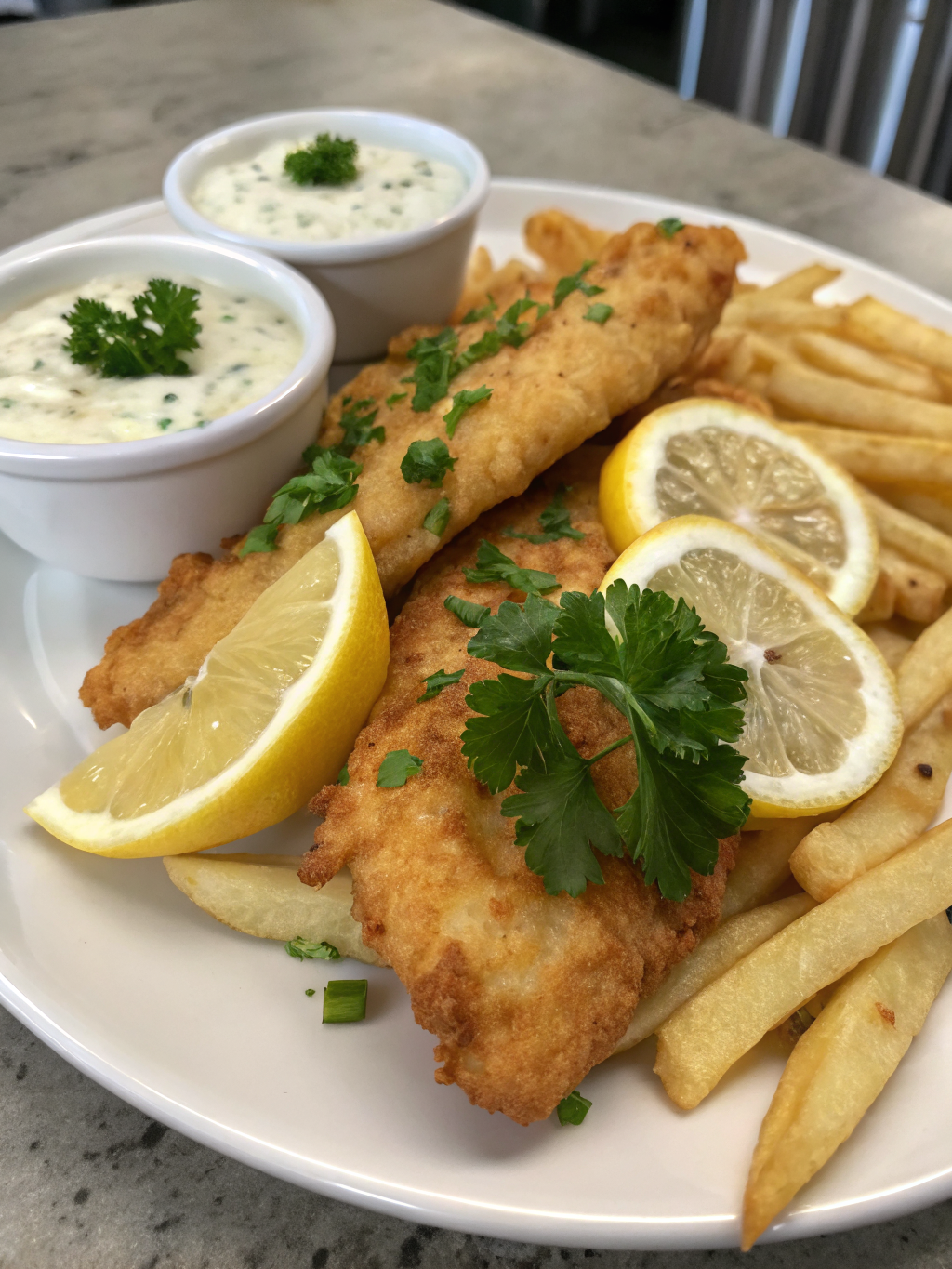
This fried fish batter recipe uses cold carbonation and a light hand to build a genuinely crispy, restaurant-style coating. Ready in about 35 minutes.
Once you master this fried fish batter recipe, try my Pan Fried Salmon or Mahi Mahi Recipe next for more seafood dinners!
Why This Fried Fish Batter Recipe Gets So Crispy
The two things that separate a genuinely crispy fried fish batter recipe from a soggy, heavy one are temperature and restraint. Keeping the beer or club soda ice cold preserves carbonation, which is what creates all those tiny air pockets in the fried coating. And mixing only until just combined, leaving small lumps, keeps the batter light instead of developing tough gluten.
Cornstarch alongside the flour matters too, it is a big part of why this batter crisps up rather than turning doughy.
Ingredients List
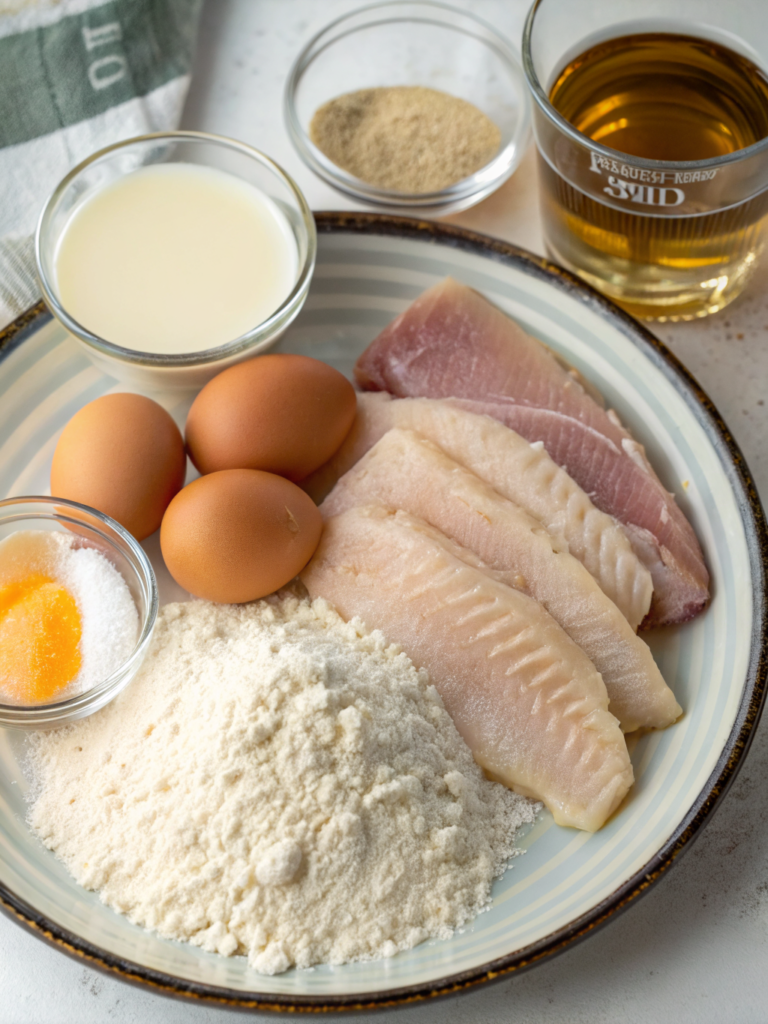
Gathering the right ingredients is crucial for creating the ultimate crispy fried fish batter. Each component plays a specific role in achieving that perfect texture and flavor balance.
How to Make It
This is just the overview. Scroll down to the recipe card for exact measurements and timing.
Whisk the dry ingredients, then fold in cold beer or club soda and egg, mixing just until combined. Rest the batter 10 minutes, dip dried fish pieces, and fry at 350-375F until deep golden. Drain on a wire rack, not paper towels.
Make Ahead Method
- The dry batter mixture can be made up to a week ahead and stored in an airtight container at room temperature.
- Add the cold liquid ingredients only right before frying, never store mixed wet batter, it loses carbonation and leavening within 30 minutes.
- Raw fish can be stored in the fridge 1-2 days ahead, or frozen up to 3 months.
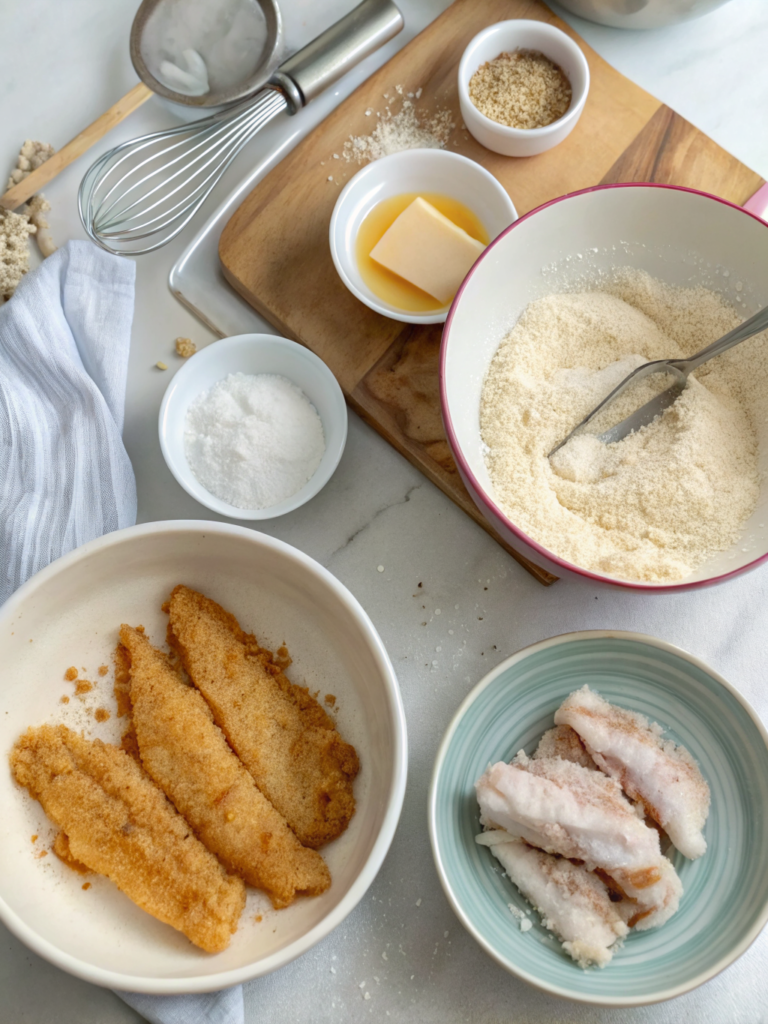
Fried Fish Batter Recipe
Course: SeafoodCuisine: AmericanDifficulty: Easy4
servings30
minutes40
minutes300
kcalA light, genuinely crispy beer batter for fried fish, ready in about 35 minutes.
Ingredients
1.5 cups all-purpose flour
1/2 cup cornstarch
2 tsp baking powder
1 tsp garlic powder
1 tsp onion powder
1 tsp paprika
1 tsp salt
1/2 tsp black pepper
1/2 tsp cayenne pepper, optional
1.5 cups cold beer or club soda
1 egg
2 lbs white fish fillets, cod, haddock, or tilapia
Vegetable oil, for frying
Directions
- Prepare the fish. Pat completely dry, cut into 4-5 inch pieces, season lightly with salt and pepper.
- Make the dry mixture. Whisk flour, cornstarch, baking powder, garlic powder, onion powder, paprika, salt, pepper, and cayenne.
- Add wet ingredients. Pour in cold beer or club soda and the egg. Gently fold until just combined, small lumps are fine.
- Rest the batter. Let sit 10 minutes at room temperature. It should coat the back of a spoon but still pour.
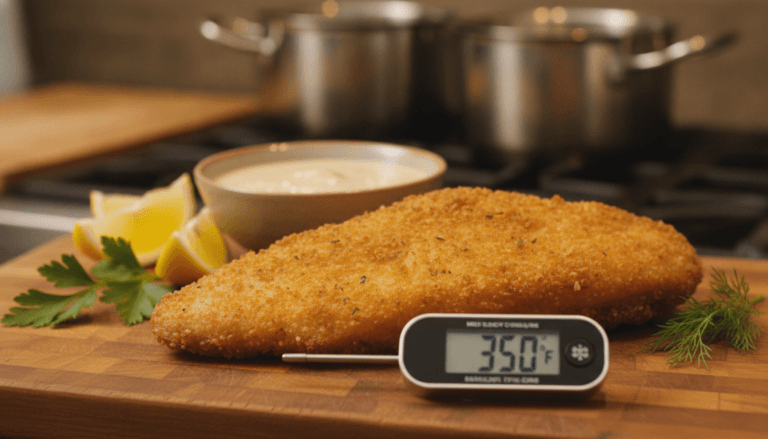
- Heat the oil. Heat oil 3-4 inches deep to exactly 350-375F using a thermometer.
- Batter and fry. Dip fish, letting excess drip off. Fry 3-4 pieces at once, 2-3 minutes per side, until deep golden and 145F internal temperature.
- Drain and serve. Transfer to a wire rack over a baking sheet, not paper towels. Season immediately with salt while hot.
Notes
- Keep the beer or club soda ice cold right up until you mix it in, this preserves the carbonation that makes the batter crispy. Do not overmix, small lumps in the batter are exactly what you want.
The USDA recommends cooking fish to a minimum internal temperature of 145°F (USDA guidelines).
Nutritional Information
Per serving, approximately 6 ounces of battered and fried fish, this recipe contains approximately:
- Calories: 380 | Protein: 32g | Fat: 18g (3g saturated) | Carbohydrates: 22g | Sodium: 580mg
The recipe provides good amounts of B vitamins, particularly B12 from the fish, plus selenium and phosphorus. Properly fried food at correct temperatures absorbs 8-12 percent less oil than food fried at inconsistent temperatures.
Healthier Alternatives for the Recipe
Mindful substitutions can reduce calories and enhance nutrition without sacrificing crunch.
- Whole Wheat Flour: Replace half the all-purpose flour to increase fiber by about 40 percent.
- Gluten-Free: Use a 1:1 gluten-free flour blend combined with cornstarch for similar results.
- Air Fryer Method: Air fry at 400F for 12-15 minutes, reducing fat content by about 70 percent.
- Vegan-Friendly Binder: Replace the egg with 2 tbsp ground flaxseed mixed with 3 tbsp water, and use sparkling water instead of beer.
- Lower-Carb: Replace half the flour with almond flour or crushed pork rinds for a more substantial, lower-carb crunch.
Serving Suggestions
The right pairings complement crispy fried fish perfectly while adding variety to your plate.
- Classic Tartar Sauce: Mix mayonnaise, chopped pickles, capers, lemon juice, and fresh dill.
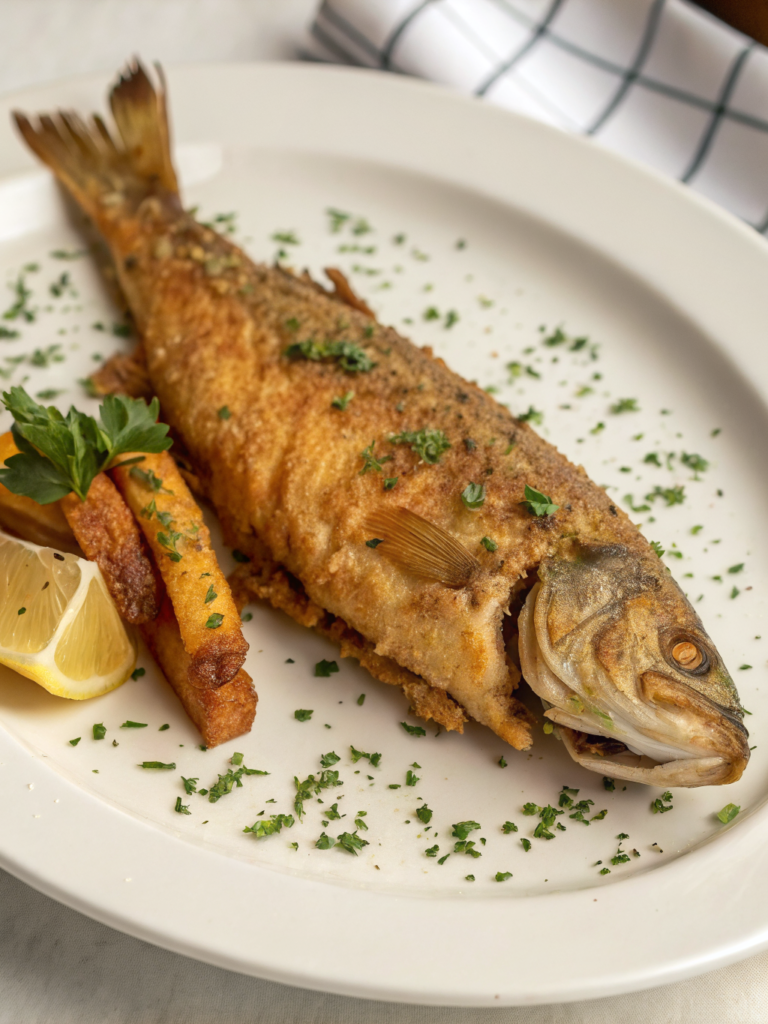
- Fish and Chips Style: Serve with malt vinegar and crispy fries.
- Complete Meal: Pair with coleslaw for refreshing crunch and acidity.
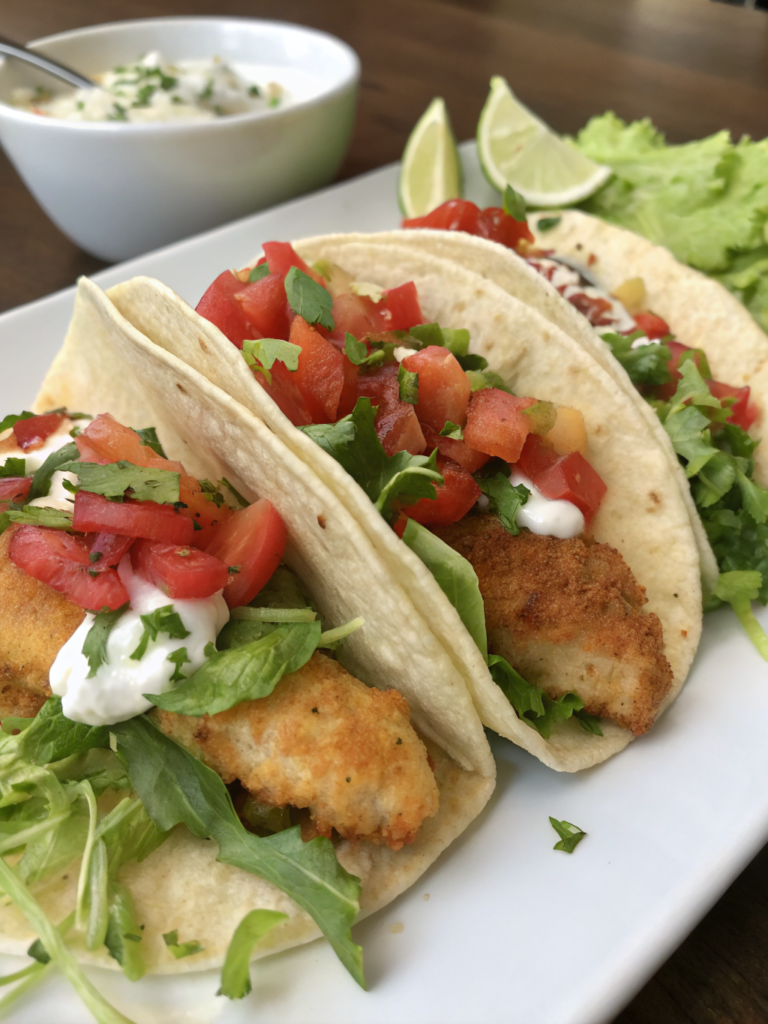
- Fish Taco Bar: Set up warm tortillas, shredded cabbage, pico de gallo, and lime crema.
- Restaurant-Style Garnish: Fresh parsley, lemon wedges, and a dusting of paprika.
Common Mistakes to Avoid
Recognizing these pitfalls with this fried fish batter recipe ensures consistent success every time.
- Using Warm Beer or Soda: Cold liquids are essential for crispy batter. Always use refrigerator-cold carbonated beverages.
- Skipping the Thermometer: Guessing oil temperature leads to inconsistent results. Maintaining 350-375F produces noticeably crispier results.
- Overcrowding the Pan: Too many pieces at once drops oil temperature significantly, causing greasy fish.
- Overmixing the Batter: This develops tough gluten strands. Mix only until barely combined.
- Not Drying the Fish: Moisture is the enemy of adhesion, always pat completely dry first.
- Reusing Oil Too Many Times: Degraded oil imparts off-flavors. Strain and reuse a maximum of 2-3 times.
- Flipping Too Frequently: Constant turning prevents proper browning. Flip only once, when the first side is golden.
Storing Tips for the Recipe
Proper storage preserves quality, though this fried fish batter recipe is always best enjoyed fresh.
- Cooked Fish: Store in an airtight container lined with paper towels for up to 2-3 days. The coating softens during storage, though reheating restores some crispiness.
- Reheating: Avoid the microwave, which makes the coating soggy. Use a 375F oven for 10-12 minutes, or an air fryer at 350F for 5-7 minutes.
- Raw Fish: Store in the coldest part of the fridge for 1-2 days, or freeze for up to 3 months.
- Dry Batter Mix: Store the unmixed dry ingredients in an airtight container at room temperature for up to a week. Never store mixed wet batter, it loses carbonation within 30 minutes.
- Freezing Cooked Fish: Freeze in a single layer until solid, then transfer to freezer bags for up to 1 month. Reheat directly from frozen in a 400F oven for 15-20 minutes.
Conclusion: The Batter Makes the Difference
Once you understand that cold carbonation and a light touch are doing most of the real work, this fried fish batter recipe becomes one of those techniques you can rely on for genuinely restaurant-quality results at home.
Keep the dry mix on hand and this becomes a fast, reliable way to turn any white fish into something special.
FAQ
What is the best fish batter recipe for frying fish?
The top fish batter recipe includes flour, cornstarch, baking powder, and cold beer. This mix makes a light, crispy coating that boosts the fish’s flavor.
How do I achieve a crispy fish fry batter?
For a crispy batter, keep ingredients cold and oil at 350F to 375F. Do not overmix the batter. Fry in small batches to keep oil hot and cook evenly.
What types of fish work best with homemade fish batter?
White fish like cod, haddock, pollock, and grouper are best. They cook well and taste great with the crispy batter.
Can I add spices to my fish batter?
Yes, adding spices like garlic powder, onion powder, and paprika can enhance the batter. Optional flavors like Old Bay seasoning or lemon pepper add depth.
What equipment do I need for frying fish at home?
A deep pot or Dutch oven, a wire rack, a slotted spoon, and an instant-read thermometer are all you really need.
How do I prepare my fish before frying?
Clean and fillet the fish, then pat it dry. Season lightly. Dust with cornstarch before battering for better adhesion.
What are some good sides to serve with fried fish?
Crispy French fries, creamy coleslaw, and tangy vinegar slaw all work well. Add fresh lemon wedges and dipping sauces like tartar or spicy remoulade.
What is the best way to reheat fried fish?
Reheat in a 350F oven, a preheated air fryer at 320F, or a skillet on medium heat. Avoid the microwave to keep the batter crispy.
Try These Next
Did You Try Our Recipes?
Best recipe ever
I love it, absolutely delicious