Perfect Temp for Fried Fish
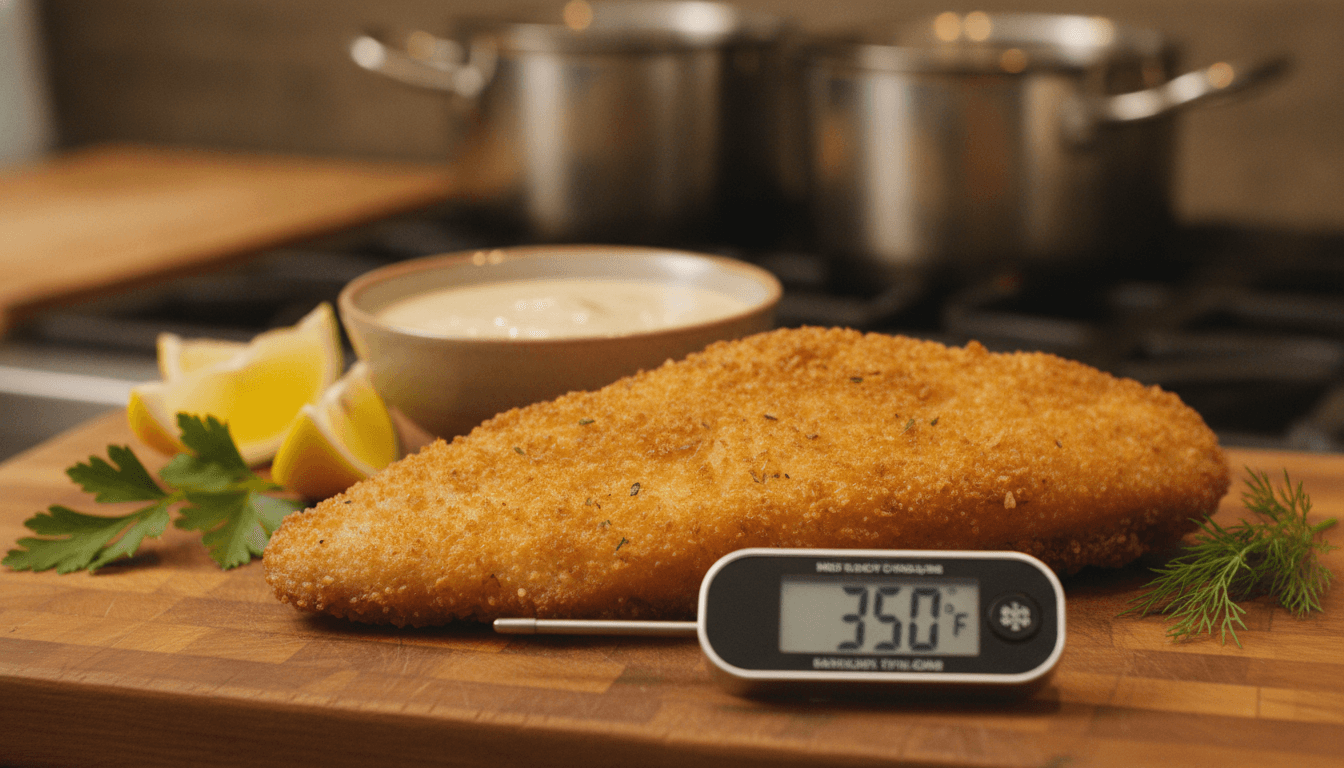
Imagine the sound of fish hitting hot oil and the smell filling your kitchen. That first crispy bite is magical. It brings back memories of family gatherings and summer days by the lake. You want to make that perfect dish again, starting with the right temp for fried fish.
Finding the right temperature is key for a golden, crispy outside and a tender inside. This guide is for both beginners and those looking to improve their fried fish recipe. You’ll learn about the best oils, the perfect frying temperatures, and essential techniques for success.
Ready to become a pro at frying fish? You’ll get easy tips to make your fish taste like it’s from a restaurant. Let’s start this culinary adventure together and make every meal unforgettable.
Understanding the Best Temp for Fried Fish
Getting the right temperature for fried fish is key to a perfect dish. The oil’s temperature affects the fish’s texture and taste. Keeping the oil at a steady temperature is vital for the best results.
Frying fish at 375°F to 400°F gives a crispy outside and a juicy inside. If the oil is too cold, the fish soaks up too much oil, making it soggy. On the other hand, too hot oil can burn the outside before the inside is cooked.
Why Temperature Matters
Temperature control is important for several reasons:
- Ensures even cooking throughout the fish.
- Prevents excessive oil absorption, resulting in greasy fish.
- Promotes a golden-brown crust that enhances flavor.
The Science Behind Frying
When fish is fried, the heat turns the moisture inside to steam. This steam pushes against the batter, making it crispy. The right temperature helps this process work well. Using a thermometer helps you keep the oil at the right heat.
Knowing the science of frying helps you make delicious fried fish every time. With practice, you’ll get the temperature just right, making your meals crispy and flavorful.
This guide covers the oil temperature, equipment, and technique that separate genuinely crispy fried fish from greasy or soggy results.
Try my Crispy Fried Fish Recipe or Fried Fish Batter Recipe next to put this guide to use!
Choosing the Right Oil for Frying
Choosing the right oil is key for the best fried fish recipe. The oil you pick can change the flavor and texture of your southern fried fish. Some oils can handle high temperatures without smoking, making them perfect for frying. Here are some popular oils to consider:
Popular Oils for Frying Fish
- Canola Oil
- Sunflower Oil
- Peanut Oil
- Avocado Oil
- Soybean Oil
- Safflower Oil
These oils have high smoke points and add little flavor to the fish. Stay away from extra virgin olive oil or butter. They have lower smoke points and can burn easily.
Smoke Points of Common Oils
| Oil Type | Smoke Point (°F) |
|---|---|
| Canola Oil | 400 |
| Sunflower Oil | 440 |
| Peanut Oil | 450 |
| Avocado Oil | 520 |
| Soybean Oil | 450 |
| Safflower Oil | 450 |
Peanut oil is a traditional favorite for southern fried fish. It adds authentic flavor and ensures a crispy crust. Knowing the smoke points helps you avoid burning the oil and ruining your meal. Make the right choice for your frying oil, and enjoy a delicious southern fried fish experience.
Ideal Frying Temperatures for Different Fish
Frying fish right means knowing the perfect temperatures. Each fish type needs a specific heat to get that crispy outside. Understanding how thick the fish is helps you cook it just right. This guide will help your homemade fried fish turn out great every time.
Common Fish and Their Frying Temperatures
Here are some common fish varieties and their recommended frying temperatures:
- Crappie: 375°F – 400°F
- Bluegill: 375°F – 400°F
- Walleye: 375°F – 400°F
- Catfish: 350°F – 375°F
The Role of Thickness in Cooking Temperature
The thickness of your fish fillets affects cooking time and temperature. For thinner fillets, around 1 inch thick, frying at 375°F to 400°F is best. Thicker cuts need careful attention to avoid undercooking. Using butterfly cuts for thicker pieces helps ensure even cooking.
| Fish Type | Recommended Temperature (°F) | Thickness Consideration |
|---|---|---|
| Crappie | 375 – 400 | Thin fillets cook quickly |
| Bluegill | 375 – 400 | Ideal for 1-inch thickness |
| Walleye | 375 – 400 | Use butterfly cuts for thicker pieces |
| Catfish | 350 – 375 | Thicker fillets require lower temp |
Adjusting frying temperatures based on fish type and thickness leads to tender, juicy results. This knowledge makes your easy fried fish recipe foolproof and enjoyable.
While oil temperature controls the crust, the fish itself should reach a minimum internal temperature of 145°F for food safety (USDA guidelines). A quick check with an instant-read thermometer in the thickest part confirms it is done, separate from how the oil itself is performing.
Equipment Needed for Frying Fish
For a perfect fried fish recipe, the right equipment is key. The tools you choose can make frying easier and safer. Here are some important items for your frying setup.
Essential Frying Tools
Quality frying tools can greatly enhance your cooking. Here’s a list of must-haves:
- Deep Fryer: This appliance keeps the oil at the right temperature, avoiding hot splashes.
- Cast Iron Skillet: A good choice for pan frying. It holds heat well for even cooking.
- Frying Basket: This tool makes it easy to lower and lift fish in and out of hot oil.
- Slotted Spoon: Great for removing fried fish from the oil, letting excess oil drain.
- Wire Rack: Use this to cool your fried fish and keep it crispy.
The Importance of a Good Thermometer
A good thermometer is vital for checking oil temperature. An infrared or meat thermometer keeps the oil at the perfect frying temperature. This ensures your fried fish is always crispy and delicious.
Having these tools will improve your frying skills. With the right equipment, cooking and achieving that perfect fried fish recipe becomes easy.
Preparing Fish for Frying
Getting your fish ready for frying is key to a tasty meal. The right prep boosts flavor and texture. Here’s how to make your fish perfect for frying.
Cleaning and Cutting Tips
Begin by cleaning your fish well. Rinse it in cold water to get rid of dirt. Here’s how to cut it:
- Remove scales with a fish scaler or a knife’s back.
- Trim off the head and tail if you like.
- Fillet the fish, making sure to remove bones.
After cleaning and cutting, soak your fish in buttermilk or milk. This makes the meat tender and helps the cornmeal stick better.
Marinating and Seasoning
Marinating adds flavor to your fish. Use kosher salt and a mix of spices to season. Here are some tips:
- Soak the fish in buttermilk for at least 30 minutes.
- Season with salt and spices like paprika, garlic powder, or cayenne for a kick.
- For a crunchy texture, use a cornmeal fish coating before frying.
Follow these steps, and your cornmeal fried fish will be delicious. Happy cooking!
Frying Techniques to Master
Learning how to fry fish right can change everything. You can pick between deep frying and shallow frying, each with its own perks. Knowing these methods helps you get that crispy fried fish just right.
Deep Frying vs. Shallow Frying
Deep frying means fully covering the fish in hot oil. It cooks everything evenly and adds a nice crunch. Shallow frying, on the other hand, uses less oil and is better for thinner fish. Here’s what you need to know about each:
- Deep Frying:
- Pros: Even cooking, great for thicker pieces, and produces a crispy exterior.
- Cons: Requires more oil and can be messier.
- Shallow Frying:
- Pros: Uses less oil, easier cleanup, and ideal for delicate fish.
- Cons: May not cook thicker pieces evenly.
Using a Frying Basket
A frying basket is key for frying fish safely. It lets you lower and lift the fish without splashing hot oil. It also helps keep the oil temperature steady, which is key for that crispy texture. Here are some tips for using a frying basket:
- Preheat the oil to the right temperature before adding fish.
- Don’t overcrowd the basket; it can drop the oil temperature.
- Let the fish drain on paper towels after frying to remove excess oil.
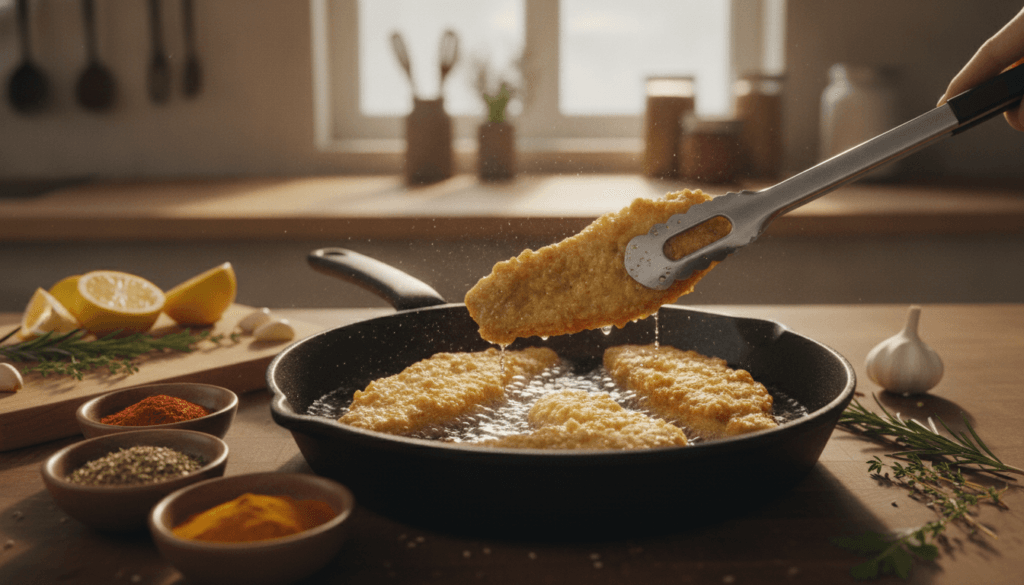
Mastering these frying techniques can take your cooking to the next level. You’ll enjoy perfectly cooked fish every time.
Safety Tips for Frying Fish
Frying fish can be tasty, but safety is key. Knowing how to handle hot oil and prevent grease fires is important. Here are some essential tips for frying fish safely.
Preventing Grease Fires
Grease fires happen when hot oil catches fire. To avoid this, follow these steps:
- Use a deep fryer for better temperature control.
- Avoid overcrowding the frying pan to prevent oil splatter.
- Keep a fire extinguisher nearby, just in case.
- Never leave hot oil unattended.
Proper Handling of Hot Oil
Handling hot oil needs care. Here are some best practices:
- Use long utensils to keep your hands away from hot oil.
- Dry fish thoroughly before frying to reduce splatter.
- Monitor the oil temperature closely to avoid overheating.
By following these safety tips, you can enjoy frying fish safely. Being prepared and cautious makes cooking fun and safe.
Serving Suggestions for Fried Fish
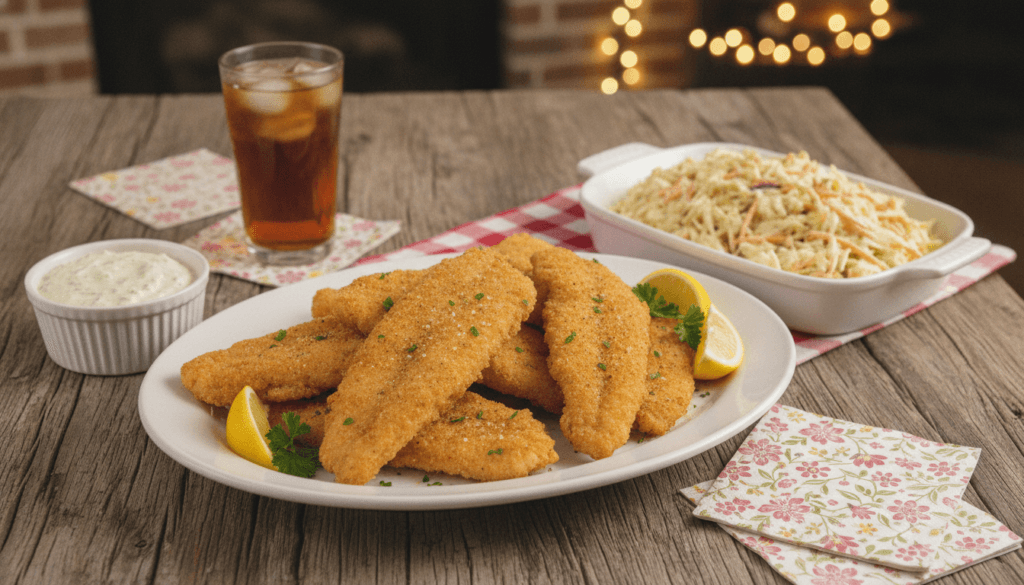
After mastering your southern fried fish, it’s time to think about serving it. The right sides can make your meal even better. They can also bring out the flavors of your best fried fish recipe. Try pairing your fried fish with classic sides and some creative ideas.
Best Sides to Pair with Fried Fish
Classic sides can make your meal unforgettable. Here are some favorites:
- Coleslaw – This crunchy side adds a refreshing contrast.
- Fried Potatoes – Crispy and golden, they complement the fish perfectly.
- Hush Puppies – These savory bites are a southern staple.
For sauces, keep it simple. A squeeze of lemon or a dash of malt vinegar works wonders without overpowering the fish. Avoid serving your fried fish in newspaper to prevent sogginess.
Creative Serving Ideas
To make your meal stand out, try these creative serving ideas:
- Use wax paper or a wire rack to serve the fish, keeping it crispy.
- Garnish with fresh herbs or lemon wedges for a pop of color.
- Consider serving with a light dipping sauce on the side, like tartar sauce or a yogurt-based dip.
These suggestions will help you present your southern fried fish in a way that impresses family and friends. With the right sides and creative ideas, your best fried fish recipe will shine on the table.
Troubleshooting Common Frying Problems
Even the most skilled cooks can face challenges when frying fish. Understanding common issues can help you achieve the perfect fried fish recipe every time. You might notice that your fish is not cooking evenly, which can be frustrating.
There are a few reasons this happens, and knowing how to address them can make a big difference. One common cause is overcrowding the frying pan. When too many pieces of fish are in the oil at once, the temperature drops, leading to soggy results.
Another factor is the thickness of the fillets. If they are not cut evenly, some parts will cook faster than others. To solve these problems, cut your fish into uniform pieces and fry in smaller batches. This ensures that each piece cooks evenly and retains its crispiness.
Oil temperature is another critical aspect to monitor. If the oil drops below 375°F, your fish can become greasy instead of crispy. Use a thermometer to keep track of the oil’s temperature and adjust your burner as needed. By maintaining the right heat, you can achieve that delicious, easy fried fish recipe you desire. With these troubleshooting tips, you can confidently fry fish like a pro.
Conclusion: Temperature Is the Real Secret
More than any single ingredient or technique, getting the oil temperature right is what separates genuinely crispy fried fish from greasy or soggy results. A reliable thermometer solves more problems than almost anything else in this guide.
Once you have the temperature dialed in for your specific fish and thickness, the rest of the process becomes far more forgiving.
FAQ
What is the ideal temperature for frying fish?
Why is oil selection important for frying fish?
How do I know when my oil is hot enough for frying?
What types of fish are best for frying?
How thick should fish fillets be for frying?
What equipment do I need for frying fish at home?
How should I prepare fish before frying?
What frying techniques should I master?
What safety tips should I follow when frying fish?
What are some good sides to serve with fried fish?
How can I troubleshoot common frying problems?
Try These Next
Did You Try Our Recipes?
Best recipe ever
I love it, absolutely delicious