Beef Shank Recipe
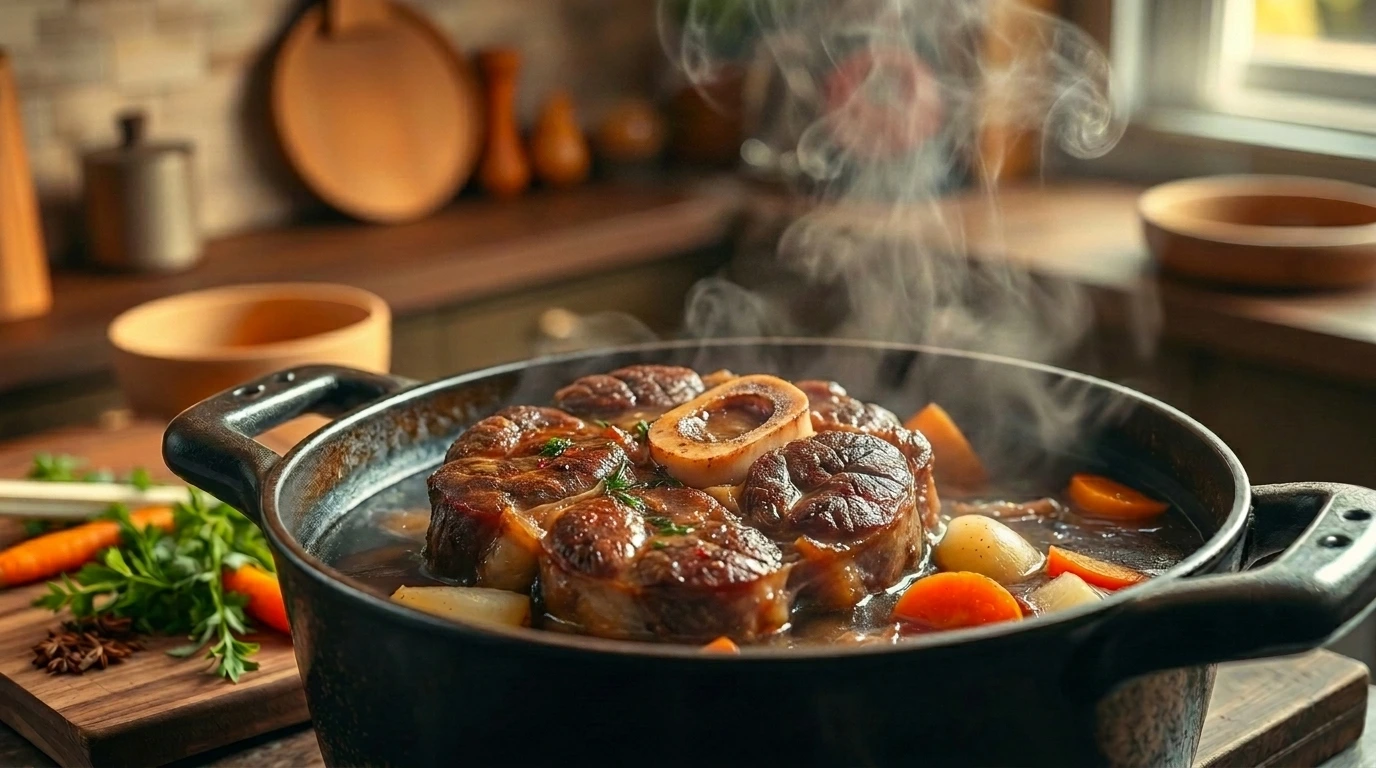
Have you ever wondered why some beef shank recipes turn out tough and chewy while others deliver melt-in-your-mouth, fall-off-the-bone perfection? The secret lies in understanding the unique characteristics of this underrated cut and mastering the cooking techniques that transform it into a culinary masterpiece. Today, we’re diving deep into how to cook the best Beef Shank recipe that will have your family begging for seconds.
Beef shank is one of the most flavorful yet often overlooked cuts of meat. Taken from the leg portion of the cow, this cut contains plenty of connective tissue and marrow-filled bones that, when cooked properly, create an incredibly rich and satisfying dish. Whether you’re preparing a traditional braised beef shank or experimenting with modern cooking methods, understanding the fundamentals will elevate your cooking game significantly.
This comprehensive guide will walk you through every aspect of preparing divine beef shank, from selecting the right cut at your butcher to achieving that coveted tender texture. We’ll explore multiple cooking methods, share insider tips, and help you avoid common pitfalls that can ruin this potentially spectacular dish.
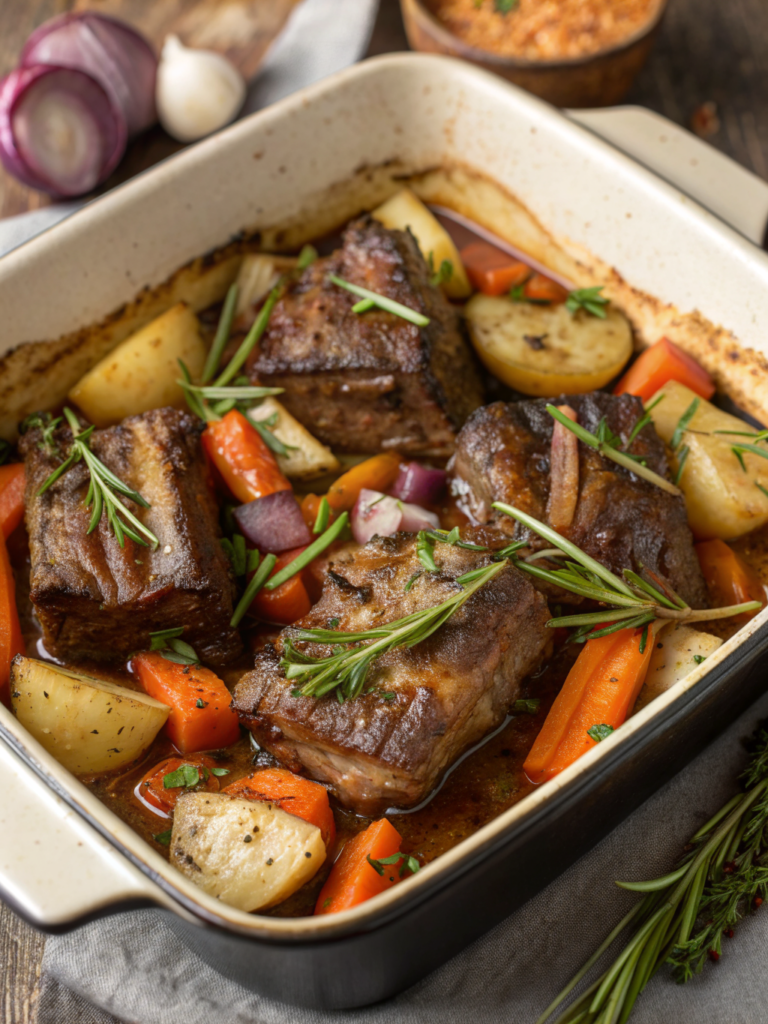
This beef shank recipe turns an underrated, affordable cut into a fall-off-the-bone braise, rich with marrow and a deeply savory sauce.
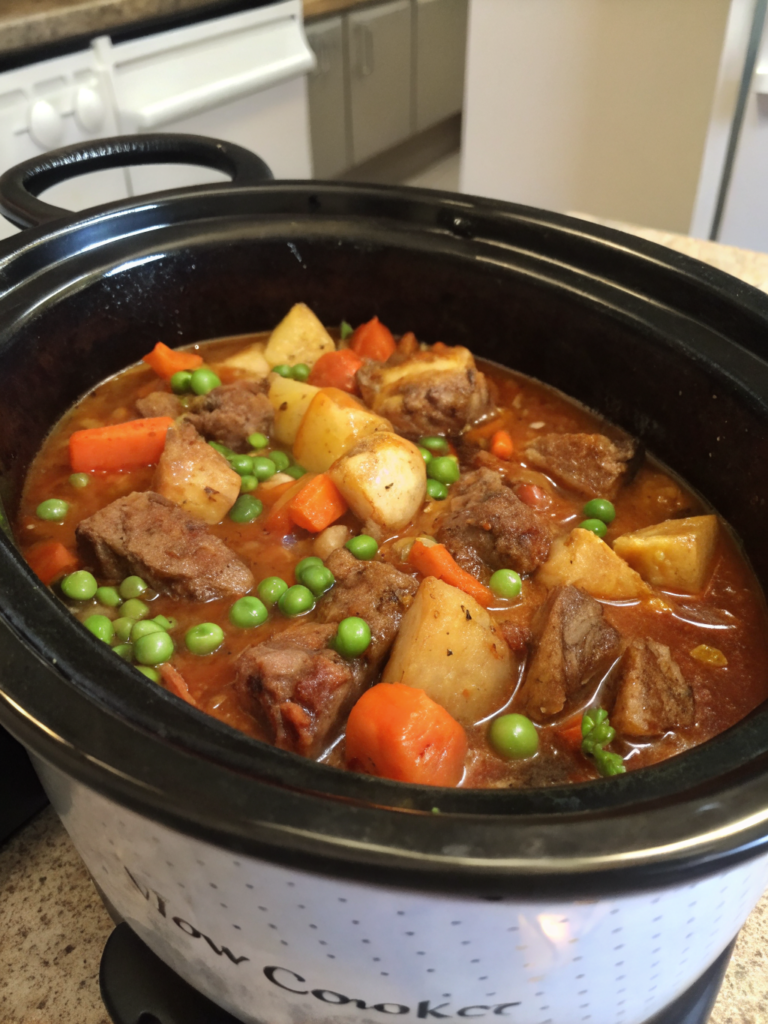
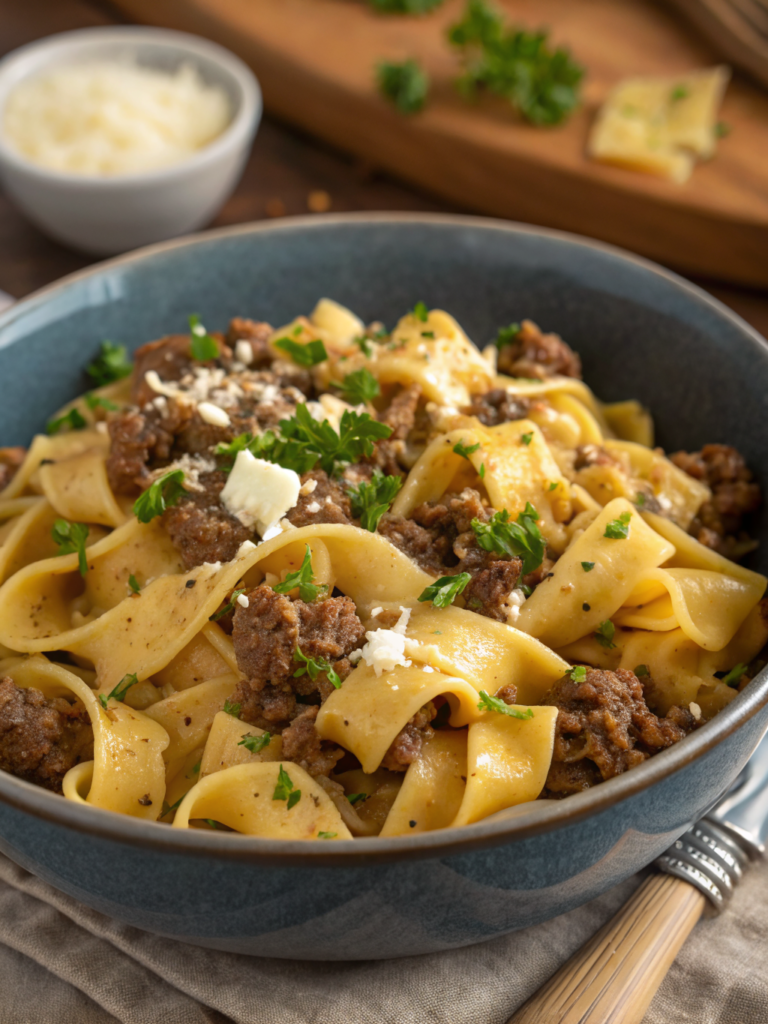
Try my Beef and Noodles or Slow Cooker Beef Stew next for more slow-braised comfort food!
Why This Beef Shank Recipe Is Worth the Wait
Beef shank has a real reputation for being tough, and that reputation only holds if you rush it. Give it a proper sear first, then let it braise low and slow, and the same connective tissue that makes it chewy when rushed becomes what makes it genuinely fall-apart tender.
The marrow is the bonus most recipes do not mention. Once the shanks are done, it is soft enough to scoop straight from the bone onto crusty bread, and it is worth setting out small spoons for exactly that.
Ingredients
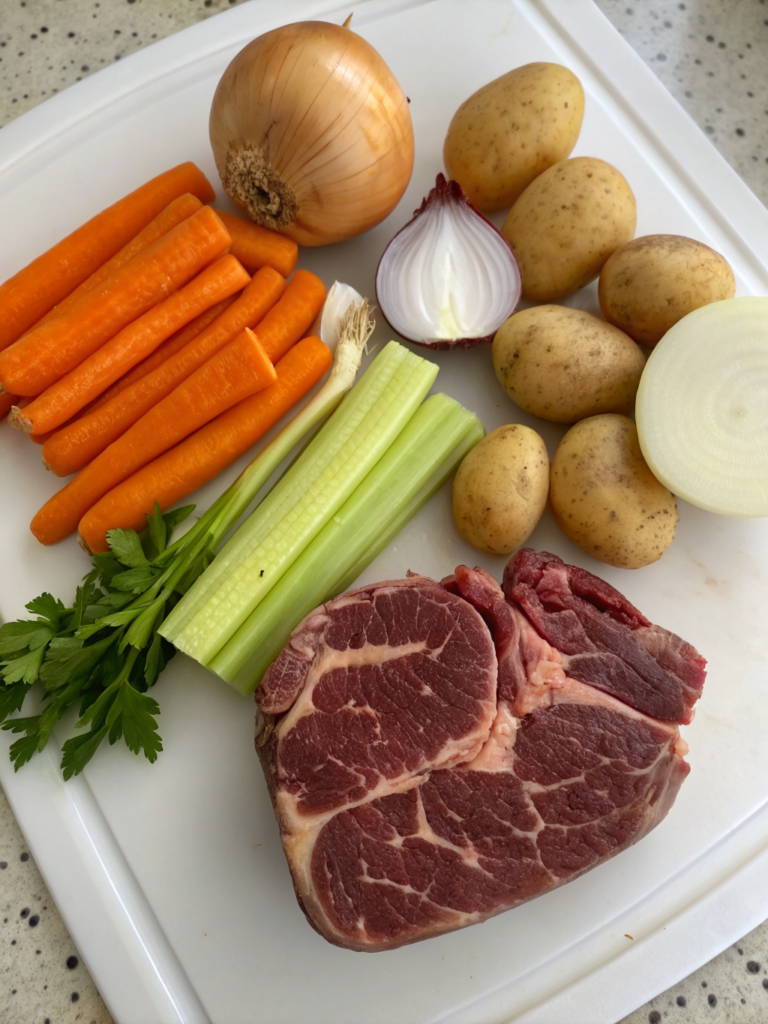
For this exceptional beef shank recipe, you’ll need the following ingredients that work together to create layers of complex, savory flavors:
These ingredients create a harmonious blend of flavors that penetrate the meat during the slow cooking process. The vegetables not only add taste but also contribute to a rich, velvety sauce that’s perfect for spooning over mashed potatoes or polenta.
How to Make It
This is just the overview. Scroll down to the recipe card for exact measurements and timing.
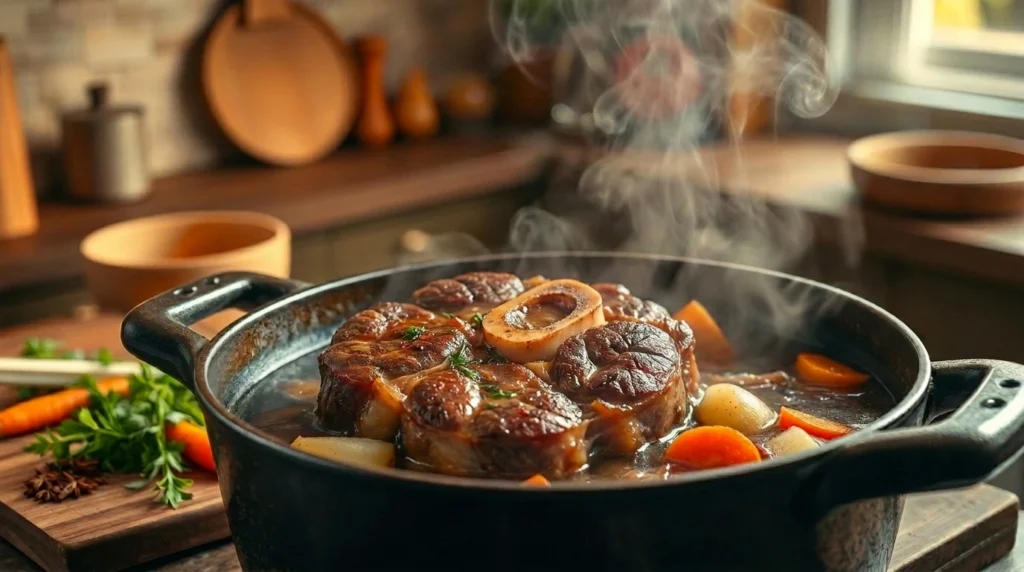
Sear the shanks hard on all sides, then build a braising liquid with wine, stock, and vegetables in the same pot. Return the shanks, cover, and braise low and slow until the meat pulls away from the bone easily.
Make Ahead Method
- This dish tastes even better the next day, once the flavors have had time to meld. Make it up to 2 days ahead and reheat gently.
- Refrigerating overnight also makes it easy to lift off and discard the solidified fat before serving.
- Freezes well for up to 3 months, stored in some of the braising liquid to keep it moist.
6
servings20
minutes3
hours30
minutes485
kcalIngredients
4 lbs bone-in beef shank (cross-cut, 2-3 inches thick)
3 tbsp olive oil
2 large yellow onions, roughly chopped
4 large carrots, peeled, cut into 2-inch pieces
4 celery stalks, cut into 2-inch pieces
6 garlic cloves, smashed
2 tbsp tomato paste
2 cups red wine (or substitute beef stock)
4 cups beef stock
3 bay leaves
4 fresh thyme sprigs (or 1 tsp dried thyme)
2 fresh rosemary sprigs
2 tsp kosher salt
1 tsp black pepper, freshly ground
2 tbsp all-purpose flour
Directions
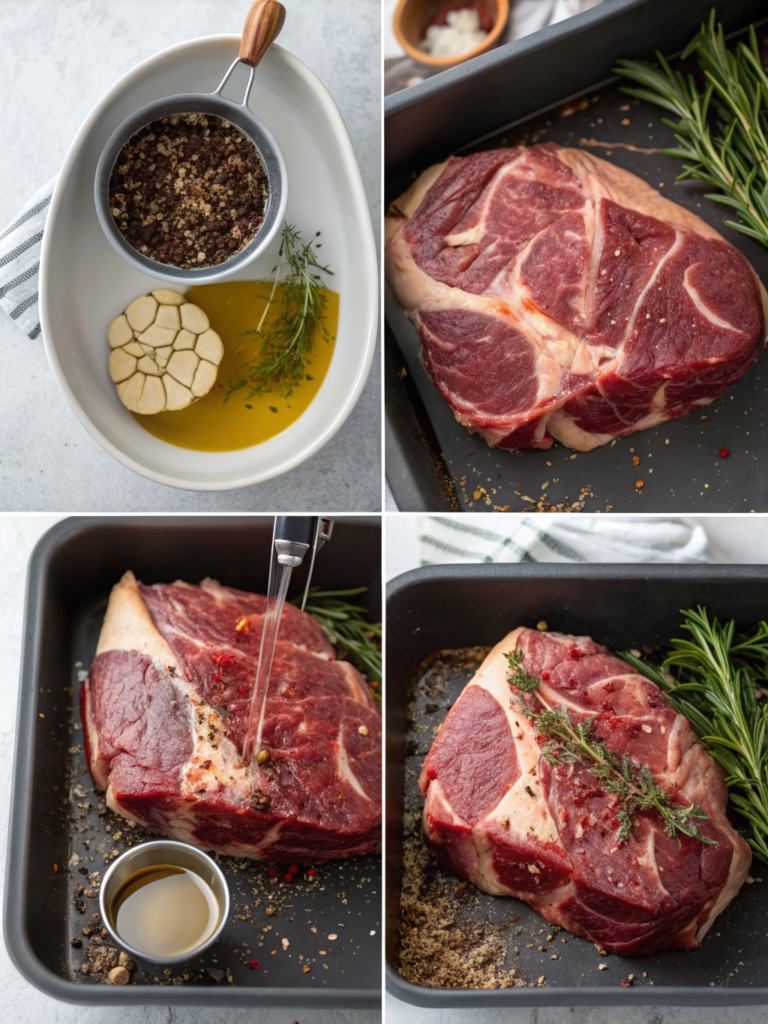
- Prep and season the beef. Let the shanks come to room temperature for 30 minutes, then pat completely dry. Season with salt and pepper, then dust lightly with flour, shaking off the excess.
- Sear for flavor. Heat olive oil in a Dutch oven over medium-high heat. Sear the shanks in batches, 4-5 minutes per side, until deeply browned. Transfer to a plate.
- Build the aromatic base. In the same pot, sauté the onions, carrots, and celery for 8-10 minutes until softened. Add the garlic and tomato paste, stirring 2 minutes until fragrant.
- Deglaze and add liquid. Pour in the red wine, scraping up the browned bits, and simmer 5 minutes. Add the beef stock, bay leaves, thyme, and rosemary.
- Braise. Nestle the shanks back into the pot, partially submerged in the liquid. Bring to a simmer, cover, and transfer to a 325°F oven for 3-3.5 hours, until fork-tender.
- Finish the sauce. Remove the shanks and tent with foil. Strain the braising liquid, then simmer it 10-15 minutes until thickened. Skim excess fat, season to taste, and pour over the shanks to serve.
Notes
- For the best flavor, do not skip searing, that caramelized crust is where most of the depth comes from. Keep the meat at least halfway submerged in liquid throughout braising, checking periodically. If your sauce turns out greasy, refrigerate it overnight and lift off the solidified fat before reheating. Do not forget the marrow, serve small spoons alongside so guests can scoop it from the bone onto crusty bread.
For food safety, beef should reach a minimum internal temperature of 145°F with a 3-minute rest (USDA guidelines), though this braise is cooked well past that until fall-apart tender.
Nutritional Information
Understanding the nutritional profile of this beef shank recipe helps you make informed dietary choices while enjoying this hearty meal:
Per Serving (based on 6 servings):
Calories: 485 | Protein: 52g | Fat: 22g | Saturated Fat: 7g | Carbohydrates: 12g | Fiber: 2g | Sugar: 5g | Cholesterol: 145mg | Sodium: 680mg | Potassium: 890mg | Iron: 4.8mg
Beef shank is exceptionally rich in protein, providing over 100% of the daily recommended intake in a single serving. It’s also an excellent source of iron, zinc, and B vitamins, particularly B12, which supports energy metabolism and nervous system function.
The bone marrow present in bone-in beef shank contains healthy fats and collagen, which converts to gelatin during the long cooking process. This gelatin supports joint health and adds body to the sauce. Studies suggest that bone broth and marrow consumption may support gut health and reduce inflammation.
While this dish is relatively high in calories and fat, it’s incredibly satiating. The high protein content helps maintain muscle mass and keeps you feeling full longer, potentially reducing overall calorie consumption throughout the day.
Healthier Alternatives for the Recipe
While this traditional beef shank recipe is already nutrient-dense, you can make several modifications to align with specific dietary goals without sacrificing flavor:
Reduce Sodium: Use low-sodium beef stock and reduce added salt by half. Let diners add salt to taste at the table. Fresh herbs and aromatics provide plenty of flavor without relying heavily on salt.
Lower Fat Content: After braising, refrigerate the entire dish overnight. The fat will solidify on top, making it easy to remove before reheating. This can reduce fat content by up to 40% while maintaining the dish’s rich flavor.
Increase Vegetables: Double the amount of carrots, celery, and onions, and add parsnips, turnips, or mushrooms. This increases fiber content and adds more vitamins and minerals while reducing the meat-to-vegetable ratio.
Alcohol-Free Version: Replace the red wine with an equal amount of beef stock mixed with 2 tablespoons of balsamic vinegar. This maintains the acidity and depth without the alcohol.
Gluten-Free Adaptation: Skip the flour dredging step or use a gluten-free flour blend. Thicken the final sauce with a cornstarch slurry (1 tablespoon cornstarch mixed with 2 tablespoons cold water) instead.
Paleo-Friendly: This recipe is already paleo-compliant if you omit the flour and ensure your stock contains no additives. The natural gelatin from the bones provides thickening without any grain-based products.
Serving Suggestions
The beauty of Beef Shank lies in its versatility. Here are creative ways to serve this magnificent dish that will impress any dinner guest:
Classic Comfort: Serve over creamy mashed potatoes or celery root puree, allowing the rich sauce to pool around the tender meat. The starchy base soaks up every drop of that precious braising liquid.
Italian-Inspired: Present your beef shank osso buco-style over saffron risotto or creamy polenta. Top with a bright gremolata made from lemon zest, parsley, and garlic to cut through the richness.
Rustic Presentation: Nestle the shanks alongside roasted root vegetables like carrots, parsnips, and fingerling potatoes. The caramelized vegetables complement the deep, savory flavors of the meat.
Low-Carb Option: Serve over cauliflower mash or zucchini noodles for a lighter meal that doesn’t compromise on satisfaction. The robust sauce provides all the flavor you need.
Soup Transformation: Shred any leftover meat and combine it with the sauce, additional stock, and vegetables to create a hearty beef shank soup that’s perfect for cold weather.
Sandwich Creation: Pull the tender meat from the bone, shred it, and pile it high on crusty bread with some of the reduced sauce for an incredible French dip-style sandwich.
Don’t forget to serve the marrow! Provide small spoons so guests can scoop out the rich, buttery marrow from the center of the bones. Spread it on crusty bread with a pinch of flaky salt for an indulgent treat.
Common Mistakes to Avoid
Even experienced cooks can stumble when preparing beef shank. Here are the most common pitfalls and how to avoid them:
Not Tasting and Adjusting: Always taste your sauce before serving and adjust seasoning. The reduction process concentrates flavors, and you may need to balance with additional salt, pepper, or even a splash of vinegar for brightness.
Skipping the Searing Step: Rushing past the browning stage eliminates crucial flavor development. That caramelized crust contains hundreds of flavor compounds created through the Maillard reaction. Always sear your meat properly, even if it adds 15 minutes to your prep time.
Cooking at Too High a Temperature: Braising requires low, gentle heat. Cooking above 325°F can cause the meat to toughen rather than tenderize. The collagen needs time to break down slowly into gelatin, which only happens at lower temperatures.
Not Using Enough Liquid: The meat should be at least halfway submerged in braising liquid. Insufficient liquid leads to dry, unevenly cooked meat. Check periodically and add more stock if the level drops too low.
Overcrowding the Pan: When searing, give each piece of meat adequate space. Crowding causes steaming instead of browning, preventing that essential crust formation. Work in batches if necessary.
Cutting Cooking Time Short: Beef shank requires patience. Cutting the braising time by even 30 minutes can mean the difference between tender and tough. Trust the process and give it the full time needed.
Forgetting to Skim the Fat: While some fat adds flavor, excessive fat makes the sauce greasy and unpleasant. Skim the surface regularly during cooking, or refrigerate overnight and remove the solidified fat layer.
Storing Tips for the Recipe
Proper storage keeps leftover beef shank tasting great for days after cooking.
- Refrigerator Storage: Store the meat in its sauce in an airtight container for up to 4 days.
- Freezer Storage: Freeze in the sauce for up to 3 months, thaw overnight in the fridge before reheating.
- Reheating: Warm gently on the stovetop or in a low oven, using low heat to avoid drying out the meat.
Conclusion: A Cut Worth Rediscovering
Beef shank rewards patience more than almost any other cut. Give it the sear and the slow braise it deserves, and you end up with something that genuinely feels special, at a fraction of the cost of a more popular cut.
Once you have made it a few times, this becomes one of those dishes you can confidently plan a whole weekend around, whether for guests or just yourself.
FAQ
What is beef shank, and how is it different from other cuts of beef?
How do I cook beef shank to ensure it becomes tender?
What are some popular recipes that feature beef shank?
What nutritional benefits does beef shank offer?
Can I use beef shank in a pressure cooker?
How should I season beef shank for the best flavor?
What are the best side dishes to serve with beef shank?
How do I store leftover beef shank?
What should I do if my beef shank turns out tough?
Try These Next
Did You Try Our Recipes?
Best recipe ever
I love it, absolutely delicious