Smoked Salmon Brine: The Secret to Flavorful, Moist Salmon Every Time
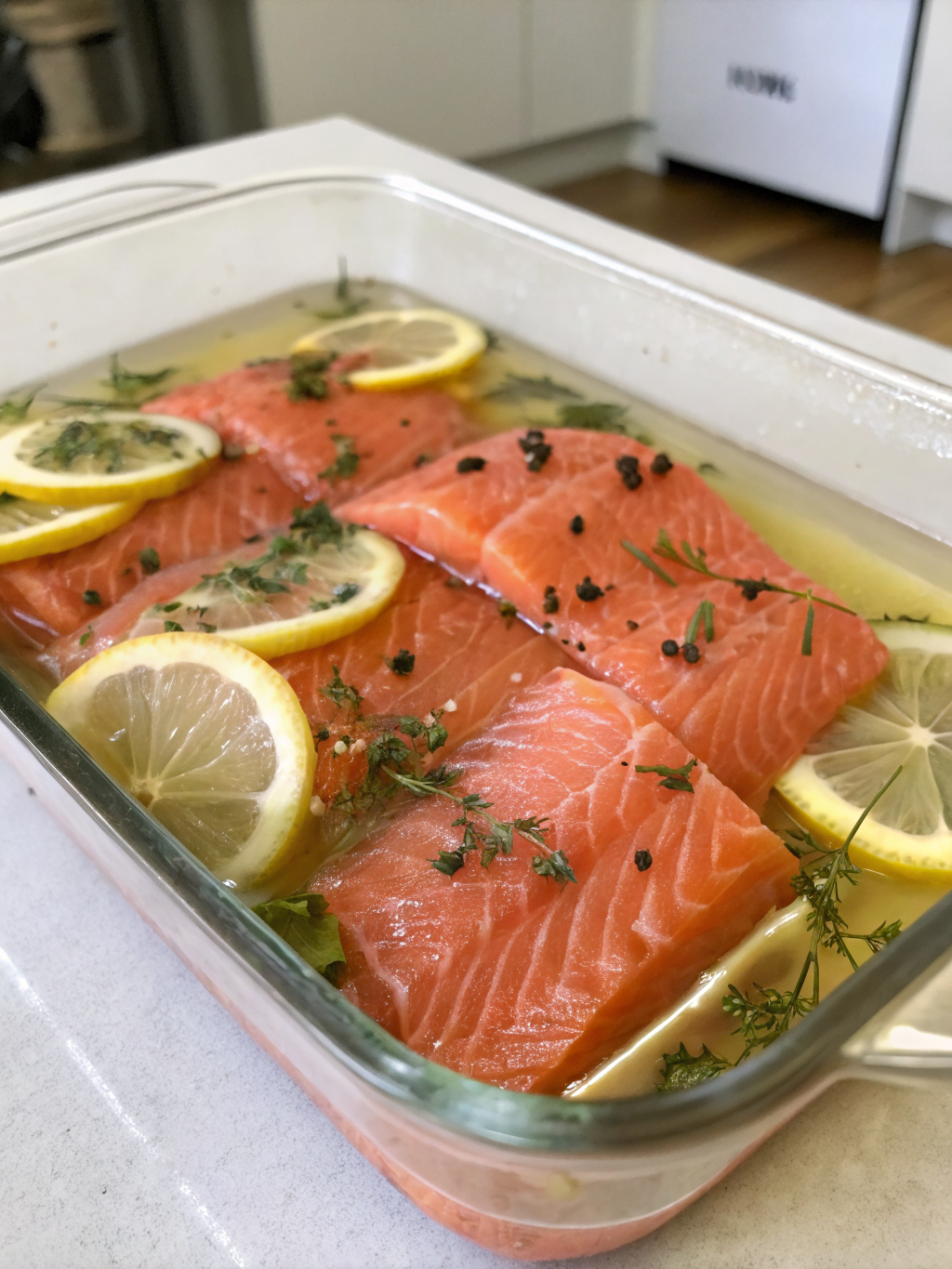
This smoked salmon brine locks in moisture and builds real flavor before the smoke ever touches the fish. The step most home smokers skip, and the one that makes the biggest difference.
Once you master this smoked salmon brine, try my Pan Fried Salmon or Honey Salmon Recipe next for more salmon dinners!
Why This Smoked Salmon Brine Actually Matters
Brining before smoking does two things at once: it seasons the fish all the way through instead of just on the surface, and it helps the flesh hold onto moisture during the long, low heat of smoking. Skip it, and you are far more likely to end up with the dry, chalky texture that ruins so many homemade attempts.
The other non-negotiable step is forming the pellicle, that slightly tacky surface layer that develops during the dry time after brining. Smoke does not adhere well to wet fish, so this step genuinely cannot be rushed.
Ingredients
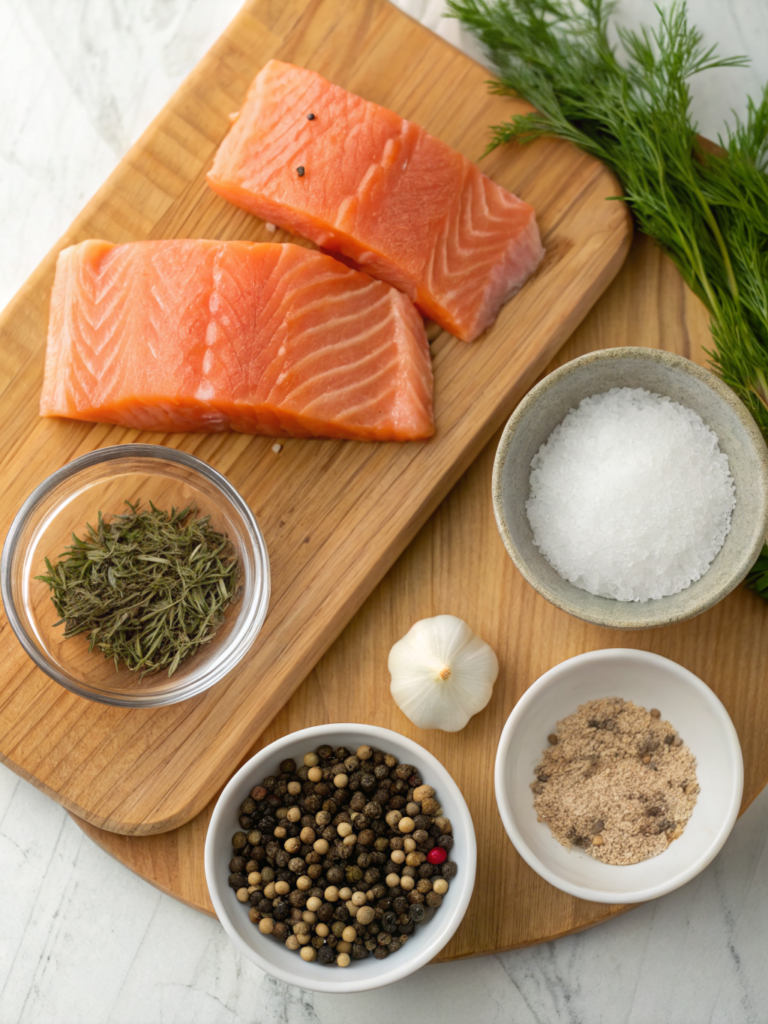
Creating the perfect smoked salmon brine requires a careful balance of salt, sugar, and aromatics. This recipe yields enough brine for 2-3 pounds of salmon fillets.
How to Make It
This is just the overview. Scroll down to the recipe card for exact measurements and timing.
Dissolve salt, sugar, and aromatics in water, then cool completely below 40F before submerging the salmon for 8-12 hours. Rinse, dry, and let the fish rest uncovered in the fridge to form a pellicle, then smoke low and slow until it reaches 145F.
Make Ahead Method
- This brine is designed to be made ahead. Prepare it up to a day before you plan to brine the salmon and refrigerate until cold.
- The whole process spans 14-20 hours by design, plan the brining and smoking window around when you want to serve it.
- Cold-smoked salmon actually benefits from resting, wrapped tightly in the fridge for at least 4 hours before serving, to let the smoke flavor mellow.
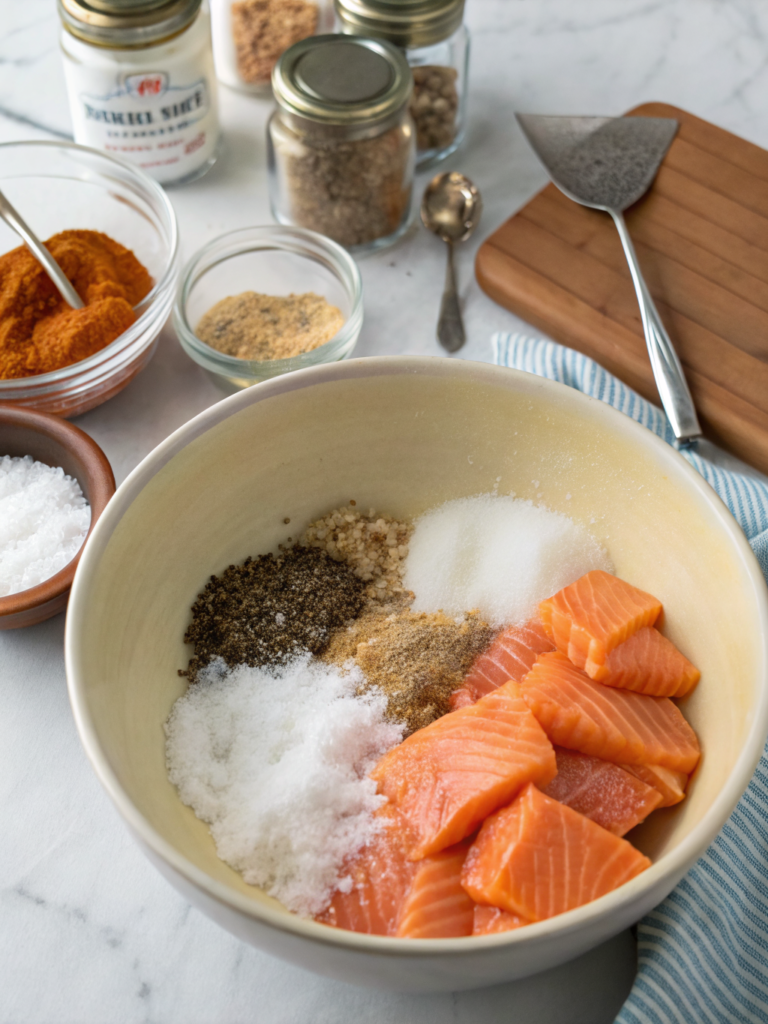
Smoked Salmon Brine
Course: SeafoodCuisine: AmericanDifficulty: Medium4
servings30
minutes40
minutes300
kcalA wet brine that locks in moisture and flavor before smoking, for genuinely tender, flavorful salmon.
Ingredients
2-3 lbs salmon fillets, skin-on
4 cups cold water
1/3 cup kosher salt
1/3 cup brown sugar
2 tbsp maple syrup
4 garlic cloves, smashed
1 tbsp black peppercorns
2 bay leaves
1 tbsp soy sauce, optional
1 tsp red pepper flakes, optional
3-4 fresh dill sprigs
1 lemon, sliced
Directions
- Prepare the brine. Combine 2 cups water with salt, brown sugar, and maple syrup. Heat, stirring until dissolved, 3-4 minutes. Add garlic, peppercorns, bay leaves, and red pepper flakes, simmer 2 minutes.
- Cool completely. Add remaining cold water, lemon, dill, and soy sauce. Refrigerate until below 40F, about 30-45 minutes.
- Prepare the salmon. Remove pin bones, rinse, and pat completely dry.
- Submerge and brine. Place salmon in a non-reactive container, cover with cooled brine, and refrigerate 8-12 hours.
- Rinse and dry. Rinse thoroughly for 30-60 seconds, pat dry, then rest uncovered on a rack in the fridge 2-4 hours to form the pellicle.
- Smoke. Preheat smoker to 180-200F for hot smoking. Smoke with mild wood chips until internal temperature reaches 145F, about 3-4 hours.
- Rest and serve. Rest 15-20 minutes at room temperature before serving.
Notes
- Never add fish to warm brine, always cool it below 40 degrees first for food safety. The pellicle stage cannot be rushed, smoke will not adhere properly to wet fish.
The USDA recommends cooking fish to a minimum internal temperature of 145°F (USDA guidelines), and keep the brine itself below 40°F throughout the entire brining period.
Nutritional Information
A 3-ounce serving of properly brined and smoked salmon provides exceptional nutritional value:
- Calories: 155 | Protein: 22g (44% DV) | Fat: 7g, mostly omega-3s | Omega-3s: 1,500-2,000mg | Carbohydrates: 2-3g | Sodium: 600-900mg (25-40% DV), varies with brining time and rinsing
The omega-3 content exceeds the American Heart Association daily recommendation. This dish also provides vitamin D (570 IU), vitamin B12 (2.8mcg), and selenium (40mcg). Those monitoring sodium should opt for shorter brining times and thorough rinsing.
Healthier Alternatives for the Recipe
Adapting this recipe for various dietary needs does not mean sacrificing flavor.
- Lower Sodium: Reduce salt to 1/4 cup, extending brining time by 2 hours to compensate. Cuts sodium by about 25 percent.
- Lower Glycemic: Replace brown sugar with coconut sugar for a gentler impact on blood sugar.
- Sugar-Free: Use erythritol or monk fruit sweetener in the same measurements, though caramelization will be slightly less pronounced.
- Boost Aromatics: Add fresh thyme, rosemary, or fennel seeds to compensate for reduced salt and sugar without added calories.
- Hybrid Approach: Combine wet brine with a dry rub applied for the final 2 hours, using less overall sodium for a concentrated flavor crust.
Serving Suggestions
This smoked salmon shines in countless applications, from casual breakfasts to elegant entertaining.
- Classic Bagel: Serve on toasted bagels with cream cheese, capers, red onion, and fresh dill.
- Elegant Appetizer: Arrange thin slices on cucumber rounds with creme fraiche and dill.
- Breakfast Upgrade: Flake into scrambled eggs or a frittata for a protein-packed brunch.
- Pasta Integration: Toss with cream sauce, peas, and fresh lemon zest.
- Fresh Salad: Build with mixed greens, avocado, cherry tomatoes, and a light lemon vinaigrette.
- Smoked Salmon Dip: Blend with cream cheese, sour cream, lemon juice, and fresh herbs for a crowd-pleasing appetizer.
Common Mistakes to Avoid
Understanding these common pitfalls with this smoked salmon brine helps ensure consistent, restaurant-quality results.
- Using Table Salt Instead of Kosher: Table salt is denser, making your brine about 50 percent saltier than intended.
- Skipping the Pellicle Formation: Wet fish prevents proper smoke adhesion. The 2-4 hour drying time cannot be rushed.
- Over-Brining: Beyond 12 hours breaks down the protein structure, creating mushy texture.
- Not Rinsing After Brining: Excess surface salt creates an unpleasantly salty crust.
- Using Too Strong a Wood Smoke: Hickory and mesquite overpower salmon. Stick with mild woods like apple, cherry, or alder.
- Smoking at Inconsistent Temperatures: This creates uneven cooking. Use a reliable thermometer and maintain steady heat.
- Cutting the Salmon Too Thin: Fillets thinner than 3/4 inch dry out quickly during smoking.
- Adding Fish to Warm Brine: This promotes bacterial growth. Always cool brine to 40F or below first.
Storing Tips for the Recipe
Proper storage keeps your smoked salmon brine and finished fish at their best for as long as possible.
- Refrigerator Storage: Wrap tightly in plastic wrap or vacuum-seal. Maintains optimal quality for 5-7 days, though safe to eat up to 2 weeks.
- Freezer Storage: Wrap tightly in plastic wrap then foil, removing as much air as possible. Maintains excellent quality for 2-3 months.
- Thawing: Thaw gradually in the refrigerator overnight rather than at room temperature to preserve texture.
- Leftover Brine: Store in an airtight container in the fridge for up to 1 week, bringing to a full boil before reusing. Fresh brine is always recommended for food safety. Extra brine can also be frozen in ice cube trays, each cube provides a pre-measured portion for a smaller future batch.
Conclusion: The Step Most Home Smokers Skip
This smoked salmon brine takes patience more than skill, and that patience is exactly what separates dry, mediocre homemade smoked salmon from something genuinely restaurant-quality.
Once you have gone through the full process once, from brine to pellicle to smoke, the timing becomes intuitive, and you will understand why this step is worth the wait every time.
FAQ
Can I use a dry brine instead?
Yes, mix salt and sugar without water and apply directly to the fish surface, then follow the same rinsing and pellicle steps.
What is the difference between hot and cold smoking?
Hot smoking cooks the fish through at 180-200F over 3-4 hours, while cold smoking flavors it at 75-85F over 8-12 hours without fully cooking it.
Can I skip the pellicle step?
It is not recommended, smoke will not adhere properly to wet fish and the flavor will be noticeably uneven.
What wood is best for smoking salmon?
Mild woods like apple, cherry, alder, or maple work best. Avoid strong woods like hickory or mesquite, which overpower the delicate flavor.
Can I brine salmon for less than 8 hours?
A shorter brine, around 4-6 hours, works for thinner fillets, though flavor penetration will be less pronounced.
Is cold-smoked salmon fully cooked?
No, cold smoking flavors and partially preserves the fish without cooking it through the way hot smoking does. Follow food safety guidance carefully for this method.
Try These Next
Did You Try Our Recipes?
Best recipe ever
I love it, absolutely delicious