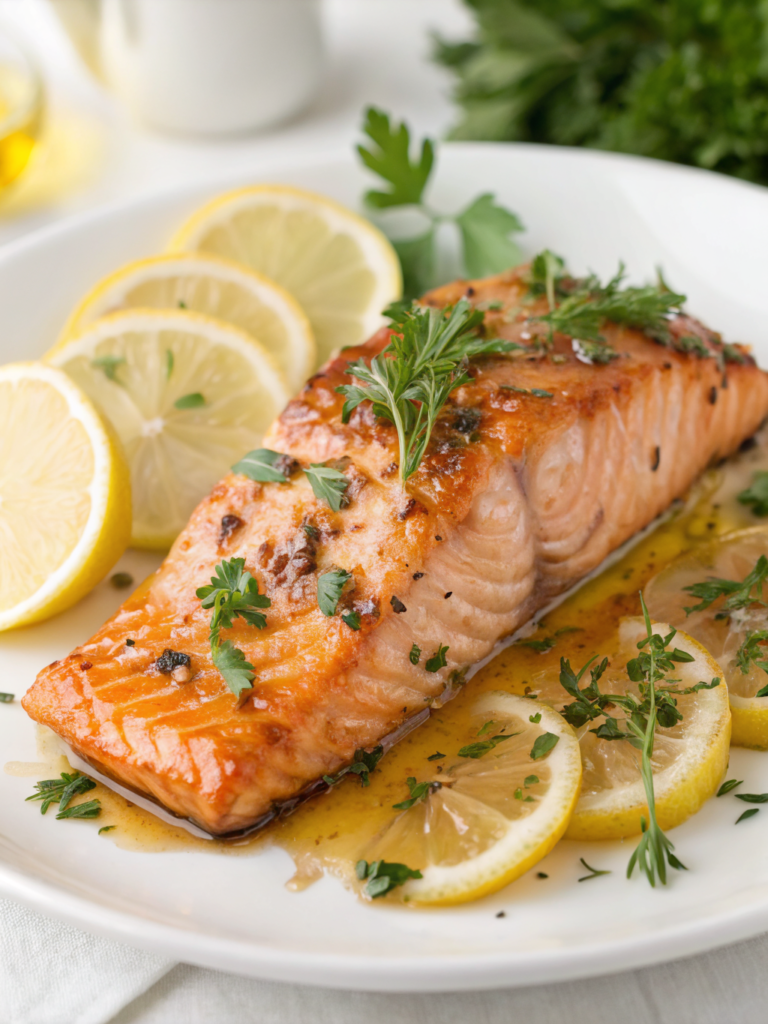
Mahi Mahi Recipe for a Light, Healthy, and Flavorful Fish Dinner
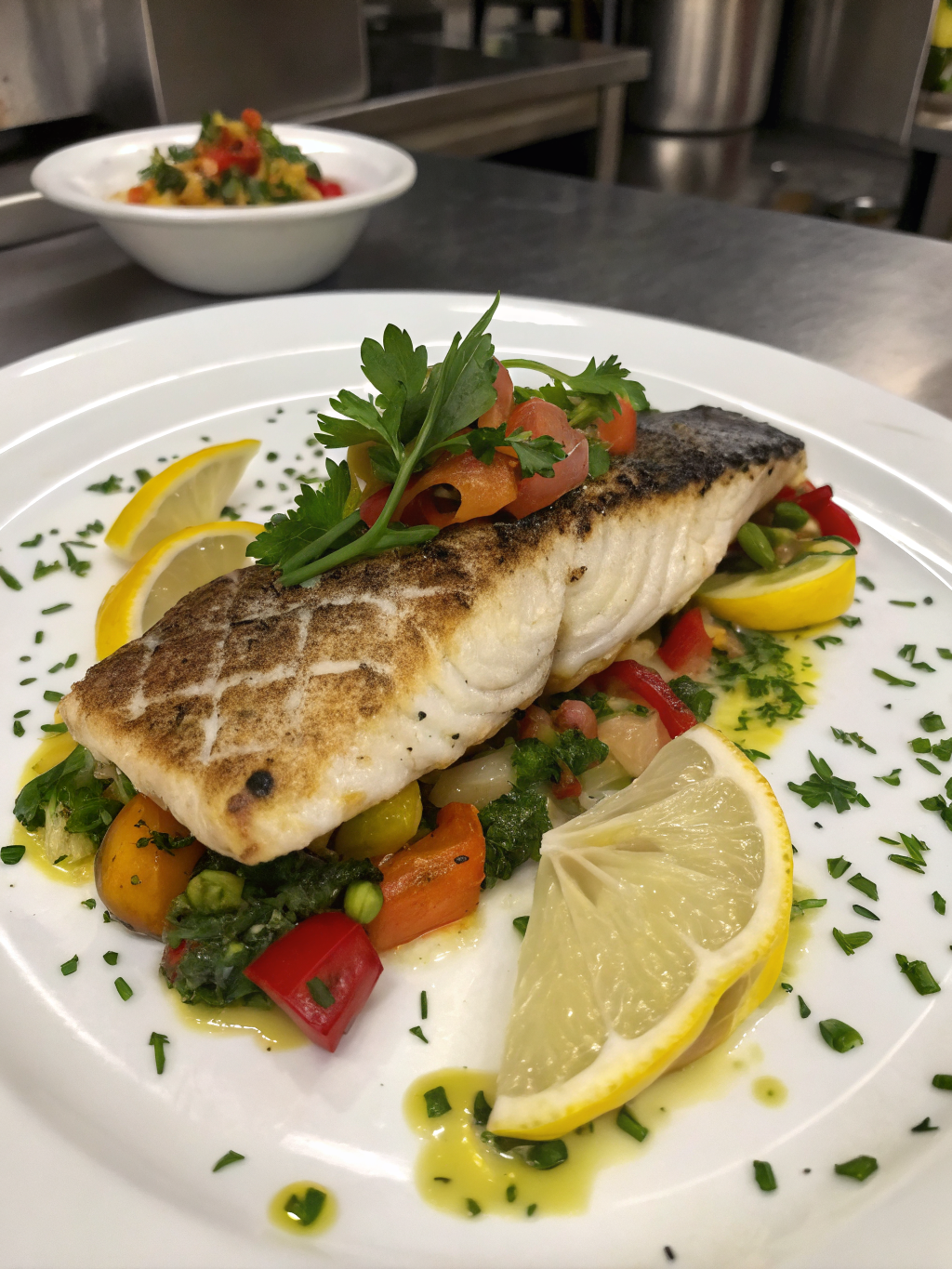
This mahi mahi recipe gets a quick sear and a bright lemon garlic butter sauce for a genuinely light, restaurant-quality dinner in about 20 minutes.
Try my Pan Fried Salmon or Salmon and Rice next for more quick seafood dinners!
Why This Mahi Mahi Recipe Stays Tender
Mahi mahi is a firm, lean fish, which makes it forgiving in some ways and unforgiving in others. It holds up well to a hard sear, but it also overcooks fast since there is very little fat to keep it moist once it passes done.
The fix is pulling it just barely opaque in the center and trusting residual heat to finish the job while it rests. That, plus not skipping the pan-drying step, is really the whole trick to this dish.
Ingredients
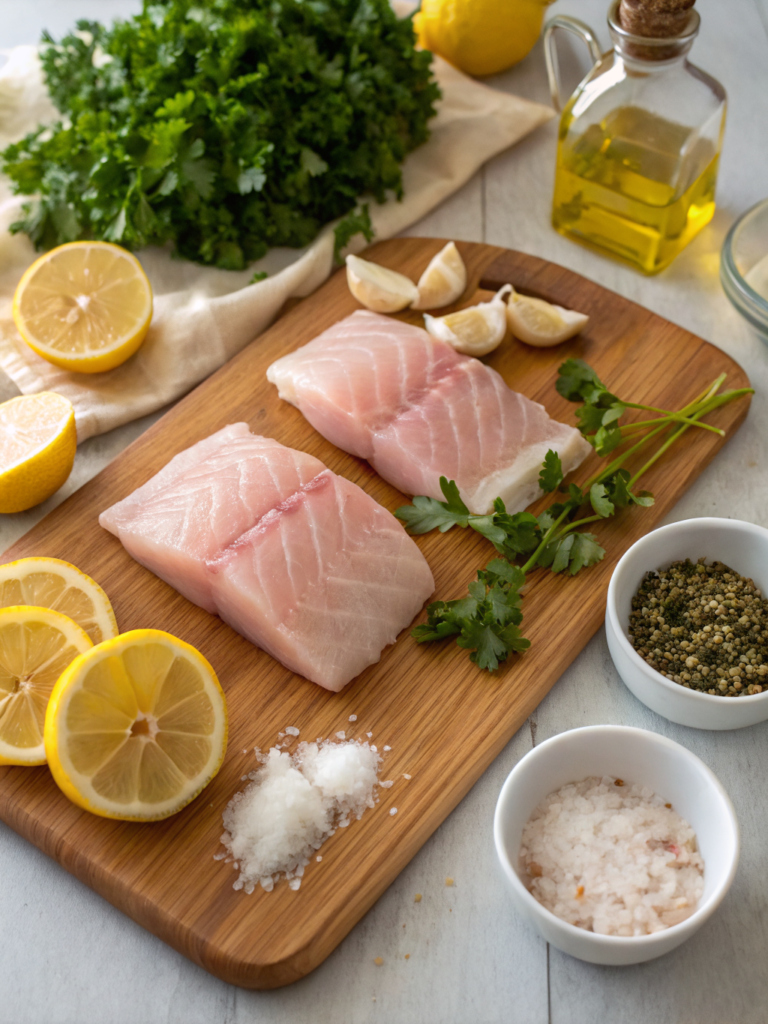
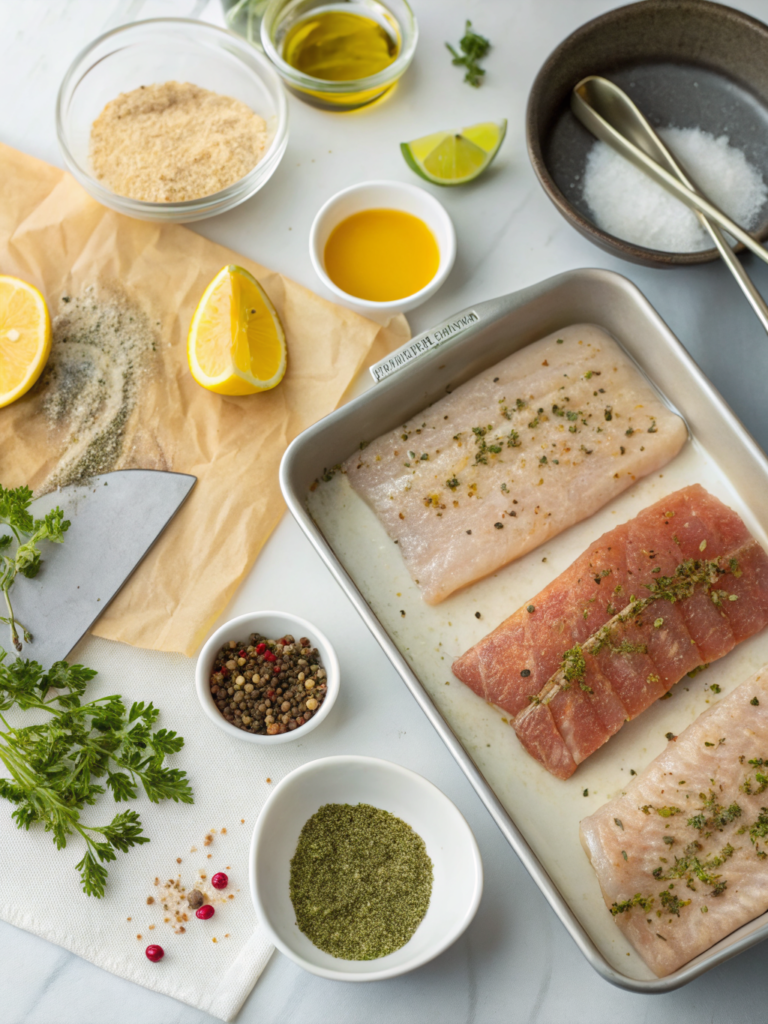
Gathering quality ingredients is the foundation of this mahi mahi recipe. Fresh or properly thawed fillets make all the difference here.
How to Make It
This is just the overview. Scroll down to the recipe card for exact measurements and timing.
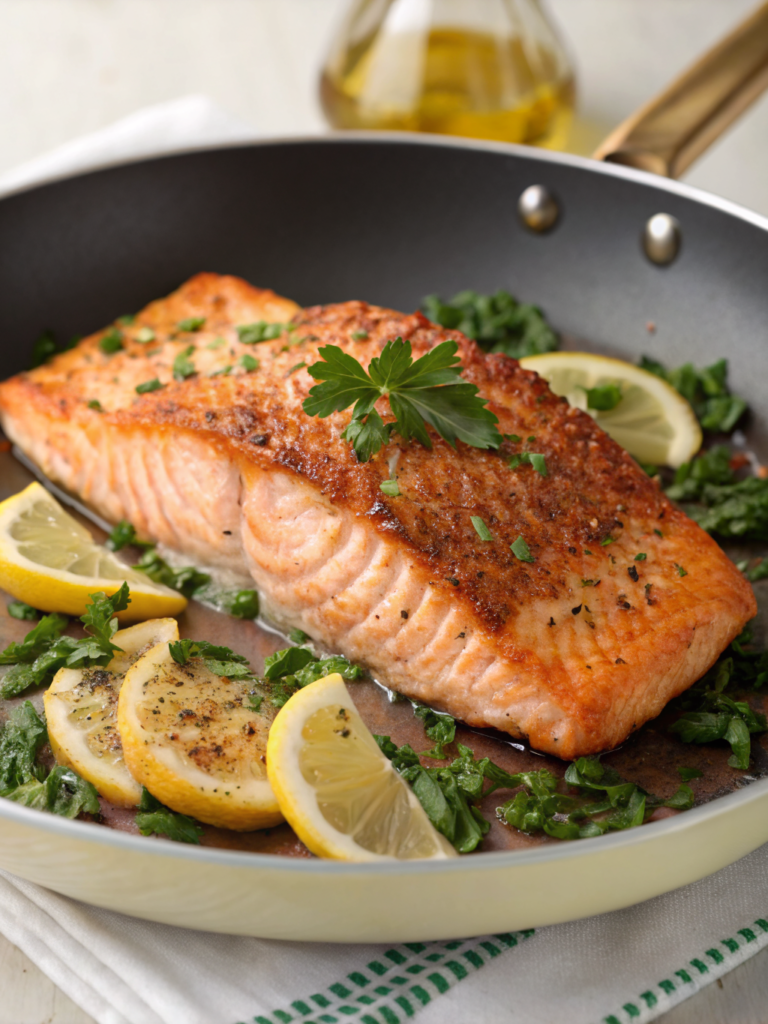
Pat the fillets dry, season generously, then sear in a hot pan undisturbed until golden. Flip and finish, then build a quick lemon garlic butter sauce in the same pan. Pour over the fish and serve immediately.
Make Ahead Method
- The seasoning blend can be mixed up to a week ahead and stored in an airtight container.
- Fish can be seasoned up to 30 minutes ahead and left to rest, which the recipe already calls for.
- This dish is genuinely best cooked and served fresh, since the sauce and sear do not hold well.
Mahi Mahi Recipe
Course: SeafoodCuisine: AmericanDifficulty: Easy4
servings30
minutes40
minutes300
kcalSeared mahi mahi with a bright lemon garlic butter sauce, ready in about 20 minutes.
Ingredients
4 mahi mahi fillets, 6 oz each, about 1-inch thick
3 tbsp olive oil, divided
4 garlic cloves, minced
2 tbsp fresh lemon juice
1 tsp lemon zest
2 tbsp unsalted butter
1 tsp paprika
1/2 tsp garlic powder
1/2 tsp onion powder
1 tsp sea salt
1/2 tsp black pepper
1/4 tsp cayenne pepper, optional
2 tbsp fresh parsley, chopped
Directions
- Prepare the fish. Rest at room temperature 10 minutes, pat completely dry, and check for bones.
- Season. Combine paprika, garlic powder, onion powder, salt, pepper, and cayenne. Sprinkle over both sides and let rest 5 minutes.
- Heat the pan. Heat 2 tbsp olive oil in a heavy skillet over medium-high until it shimmers but does not smoke.
- Sear. Place fillets presentation side down. Cook undisturbed 4-5 minutes until it releases easily. Flip, cook 3-4 minutes more, until 137F internal temperature.
- Make the sauce. Transfer fish to a platter, tent with foil. Add remaining oil and garlic to the pan, saute 30-45 seconds. Add butter, lemon juice, and zest, swirling until emulsified, about 1 minute.
- Finish and serve. Pour the sauce over the fish, garnish with parsley, and serve immediately.
Notes
- Remove the fish when just barely opaque in the center, it continues cooking from residual heat while resting. Do not let the garlic brown while sauteing, it turns bitter quickly.
The USDA recommends cooking fish to a minimum internal temperature of 145°F (USDA guidelines), though many cooks pull mahi mahi around 137°F for a more tender texture, a personal doneness choice to make with that guidance in mind.
Nutritional Information
This mahi mahi recipe delivers exceptional nutrition. Per serving, one 6-ounce fillet with sauce:
- Calories: 285 | Protein: 32g | Total Fat: 16g | Saturated Fat: 5g | Omega-3s: 0.2g | Cholesterol: 135mg | Sodium: 680mg | Potassium: 715mg | Carbohydrates: 2g | Fiber: 0.3g | Vitamin A: 8% DV | Vitamin C: 12% DV | Iron: 8% DV
Mahi mahi provides about 64 percent of daily protein needs in a single serving, plus nearly 100 percent of daily B12 and selenium, an antioxidant that supports immune function and thyroid health.
While mahi mahi contains less omega-3 than salmon or mackerel, it still provides valuable nutrients with fewer calories and less fat, and the olive oil here contributes heart-healthy monounsaturated fats.
Healthier Alternatives for the Recipe
Adapting this recipe to meet specific dietary needs does not mean sacrificing flavor.
- Reduce Sodium: Cut added salt in half, letting lemon juice and fresh herbs carry more of the flavor. Reduces sodium by about 40 percent.
- Lower Fat: Use cooking spray instead of olive oil and reduce butter to 1 tablespoon, cutting fat by nearly 30 percent.
- Keto-Friendly: Already naturally low-carb. Pair with cauliflower rice or zucchini noodles for a complete keto meal.
- Dairy-Free: Replace butter with additional olive oil or coconut oil for a subtle tropical note.
- Add More Vegetables: Saute spinach, cherry tomatoes, or asparagus in the pan after cooking the fish for a complete one-pan meal.
Serving Suggestions
Presentation and accompaniments elevate this simple fish dinner into a memorable meal.
- Classic Pairings: Serve over jasmine rice or mashed cauliflower with steamed green beans or roasted Brussels sprouts.
- Mediterranean Style: Pair with a Greek salad, warm pita, and tzatziki.
- Tropical Approach: Top with mango salsa and serve alongside coconut rice.
- Taco Tuesday: Flake into warm corn tortillas with shredded cabbage, pico de gallo, and chipotle crema.
- Elegant Dinner Party: Plate over creamy polenta with roasted cherry tomatoes and wilted spinach.
- Light and Fresh: Serve atop mixed greens with avocado, cucumber, and a light vinaigrette.
Common Mistakes to Avoid
Even experienced cooks can stumble when preparing this mahi mahi recipe. Understanding these common pitfalls helps you achieve perfect results every time.
- Overcooking the Fish: The most frequent mistake. Remove fillets when just barely opaque in the center, they finish cooking while resting.
- Not Drying the Fillets: Moisture is the enemy of a good sear. Always pat fillets thoroughly dry with paper towels before seasoning.
- Moving the Fish Too Soon: Let the fillet develop a proper crust and release naturally from the pan before attempting to flip it.
- Burning the Garlic: Sauteing garlic too long or over too high heat turns it bitter. 30-45 seconds over medium heat is enough.
- Using a Pan That Is Not Hot Enough: This causes sticking and prevents proper browning. Preheat for a few minutes before adding oil.
- Skipping the Rest Before Cooking: Letting the seasoned fish rest 5 minutes helps the salt penetrate and season more evenly.
Storing Tips for the Recipe
Proper storage keeps leftover mahi mahi tasting great for a couple of days after cooking.
- Refrigerator Storage: Cool completely, then store in an airtight container for up to 2 days.
- Freezer Storage: Not recommended for the cooked, sauced dish, texture suffers significantly on thawing.
- Reheating: Warm gently in a low oven or skillet to avoid drying it out further, rather than the microwave.
Conclusion: A Genuinely Quick, Elegant Dinner
This mahi mahi recipe proves that a light, restaurant-quality dinner does not need to take long or require special equipment. Twenty minutes and a hot pan get you most of the way there.
Once you get comfortable pulling the fish at the right moment, this becomes a genuinely reliable option for a quick weeknight dinner or something a little more special.
FAQ
Can I use frozen mahi mahi?
Yes, thaw completely overnight in the refrigerator first for even cooking and a proper sear.
What can I substitute for mahi mahi?
Halibut, swordfish, or cod all work well with this same technique and sauce.
Why did my fish stick to the pan?
This usually means it was flipped too early, or the pan was not hot enough. Let it develop a crust and release naturally.
Can I grill this instead of pan-searing?
Yes, grill over medium-high heat, brushing with oil, and cook about 4-5 minutes per side.
How do I know when mahi mahi is done?
Use an instant-read thermometer, checking for 137-145F depending on your preferred texture, and confirm the flesh flakes easily.
Can I make the sauce ahead of time?
It is best made fresh right after searing the fish, since it comes together quickly in the same pan.
Try These Next
Did You Try Our Recipes?
Best recipe ever
I love it, absolutely delicious