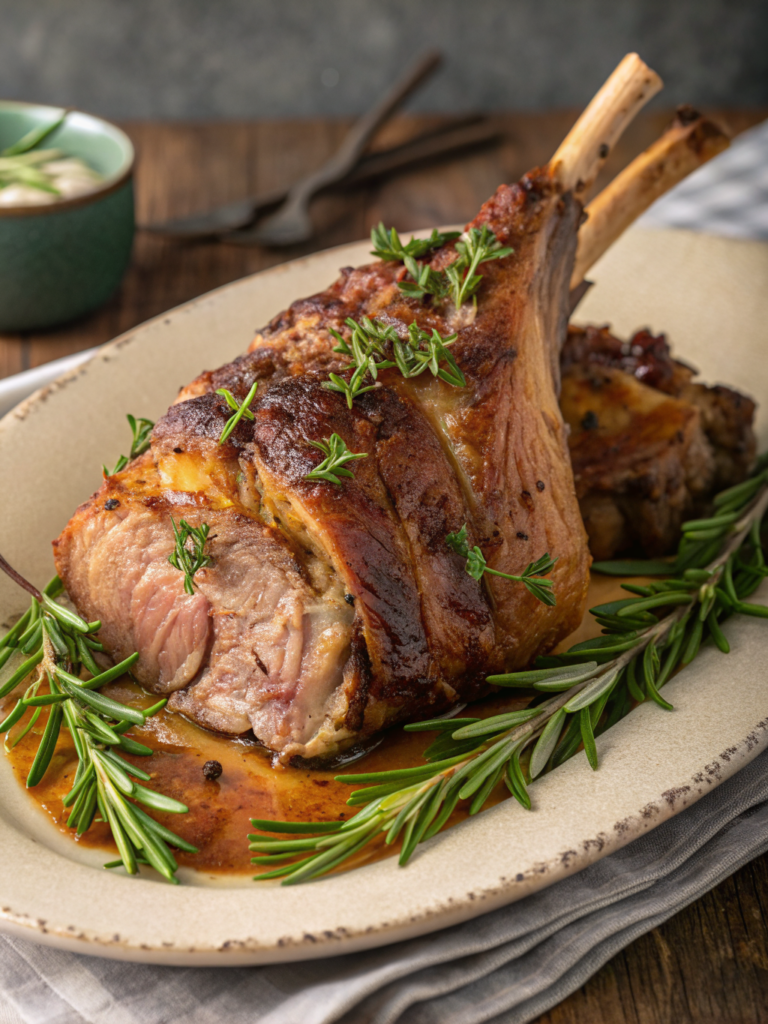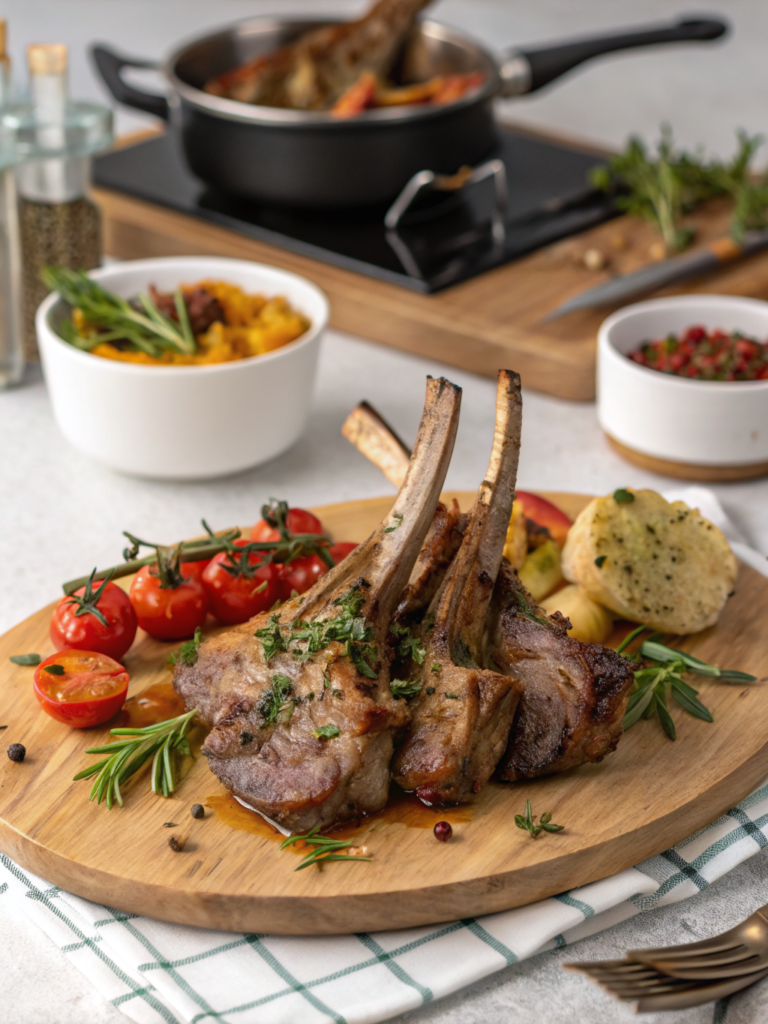
Sheep Curry Recipe
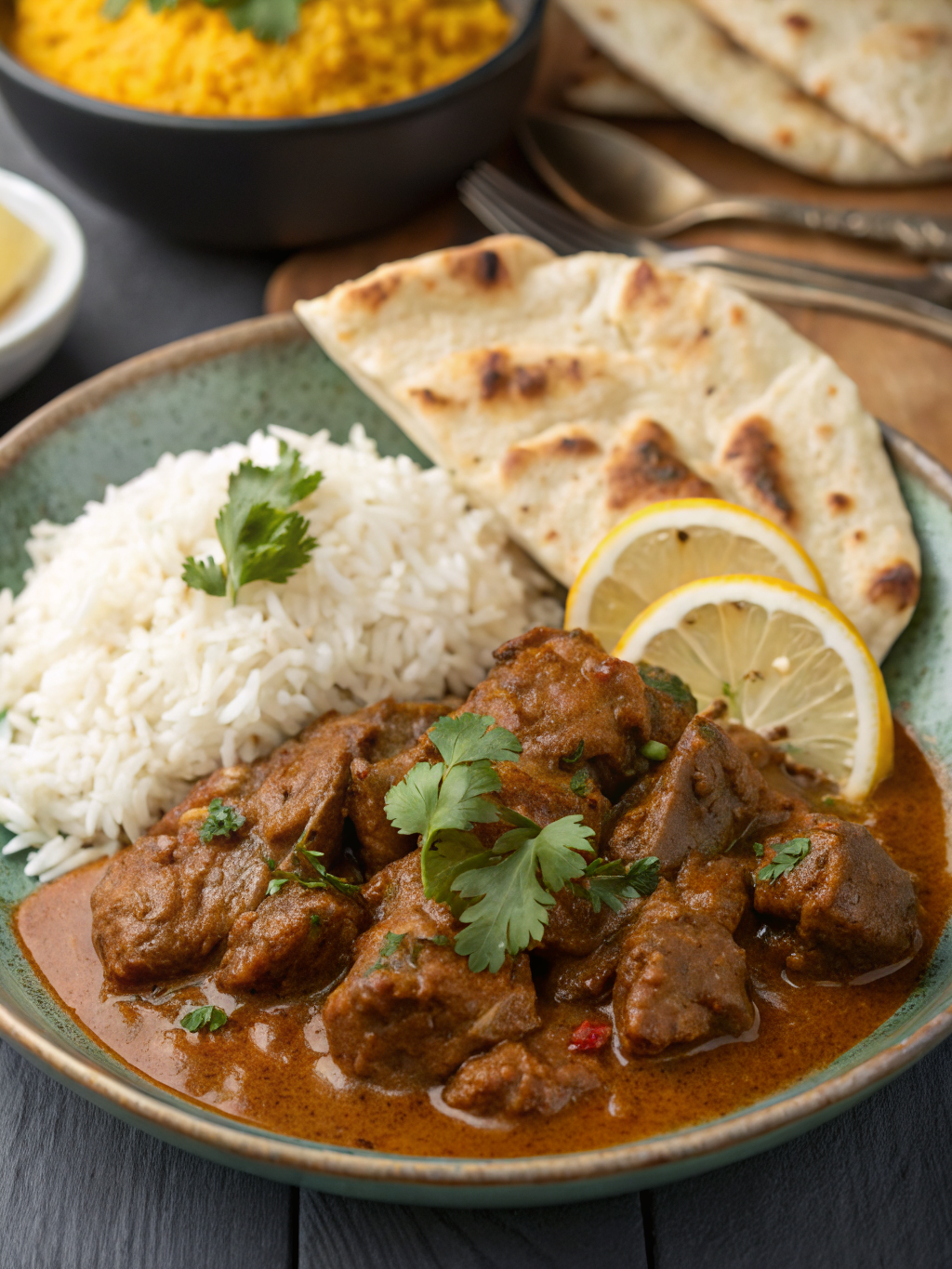
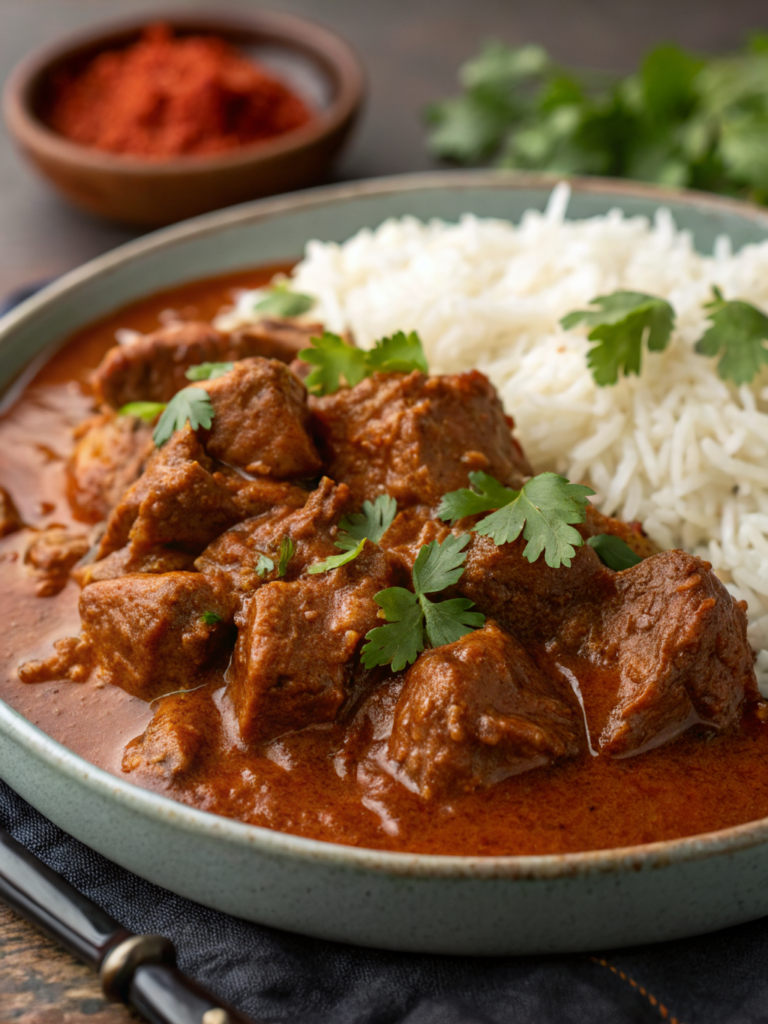
This sheep curry simmers bone-in mutton in a rich, spiced tomato-yogurt gravy until it falls off the bone. Authentic restaurant flavor, worth the hour and a half.
Try my Rogan Josh or Braised Beef Shank next for more slow-braised comfort food!
Why This Sheep Curry Tastes Like a Restaurant
The gap between homemade and restaurant-style sheep curry almost always comes down to two things most recipes rush: properly caramelizing the onions, and giving the meat enough time to actually become tender. Neither step is difficult, they just both take patience.
Once you get the rhythm of building the masala base properly, this becomes one of those dishes you can make confidently for guests, not just a weeknight experiment.
Ingredients
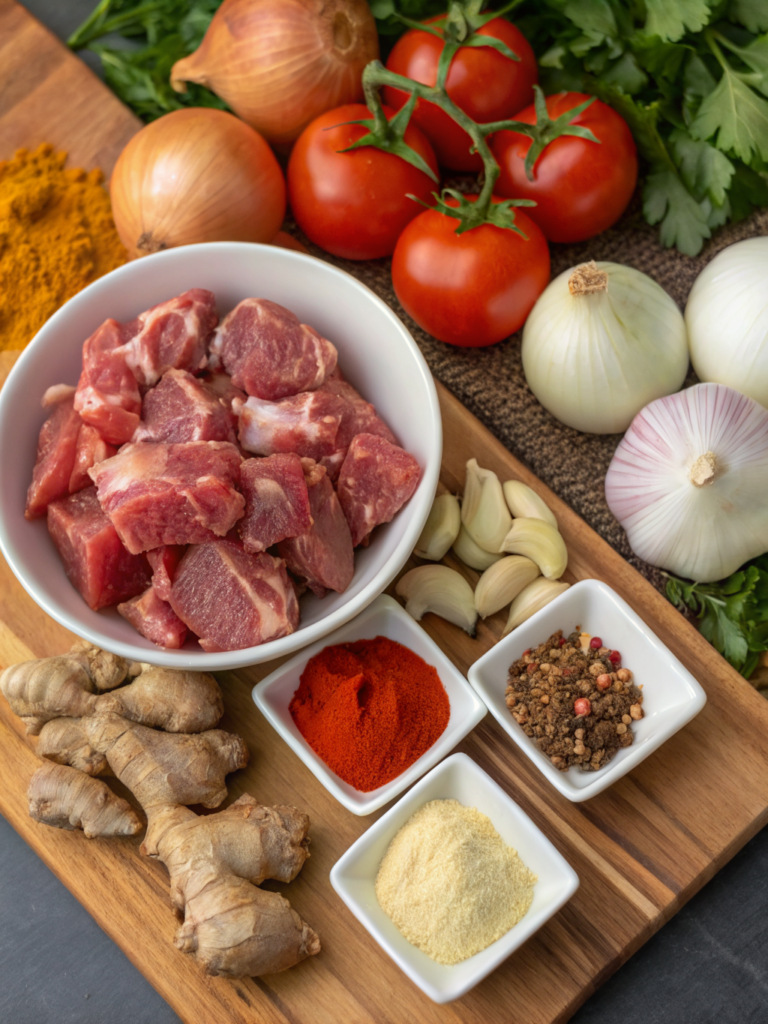
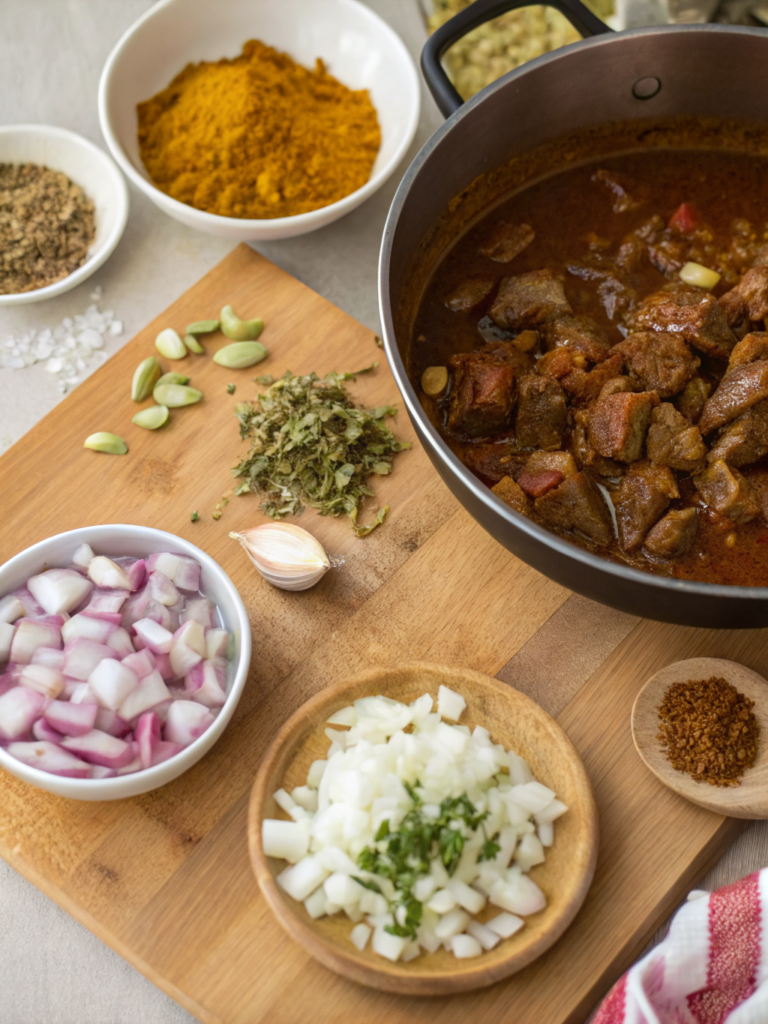
Gathering quality ingredients forms the foundation of exceptional sheep curry. Each component plays a crucial role in building layers of flavor that define this classic dish.
How to Make It
This is just the overview. Scroll down to the recipe card for exact measurements and timing.
Temper whole spices in hot oil, then patiently caramelize the onions until deep golden. Build the masala with ginger-garlic and tomatoes, brown the meat in it, then add yogurt and water and simmer low and slow until the meat falls off the bone.
Make Ahead Method
- This curry tastes even better the next day, once the spices have had more time to meld. Make it up to 2 days ahead and reheat gently.
- The onion-tomato masala base can be made up to 3 days ahead and refrigerated, ready for you to brown the meat into when you are ready to cook.
- Freezes well for up to 3 months. Thaw overnight in the fridge before reheating.
Sheep Curry
Course: LambCuisine: IndianDifficulty: Medium6
servings20
minutes1
hour30
minutes435
kcalBone-in mutton simmered in a rich, spiced tomato-yogurt gravy until it falls off the bone.
Ingredients
2 lbs bone-in sheep meat (mutton), cut into 2-inch pieces
3 large onions, finely sliced
4 medium tomatoes, pureed or finely chopped
1 cup plain yogurt, whisked smooth
6 garlic cloves, minced
2-inch piece fresh ginger, grated
3 tbsp cooking oil or ghee
2 bay leaves
4-5 green cardamom pods, lightly crushed
1 black cardamom pod
1-inch cinnamon stick
4-5 whole cloves
1 tsp cumin seeds
2 tsp coriander powder
1 tsp turmeric powder
2 tsp red chili powder, adjust to taste
1 tsp garam masala
Salt to taste, about 1.5-2 tsp
Fresh cilantro, chopped, for garnish
2-3 green chilies, slit lengthwise, optional
Directions
- Prepare the meat. Wash and pat dry, then season with salt and half the turmeric. Rest 15 minutes.
- Create the aromatic base. Heat oil, sizzle cumin seeds, then add bay leaves, cardamom, cinnamon, and cloves for 20-30 seconds.
- Caramelize the onions. Cook onions over medium heat 15-20 minutes until deep golden brown.
- Build the masala. Add ginger-garlic paste, saute 2-3 minutes. Add tomatoes, cook until oil separates, about 10-12 minutes. Stir in coriander, remaining turmeric, and chili powder.
- Brown the meat. Add meat to the masala, cook on high 5-7 minutes until lightly browned.
- Add yogurt and simmer. Stir in yogurt gradually off high heat. Add hot water to cover, salt, and green chilies. Bring to a boil.
- Slow cook. Cover and simmer on low 60-75 minutes, until the meat falls off the bone. Stir in garam masala in the last 10 minutes.
- Finish and garnish. Rest 5 minutes, then garnish with cilantro and a drizzle of ghee.
Notes
- Do not rush the onion caramelizing step, pale onions produce a thin, less flavorful gravy. For a pressure cooker, reduce cooking time to about 35-40 minutes after searing.
For food safety, lamb and mutton should reach a minimum internal temperature of 145°F with a 3-minute rest (USDA guidelines), though this curry is simmered well past that until the meat is fork-tender.
Nutritional Information
Understanding the nutritional profile helps you incorporate this dish into a balanced diet. Per serving, about 1 cup with 4-5 ounces of meat:
- Calories: 420-450 kcal, mostly from protein and healthy fats, a satisfying, energy-dense meal.
- Protein: 32-35 grams. Sheep meat provides all essential amino acids, about 65 percent of the average daily requirement.
- Fat: 28-32 grams. Sheep meat contains beneficial CLA and omega-3s. Trimming visible fat reduces this significantly.
- Carbohydrates: 12-15 grams, primarily from onions, tomatoes, and yogurt, providing sustained energy.
- Fiber: 3-4 grams, from the vegetables and spices, aiding digestion.
- Vitamins and Minerals: excellent source of vitamin B12 (85% DV), iron (25% DV), zinc (30% DV), and selenium (40% DV), plus antioxidants from turmeric and other spices.
Sheep meat contains higher levels of vitamin B12 than chicken or fish, particularly beneficial for preventing anemia. The bone-in preparation also releases collagen and minerals into the gravy, supporting joint health.
Healthier Alternatives for the Recipe
Adapting this traditional recipe to meet various dietary needs does not mean sacrificing flavor.
- Reduce Fat Content: Choose lean cuts and trim visible fat. Replace ghee with olive or avocado oil, and reduce oil to 1.5 tbsp.
- Lower Calorie Version: Use low-fat or Greek yogurt, reduce meat slightly, and add vegetables like bell peppers or cauliflower.
- Boost Nutritional Density: Add spinach, kale, or fenugreek leaves during the final 10 minutes of cooking.
- Reduce Sodium: Use low-sodium broth if adding liquid, relying more on spices for flavor.
- Dairy-Free Adaptation: Replace yogurt with coconut cream or cashew cream for a similarly rich texture.
- Increase Protein Further: Add chickpeas or kidney beans during the final 20 minutes for a heartier dish.
Serving Suggestions
Presenting your sheep curry with complementary accompaniments elevates the entire dining experience.
- Classic Rice Pairings: Serve with basmati rice, jeera rice, or saffron pilaf. The fluffy rice absorbs the gravy perfectly.
- Bread Options: Warm naan, roti, or paratha make excellent vehicles for scooping up the curry. Garlic naan pairs especially well.
- Fresh Accompaniments: A crisp kachumber salad, mint-yogurt raita, or mango chutney provides refreshing contrast to the rich spices.
- Finishing Touches: Offer fresh lime wedges and thinly sliced red onion sprinkled with chaat masala on the side.
Common Mistakes to Avoid
Even experienced cooks can run into a few pitfalls with sheep curry.
- Rushing the Onions: Pale, undercooked onions produce a thin, flat-tasting gravy. Give them the full 15-20 minutes to turn deep golden.
- Adding Yogurt Too Quickly: Pouring it in all at once, or over high heat, causes it to curdle. Add gradually, off high heat.
- Skipping the Meat Sear: Going straight to simmering without browning the meat first loses a real layer of flavor.
- Cooking at Too High a Heat: A hard boil toughens the meat instead of tenderizing it. Keep it at a gentle simmer once covered.
- Not Tasting and Adjusting: The long cooking time concentrates flavors, so always taste and adjust salt and spice near the end.
Storing Tips for the Recipe
This curry stores and reheats beautifully, and the flavor often improves after a day in the fridge.
- Refrigerator Storage: Cool completely, then store in an airtight container for up to 4 days.
- Freezer Storage: Freeze in portions for up to 3 months. Thaw overnight in the fridge before reheating.
- Reheating: Warm gently on the stovetop over low heat, adding a splash of water if the gravy has thickened too much.
Conclusion: Worth the Wait
Sheep curry rewards patience more than any single ingredient or technique. Give the onions and the meat the time they need, and you end up with something that genuinely rivals what you would order at a good Indian restaurant.
Once you have made it a few times, the process becomes second nature, and it earns a permanent place in your dinner rotation.
FAQ
Can I use lamb instead of mutton?
Yes, lamb works well and cooks a bit faster since it is more tender. Reduce the simmering time slightly and check for doneness earlier.
Can I make this in a pressure cooker?
Yes, after the initial searing and building the masala, pressure cook for about 35-40 minutes for tender results.
What if my curry is too spicy?
Stir in a bit more yogurt or a small amount of coconut milk to mellow the heat, and reduce chili powder next time.
Can I make this ahead for a dinner party?
Yes, this curry actually tastes better the next day. Make it up to 2 days ahead and reheat gently before serving.
Why is my meat still tough after 90 minutes?
Bone-in mutton can vary in toughness. Continue simmering in 15-minute increments until it is genuinely fork-tender.
What can I substitute for garam masala?
A mix of extra cumin, coriander, and a pinch of cinnamon and clove can approximate the flavor in a pinch.
Try These Next
Did You Try Our Recipes?
Best recipe ever
I love it, absolutely delicious