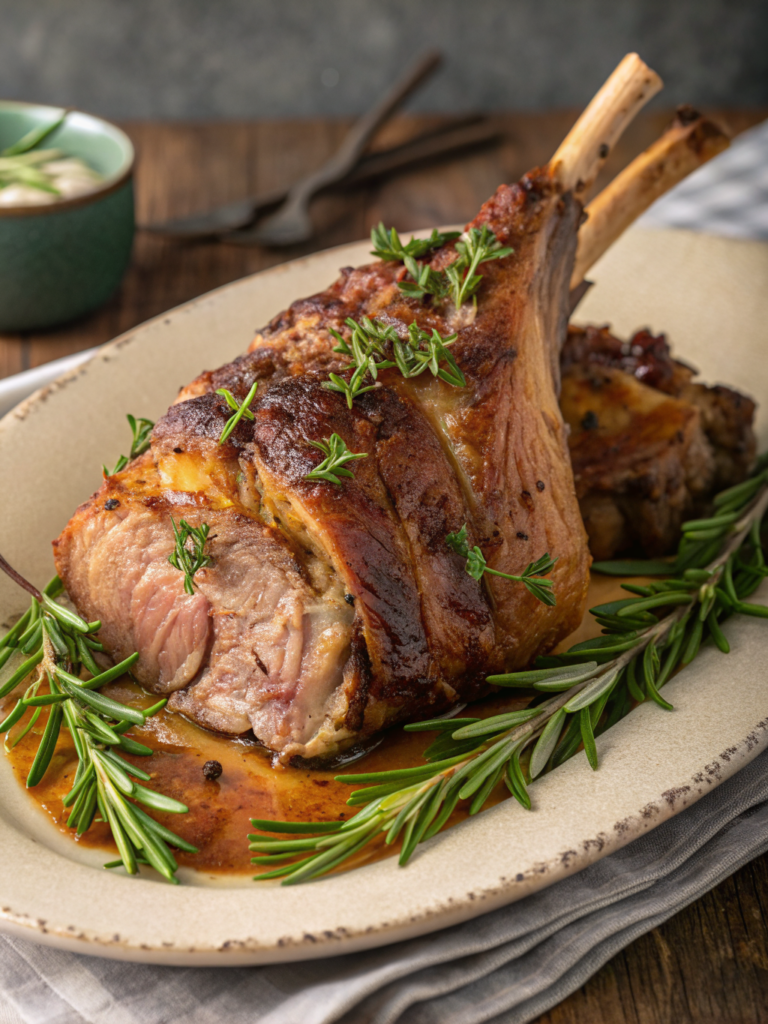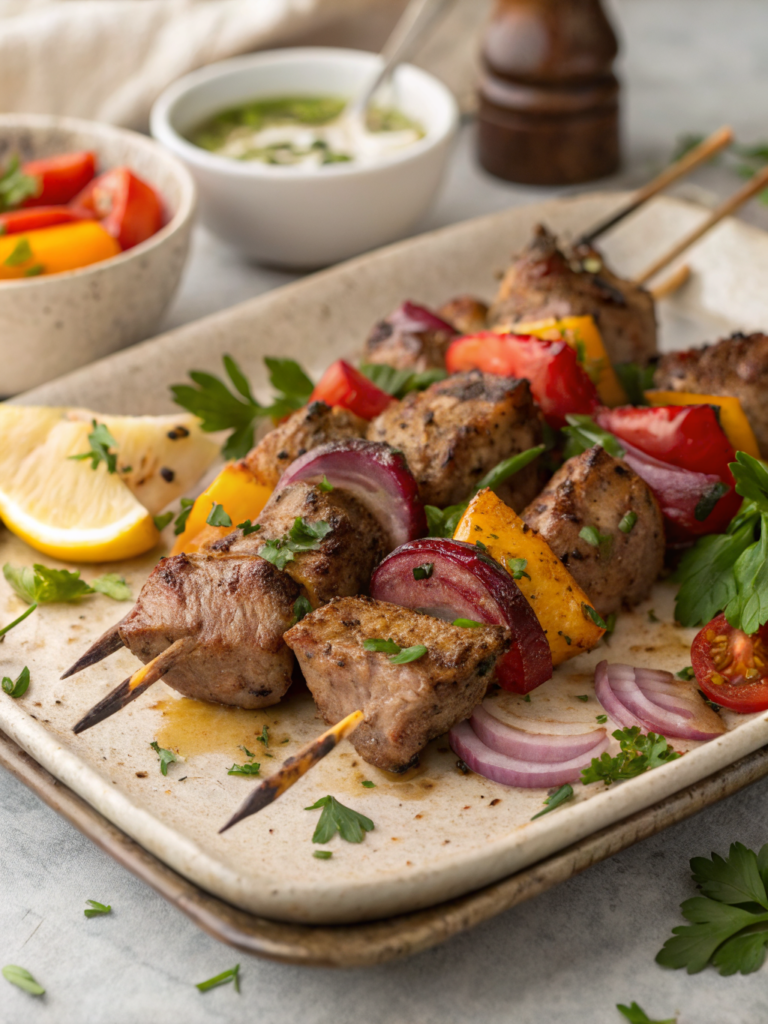
Lamb Shoulder Recipes for Tender and Flavorful Slow Cooked Meals
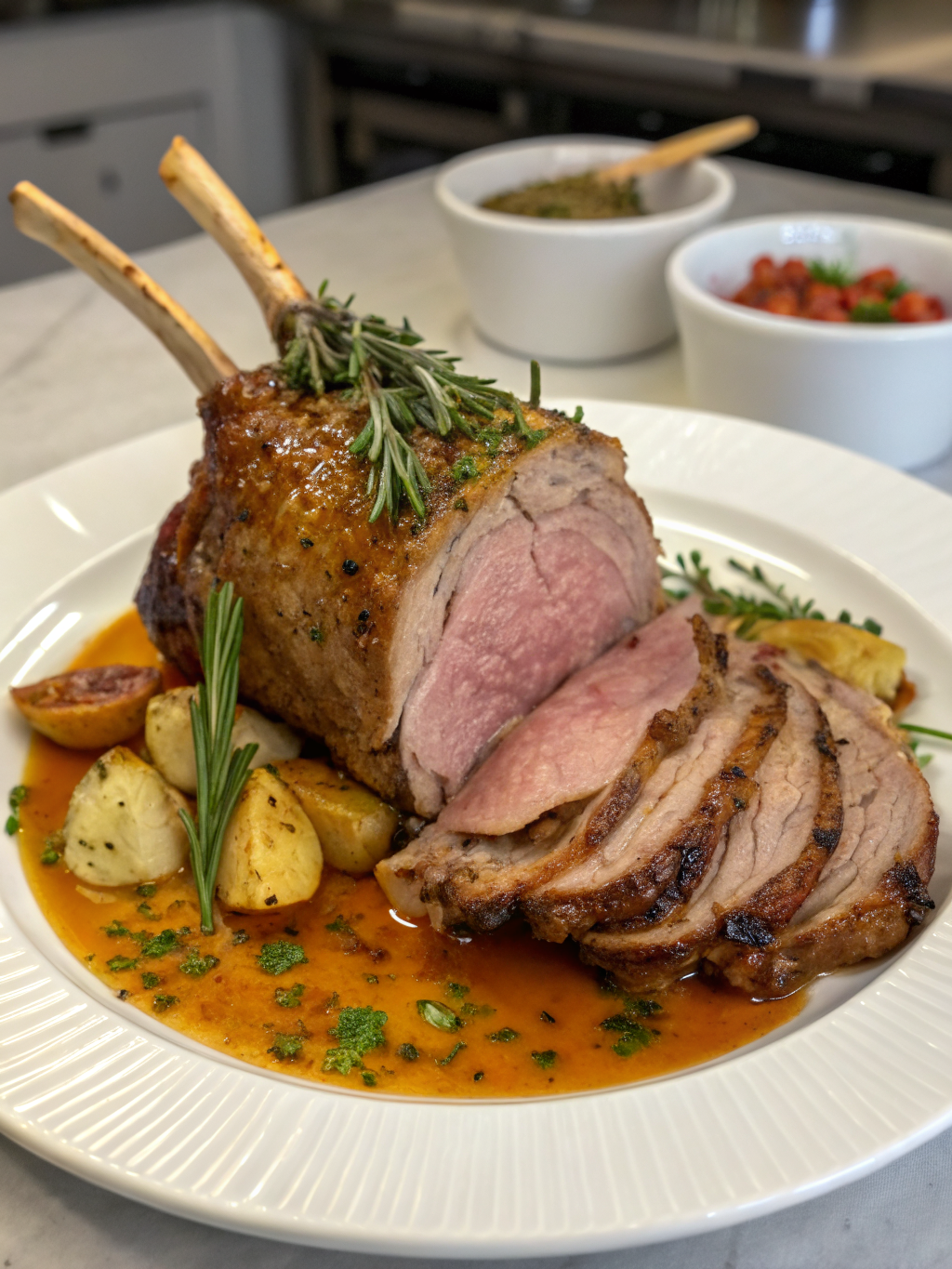
Have you ever wondered why restaurant lamb shoulder melts in your mouth while yours turns out tough and chewy? The secret isn’t in expensive equipment or professional training—it’s in understanding the science behind slow cooking this magnificent cut of meat.
Discovering the perfect lamb shoulder recipes transforms ordinary dinners into extraordinary culinary experiences. This comprehensive guide reveals everything you need to know about preparing tender, flavorful lamb shoulder that falls off the bone. Whether you’re hosting a special dinner or seeking comfort food perfection, mastering these techniques will elevate your cooking game significantly.
Lamb shoulder stands out as one of the most forgiving and flavorful cuts available. Its marbling and connective tissue break down beautifully during slow cooking, creating rich, succulent meat that impresses every time. Let’s dive into the art of preparing this exceptional cut.
Ingredients List
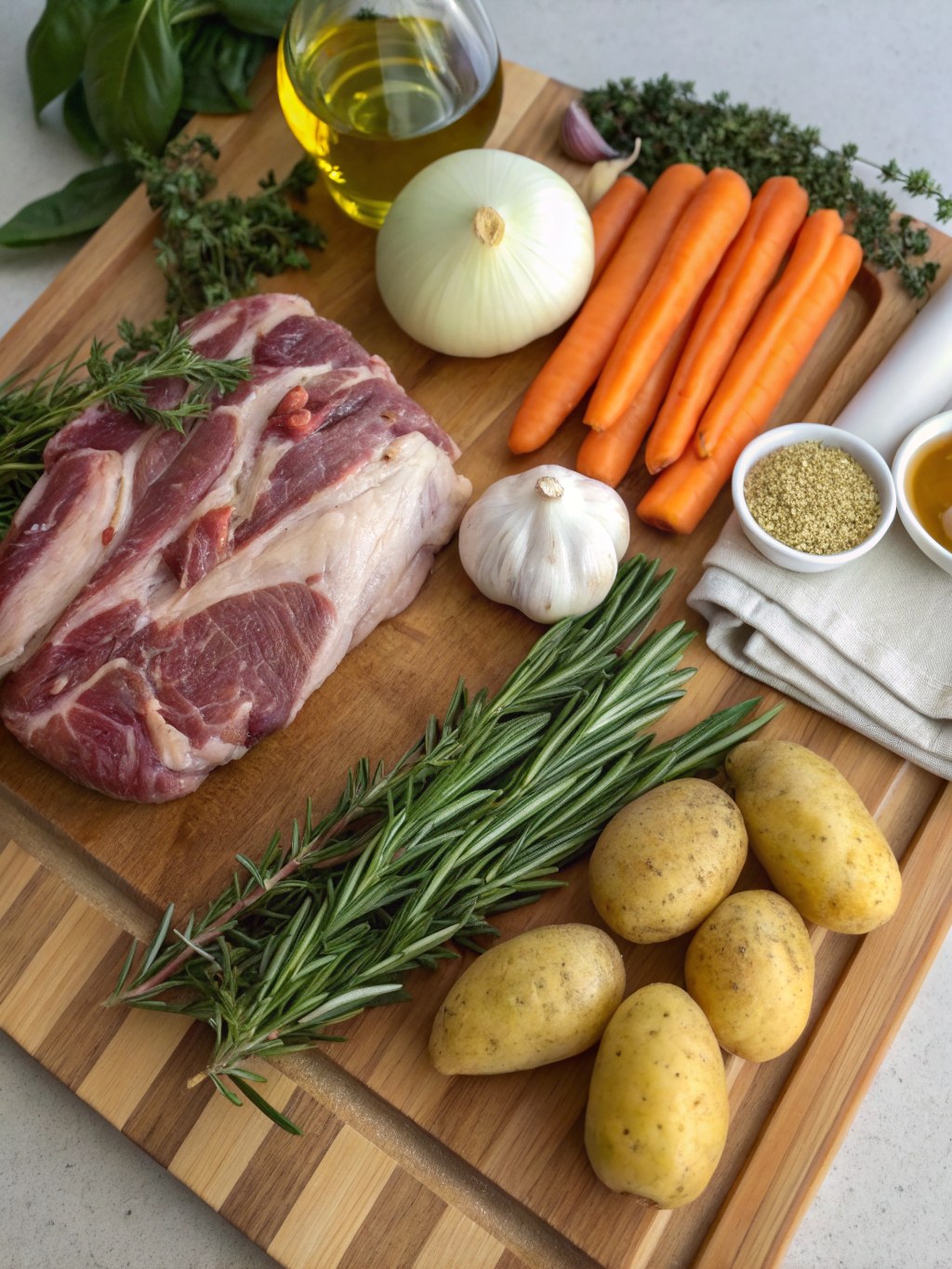
The foundation of exceptional lamb shoulder recipes begins with quality ingredients. Here’s what you’ll need for a classic preparation that serves 6-8 people:
- 4-5 pounds bone-in lamb shoulder (or boneless, adjusted for weight) – the star of your dish, choose meat with good marbling
- 6 cloves garlic, sliced – fresh garlic adds aromatic depth; garlic powder works in a pinch but lacks the same punch
- 3 sprigs fresh rosemary – dried rosemary (2 tablespoons) substitutes adequately, though fresh delivers superior flavor
- 2 tablespoons fresh thyme leaves – or 1 tablespoon dried thyme for convenience
- 2 large onions, quartered – yellow or white onions provide the best caramelization
- 4 carrots, cut into chunks – adds natural sweetness and nutritional value
- 3 celery stalks, roughly chopped – contributes aromatic backbone to the dish
- 2 cups red wine – choose a full-bodied variety like Cabernet Sauvignon; beef broth substitutes for alcohol-free versions
- 2 cups lamb or chicken stock – homemade delivers richer flavor, but quality store-bought works wonderfully
- 3 tablespoons olive oil – for searing and moisture
- 2 tablespoons tomato paste – enhances umami and adds color
- 2 bay leaves – for subtle herbal notes
- Salt and freshly ground black pepper – season generously, as lamb benefits from bold seasoning
- 1 tablespoon Dijon mustard (optional) – adds complexity and helps tenderize
These ingredients create a harmonious blend of flavors that complement lamb’s natural richness. The vegetables not only add nutrition but also create a flavorful base that infuses the meat throughout cooking.
Timing
Understanding timing is crucial for how to cook lamb shoulder perfectly. Proper time management ensures tender, fall-apart results without rushing the process.
Preparation Time: 20-25 minutes for trimming, seasoning, and preparing vegetables. This represents approximately 15% of your total cooking investment, making it remarkably efficient for such an impressive dish.
Cooking Time: 3.5-4 hours at 325°F (163°C) for oven roasting, or 6-8 hours on low in a slow cooker. This extended cooking period allows collagen to break down into gelatin, creating that signature melt-in-your-mouth texture.
Resting Time: 15-20 minutes before carving. This crucial step allows juices to redistribute throughout the meat, preventing them from running out when sliced.
Total Time: Approximately 4-4.5 hours for oven method, 6.5-8.5 hours for slow cooker. While this seems lengthy, active hands-on time is only about 30-40 minutes, making it perfect for weekend cooking or entertaining.
Step-by-Step Instructions
Step 1: Prepare the Lamb Shoulder
Remove the lamb from refrigeration 45-60 minutes before cooking, allowing it to reach room temperature. This ensures even cooking throughout the meat. Pat the surface completely dry with paper towels—moisture prevents proper browning.
Using a sharp paring knife, make 12-15 small incisions about 1 inch deep across the lamb’s surface. Insert garlic slices and small rosemary sprigs into these pockets. This technique infuses flavor deep into the meat rather than just on the surface.
Season the lamb generously with salt and pepper on all sides. Don’t be shy—lamb’s robust flavor can handle bold seasoning. Use approximately 2 teaspoons of salt and 1 teaspoon of freshly ground pepper.
Step 2: Sear for Maximum Flavor
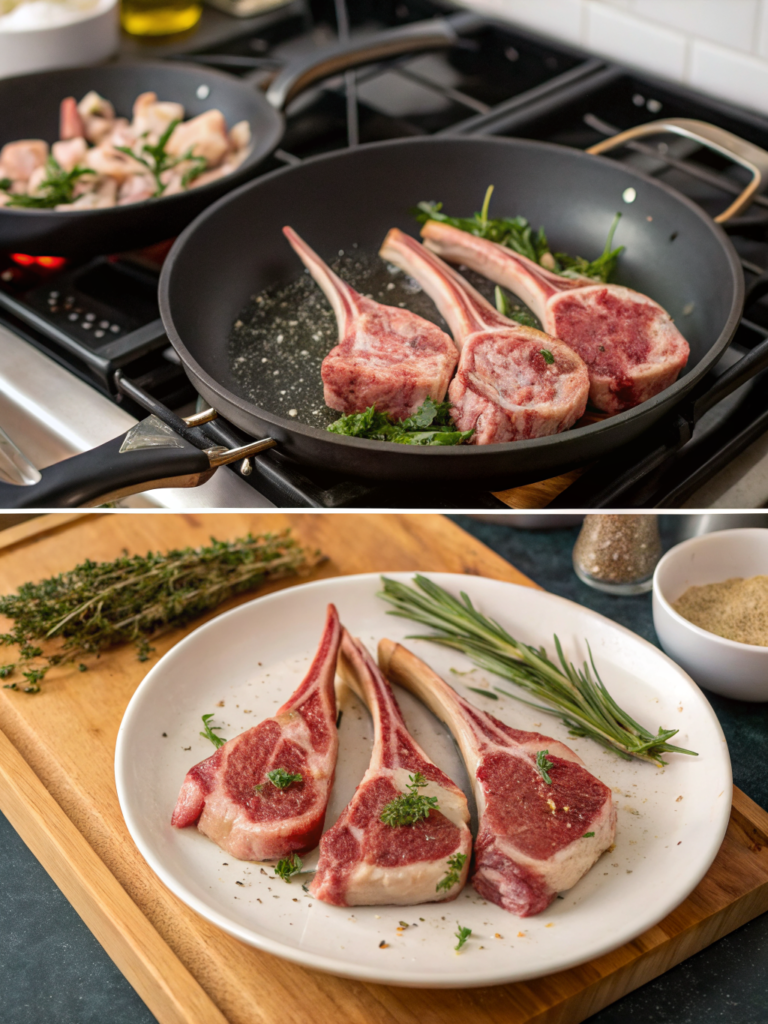
Heat olive oil in a large Dutch oven or heavy-bottomed roasting pan over medium-high heat until shimmering. Carefully place the lamb shoulder in the pan, fat side down first.
Sear each side for 4-5 minutes until deeply golden brown. This Maillard reaction creates complex flavors and an appealing crust. Don’t move the meat too frequently—patience rewards you with better browning.
Once seared on all sides, remove the lamb and set aside on a plate. This step adds approximately 15-20 minutes but dramatically improves the final flavor profile.
Step 3: Build the Aromatic Base
In the same pan with the lamb drippings, add onions, carrots, and celery. Sauté for 5-7 minutes until vegetables begin softening and developing color. The fond (browned bits) from searing adds tremendous flavor.
Stir in tomato paste and cook for 2 minutes, allowing it to caramelize slightly. This deepens the color and concentrates the tomato flavor, adding richness to your sauce.
Add remaining garlic, thyme, and bay leaves. Stir constantly for 30-60 seconds until fragrant. Be careful not to burn the garlic at this stage.
Step 4: Deglaze and Create the Braising Liquid
Pour in the red wine, using a wooden spoon to scrape up all the flavorful browned bits from the pan bottom. This deglazing process captures every bit of flavor developed during searing.
Bring the wine to a simmer and let it reduce by half, approximately 5-7 minutes. This concentrates the wine’s flavor and cooks off harsh alcohol notes while retaining complexity.
Add the stock and bring the entire mixture to a gentle simmer. Taste and adjust seasoning if needed, though remember the liquid will reduce and concentrate during cooking.
Step 5: Slow Cook to Perfection
Return the seared lamb shoulder to the pan, nestling it among the vegetables. The liquid should come about halfway up the sides of the meat—add more stock if necessary.
Cover the pan tightly with a lid or heavy-duty aluminum foil. Transfer to a preheated 325°F (163°C) oven. This moderate temperature allows gentle, even cooking that breaks down tough connective tissue without drying the meat.
Cook for 3.5-4 hours, basting every hour with the pan juices. The lamb is ready when a fork inserted into the thickest part twists easily and the meat pulls apart with minimal resistance.
Step 6: Rest and Serve
Carefully remove the lamb from the oven and transfer it to a cutting board. Tent loosely with foil and rest for 15-20 minutes. This resting period is non-negotiable for juicy results.
Meanwhile, strain the cooking liquid through a fine-mesh sieve, pressing on the vegetables to extract maximum flavor. Skim excess fat from the surface or use a fat separator.
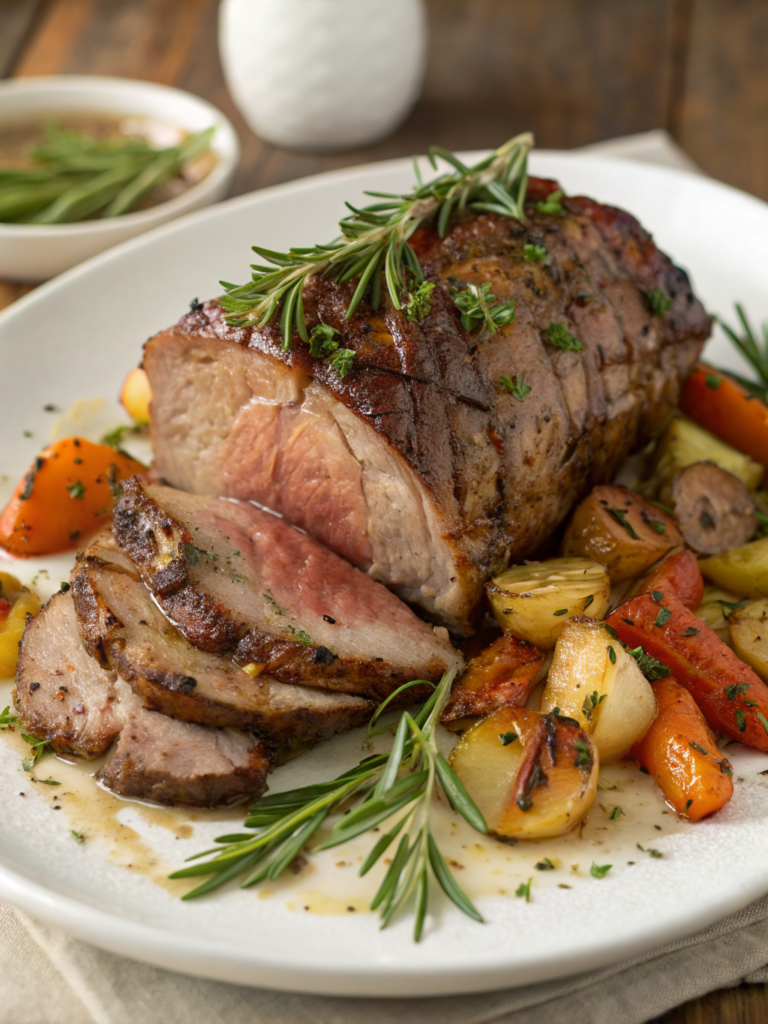
Return the strained liquid to the stove and simmer until reduced to your desired consistency, creating a luscious sauce. Carve or pull the lamb into serving portions and drizzle generously with the sauce.
Nutritional Information
Understanding the nutritional profile of lamb shoulder recipes helps you make informed dietary choices. Per 6-ounce serving of cooked lamb shoulder with vegetables and sauce:
Calories: 385-420 calories, depending on fat trimming. This represents approximately 19-21% of a 2,000-calorie daily diet, making it a substantial but reasonable main course.
Protein: 38-42 grams. Lamb shoulder provides high-quality complete protein with all essential amino acids, supporting muscle maintenance and satiety. This amount covers roughly 76-84% of the recommended daily protein intake for average adults.
Fat: 22-26 grams total fat, with 8-10 grams saturated fat. While higher in fat than some cuts, lamb shoulder contains beneficial conjugated linoleic acid (CLA) and omega-3 fatty acids, particularly in grass-fed varieties.
Carbohydrates: 8-12 grams, primarily from vegetables and wine reduction. The natural sugars from carrots and onions contribute minimal impact on blood sugar when paired with protein and fat.
Vitamins and Minerals: Lamb shoulder excels as a source of vitamin B12 (120% DV), zinc (45% DV), selenium (40% DV), niacin (35% DV), and iron (25% DV). These nutrients support immune function, energy metabolism, and cognitive health.
The vegetables add fiber, antioxidants, and additional vitamins A and C. One serving provides approximately 3-4 grams of dietary fiber, contributing to digestive health and satiety.
Healthier Alternatives for the Recipe
Adapting traditional recipes for health-conscious diners doesn’t mean sacrificing flavor. These modifications maintain the essence of classic lamb shoulder while addressing various dietary concerns.
Reduce Fat Content: Trim visible fat more aggressively before cooking, removing the thick fat cap to reduce overall calories by 80-100 per serving. After cooking, refrigerate the sauce overnight, allowing fat to solidify on top for easy removal.
Increase Vegetable Ratio: Double the vegetables to create more volume with fewer calories. Add parsnips, turnips, or fennel for variety and additional fiber. This modification increases nutrient density while reducing the meat-to-vegetable ratio.
Alcohol-Free Version: Replace wine entirely with additional stock plus 2 tablespoons balsamic vinegar for acidity and depth. This eliminates alcohol while maintaining complex flavor profiles suitable for all dietary preferences.
Lower Sodium Option: Use low-sodium stock and reduce added salt by half. Compensate with additional herbs, lemon zest, and a splash of lemon juice at serving time. Fresh herbs provide flavor complexity without sodium.
Keto-Friendly Adaptation: Eliminate carrots and reduce onions, replacing them with low-carb vegetables like celery root, radishes, and mushrooms. This modification reduces carbohydrates to 3-4 grams per serving while maintaining satisfying volume.
Paleo Compliance: This recipe is naturally paleo-friendly. Simply ensure your stock contains no additives and use ghee instead of olive oil for searing if preferred.
Serving Suggestions
Presentation and accompaniments elevate good lamb shoulder to memorable dining experiences. These serving suggestions complement the rich, savory flavors while adding textural contrast and visual appeal.
Classic Accompaniments: Serve over creamy mashed potatoes, polenta, or cauliflower mash for low-carb options. The starchy base soaks up the flavorful sauce beautifully, ensuring no drop goes to waste.
Grain Options: Pearl couscous, farro, or wild rice pilaf provide nutty flavors and interesting textures that pair wonderfully with lamb. These whole grains add nutritional value and create a more complete meal.
Fresh Vegetable Sides: Balance the richness with bright, crisp sides like roasted Brussels sprouts with lemon, sautéed green beans with almonds, or a simple arugula salad with shaved Parmesan and lemon vinaigrette.
Mediterranean Style: Serve with warm pita bread, tzatziki sauce, and a cucumber-tomato salad for a Greek-inspired presentation. Add crumbled feta and Kalamata olives for authentic Mediterranean flair.
Family-Style Presentation: Place the whole lamb shoulder on a large wooden board surrounded by roasted vegetables. Let guests pull portions themselves for an interactive, rustic dining experience that encourages conversation.
Elegant Plating: For formal dinners, slice the lamb thinly and fan it across warmed plates. Arrange roasted vegetables artfully, drizzle with reduced sauce, and garnish with fresh herb sprigs and microgreens.
Leftover Transformation: Shred remaining lamb for tacos, sandwiches, shepherd’s pie, or pasta dishes. The versatility of cooked lamb shoulder extends its value far beyond the initial meal.
Common Mistakes to Avoid
Even experienced cooks encounter challenges with lamb shoulder. Recognizing these common pitfalls helps you achieve consistent, restaurant-quality results every time.
- Skipping the Searing Step: Many home cooks skip searing to save time, but this eliminates crucial flavor development. The caramelized crust and fond create depth that cannot be replicated through slow cooking alone. This step is worth the extra 20 minutes.
- Cooking at Too High Temperature: Rushing the process with high heat (above 350°F) causes exterior meat to dry out before interior connective tissue breaks down properly. Low and slow is non-negotiable for tender results.
- Insufficient Seasoning
Did You Try Our Recipes?
There are no reviews yet. Be the first one to write one.