How to Cook Beef Shank: A Step-by-Step Guide
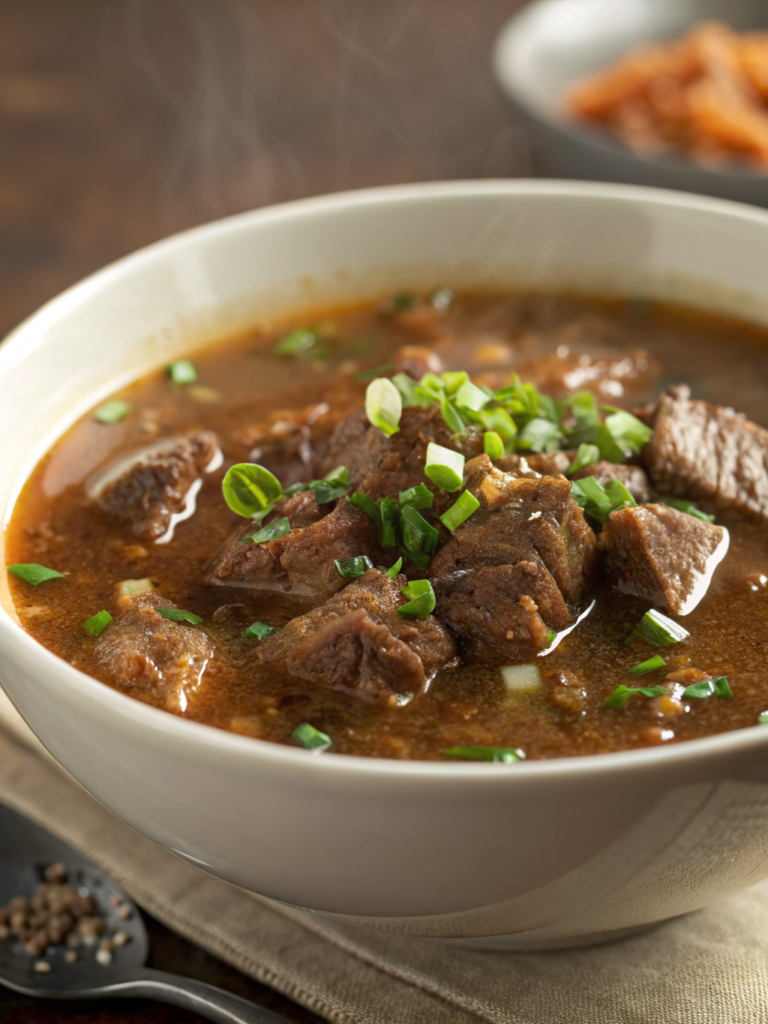
Have you ever wondered why beef shank, one of the most flavorful and affordable cuts of meat, often gets overlooked in home kitchens? This underrated cut transforms into melt-in-your-mouth tenderness when cooked properly, delivering restaurant-quality results at a fraction of the cost. Learning How to Cook Beef Shank opens up a world of rich, hearty meals that will impress your family and guests alike.
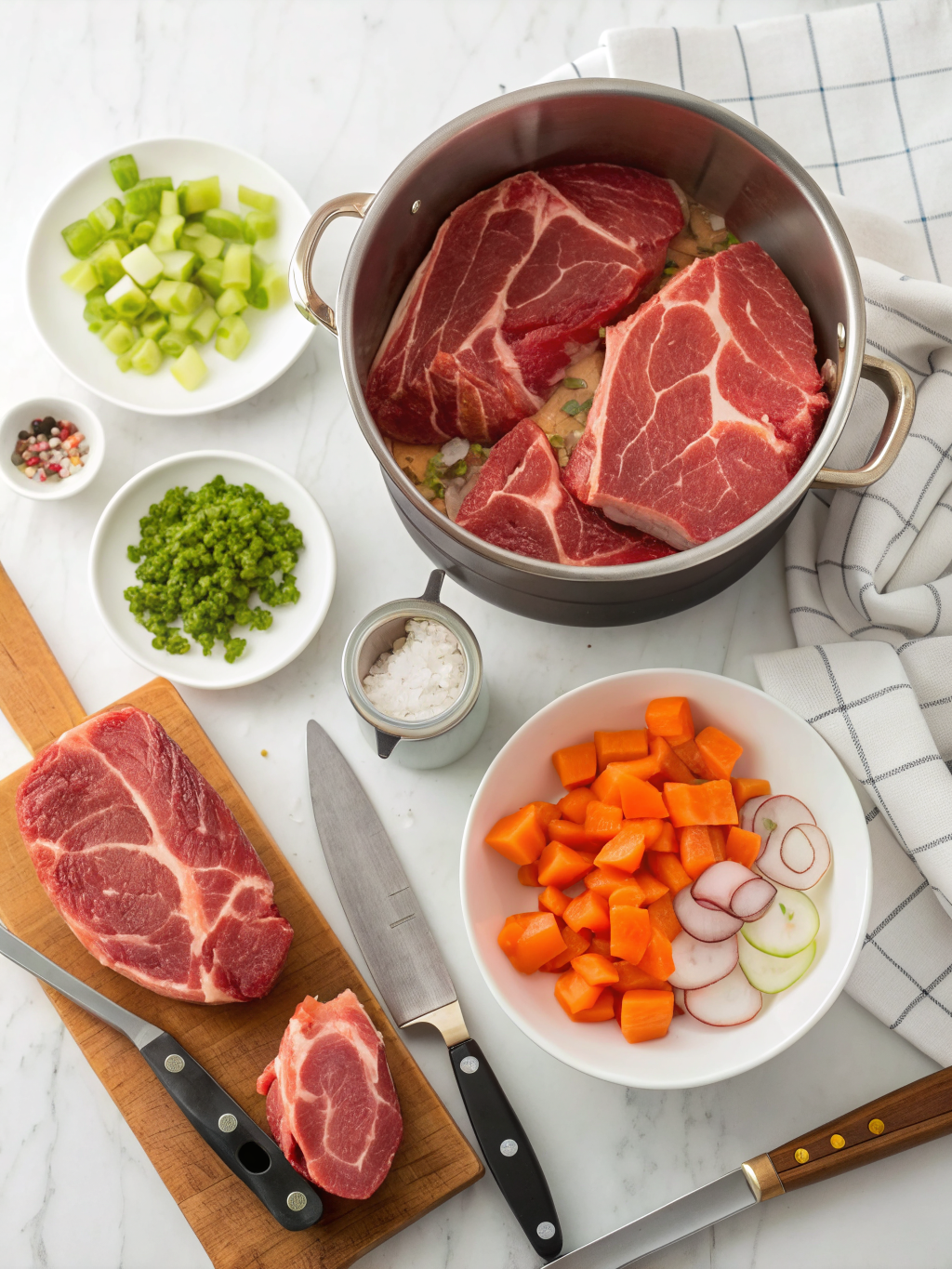
Beef shank comes from the leg portion of the cow, packed with connective tissue and marrow that breaks down during slow cooking to create an incredibly rich, gelatinous sauce. This guide will walk you through everything you need to know about preparing this magnificent cut, from selecting the right ingredients to achieving perfect tenderness every time.
Ingredients List
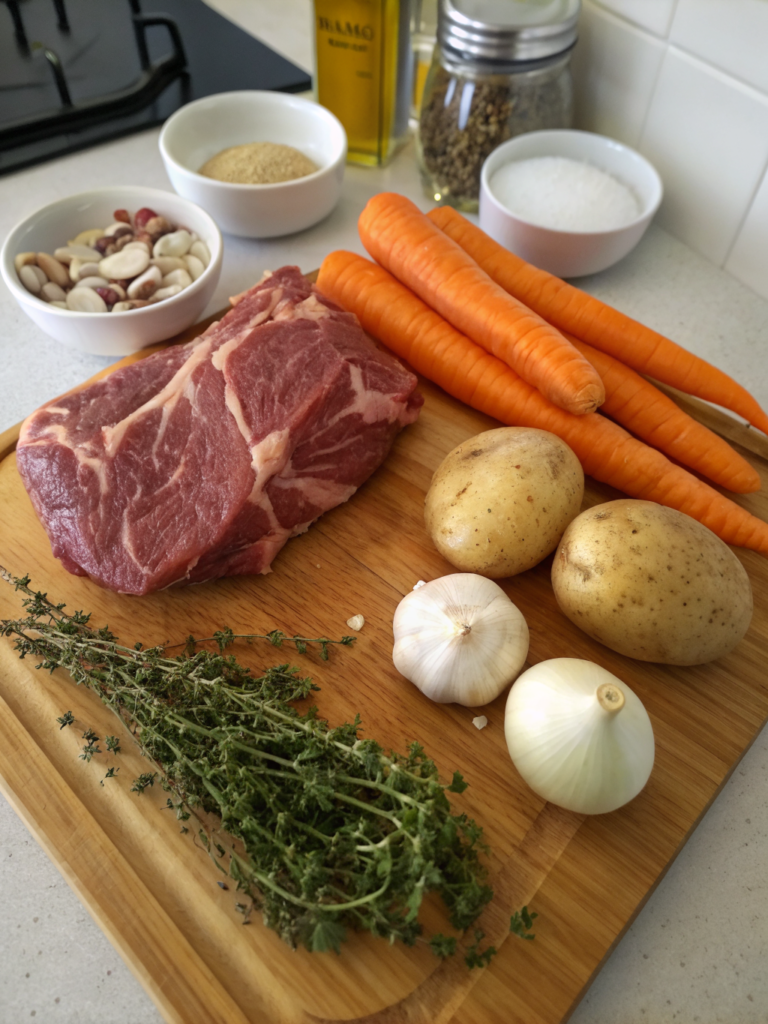
Gathering quality ingredients is the foundation of any exceptional dish. For this beef shank recipe, you’ll need ingredients that complement the meat’s robust flavor while helping break down its tough fibers.
- 4 beef shanks (approximately 2-3 pounds total, cut 2 inches thick) – Look for pieces with visible marrow in the center
- 2 tablespoons olive oil – Can substitute with vegetable oil or clarified butter
- 1 large onion, diced – Yellow or white onions work best for their sweetness
- 3 carrots, peeled and chopped – Adds natural sweetness and color
- 3 celery stalks, chopped – Provides aromatic depth
- 6 garlic cloves, minced – Fresh garlic is essential for maximum flavor
- 2 cups red wine – A full-bodied Cabernet Sauvignon or Merlot works perfectly; substitute with beef broth if preferred
- 3 cups beef stock – Homemade or quality store-bought
- 2 tablespoons tomato paste – Adds umami and helps thicken the sauce
- 2 bay leaves – For earthy, herbal notes
- 4 sprigs fresh thyme – Or 1 teaspoon dried thyme
- 2 sprigs fresh rosemary – Or ½ teaspoon dried rosemary
- Salt and black pepper to taste – Kosher salt recommended
- 2 tablespoons all-purpose flour – For dredging; can use gluten-free flour
Timing
Understanding the time commitment helps you plan your cooking schedule effectively. This recipe requires patience, but the hands-on time is minimal compared to the spectacular results you’ll achieve.
Preparation Time: 20 minutes – This includes chopping vegetables, preparing the meat, and gathering ingredients.
Cooking Time: 2 hours 30 minutes to 3 hours – The slow braising process ensures fork-tender meat that falls off the bone.
Total Time: Approximately 3 hours – This represents roughly 25% less time than traditional osso buco recipes while delivering comparable tenderness and flavor depth.
The extended cooking time allows collagen in the connective tissue to transform into gelatin, creating that signature silky texture. While this isn’t a quick weeknight meal, the active cooking time is only about 30 minutes, making it perfect for lazy weekend cooking.
Step-by-Step Instructions
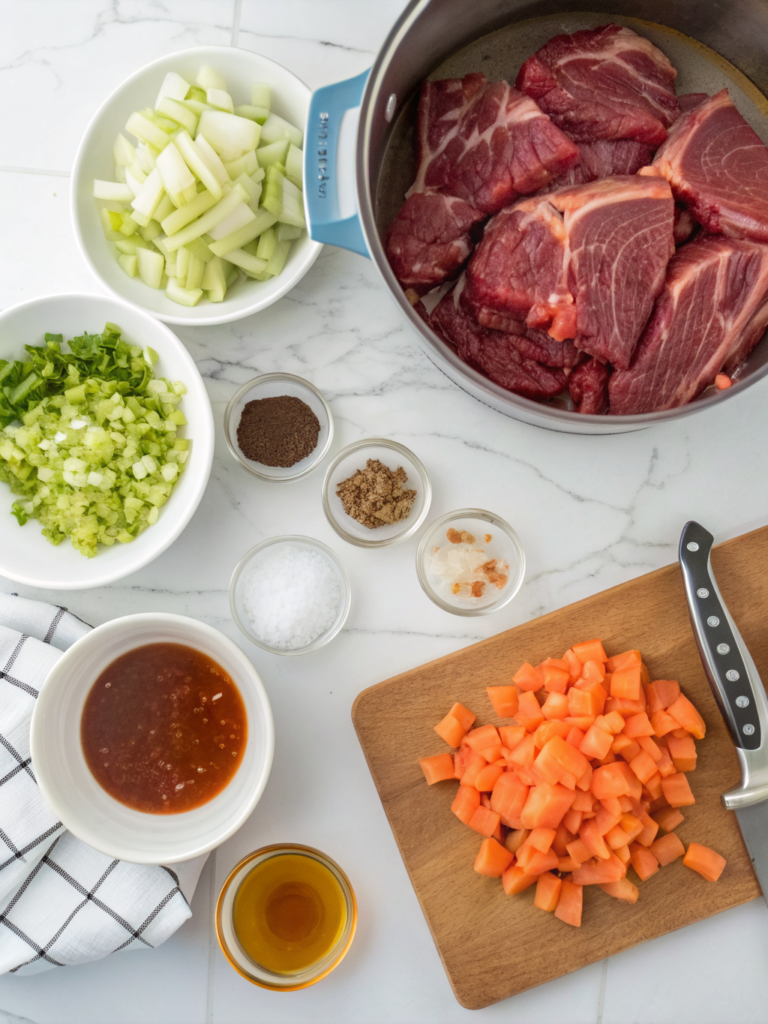
Following these detailed steps ensures your beef shanks turn out perfectly tender with a rich, flavorful sauce that showcases why this cut deserves more attention in home cooking.
Step 1: Prepare and Season the Beef Shanks
Remove the beef shanks from refrigeration 30 minutes before cooking to bring them to room temperature. This ensures even cooking throughout. Pat them completely dry using paper towels, as moisture prevents proper browning.
Season both sides generously with salt and black pepper, then lightly dredge in flour, shaking off any excess. The flour creates a beautiful crust and helps thicken your braising liquid later.
Step 2: Sear the Meat for Maximum Flavor
Heat olive oil in a large Dutch oven or heavy-bottomed pot over medium-high heat until shimmering. Carefully place the beef shanks in the pot without crowding—work in batches if necessary.
Sear each side for 4-5 minutes until a deep golden-brown crust forms. This Maillard reaction creates complex flavors that define the entire dish. Resist the urge to move the meat too soon; let it develop that gorgeous caramelization.
Transfer the seared shanks to a plate and set aside. Don’t worry if they’re not cooked through; they’ll finish during braising.
Step 3: Build Your Aromatic Base
Reduce heat to medium and add the diced onions to the same pot, using the residual oil and meat drippings. Sauté for 5-6 minutes until softened and translucent, scraping up the flavorful brown bits from the bottom.
Add carrots and celery, cooking for another 4-5 minutes until they begin to soften. Stir in the minced garlic and cook for 1 minute until fragrant but not burned.
Add tomato paste and stir continuously for 2 minutes. This step caramelizes the paste, removing any raw flavor and adding depth to your sauce.
Step 4: Deglaze and Add Liquids
Pour in the red wine, using a wooden spoon to scrape every bit of fond (those delicious browned bits) from the pot’s bottom. This process, called deglazing, captures concentrated flavor that would otherwise be wasted.
Let the wine simmer for 3-4 minutes to cook off the alcohol and reduce slightly. Add the beef stock, bay leaves, thyme, and rosemary, stirring to combine all ingredients thoroughly.
Step 5: Braise the Beef Shanks to Perfection
Return the seared beef shanks to the pot, nestling them into the liquid. The braising liquid should come about halfway up the sides of the meat—add more stock if needed.
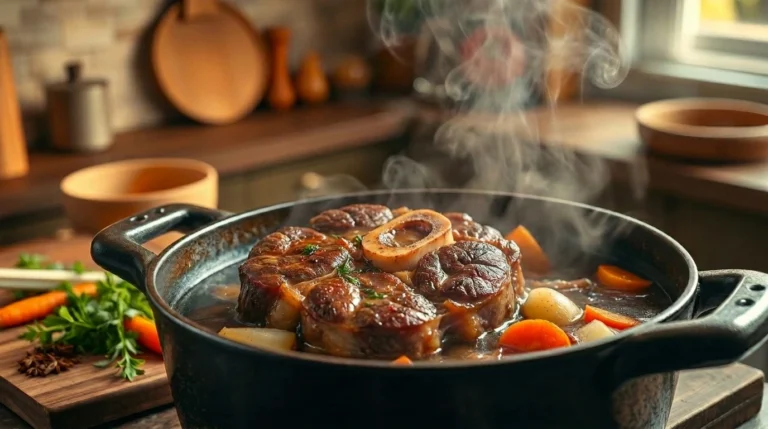
Bring the mixture to a gentle simmer, then cover the pot with a tight-fitting lid. Reduce heat to low and maintain a very gentle simmer. You should see only occasional bubbles breaking the surface.
Braise for 2.5 to 3 hours, turning the shanks every 45 minutes to ensure even cooking. The meat is done when it’s fork-tender and nearly falling off the bone.
Step 6: Finish and Serve
Carefully transfer the beef shanks to a serving platter and tent with foil to keep warm. Strain the braising liquid through a fine-mesh sieve, discarding the solids, and return the liquid to the pot.
Simmer the sauce over medium-high heat for 10-15 minutes until it reduces and thickens to your desired consistency. Taste and adjust seasoning with salt and pepper as needed.
Pour the luscious sauce over the beef shanks and serve immediately while piping hot. The marrow in the center bone is a delicacy—encourage your guests to scoop it out and spread it on crusty bread.
Nutritional Information
Understanding the nutritional profile of How to Cook Beef Shank helps you make informed dietary choices while enjoying this hearty meal. One serving (approximately one beef shank with sauce) provides substantial nutrition.
Per Serving (based on 4 servings):
Calories: 485 | Protein: 52g | Fat: 18g | Saturated Fat: 6g | Carbohydrates: 12g | Fiber: 2g | Sugar: 5g | Cholesterol: 145mg | Sodium: 680mg | Potassium: 890mg | Iron: 4.8mg
Beef shank is remarkably protein-dense, providing over 100% of the daily recommended protein intake for most adults. It’s also an excellent source of iron, delivering approximately 27% of your daily needs, which supports healthy blood cell production and energy metabolism.
The collagen-rich connective tissue provides amino acids like glycine and proline, which support joint health, skin elasticity, and gut lining integrity. Research suggests that bone broth and braised meats containing dissolved collagen may reduce joint pain and improve skin hydration by up to 15%.
While the fat content is moderate, much of it comes from heart-healthy monounsaturated fats. The marrow contains omega-3 fatty acids and conjugated linoleic acid (CLA), which have been associated with reduced inflammation and improved metabolic health.
Healthier Alternatives for the Recipe
You can modify this recipe to align with various dietary preferences without sacrificing the rich, comforting flavors that make braised beef shank so appealing.
Reduce Sodium: Use low-sodium beef stock and limit added salt. The wine and vegetables provide natural flavor depth that compensates for reduced salt. This modification can decrease sodium content by approximately 40%.
Lower Calorie Option: Prepare the dish a day ahead and refrigerate overnight. The fat will solidify on top, making it easy to remove before reheating. This simple step can reduce fat content by 30-35% without affecting texture or taste.
Increase Vegetables: Double the carrots, celery, and add mushrooms, parsnips, or turnips. This boosts fiber content while adding vitamins and minerals. The additional vegetables also help stretch the recipe to serve more people economically.
Alcohol-Free Version: Replace red wine with an equal amount of beef stock plus 2 tablespoons of balsamic vinegar for acidity. This maintains the sauce’s complexity while making it suitable for those avoiding alcohol.
Gluten-Free Adaptation: Simply substitute the all-purpose flour with your preferred gluten-free flour blend, rice flour, or cornstarch. The cooking method remains identical with no compromise in results.
Add Whole Grains: Serve over farro, barley, or quinoa instead of traditional mashed potatoes to increase fiber intake and add nutty flavors that complement the rich sauce beautifully.
Serving Suggestions
The versatility of braised beef shank makes it adaptable to various serving styles, from casual family dinners to elegant entertaining. The key is pairing it with sides that complement its rich, savory character.
Classic Comfort: Serve over creamy mashed potatoes or buttery polenta that soaks up every drop of the magnificent sauce. Add a side of roasted Brussels sprouts or green beans for color and textural contrast.
Italian-Inspired: Present it alongside saffron risotto Milanese, the traditional accompaniment to osso buco. Garnish with gremolata (a mixture of lemon zest, garlic, and parsley) for a bright, fresh counterpoint to the rich meat.
Rustic French Style: Pair with crusty artisan bread for soaking up sauce, roasted root vegetables, and a simple arugula salad dressed with lemon vinaigrette. A glass of the same red wine used in cooking completes the experience.
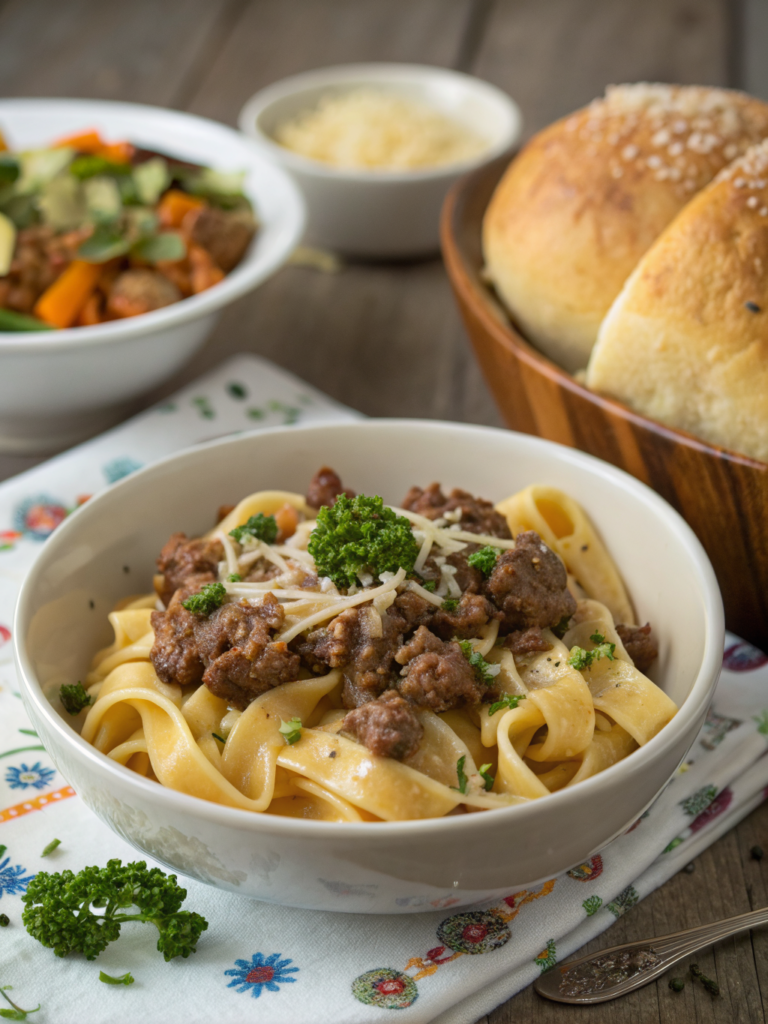
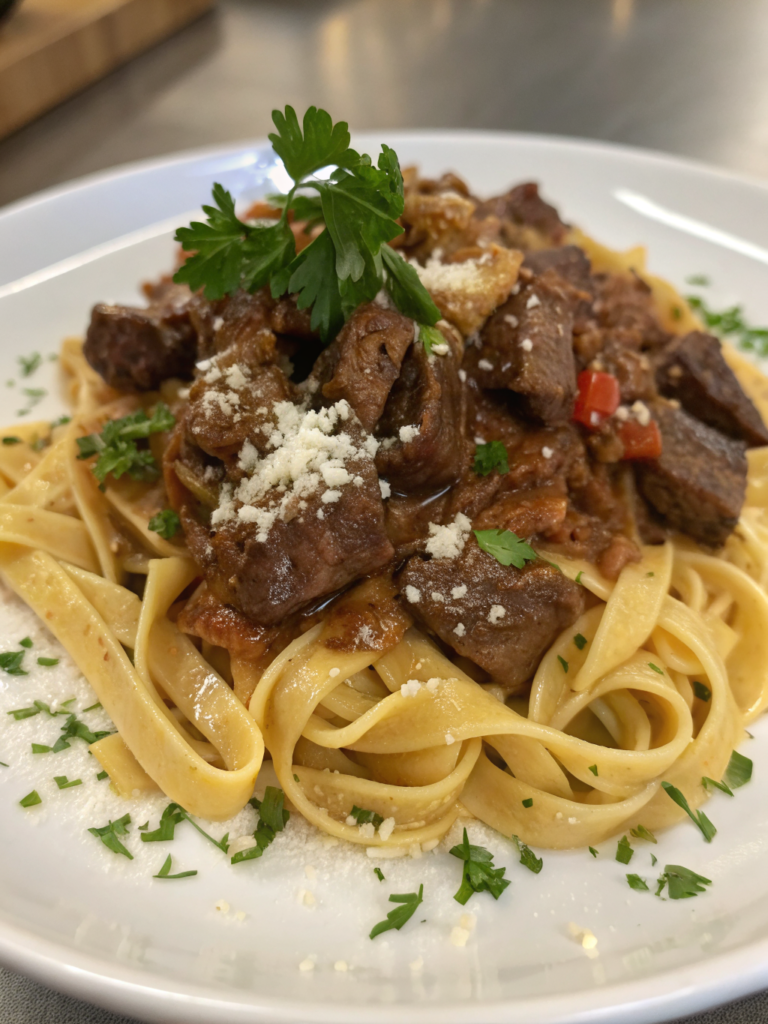
Modern Presentation: Shred the tender meat off the bone and serve over pappardelle pasta or creamy grits. Top with fresh herbs and a drizzle of high-quality olive oil for restaurant-quality plating.
Meal Prep Option: Portion the beef and sauce into individual containers with your choice of grain or vegetables. This reheats beautifully for convenient, gourmet weekday lunches that taste even better after the flavors meld overnight.
Wine Pairing: A full-bodied red wine like Barolo, Brunello, or Cabernet Sauvignon mirrors the dish’s intensity. For white wine lovers, try an aged white Burgundy with enough body to stand up to the rich flavors.
Common Mistakes to Avoid
Even experienced cooks can encounter challenges when learning How to Cook Beef Shank. Avoiding these common pitfalls ensures consistent success every time you prepare this dish.
- Skipping the Searing Step: Some cooks skip searing to save time, but this eliminates the Maillard reaction that creates depth of flavor. Proper browning contributes up to 40% of the dish’s final taste complexity. Always sear thoroughly for best results.
- Cooking at Too High Temperature: Braising requires gentle, low heat. Boiling or simmering too vigorously makes the meat tough and stringy instead of tender. Maintain barely a simmer—you should see only occasional bubbles breaking the surface.
- Not Using Enough Liquid: The shanks should be at least halfway submerged throughout cooking. As liquid evaporates, the exposed meat dries out and toughens. Check periodically and add more stock if needed.
- Rushing the Process: Collagen needs time to break down into gelatin. Trying to speed up cooking by raising the temperature produces chewy, disappointing results. Patience is essential—there’s no shortcut to proper braising.
- Overcrowding the Pan: When searing, leave space between pieces. Overcrowding causes steaming instead of browning, preventing crust formation. Work in batches if your pot isn’t large enough to accommodate all shanks with spacing.
- Using Poor Quality Wine: The “cooking wine” rule applies: if you wouldn’t drink it, don’t cook with it. Off-flavors concentrate during reduction. Choose a decent wine you’d enjoy drinking for the best sauce flavor.
- Forgetting to Skim: During braising, impurities rise to the surface as foam and fat. Skimming these off periodically results in a cleaner-tasting, more refined sauce with better clarity and mouthfeel.
FAQ
What is beef shank, and why should I cook it?
What ingredients do I need for a beef shank recipe?
How do I prepare my beef shank before cooking?
What are the best cooking methods for beef shank?
Can you provide a step-by-step guide for braising beef shank?
What is a simple slow cooker beef shank recipe?
How do I properly prepare my oven for braising beef shank?
What are some good side dishes to serve with beef shank?
What common mistakes should I avoid when cooking beef shank?
How can I take my beef shank cooking to the next level?
Did You Try Our Recipes?
There are no reviews yet. Be the first one to write one.