Ahi Tuna Recipes
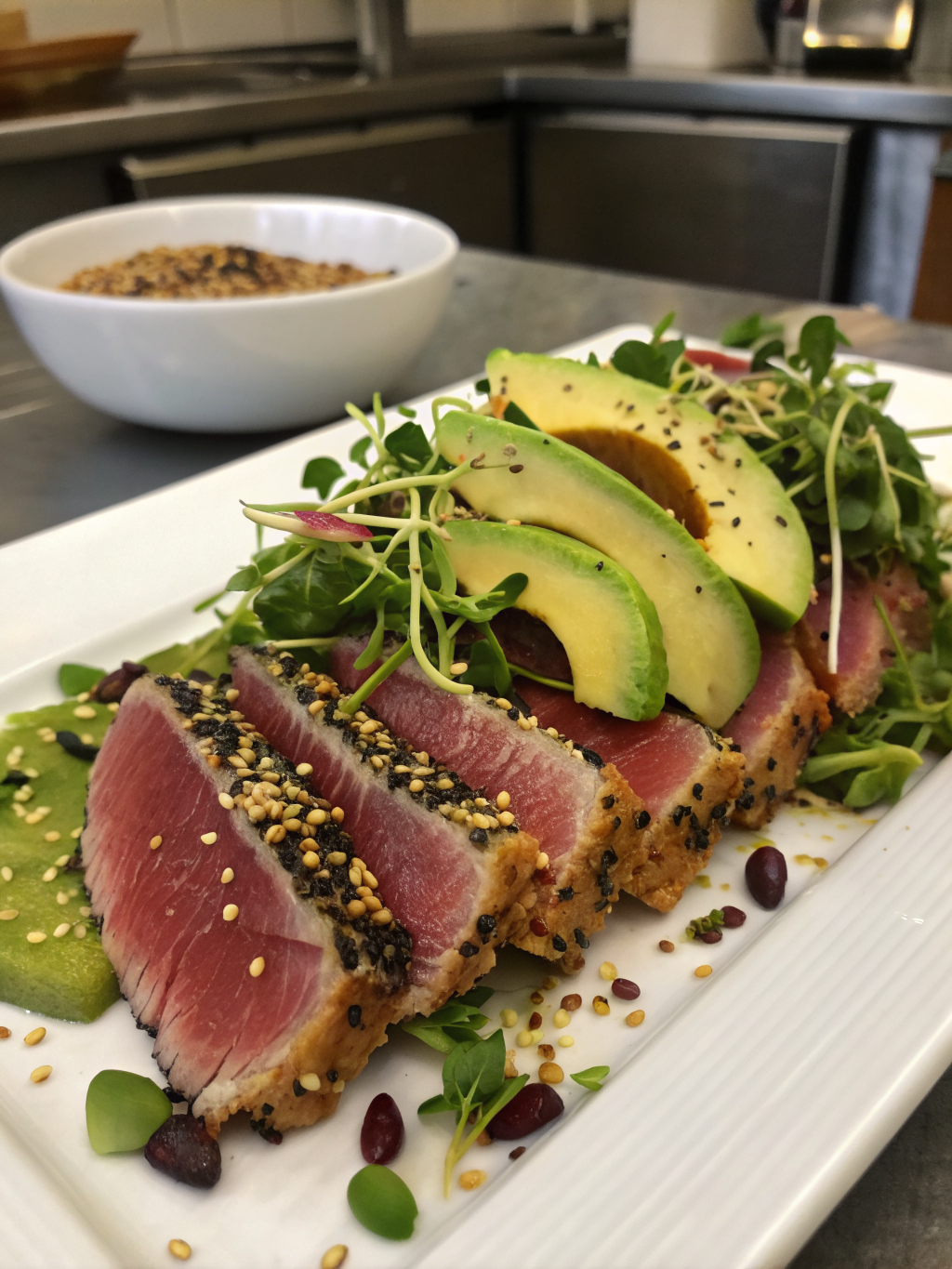
These ahi tuna recipes deliver a genuinely restaurant-quality sesame crust with a tender, rare-seared center, ready in about 35 minutes.
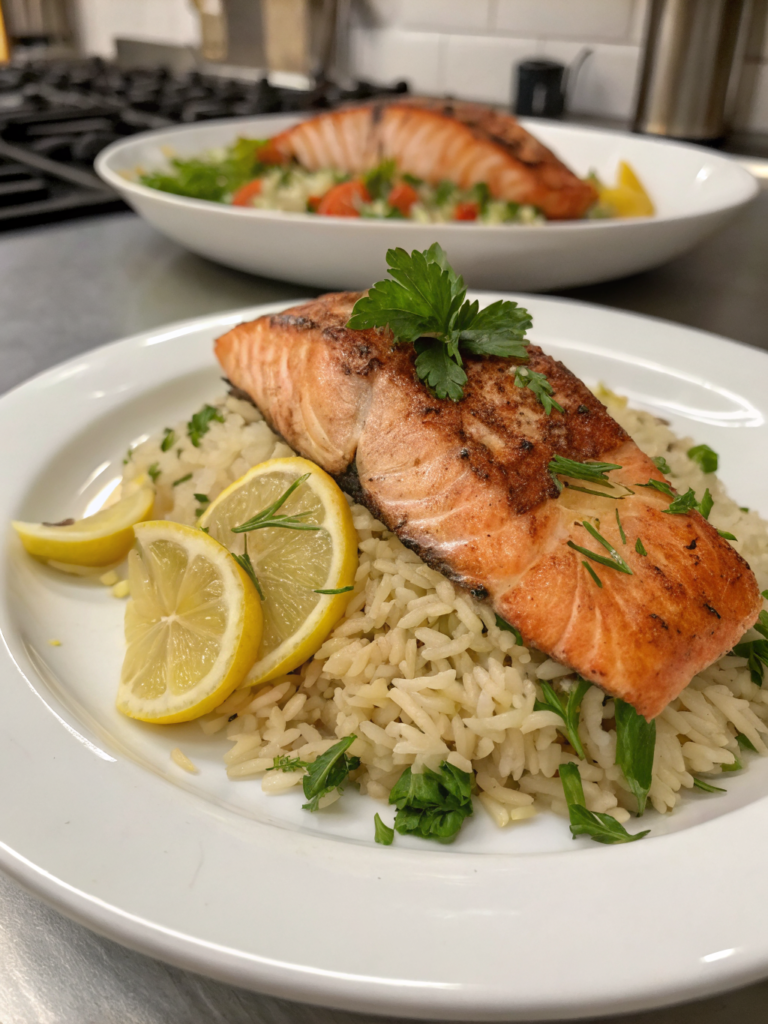
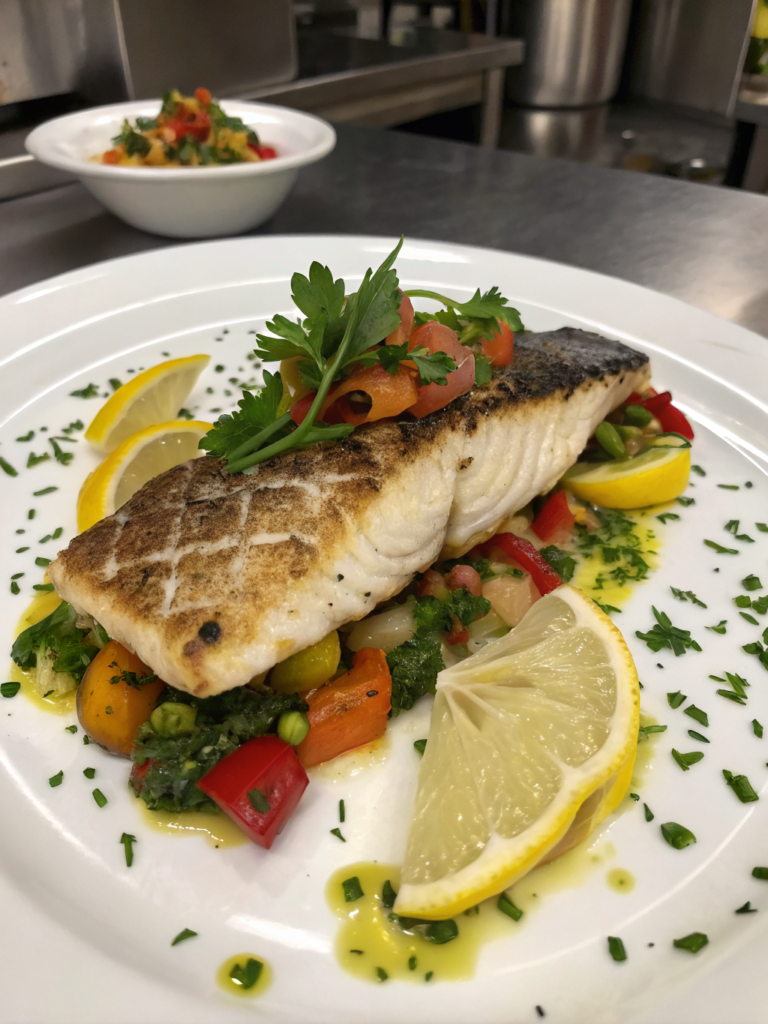
Try my Pan Fried Salmon or Mahi Mahi Recipe next for more quick seared fish ideas!
Have you ever wondered why restaurant-quality seared tuna seems impossible to recreate at home, yet it’s actually one of the simplest dishes to master? The secret lies in understanding the delicate balance between high heat and precise timing. If you’re searching for ahi tuna recipes that deliver restaurant-worthy results, you’ve come to the right place. This comprehensive guide will transform your approach to cooking this premium fish.
Ahi tuna, also known as yellowfin tuna, offers a buttery texture and mild flavor that makes it incredibly versatile. Whether you’re planning an elegant dinner party or a quick weeknight meal, these recipes will elevate your culinary repertoire and impress even the most discerning palates.
Ingredients List
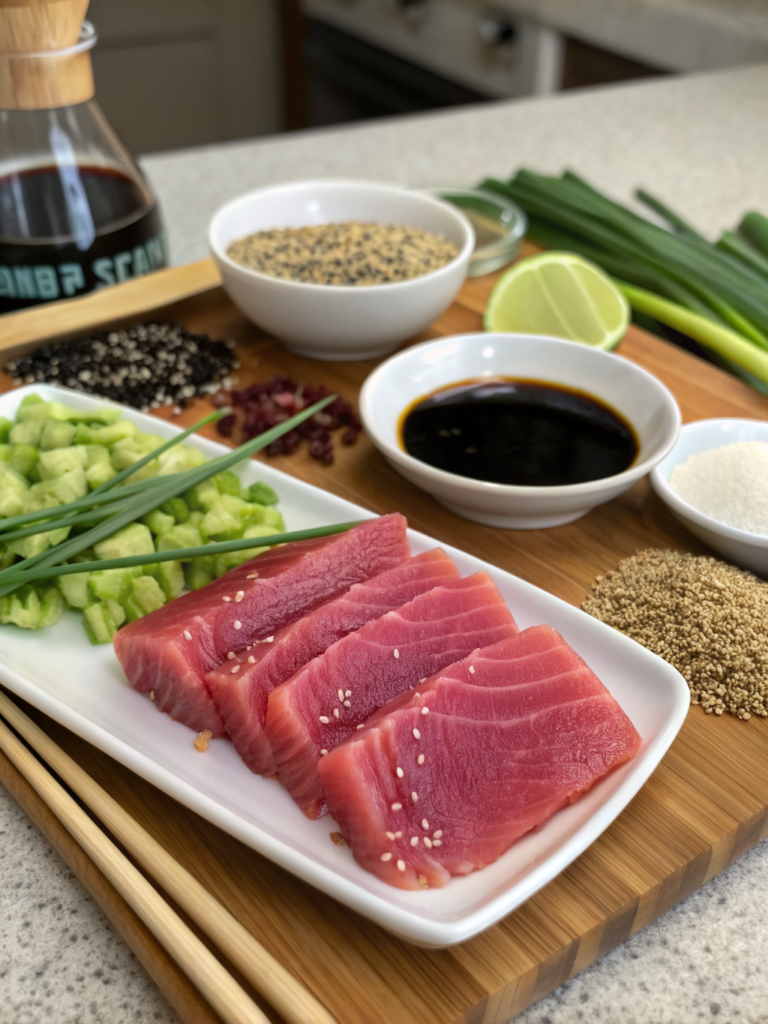
For the perfect seared ahi tuna dish, you’ll need high-quality ingredients that complement rather than overpower the fish’s natural flavor. Here’s everything you’ll need to create a memorable meal:
How to Make It
This is just the overview for these ahi tuna recipes. Scroll down to the recipe card for exact measurements and timing.
Marinate the tuna briefly, press into a sesame seed crust, then sear hard and fast in a screaming-hot pan, just a couple minutes per side, so the outside is crusty and the inside stays rare.
Make Ahead Method
- The marinade for these ahi tuna recipes can be made up to 3 days ahead and kept refrigerated in a sealed jar.
- Prep the sesame coating and garnishes in advance, but sear the tuna just before serving since it genuinely only takes minutes.
- This dish is best eaten fresh, reheating rare-seared tuna is not recommended, since it overcooks the delicate interior.
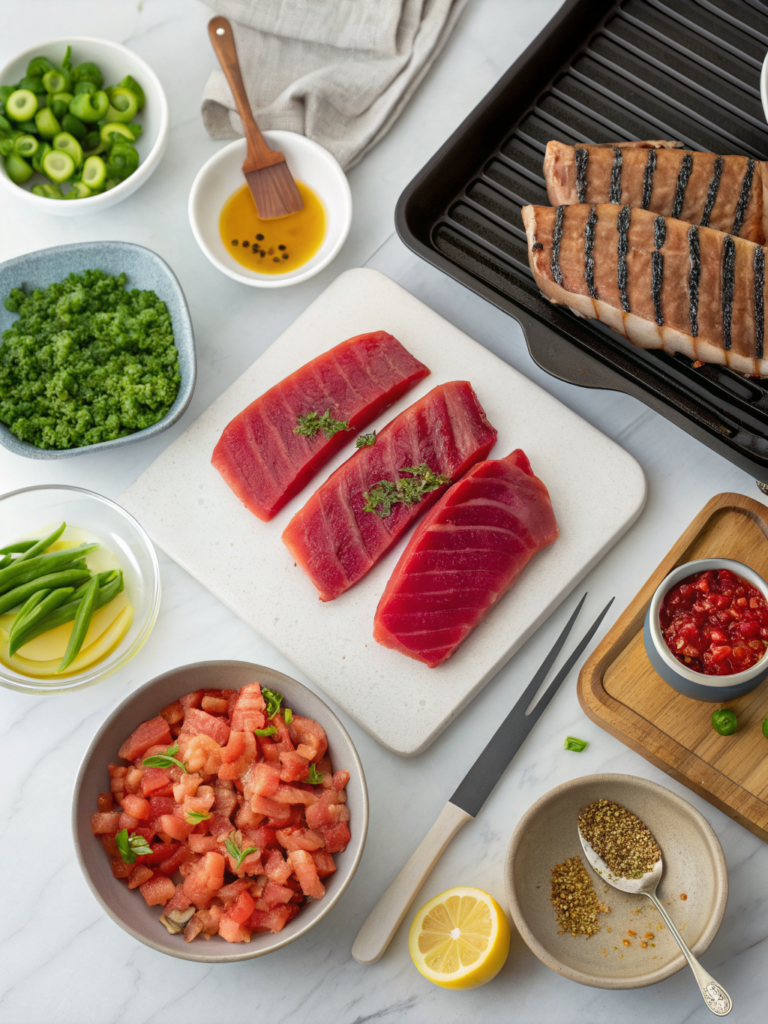
Sesame Seared Ahi Tuna
Course: SeafoodCuisine: Asian-inspiredDifficulty: Easy4
servings30
minutes40
minutes300
kcalSesame-crusted ahi tuna, seared hard and fast for a crispy crust and rare, tender center.
Ingredients
2 ahi tuna steaks, 6-8 oz each, sushi-grade
2 tbsp black sesame seeds
2 tbsp white sesame seeds
3 tbsp soy sauce
1 tbsp fresh ginger, minced
2 garlic cloves, minced
2 tsp sesame oil
1 tbsp rice vinegar
1 tsp honey
3 green onions, thinly sliced
2 tbsp high-heat cooking oil, avocado or grapeseed
Directions
- Make the marinade. Whisk together soy sauce, ginger, garlic, sesame oil, rice vinegar, and honey. Reserve 2 tablespoons for drizzling later.
- Marinate briefly. Pat tuna completely dry, then marinate at room temperature no more than 15 minutes to avoid the acid cooking the exterior.
- Apply the crust. Mix sesame seeds on a plate. Remove tuna from marinade and press each flat side firmly into the seeds.
- Heat the pan. Heat a heavy skillet over high heat with cooking oil until it just begins to smoke, 3-4 minutes.
- Sear. Sear undisturbed 2 minutes per side for rare, or up to 3 minutes per side for medium.
- Rest and slice. Rest 5 minutes, then slice against the grain with a sharp knife and drizzle with reserved marinade.
Notes
- Use only sushi-grade or sashimi-grade tuna for these ahi tuna recipes, since the center stays rare. Do not over-marinate, the acid in the marinade can start to cook the fish’s exterior if left too long.
The USDA recommends cooking fish to a minimum internal temperature of 145°F for food safety. Ahi tuna is commonly served rare or seared rare in the center, which falls below this guideline, so using sushi-grade or sashimi-grade fish from a reputable source genuinely matters for these ahi tuna recipes (USDA guidelines).
Nutritional Information
Ahi tuna stands out as a nutritional powerhouse among seafood options. A single 6-ounce serving delivers exceptional health benefits while remaining surprisingly lean and calorie-conscious.
Per serving (6 oz cooked ahi tuna with marinade):
Calories: 280
Protein: 42g
Total Fat: 11g
Saturated Fat: 2g
Omega-3 Fatty Acids: 1.5g
Carbohydrates: 4g
Fiber: 1g
Sugar: 2g
Sodium: 680mg
Cholesterol: 75mg
Ahi tuna provides over 80% of your daily protein needs in a single serving. It’s exceptionally rich in selenium, vitamin B12, and niacin. The omega-3 content supports heart health, brain function, and reduces inflammation throughout the body.
Compared to other protein sources, ahi tuna contains 35% more protein per calorie than chicken breast and 50% more than salmon. The selenium content reaches 200% of daily recommended values, supporting thyroid function and immune health.
Healthier Alternatives for the Recipe
While this recipe already offers impressive nutritional benefits, several modifications can enhance its health profile further or accommodate specific dietary requirements without sacrificing flavor.
Reduce sodium: Replace regular soy sauce with low-sodium versions, cutting sodium content by approximately 40%. Coconut aminos reduce it even further while adding subtle sweetness. You can also dilute soy sauce with water in a 1:1 ratio.
Boost omega-3s: Drizzle finished tuna with flaxseed oil or sprinkle ground flaxseeds alongside sesame seeds. This adds plant-based omega-3s that complement the fish’s EPA and DHA content beautifully.
Increase vegetables: Serve over a bed of spiralized zucchini, cauliflower rice, or mixed greens instead of traditional white rice. This adds fiber, vitamins, and minerals while reducing overall caloric density by 60%.
Sugar-free option: Eliminate honey entirely or substitute with stevia-based sweetener. The marinade remains balanced due to the natural sweetness from ginger and the umami from soy sauce.
Keto-friendly adaptation: This recipe naturally fits ketogenic requirements. Pair with avocado slices and seaweed salad for additional healthy fats while maintaining extremely low carbohydrate counts.
Serving Suggestions
The versatility of ahi tuna recipes allows for countless presentation styles, from casual weeknight dinners to sophisticated entertaining. Here are creative ways to serve your perfectly seared tuna.
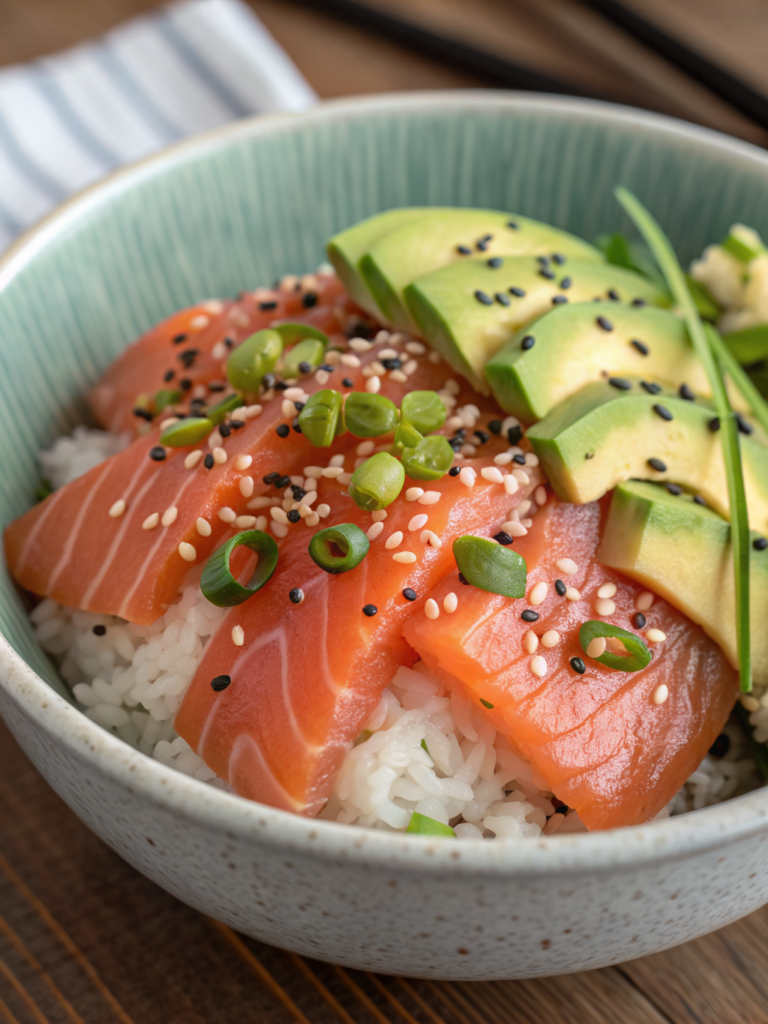
Poke bowl style: Dice seared tuna into cubes and arrange over sushi rice with edamame, cucumber, avocado, pickled ginger, and wasabi mayo. This Hawaiian-inspired presentation offers textural variety and vibrant colors that photograph beautifully.
Asian-fusion tacos: Slice tuna thinly and serve in butter lettuce cups or small flour tortillas with Asian slaw, sriracha mayo, and crispy wonton strips. This fusion approach appeals to diverse palates and creates interactive dining experiences.
Elegant plated dinner: Fan tuna slices over wasabi mashed potatoes or celery root purée, accompanied by sautéed bok choy and drizzled with ginger-soy reduction. This restaurant-quality presentation impresses dinner guests effortlessly.
Salad topper: Arrange warm tuna slices over mixed greens with mandarin oranges, crispy rice noodles, and sesame-ginger vinaigrette. The temperature contrast between warm fish and cool greens creates delightful sensory interest.
Sushi-style presentation: Serve tuna slices with pickled ginger, wasabi, soy sauce, and steamed edamame for a deconstructed sushi experience. Add cucumber sunomono salad for refreshing acidity that cuts through the fish’s richness.
Common Mistakes to Avoid
Even experienced home cooks encounter challenges when preparing ahi tuna. Understanding these common pitfalls helps ensure success every time you make ahi tuna recipes.
- Using low-quality tuna: Always purchase sushi-grade or sashimi-grade tuna from reputable fishmongers. Lower grades contain more connective tissue and may harbor parasites unsafe for rare preparation. Quality fish should smell ocean-fresh, never fishy.
- Overcooking the fish: Ahi tuna becomes dry and loses its buttery texture when cooked beyond medium-rare. The interior should remain translucent pink. Remember that carryover cooking continues after removal from heat.
- Inadequate pan temperature: Insufficient heat results in steaming rather than searing, preventing crust formation. The pan must be smoking-hot before adding fish. This is the single most critical factor for success.
- Moving the fish while searing: Resist the urge to peek or adjust. Let the tuna sit undisturbed for the full searing time. Movement prevents proper crust development and can cause sesame seeds to fall off.
- Skipping the rest period: Cutting immediately causes precious juices to run out onto the cutting board instead of staying in the fish. Five minutes of patience yields significantly juicier results.
- Over-marinating: Extended marinating times (beyond 30 minutes) begin chemically “cooking” the fish’s exterior, creating mushy texture. Brief marinating provides flavor without compromising structure.
- Using dull knives: Slicing seared tuna requires an extremely sharp knife. Dull blades tear the delicate flesh, creating ragged edges that look unprofessional and release moisture.
Storing Tips for the Recipe
Proper storage techniques preserve your ahi tuna’s quality and safety, though this fish truly shines when consumed immediately after preparation. Here’s how to handle leftovers and advance preparation effectively.
Refrigerating cooked tuna: Store leftover seared tuna in an airtight container for up to 2 days maximum. Place parchment paper between slices to prevent sticking. Consume cold in salads or poke bowls rather than reheating, which overcooks the fish.
Freezing considerations: While technically possible, freezing cooked ahi tuna significantly degrades texture quality. The delicate flesh becomes grainy and loses its signature buttery mouthfeel. If necessary, freeze for up to 1 month in vacuum-sealed bags.
Raw tuna storage: Keep raw ahi tuna in the coldest part of your refrigerator (typically the back of the bottom shelf) and use within 24 hours of purchase. Place on ice in a covered container for optimal freshness.
Marinade preparation: Make marinade up to 3 days ahead and refrigerate in a sealed jar. This actually improves flavor as ingredients meld together. Bring to room temperature before using for even coating.
Meal prep strategy: Prepare all components (marinade, sesame coating, garnishes) in advance, but sear the tuna just before serving. The actual cooking takes only minutes, ensuring optimal texture and temperature.
Safety considerations: Never leave raw or cooked tuna at room temperature for more than 2 hours, or 1 hour if the ambient temperature exceeds 90F, following standard USDA food safety guidance for perishable seafood.
Conclusion: A Restaurant Dish Made Simple
These ahi tuna recipes prove that a genuinely impressive dish does not require hours in the kitchen, just quality fish, a hot pan, and a few minutes of your attention. Once you get comfortable with the sear, this becomes a go-to for both weeknight dinners and entertaining.
Try it poke-bowl style, over greens, or simply sliced with the reserved marinade, this technique adapts easily to whatever you’re in the mood for.
FAQ
Is it safe to eat ahi tuna rare?
Yes, as long as you use sushi-grade or sashimi-grade tuna from a reputable source, which has been handled specifically for raw or rare consumption.
Can I cook ahi tuna to medium instead of rare?
Yes, simply increase the sear time to about 3 minutes per side, though the texture becomes firmer and less buttery than a rare center.
What if I cannot find sushi-grade tuna?
Only use fish explicitly labeled sushi-grade or sashimi-grade for rare preparations. If unavailable, cook the tuna through to at least 145F instead.
Can I substitute a different fish for these ahi tuna recipes?
Yellowtail or albacore work as substitutes, though cooking times may vary slightly depending on thickness.
Why did my sesame crust fall off during cooking?
This usually means the tuna was moved too early. Let it sear undisturbed for the full time so the crust can properly set.
Try These Next
Did You Try Our Recipes?
Best recipe ever
I love it, absolutely delicious