Perfect Temp for Cornmeal Fried Fish: A Complete Frying Guide
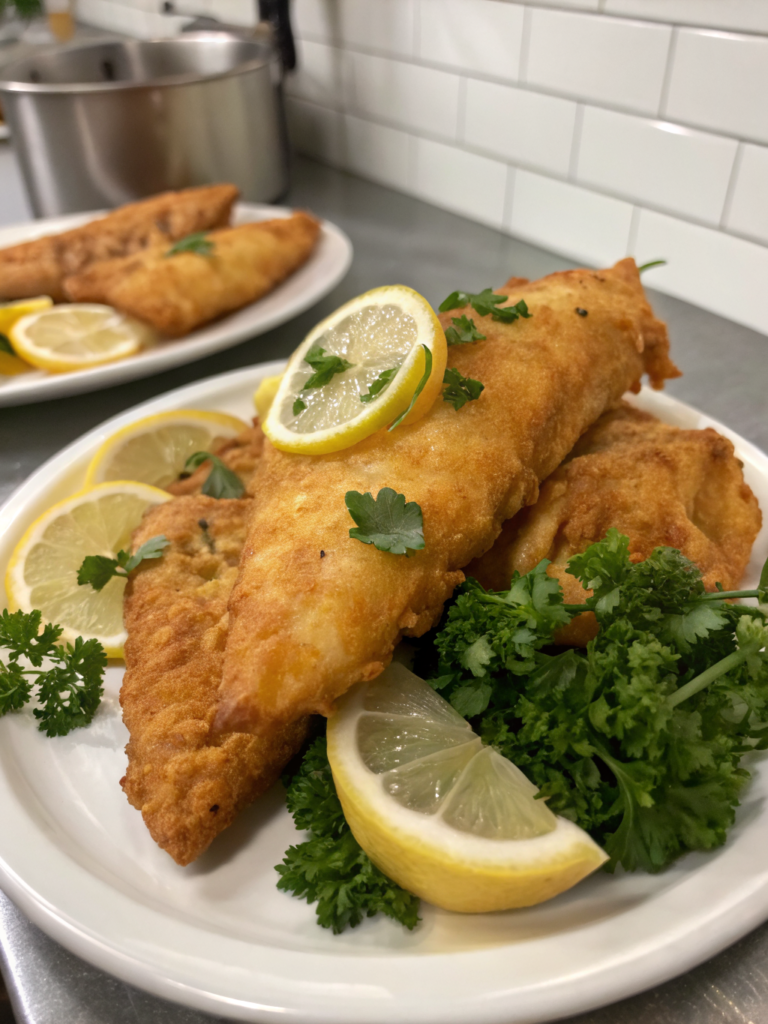
The smell of cornmeal fried fish is magical. It reminds us of summer gatherings and classic seafood dishes. The sound of fish hitting hot oil sparks joy and anticipation.
Getting that perfect crunch starts with the right temperature. Mastering fish frying is a tradition. With your homemade cornmeal mix, you can get a golden crust and tender fish inside.
Understanding the Importance of Temperature
Frying fish right depends a lot on the oil’s temperature. The right temperature makes sure your fish cooks evenly. It also gives it that perfect crispy texture. Knowing why temperature is key helps you avoid common mistakes.
Why Temperature Matters in Frying
The oil’s temperature is key for both the crunch and cooking of your fish. Here are some important points:
- Optimal oil temperature creates a golden crust on your crispy fried fillets.
- Too low oil temperature leads to soggy, greasy fish.
- Too high oil temperature can burn the exterior while leaving the inside undercooked.
Effects of Incorrect Temperature on Fish
Wrong oil temperature can mess up your frying. Here’s how it affects your fish:
- Low temperature results in oil absorption, making your fish oily and unappetizing.
- High temperature can create a burnt taste and texture, ruining the delicate flavor of the fish.
- Achieving the right temperature allows for even cooking, making your fried fish taste better.
Mastering temperature is key to making perfectly fried fish. The right temperature is vital for those delicious, crispy fried fillets everyone loves.
Best Fish Varieties for Frying
Frying fish can make for tasty meals, thanks to the right choices. In southern fish fry traditions, some fish are more popular than others. Crispy catfish is a classic, but there are other great options too.
Popular Choices for Frying
Here are some top picks for frying fish:
- Crispy catfish – A staple in southern cuisine, known for its flaky texture.
- Freshwater bass – Offers a mild flavor and firm flesh, perfect for frying.
- Crappie – This fish is tender and has a light taste, making it a great option.
- Frozen fillets – Convenient and versatile, these can be a quick alternative.
Nutritional Benefits of Fried Fish
Fried fish can be good for you, despite being fried. It offers important nutrients. Some benefits include:
- High in protein – Fish is an excellent source of protein, which is vital for muscle health.
- Rich in omega-3 fatty acids – These healthy fats support heart health and brain function.
- Low in calories – When prepared correctly, fried fish can be a lower-calorie option compared to other fried foods.
Choosing the right fish for your traditional fish fry can make your meal better. With crispy catfish and other varieties, you can enjoy a flavorful and nutritious feast.
Ideal Oil Temperatures for Frying Fish
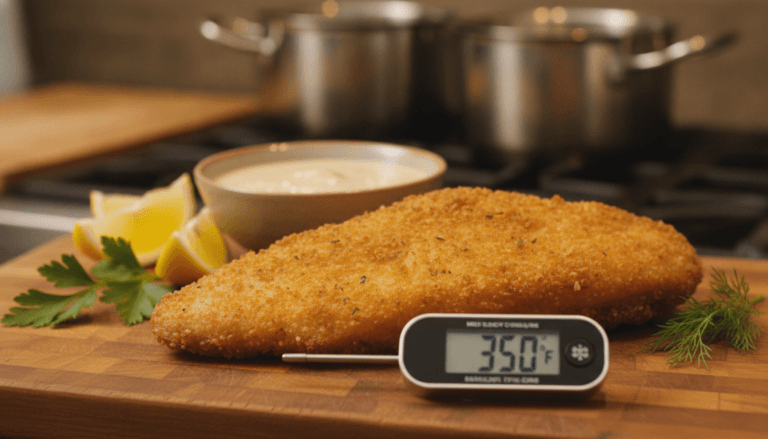
To get your fish golden brown, you need the right oil temperature. The perfect temperature makes your cornmeal breading crispy. It also keeps the fish moist and full of flavor. The best frying temperature is about 375°F.
This temperature ensures even cooking and a crunchy texture.
Different oils can change how your fried fish tastes and feels. The right oil affects the taste and how well the breading sticks to the fish. Here are some oils that work well for frying:
Recommended Oil Temperatures
- Peanut Oil: High smoke point, great for crispy texture.
- Canola Oil: Neutral flavor, perfect for a variety of fish.
- Vegetable Oil: Affordable and effective for frying.
Effects of Different Oils on Flavor
Peanut oil adds a nutty taste to your fried fish, making it more delicious. Canola oil has a neutral taste, letting the fish and breading stand out. Think about what you like when picking an oil for frying.
How to Measure Oil Temperature Accurately
Getting the oil temperature right is key for crispy fried fillets. The correct temperature helps your fish cook evenly. This prevents it from becoming soggy or burnt. You can use a few methods, but a deep fry thermometer is the most accurate.
Using a Deep Fry Thermometer
A deep fry thermometer is a must-have for frying. It gives you precise readings, helping you keep the temperature steady. Here’s how to use it:
- Attach the thermometer to the side of the pot, making sure the tip is in the oil.
- Slowly heat the oil to your desired temperature, usually between 350°F and 375°F.
- Keep a close eye on the reading to avoid overheating.
Alternative Methods to Check Temperature
If you don’t have a deep fry thermometer, there are other ways to check the oil temperature:
- Bread Cube Test: Drop a small bread cube into the oil. If it browns in about 60 seconds, the oil is ready.
- Wooden Spoon Method: Put the handle of a wooden spoon into the oil. If bubbles form around it, the oil is hot enough.
Knowing these methods will help you make delicious, crispy fried fillets. Keeping the oil temperature consistent is important. It helps avoid common mistakes and makes your meal enjoyable.
Preparing Fish for Frying
Getting your fish ready for frying is key to making it delicious. Cleaning and drying the fish well helps the breading stick and fry up crispy. You’ll learn how to clean your fish and find out about marinating to add flavor.
Cleaning and Drying Fish
First, clean your fish well. This is important to get rid of any unwanted stuff. Here’s how to do it:
- Rinse the fish under cold water.
- Remove scales using a fish scaler or the back of a knife.
- Gut the fish if necessary, and remove the innards.
- Pat the fish dry with paper towels to remove excess moisture.
Drying your fish makes the coating stick better. This means your fried fish will be crunchier.
Marinating Options for Flavor
Marinating your fish can make it taste even better. Here are some tasty options:
- Lemon Pepper: A zesty blend that brightens the flavor.
- Paprika: Adds a smoky touch and vibrant color.
- Cayenne Pepper: For those who enjoy a spicy kick.
Let your fish marinate for at least 30 minutes. This lets it soak up the flavors. It’s a big part of making your fried fish unforgettable.
Breading and Coating Techniques
Getting the right coating for fried fish is key for that perfect crunch. Homemade cornmeal breading is a top pick for a southern fish fry. It adds flavor and a crispy texture that makes the fish even better. Knowing how to bread your fish can take your frying to the next level.
Popular Breading Methods
There are many ways to bread fish. Here are a few to try:
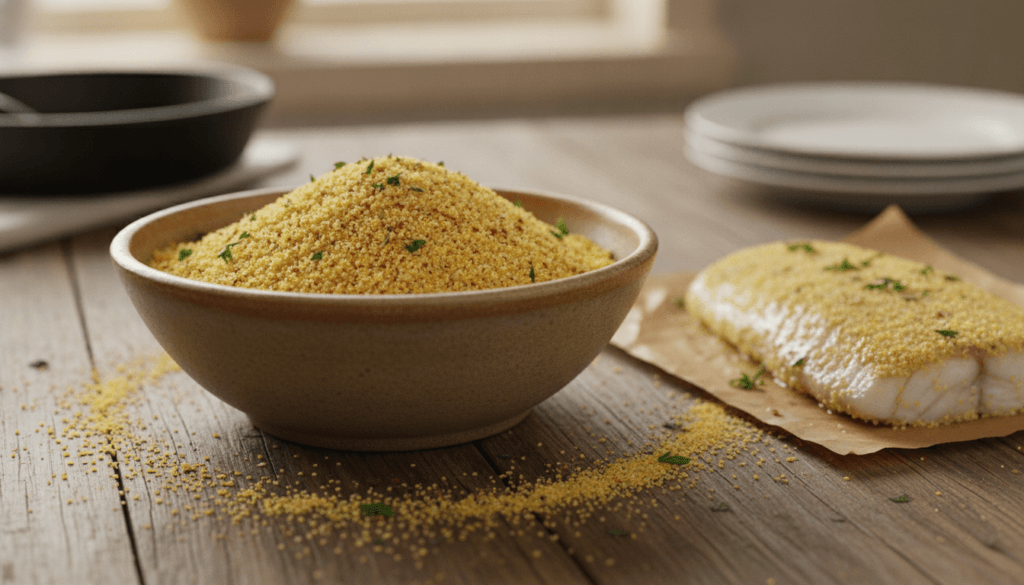
- Homemade Cornmeal Breading: Mix cornmeal, flour, salt, lemon pepper, paprika, and cayenne for a tasty blend.
- Buttermilk Coating: Soak fish in buttermilk then coat in seasoned flour for extra moisture.
- Panko Breadcrumbs: Panko gives a lighter, crisper texture.
Gluten-Free Coating Options
If you need gluten-free options, there are great alternatives. You can replace regular flour with:
- Almond flour
- Coconut flour
- Gluten-free breadcrumbs
These options let you enjoy the crunchy goodness of a southern fish fry. Try different spices and mixes to find your favorite. With these methods, your fried fish will be a crowd-pleaser!
Frying Techniques for Perfectly Fried Fish
Choosing the right frying technique is key for great fish. You can get crispy fried fillets with deep frying or pan frying. Each method has its own benefits and can make your fish taste amazing. Learning these techniques will help you fry fish like a pro.
Deep Frying vs. Pan Frying
Deep frying means soaking the fish in hot oil, usually at 375°F. This method cooks the fish evenly and makes it crispy. Pan frying uses less oil and requires flipping the fish for even cooking. Both ways can make your fish taste great, but they suit different tastes.
- Deep frying creates a more uniform crispiness.
- Pan frying allows for a lighter dish with less oil.
- Deep frying is ideal for larger batches.
- Pan frying offers more control over cooking times.
Tips for Even Cooking
To cook your fish evenly, follow these tips:
- Maintain the oil temperature. Use a thermometer to check.
- Avoid overcrowding the fryer or skillet. This can lower the oil temperature.
- Use a Dutch oven or a heavy skillet for better heat retention.
- Pat the fish dry before frying to prevent excess moisture.
By following these tips, you can get crispy fried fillets every time. Whether you deep fry or pan fry, your fish will be delicious and satisfying.
Common Mistakes in Frying Fish
When you’re making a southern fish fry, it’s key to avoid common mistakes. These errors can ruin the fish’s texture and taste. Knowing what to watch out for can make your fish fry crispy and golden.
Overcrowding the Fryer
One big mistake is putting too much fish in the fryer at once. This drops the oil’s temperature too low. As a result, your fish might end up soggy and greasy instead of crispy.
To fix this, try these tips:
- Fry in small batches.
- Make sure there’s enough space between each piece of fish.
- Keep a close eye on the oil’s temperature.
Not Preheating the Oil
Another common error is not heating the oil enough before frying. Oil that’s not hot enough can’t create a good crust. It also makes the fish soak up too much oil. Here’s how to preheat correctly:
- Use a deep fry thermometer to check the oil’s temperature.
- Heat the oil to 350°F to 375°F for the best frying.
- Wait until the oil is at the right temperature before frying.
By steering clear of these mistakes, your southern fish fry will be a success. Just remember to fry in small batches and preheat your oil well. These simple steps will help you fry fish perfectly every time.
Signs That Your Fish is Done Cooking
Knowing when your fish is perfectly cooked is key to a great meal. Look for signs that show your fish is ready. These cues will help you get that golden brown fish and crispy fried fillets everyone loves.
Visual Indicators of Doneness
When frying fish, look for these visual signs:
- Color: A golden brown color on the surface is a good sign.
- Crispiness: The outside should be crispy and firm.
- Flakiness: Check if the fish flakes easily with a fork.
Recommended Cooking Times for Different Fish
Cooking times vary by fish type and thickness. Here are some guidelines:
| Type of Fish | Cooking Time (per side) |
|---|---|
| White Fish (like cod) | 5-7 minutes |
| Salmon | 6-8 minutes |
| Shrimp | 3-5 minutes |
By watching these signs, you can cook your fish just right. Enjoy your golden brown fish and crispy fried fillets that everyone will love!
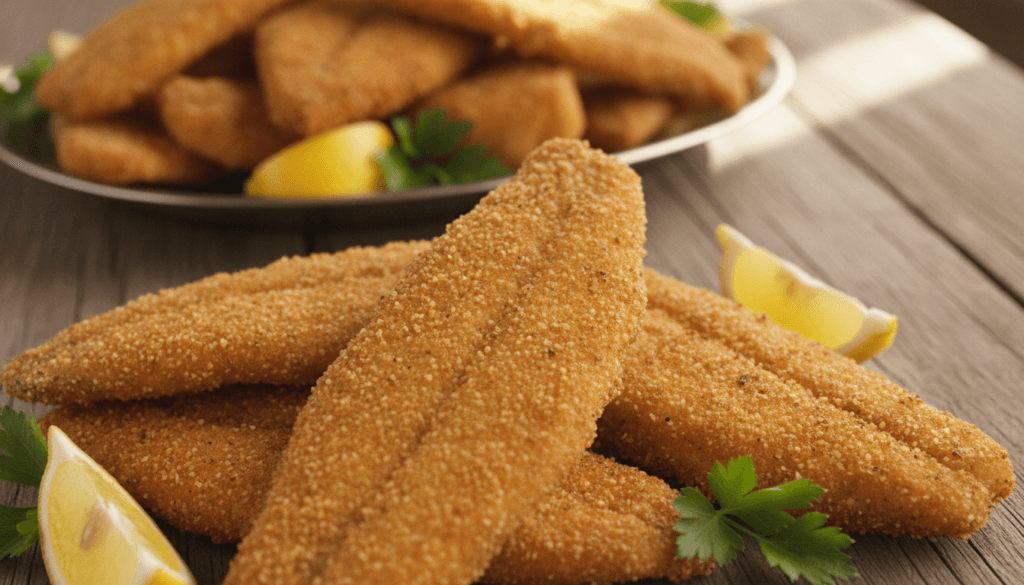
Serving Fried Fish
Enjoying a traditional fish fry is even better with the right sides and sauces. These can make your meal even more special. Here are some great options to try.
Ideal Side Dishes
Fresh veggies and seasonal dishes are perfect with fried fish. They balance out the richness. Here are some great choices:
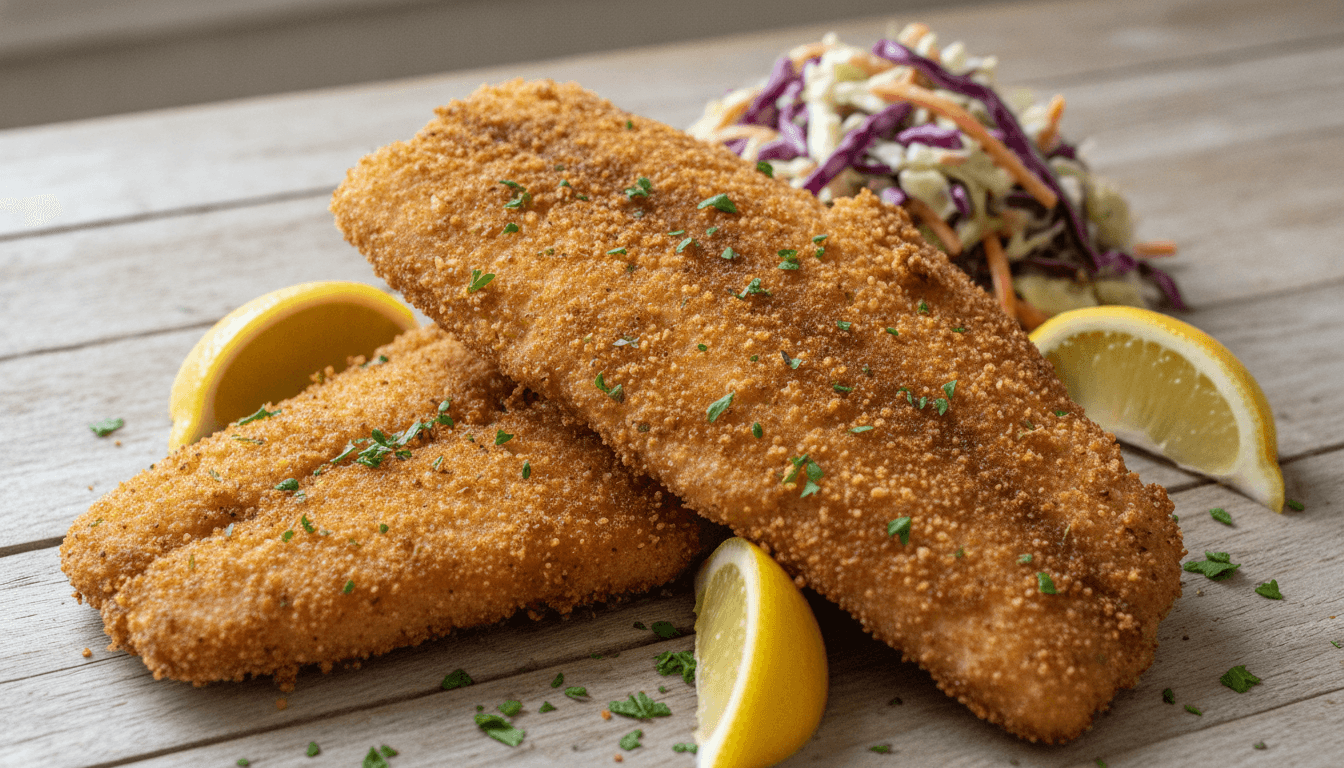
- Coleslaw for a crunchy texture
- Steamed asparagus or green beans for freshness
- French fries or sweet potato fries for a hearty side
- Grilled corn on the cob for a sweet touch
Sauces and Dips to Complement Fried Fish
Choosing the right sauces can really bring out the flavors of your fried fish. Here are some favorites:
- Tartar sauce, a classic pairing with fried fish
- Remoulade, with a zesty kick
- Garlic aioli for a creamy option
- Spicy ketchup for a bit of heat
By picking the right sides and sauces, you can make a meal that’s unforgettable. Enjoy your cooking and let your taste buds explore!
Storing Leftover Fried Fish
After enjoying a delicious meal of fried fish, you may find yourself with some leftovers. Proper storage is essential to maintain the flavor and texture of your fried fish. Following a few best practices will ensure your leftovers taste almost as good as when they were freshly cooked.
Best Practices for Storing
To keep your fried fish fresh, consider these storage tips:
- Use airtight containers to prevent moisture loss.
- Refrigerate the fish promptly, ideally within two hours of cooking.
- Separate layers of fish with parchment paper to avoid sticking.
- Label containers with the date to track freshness.
Reheating Tips for Optimal Taste
Reheating fried fish can be tricky. You want to retain its crispiness while ensuring it is heated through. Here are some effective methods:
- Use an oven set to 375°F (190°C) for about 10-15 minutes.
- Consider an air fryer for a few minutes to regain crispiness.
- Avoid microwaving, as it can make the fish soggy.
By following these guidelines, you can enjoy your leftover fried fish with great taste and texture. Remember, proper storage and reheating are key to a satisfying meal.
Conclusion and Final Thoughts
Mastering the art of frying fish is all about temperature control. Keeping your oil at the right heat is key. This ensures your cornmeal fried fish comes out crispy and golden.
Trying different frying methods and fish types can boost your cooking skills. You might want to try homemade breading mixes for your southern fish fry. Each mix can give your meals a special touch, making them unforgettable.
With the tips from this guide, you’re ready to make amazing fried fish. Dive into the process and enjoy making meals that highlight this favorite seafood dish. Your path to perfecting fried fish begins today!
FAQ
What is the best temperature for frying fish?
What types of fish are best for frying?
How can I tell if my oil is hot enough for frying?
What should I do to prepare fish for frying?
How can I make homemade cornmeal breading?
What are some common mistakes to avoid when frying fish?
How can I tell when my fish is done cooking?
What are the best side dishes to serve with fried fish?
How should I store leftover fried fish?
Did You Try Our Recipes?
There are no reviews yet. Be the first one to write one.